Bootstrap
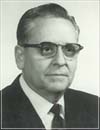
M. Luther Hux

Fruit of Love To God

M. Luther Hux September, 13 1976 Audio
0 Comments
M. Luther Hux
M. Luther Hux September, 13 1976

Sermon Transcript

Auto-generated transcript • May contain errors

100%
Well, I'm going to just turn
us to our text this evening, Romans chapter 8 and verse 28,
and seek to bring you another phase of this teaching here in
this 8th chapter of Romans. It's a wonderful chapter. I'll
be referring to a number of scriptures. If you have your Bibles, you
can follow me along, but I just want to read the text. But I
should tell you, I got to thinking about the morning service, and
I just wonder if anybody caught anything this morning from the
message. I had a little difficult time
last evening sleeping. I must have had a little tummy
trouble, and I thought I went to bed early enough, but I'd
wake up about every 30 minutes. And then I'd go back to sleep
and wake up again. I kept doing that, just alternating
back and forth, and I got to wondering what in the world was
wrong. I decided maybe I had a little tummy trouble, and that
was altogether it. It was about three o'clock in
the morning then, and I didn't want to call any of you and ask
you for any remedies at that time of the morning, so that's
the reason I didn't awaken you. But I did happen to think there
came to me a jingle that I had heard somewhere sometime that
there was something like this plop, plop, Fizz, fizz. Oh, what a relief it is. So I
got up at three o'clock and I found it, downed it, went to sleep,
and the next thing I knew the clock was just ringing and pitching
at seven o'clock this morning. And I thought, hmm, I wish I
had set that clock for eight instead of seven. But I was afraid
to reset it then because I thought I would mess up things sure enough. So, but when I got to church
I felt really that I hadn't had enough sleep and I'm kind of
like a baby, I need a little more sleep than most folks. So
I just want, I hope there was something here this morning for
you in the meeting. But if there wasn't, let's blame
it on that, and I should have popped those pop-flops a little
before I did. But anyhow, we're glad to be
here this evening and feeling much better. Maybe I shouldn't
tell you that, because I might just do worse tonight than I
did this morning. But verse 28 of the 8th chapter
of Romans, I'm sure we know this by heart by now, And we know
that all things work together for good to them that love God,
to them who are the called according to his purpose. I spoke to you
on that phrase this morning, to them that love God. All things work together for
them and for no one else, but those who do love God, love our
Lord Jesus Christ. And I gave you a few principles
of love, tried to, and how we ought to think about the love
of God. But this evening I won't talk
further about it and speak to you about the fruit of the love
of God. That is, the fruit of God's love
in a Christian. Now, we must wonder, or we come
to some understanding whether or not we're in this number who
are counted as those who do love God. And I know we're not bragging
about our love, but we might well face it if we're children
of God, if we're of that election of grace, if God's done anything
for us in this way, there is some love in our hearts for the
Lord. And since there is that love,
we may know it by the fruit that is born from that love. So, dear friends, is there any
fruit of this kind in our garden? Now, we want to see, because
there are a number of things here that I'd like to call your
attention to, that if you do love God, These things certainly
are being born from your life as fruit of that very love. Well, what is the first fruit
of this love for God in the hearts of the people of God? I believe
the first fruit of this love, dear friends, is the thought,
our thoughts being taken up with God. And we have scripture for
that. Because if we do not think about
God, if our minds are not drawn to contemplate God and to meditate
upon Him, we may just put it down that we're really not in love with
Him. Because we think about what we
love, do we not? If we love money, we think about
that. If we love property, if we love pleasure, whatever kind
it is, or if we love a person, we think about that thing or
that person. Well, the Bible tells us that
God is not in all their thoughts. That is, the thought of the wicked.
In Psalm 10 and 4, David said that. If you'd like to look at
that psalm in connection with this point. He said in ten form,
the wicked, through the pride of his countenance, will not
seek after God. God is not in all his thoughts. And your marginal reading on
that, if you have a marginal Bible, is all his thoughts are,
there is no God. Which of course is the same thing.
God is not in all his thoughts. And then let's look at the 119th
Psalm and verse 18 on this matter. 119 and verse 18, David said
in prayer to God, Open thou mine eyes, that I may behold wondrous
things out of thy law. In another place, he said, my
meditation, or my thoughts of thee, are sweet. So, dear friends,
the first proof of love of God, and whereby you may know that
you love him, is whether or not you really think of him. Do you
think, or your thoughts of God? I could give you another scripture.
Our Lord said that wherever a person's treasure was, there's where his
heart would be, didn't he? Well, where is your heart then?
As a man thinketh in his heart, so is he. So we can tell exactly
what our treasure is, and we can tell the place where our
hearts are. So dear friends, if we're taken
up with the thoughts of God, we can, I believe, know that
this is a fruit of love to God. Because isn't it a fact that
wicked men don't like to think of God? You know, you can talk
to them about idols, you can talk to them about heathen gods,
and gods of false religions and all of that, and they'll listen
to you. But you open the Bible and talk
about the God of the Bible, Well, you'll get some reaction out
of those folks. Or they'll leave. They will not
hear it, or you'll get a rise out of them. Because they have
a dread of thinking of the reality of a living God, the God that
this Bible speaks of. So, the first proof, then, I
believe we can establish, of love to God is our thinking about
Him. And, of course, loving that thinking. And a second fruit would be a
desire for fellowship with God, for walking with Him. For we
said before that our love for a person cries out
for communion with that person. You just love to be with those
whom you love. David said, my heart and my flesh
cries out for the living God. Is that your experience? His
heart and his flesh crying out for the living God. David was
breathing after God, thirsting after God, and desiring that
intimacy with God, that fellowship, that communion. That's the only
thing that would really satisfy him and make him content. Well,
how can we tell that we're crying out for God as David, or desiring
fellowship with him? Well, first of all, if we love
the ordinances of God, we may know that we are crying out with
God, that we want to meet with him. As we came to the table
of the Lord this morning, you didn't just come out of duty.
You didn't come to the table not really wanting to come, but
you had a desire to come, did you not? Because in the ordinance
of the Lord's Supper, there is a meeting of the people of God
with the Lord Jesus Christ in that ordinance. He said, do this
in remembrance of me. And you can't, as a child of
God, take it without remembering him. Then here's the word of
God that speaks to our heart. You love to hear God's word,
whether it pierces you or whether it blesses you and is pleasant
to you. You say, Lord, I want thy word. And then there's prayer. In the Word of God, God's speaking
to us. But in prayer, we're talking
to God. And somebody said, well, I don't
think we can pray too much. And in a sense, that's so. I
agree with that. With this exception, I think
that when we ought to be studying the Word of God, And having God
to speak to our hearts, we're talking to Him instead. I think
that's a prayer too much, brethren. You understand that? And so the
house of God, the place of the assembly, the assembling of God's
people for worship of God, meeting God here in a special way, God's
people love that. They love His Word. They love
prayer. They love for God to talk to
them, and they love to speak to God, commune with Him, and
they love to worship Him. So a child of God just can't
be happy without a sense of the divine presence. He must have
that. And David said this in Psalm
143 and verse 70. He prayed this prayer, "'Hide
not thy face from me.'" lest I be like unto them that go down
into the pit." That is, the wicked. David did not want God to hide
his face from him. He wanted to think about God,
and he wanted God's fellowship and communion. Well, the wicked
are going to hell. They do not want to think about
God, and this is what David said, I do not want to be like that.
They have no thought of thee, and when they have one, they
cast it out. Well, people like that are perishing,
and they're going to wind up in hell unless God does something
for their poor soul. David said, then, hide not thy
face from me. Let me see thy countenance. David
felt that the countenance of God was lovely, and he wanted
to look upon that. You think about the people in
this world that live without the presence of God or desire
for the presence of God. It is amazing, isn't it? And
I am prone to believe, too, that a lot of professing Christians
are like that. They profess to know Him, profess
to love Him, but they don't want to hear about Him. And they don't
want to—you're talking about Him, and they don't want to think
about Him. Well, that isn't the And that isn't a token that they're
the people of God. So this fruit of love to God
is not only drawing our thoughts out toward God, but it is a desire
for fellowship with God, to seek that fellowship. We might say
also another fruit of love to God is grief or sorrow. I get this from the Beatitudes. Our Lord Jesus Christ said, Blessed
are they that mourn. Didn't he say that? Blessed are
they that mourn, for they shall be comforted. Well, what do the
people of God mourn about? They mourn about anything that
is in them or that they do that is displeasing to the Lord Jesus
Christ. They mourn about their own sin.
And so I say that is a fruit of love to God. An unsaved person
can go on in his sin and just be glad he isn't caught
and punished for it and kind of be content. But a child of
God does not fear the punishment so much for his sins and his
wrongdoing as he does the displeasure of his God and his Savior. of him the Holy Spirit. And you
know this, that we are due every day of our lives to abuse the
mercy of God and God's love, dear friends, that we must have
some grief about that. And Peter went out and wept bitterly. So the people of God, when they
sin against the Lord, they have a bitterness of soul. If we can
sin, And it's our friend, grief, which means we don't love God,
doesn't it? Certainly. If Christ bled for our sins,
can we still sin against that holy person without pain or grief
or suffering? Can we injure him who died for
our sins and still be happy? That's an impossibility. And
therefore, this mourning for sin, And displeasing him is an indication
and a proof of love to God. I'll tell you another thing.
That is a fruit of that love, and that is boldness or unashamedness
to confess the Lord Jesus Christ. I remember before I was saved,
it was the most difficult thing to confess the Lord. Number one,
I was drawn into a false profession by this crowd, you know, that
wanted to get everybody forward and get their names on the roll
and dip them under and count them as, you know, they've saved
somebody. Well, I got in all that, but
later on I didn't want to make any more false professions. I
didn't want to do that. But I think that's the experience
of all of us. Until we are saved, when the
Lord does this work, then we cannot keep from confessing Him. You know that. You're not ashamed
of the Lord Jesus Christ. Not ashamed of Him. You want
a confession. You want people to know that
He is your Lord and your Savior. You're glad He is, and you're
proud of Him. Not proud of yourselves, but
like those men who were filled with boldness, they said, we
can but speak the things we have seen and heard. You know the
Lord Jesus Christ, dear friends, the Christ of God. You will not
be ashamed of Him. How could we be ashamed of that
person who appeared for us here on the cross, and now appears
for us in heaven, and is going to appear for us the second time?
without sin under salvation to receive us. Oh, I tell you, we
could certainly do something to ourselves if we would catch
ourselves being ashamed of Jesus Christ, would we not? And then,
that, of course, is a fruit of the love for Christ, that you're
not ashamed of Him. A false professor is ashamed
of the Lord Jesus Christ. Many of these professors today,
and I speak compassionately about the false professors because
I know how they're caught up into these religious circles
and into professions, and then they're told to go on and train
to keep on confessing Him. But most of their confessing
is not praising the Lord Jesus Christ or praising God for his
mercy and grace in saving them, but for what they've done for
God and how they let God in and let God do something that he
couldn't do before. Well, all that's foolishness.
But the fruit of love to Christ will make you bold. There are
many illustrations of that. Nicodemus, you remember, was
called a secret believer. He really believed on Christ
secretly. But you remember when Christ
was hanging on the cross, when he expired, why he went out boldly
before that mocking crowd and before the officials, and he
himself was a member of the Sanhedrin, a man of a high rank, a politician,
and a religious person of the Pharisees, yet he went out there
with his own hand He took the Lord Jesus Christ's body off
that cross and buried it in his tomb. Well, Nicodemus had a hand in
that, Joseph of Arimathea owned the tomb, you remember. Neither
of them were ashamed in that day of the Lord Jesus Christ.
A fruit of love to him. Only love would have made them
do that, nothing else. And then another fruit of this
love for God, if we really love Him by His grace, of course,
there comes about us a holy touchiness. You know what I mean by that?
We get touchy, not about ourselves. Maybe before we were converted,
we were overly sensitive. We felt that people were saying
things, they were talking about us, you know. If we saw somebody,
you know, off talking in a group or something, we just thought,
well, they're talking about me. Or if they dropped something
that we thought could apply to us, we knew exactly who they
were talking about, we were offended. But you know, when the Lord Jesus
Christ saved us, that was exchange for a holy touch in us. That
is a sensitiveness about the glory of God and the honor of
God. For just as soon as we found
ourselves in the family kingdom of our Lord Jesus Christ and
we heard the name of God blasphemed and dishonored and dragged into
gutter, we were pained by that where we're not. But our God
was dishonored. So it is. You see all these things
coming to pass the profanity and the immorality, the rise
of crime and sin of every sort, and blasphemy and false religion,
and men discrediting doctrine. And when they do, they discredit
the Word of God, and they talk about a God that's not in the
Bible, and a Christ that's not taught here. But you know all
of those things. You're sensitive to them. Our
soul cannot bear to sit under false teaching, under teaching
that dishonors God and tramples the precious blood of the Lord
Jesus Christ underfoot, and lures the grace and mercy of God and
exalts man, man's works and so forth. There's a scripture in
the 1st or the 2nd epistle of Peter. where God speaks of a lion who
dwelt in Sodom for about twenty years, you remember? And it said
that that righteous man's soul was vexed daily with the wickedness
of the Sodomites. His soul was vexed. It was irritated
and pained every day in that city of Sodom and Gomorrah. So, love to God. will make you sensitive of God's
honor. It will make you zealous for
the glory of God. And I find people who care not
whether God's honored or dishonored. I know I'm finding somebody that
has tasted the demonstrations God has put the love of God in
their hearts. And then one other, well, there
are many of these. Let me give you a few of them
that are fruits of of the love of God, and that is the hatred
of our idols. When the Lord Jesus Christ saves
our souls, he tells us by his apostle, Little Children, that's
1 John 5, 21, he said, Little Children, keep yourselves from
idols. Now, idols are very dear to us
before we're Christians. After, real after we're fishing,
we're allowed to get taken up with idling. We're asked to. Bob invited me to go fishing,
and Jack invited me to go fishing, and I said to Bob, well, I appreciate
that, but don't want to get in the habit. He said, it's all
right, you just thought overdoing it, which is so. Well, Bob knows
we can make fishing and idling, or anything else as far as that's
concerned. And we must therefore not Take
up an eye, little children, keep yourself an eye. These are all
for God. And therefore when God saves
the Sabbath, by the grace of God, He says, what am I to do
anymore with idols? These things are nothing. God is my Lord, He is my God,
and He hates His idols and casts them out. But our Lord Jesus
Christ said, you cannot serve God in idleness. You cannot serve
God if mammon is the word, but mammon is an idleness. So love to God will issue in
hating your idleness, tearing them to pieces. And then the
fruit of love to God we can say is crucifixion. A man brought
this to my attention the other day. He said, well, if we're
crucified with Christ, he says, we're dead, aren't we? Well,
I said, now, what do you mean are dead? Do you mean we're dead
to this world and dead to sin? Why, yes. He said, we're crucified,
we're bound to be dead, aren't we? I said, no. What do you mean? You can be crucified and not
be dead? Exactly so, Lazarus, my friend. Are you really dead to the world?
Are you really dead to sin? Now, Christ, when he was crucified
on the cross, we were viewed as being in him, and we were
all crucified in him, and died in him, and were buried in him,
and raised in him, and exalted in him. But in actual experience,
we are very much alive to this world. And we are very much alive
to sin. I say that to my own shame. Well, he couldn't quite get the
thing together, so I'll explain it this way. Crucifixion is a
slow death. It's not like getting your head
severed from your body. It's not like being shot through
the heart and you're dead already, you see. But when you hang a
man on a cross and you nail him there, he may linger for days.
He doesn't die that day. Why? Our Lord Jesus Christ expired
because he actually gave up the ghost himself. But when they
came to these soldiers, these thieves, you remember, on either
side, they broke their legs to facilitate their death, speed
it up. Otherwise they would have hung
on that cross alive on the Sabbath day and on for several days as
far as that's concerned. Well, you say, then, Preacher,
aren't we to be dying to this world? Indeed we are. And we're
to be dying to sin. We're to live a life of crucifixion. And the crucifixion of a child
of God is a drawn-out thing, from his conversion until his
homecoming. He's ever dying to the world,
he's ever dying to sin. But he isn't completely and perfectly
dead to sin. And if you find one that claims
he is, you just walk up and offend him. Tell him what a rascal he
is, and he'll show you how alive he is. As my friend Frank Beck,
who's already in heaven, I believe I told you this one time, this
fellow was up preaching sinless perfection. He'd reached the
mark, he'd gotten to the goal, and he was advocating that experience. Frank called him out to the service
and said, hello there, something like this. I can't quote him
exactly, but Frank really put it on. Hello there, you old,
hell-deserving, rascal, and wretched sinner, you know. Why, when Frank
said that to him, he said the man just turned all different
colors and was about to explode. You get that reaction from these
dead people who think they're dead, and they're perfectly dead
to the world, and dead to sin, and dead to offenses. No, we're
not, but we ought to be dying. Paul says, I die daily. And may
that be our experience. It is indeed. If we are children
of God, if we love him, he says, love not the world, neither the
things that are of the world. For all that is in the world
is passing away. The lust of the eyes, the lust
of the flesh, and the pride of life All those things are idols,
and we're to be dying to them. He said you can use the world,
but don't abuse it. Don't love it. And then another
thing that is a fruit of love, you may be surprised to know
this, and that is fear. The fear of a child of God is
a fruit of love. Paul tells us in Philippians
2.12 this, he said, work out your salvation with fear and
trembling. And we get back to this business
of displeasing our Lord again. A child of God fears to displease
Christ more than he fears the punishment of sin. I believe
I can say this, after we're saved, We're afraid more to displease
God than we're afraid to go to hell. Afraid of hell, the fear
of hell's taken out. So a man married to a wife, he
just doesn't want to displease her, nor does she want to displease
him. There's a fear in a truly married
couple of displeasing in each other. And so in the Christian
life, we're married to Christ. And the more we love him, the
more we desire not to grieve him with our sins. I remember
Chrysostom, way back in ancient times, that great Christian man. Eudoxia, the empress, sent word
to him by a messenger that she was going to banish He was going
to exile him. And you know what he replied
to the empress? He sent word back to her and
said, this is his reply to the empress, Eudoxia, the empress
of Rome. He said, tell her I fear nothing
but sin. He wasn't afraid of that empress.
He wasn't afraid of anything, but he said, I'm afraid of sin.
And of course, the reason he was afraid of sin was because
He didn't want to displease his master. And then there's a jealousy
that is begotten of this fear in a child of God, working out
his salvation with fear and trembling. That's set before us in a number
of things. Particularly, I'm thinking about
this in 1 Samuel 4 and 13. Israel was at war, and Eli, the priest of God, was very
anxious about what was going on. His two sons, who were priests
of God, Hophni and Phinehas, were out there in the battle
with the army. And the battle was going against
Israel. But you know what the Word of
God says? It says there in that scripture, 1 Samuel 4.13, that
Eli's heart trembled for the ark. You might have thought that
that scripture would read this way, Eli's heart trembled for
his sons. The welfare of his sons, Hophni
and Phinehas, but not so. Eli was trembling for the ark
of God, not for his two boys out there, who of course were
killed. Why was he trembling for that
ark? Because he knew that that ark was a symbol of the presence
of God, and he didn't want to lose that symbol of God's holy
presence. So the children of God are fearful
of the departure of God. They're fearful of losing God's
holy presence, or at least the sense of that presence, symbolized
by the ark. But you know, on the other hand,
there are very few who fear that. They are fearful of losing everything
else in God's world but the presence of the Lord. They just take that
for granted. My God has to be present with
me, they feel. He can't leave me. But they know
nothing about the presence of God. and therefore they're fearful
of losing everything but God's presence in his holy word. You
can take the word of God from the average professing church
member, and he won't even know it. He will not even be conscious
of it. You can just give him a service
full of gimmicks and emotionalism and a little experience, and
he thinks he's got God's presence. So then a fruit of love is fear
of displeasing him. And then the fruit of love is
this, that the lovers of God love what God loves. Do you believe
that? The truth of the matter is, we
never loved what God loves until we became lovers of God by God's
grace. And when that took place, the
first thing, perhaps the first thing, It may not be, but the
first thing we fell in love with after coming to love the person
of God was the love of His Word, was it not? David said that that
Word, 19th Psalm 103, he says, is sweeter than honey to my taste. God's Word tasted good to him. And in the 72nd verse of that
19th Psalm, he said it's more precious than gold or silver
to him. That's the way David valued the
Word of God. As sweet to his taste as honey,
more valuable than gold that perishes. Do you value it that
way? It's a fruit of love. And then God's day is valued. We came to love the day of God
as a fruit of love to God, did we not? How boring the day of
God. used to be, in a state of nature,
oh, how we longed to get back to work, get back to making money,
or get back to doing something else, because God's day was so
dull and boring and unpleasant that if we got to the church
once, perhaps in the week, that was all we could possibly stand,
couldn't take any more. But, O beloved, when the salvation
of Christ came in, God's day became precious. It became a
day that we must consecrate this to God, because God gives us
six, keeps one for himself. God could have taken all the
days to himself and said, they're all mine. But he said, no, I'll
give you six. I want this one for myself. Hallowed
this day. And we said, Amen. You know,
Isaiah said in the 58th chapter of his book, verse 13, he said,
If thou call the Sabbath a delight. You've studied that. I'll not
go into it right now, but I've preached that out before. That's
a promise of God there, a great promise to his people. And I
know some of our brethren argue that That Sabbath that he was
talking about was the Sabbath of the Old Testament, the seventh-day
Sabbath, the Jewish Sabbath, Judaism. And that was the day
they were to call a delight, and if they did so, and did not
their pleasure on that day in their work but God's pleasure,
then the promise would be to them. But you know, I find that
isn't so. that Isaiah is speaking of the
first day of the week, not the seventh. And you know how I know
that? Because in that verse, the 13th
verse of the 58th chapter of Isaiah, God makes a special promise
to those who keep that day and delight themselves in it. And the Apostle Paul in the 6th
chapter of Ephesians tells us that the 4th command, not the
4th command, but the 5th command. Now look at that. Ephesians chapter
6, because I want you to get this. And verse 1, Children, obey your
parents in the Lord, for this is right. And here's the commandment. This is the fifth commandment
of the Decalogue. Honor thy father and mother,
which is the first commandment with promise. Well, how could
it be the first commandment with promise if God has given a promise
in connection with the fourth commandment? The fourth commandment
says The Sabbath is holy unto the Lord, and so forth. But God gives no promise with
that. But he comes to the next commandment, the fifth commandment,
and he said, you honor your father and mother. You've got the first
promise in the Decalogue of a good life, or a long life. Children,
you ought to listen to that. And we're all ought to, as Christians. Honor thy father and thy mother.
After you grow up, you don't have to obey them. But you are
required by the Word of God to honor your father and mother,
whether you obey them or not. Sometimes our fathers and mothers
are wrong, and we're grown, we better know that when they're
wrong and when they're right, and not obey anybody but God
Almighty in that, of course, which is right and different
from wrong. So we'll honor our fathers and
mothers as long as we live. God didn't say bathe them that
long. That's wrong. But here, the point
is this, that the promise is to those who delight themselves
in the Lord. You want to ride high in this
world, you want to have a good life, you really want to know
what the blessings of God is, delight yourself in the Lord,
in his days. call the Sabbath a delight, and
not a bore, and not a day of one's own pleasure. So love to
God will do that. And I don't know how else it
can be done, because the Lord knows this, brethren, unless
our hearts are right with God. One of the hardest things in
this world is to delight in the Lord's day, isn't it? Maybe some
of you would say, I would just wish there wasn't so much worship,
there wasn't so much preaching, there wasn't so much service.
Well, I know that experience myself in a state of nature.
But oh, the love of God can bring you to delight and rejoice in
that. And then God's laws are a delight
to a child of God, as a fruit of that love to God. because
he knows that the law of God is given to check his sinful
nature, his sinful excesses. You know, in the 2nd Psalm, David
mentioned that there were certain ones who said, let us break their
bands, let us cut their cords asunder. We are not going to
be bound by these rules and these laws of God that these servants
of God are putting on us. Well, those rules that God put
on us by his laws are cords to keep us from plunging into excesses
and into sin, to keep us out of hell, really, and out of offending
God. So a child of God is glad for
that. It's good for him. The Sabbath day is given for
our good, not for our hurt. The Word of God is given for
our good. And all the commandments of God
are good. And we have a better life, and
we can't have a holier life without them. We love, too, God's picture. You know what the picture of
God is? As I look over this audience, I see God's picture. It's God's
image in the child of God. And a child of God loves the
Lord, and he loves his picture. He loves his image. When he meets
another Christian, he sees a reflection of God in that Christian. So John says this in his first
letter. He says, everyone that is begotten
of him loves all those that are begotten of him. He loves him
who has begotten him, and he loves all those who are begotten
of him. Why do we love the people of
God? Well, they're certainly not perfect, and most of us are
unlovely, unloving, got a lot of faults and failings and all
of that. But we love each other because
we see, despite all of these imperfections and sins, we see
the image of our Savior there in some measure. And therefore
we love the brethren, and by that we know, can know, that
we are the children of God. Only love to God can make you
love a Christian. I mean really love him, for Christ's
sake. You might love him for other
things, as a person, for his work or his neatness or whatever,
but you'll never love him as a Christian unless you are a
Christian, a child of God. And you will love him then because
despite his failings and the differences, and even though
he may be persecuted, even though they might put him in jail, as
did the Apostle Paul, you'll love him. Now, there's so much
other fruit, but just one or two things here. Love of God
will bear the fruit of entertaining good thoughts of God and blessing
God. Paul said, love, thinketh no
evil. And certainly that would apply
in a more perfect way toward God. We ought not to think evil
toward each other. Our evil thoughts toward each
other ought to be curbed. But certainly when we think of
God, we have no business whatever of entertaining any evil thought
toward Him, but all good thoughts. And love of God will make you
think good toward Him. Whereas before you loved him,
how did you feel about God? You felt that he was just a hard
person, didn't you? That man upstairs, as they say
blasphemously, he's just a hard person. And therefore I'm not
going to allow him to rule over me. I'm not going to look into
his word. I'm not going to be bound like
these Christians under any such tight rules as they're under
in slavery. I'm going to be free. But when
you came to love God because he first loved you, your thoughts
changed. You found him to be not that
hard person that you felt about him before, but a tender person,
a loving God, one that was for you and not against you, and
that would do you good. Then, of course, the fruit of
love is obedience to God. You love him, he said, you keep
my command. Fruit of love is talking about
God's glory, or beloved. If we really love Him, we want
to speak about Him. We want to induce others to love
Him. And we grieve when others do
not come to love Him. In fact, some of us forget the
nature of depravity of sinners, and maybe we get down on them
too much sometimes for not loving God. Oh, we need to pray that
God may be gracious toward them and grant them repentance, if
he will, and yet continue to speak of him to others. All right. That fruit of love to God will
make us want to see him. You want to see him, that person
who saved you from your sin. John said, Beloved, now are we
the sons of God. Now! And it does not yet appear
what we shall be, but we know that when he shall appear, we
shall see him, for we shall be like him, for we shall see him
as he is. And Paul said this, that he will
give a crown of righteousness unto all them that love his appearing. They want to see him. Oh, beloved. to see the one who was wounded
for us, that is going to be our glorious sight, our glorious
King. And there's much more fruit,
of course, of this. I believe this, the more we love
Christ, the more we want to serve him. And the more we love him,
the more we will stoop to the lowest service, the lowest offices
that will glorify his name. If we love the Lord Jesus Christ,
we will not be striving to be above our brethren, to be considered higher or whatever
before, over them. We will love them as our brethren.
We'll be glad to serve them for the sake of our Lord Jesus Christ.
To even be a doormat for them to wipe their feet on, if that
would be for the glory of the Lord Jesus Christ. Our Lord Jesus
Christ loved his disciples so good that he stripped himself
to his waist, you remember, and girded himself with a towel and
washed their feet. Wash their feet, their dirty
feet. My Lord would do that, brother.
Is there anything in God's world that I, a poor, wretched sinner,
say, by the grace of God, would refuse to do if it would be for
his glory. These, then, are some of the
fruit of love. You may tell whether you love
God or not. I know we don't bear all this
perfectly, brethren, but somehow it's there. And I remember one
preacher was preaching the funeral of a person, and he couldn't
know whether that person was saved or not. But I thought he
was wise, he didn't say the person was saved, he didn't say the
corpse was lost. But he said, I know this, that
if that man bore any fruit of the Spirit, he's saved. That's true. If he bore any fruit
of the Spirit, because the only people that ever bear any fruit
of the Spirit are the children of God, who have the Spirit of
God in them. And it's by this fruit by their
fruits that you know. May the Lord bless the exhortation
to your heart, and remember that these are the only people that
all things work together for. They're good. Those who really
love God, that is their characteristic. Now there's another characteristic
mentioned there, and I want to talk about that later, to them
who are the call according to his purpose. But I'll take another
message. And now, for our closing hymn,
let's turn to number 189. 189.

Comments

0 / 2000 characters
Comments are moderated before appearing.

Be the first to comment!

Joshua

Joshua

Shall we play a game? Ask me about articles, sermons, or theology from our library. I can also help you navigate the site.