Summary
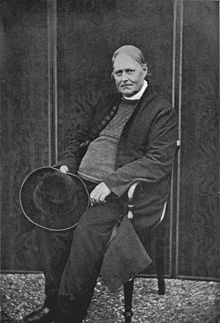
Robert Hawker meditates on Christ's vicarious atonement as described in Isaiah 53:12, emphasizing that Jesus voluntarily poured out His soul unto death as the sinner's representative and surety. The work explores how Christ's sacrifice encompassed not merely bodily death but spiritual death itself—sustaining the full weight of divine justice and wrath due to humanity's sin, including what Scripture calls the "second death" (Revelation 20:6). Hawker argues that through this substitutionary suffering, Christ delivered His people from the curse of the law and God's wrath, making Him infinitely suitable as Savior for all humble, convicted sinners.
Questions Answered in This Article
What does the Bible say about Jesus pouring out his soul unto death?
The Bible, particularly in Isaiah 53:12, teaches that Jesus willingly poured out His soul unto death as a sacrifice for the sin of humanity.
Moreover, this action of pouring out His soul signifies more than just physical death; it encompasses the profound spiritual anguish experienced as He bore the curse of sin for humanity. This is underscored by the understanding that the curse of disobedience, as noted in the Scriptures, means far more than mere physical death – it implies a separation from God, a state in which Jesus experienced the weight of our sins, not only in His body but in His very soul. Thus, the act of Jesus pouring out His soul unto death is central to the message of redemption found throughout Scripture.
Isaiah 53:12, Romans 2:9, Ephesians 2:2, Revelation 20:6
How do we know the atonement of Jesus is true?
The truth of Jesus' atonement is confirmed through Scripture, demonstrating His fulfilling of prophetic declarations and His substitutionary role.
Additionally, the theological understanding that Jesus acted as a surety for sinners plays a vital role in recognizing the significance of His atonement. He bore the full weight of divine justice, as indicated in Romans 2:9, where it speaks of God’s indignation upon those who do evil. By taking upon Himself the punishment due for sin, Jesus accomplished a perfect atonement, reconciling believers to God. This is exemplified in the profound nature of His death, where the divinity and humanity of Christ work together to secure salvation. Thus, the atonement's truth is firmly anchored in both prophetic Scriptures and the fulfillment of God's redemptive plan through Jesus Christ.
Isaiah 53, John 1:29, Romans 2:9
Why is understanding Jesus' suffering important for Christians?
Understanding Jesus' suffering is crucial for Christians as it reveals the depth of His love and the gravity of sin.
Moreover, grasping the weight of His suffering allows believers to appreciate the depth of grace offered through the cross. It fosters a humble recognition of one's own need for salvation and promotes a greater understanding of God's justice and mercy. In experiencing the hardships He faced, Jesus not only fulfills prophecy but also becomes a relatable figure, providing comfort and encouragement to those enduring trials. Ultimately, contemplating Jesus' suffering enriches one's spiritual life and deepens the relationship with the Savior, fostering a sense of gratitude for the grace received through His sacrifice.
Isaiah 53, Romans 3:23-26, 1 Peter 2:24
"He hath poured out his soul unto death." - Isaiah 53:12
My soul! from the garden to the cross, follow Jesus. Behold him apprehended and hurried away, both to judgment and to death. He who struck to the ground the band that came to take him, might surely, by the same breath of his mouth, have struck them to hell, and prevented his being apprehended by them. But one of the sweetest and most blessed parts of Jesus's redemption of his people, consisted in the freeness and willingness of his sacrifice. Yes, thou precious Lamb of God! No man (as thou thyself hadst before said) had power to take thy life from thee; but thou didst lay it down thyself: thou hadst power to lay it down, and thou hadst power to take it again. Delightful consideration, to thee, my soul! Now, my soul, let this day's meditation be sacred to the view of thy Redeemer pouring out his soul unto death.
And tomorrow, if the Lord give thee to see the morrow, let the solemn subject of thy study be the sufferings of Jesus in his body. Pause then, my soul, and call up all the powers of thy mind to the contemplation of what the scripture teacheth concerning thy Redeemer's pouring out his soul unto death. Seek the teachings of the Holy Ghost in this solemn and mysterious subject. The original curse pronounced on the fall, which Jesus took upon himself, and came to do away, contained somewhat vastly great. For as the blessing promised to obedience, "Do this, and thou shalt live," certainly meant somewhat much greater than mere animal life, and implied sweet fellowship and communion with God; so the curse to disobedience, "Dying, thou shalt die," as plainly intimated much more than the mere return of the body to the dust out of which it was taken: it meant what in scripture (Revelation 20:6) is called the "second death," meaning hell and everlasting misery.
Hence, in the recovery of our lost and fallen nature from this awful state, when Jesus undertook the salvation of his people, he was to sustain all that was our due; and, in the accomplishment of this, he not only died in his body, but he poured out his soul unto death. As the sinner's representative, and the sinner's surety, he bore the whole weight and pressure of divine justice due to sin; according to what the Holy Ghost taught —"Indignation and wrath, tribulation and anguish, upon every soul of man that doeth evil."—Romans 2:9. Not that the Redeemer needed, in the accomplishment of this, to go down into hell to suffer the miseries of the damned; for when the avenging wrath of God came upon him, he endured it here. The wrath of God may be sustained in earth as well as hell: witness the evil spirit that is called the prince of the power of the air, Ephesians 2:2; for wherever the apostate angels are, they still endure divine wrath.
Hence, when the Lord Christ poured out his soul unto death, by reason of the extremity of his soul sufferings, and soul's travail! For his redeemed, he sustained all this as the sinner's surety, in becoming sin and a curse, to feel and suffer all that was the sinner's due. Oh! Who shall say, what heart shall conceive, the greatness and extensiveness of thy sufferings, precious, precious Lamb of God! Oh! who shall undertake fully to shew the infinite suitableness of Jesus to every poor humble convinced sinner, in delivering him from the wrath to come! Here, my soul, fix thine eyes; here let all thy powers be employed in the unceasing contemplation, while beholding Jesus, thy Jesus, "pouring out his soul unto death; while numbered with the transgressors, and bearing the sin of many, and making intercession for the transgressors."
Comments
Your comment has been submitted and is awaiting moderation. Once approved, it will appear on this page.
Be the first to comment!