Questions Answered in This Article
What does the Bible say about condemnation?
The Bible teaches that those who believe in Jesus are not condemned (John 3:18).
John 3:18, Acts 26:18
How do we know justification by faith is true?
Justification by faith is affirmed in Scripture, asserting that faith in Jesus removes the legal penalties of sin.
Romans 3:22
Why is freedom from condemnation important for Christians?
Freedom from condemnation assures Christians of their acceptance before God and their eternal security.
Acts 26:18
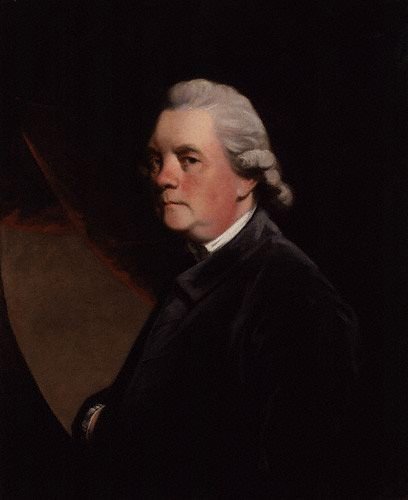
Morning Thought" from "Mason's Spiritual Treasury"
(William Mason) - (1719 – 29 September 1791)
"He that believeth on him is not condemned." - John 3:18.
Dost thou believe on the Son of God? is the most important question in the world. Faith in Jesus is the "one thing needful." Without this the day of life is a state of sin and condemnation. The night of death, full of terror; and the day of judgment, most dreadful. It cannot be otherwise. As we are all malefactors, under the sentence of the law, the thoughts of execution must be most alarming. But 'what the eye doth not see, the heart doth not rue.' Sin naturally blinds men's eyes, hardens their hearts; and vain self-righteous hopes deceive their souls into an insensibility of their undone state.
What a special mercy to know one's self! what distinguishing grace to know Jesus! what peculiar favor to know one is delivered from condemnation by him! This is the joyful privilege of every believer. Though the law condemns him as a transgressor, yet God doth not impute sin, but imputeth righteousness unto him: a righteousness which is equivalent to every demand of the law; even the perfect righteousness of the ever-blessed man and mediator Jesus, our brother, our surety in the flesh. Therefore we are not condemned.
Sin cannot condemn us; it is all atoned for by the blood of Jesus. The law cannot condemn us; that is satisfied: yea more, it is magnified and made honorable by the obedience of the God-man Jesus, more so than it could have been by all the obedience of a world of innocent spotless saints, or of the whole company of the heavenly host of angels and archangels. The justice of God cannot condemn us: for what charge can the strictest justice bring against a righteous person? God's faithfulness and truth cannot condemn, they are engaged in the behalf of the righteous. "God is faithful and just to forgive us;" and his love and mercy embrace such on every side; for the righteous Lord loveth righteousness.
Lo, thus is the man blessed that believeth in Jesus: Righteous in Christ, through faith; yet not faith, but Jesus is his righteousness. By faith he ever glories in Jesus as his all in all. He that abides in Jesus, enjoys—what? perfect freedom from the being of sin? No. But this blessedness, perfect freedom from all condemnation for sin. He brings forth fruitto the glory of God; he is an heir of "the inheritance among them who are sanctified by the faith which is in Jesus."—Acts 26:18.
What thou hast spoken in the word,
Apply unto my conscience, Lord;
That faith may echo back the sound,
And love, and joy, and peace abound.
Who shall condemn! Faith boldly cries,
I have a friend beyond the skies:
If Satan, sin, and law beset,
My Surety doth from all acquit.
Comments
Your comment has been submitted and is awaiting moderation. Once approved, it will appear on this page.
Be the first to comment!