Summary
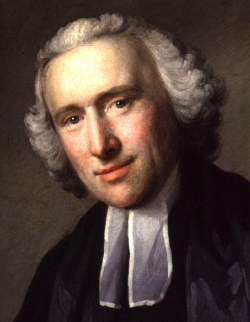
William Romaine argues that true humility—rooted in an accurate assessment of one's own sinfulness and helplessness—is essential to Christian growth and Christlikeness. He contends that God's grace works to keep believers in a state of lowliness, exposing the "stirrings of corruption" and mortifying self-righteousness so that trust is placed entirely in Christ rather than in one's own spiritual attainments or improved character. Romaine emphasizes that genuine grace produces dissatisfaction with self that drives the believer to Christ, making Him more precious as one recognizes the exceeding sinfulness of sin and one's complete dependence on His righteousness and sufficiency.
Questions Answered in This Article
What does the Bible say about humility?
The Bible emphasizes the importance of humility, instructing believers to trust in God rather than themselves.
Moreover, Romans 12:3 encourages believers to think of themselves with sober judgment, reflecting the essence of humility in recognizing that any good in us is a result of God's grace. This understanding allows believers to serve God and others effectively without falling into self-righteousness. As we cultivate a humble heart through the workings of the Holy Spirit, we become more aware of our sins and unworthiness, which in turn magnifies the beauty and sufficiency of Christ's redeeming work.
James 4:6, Matthew 5:3, Romans 12:3
Why is humility important for Christians?
Humility is crucial because it fosters dependency on God and acknowledges our need for His grace.
Moreover, a humble heart enables believers to see their own sins and miseries more clearly, leading to a greater appreciation for Christ's righteousness and grace. The Apostle Paul underscores this in 1 Corinthians 1:27-29, where he explains that God chooses the foolish things of the world to shame the wise. This profound truth reveals that humility allows us to embrace our weakness, making us recipients of divine strength and wisdom. Ultimately, humility brings us closer to Christ, who is our greatest treasure and source of true life.
1 Corinthians 1:27-29
How do we know God's grace is at work in our lives?
We can discern God's grace through a growing sense of humility and an increasing trust in Christ.
Additionally, the more we experience the stirrings of sin, the more our hearts should be drawn to Christ, recognizing Him as our only hope. The desire for personal holiness, if rooted in true grace, should not lead us to self-satisfaction but rather to a deeper dependence on Jesus. Through this ongoing process of humility and reliance on God's grace, we are continuously molded into the image of Christ, which is the ultimate evidence of His work within us.
Philippians 2:13
A humble man can come to no harm; he will be ever trusting in the Lord because he finds nothing in himself to trust in, while he gives great glory to God by trusting much in Him. God gives him great grace, and this is to keep alive an abiding sense of what he is in himself; to show him his ignorance and helplessness, to open him daily more of the mystery of iniquity, to discover to him the stirrings of corruption which others feel not, and to make him sensible of these, even in duties and ordinances, that he may loath himself and his very best works. These are the fruits of true grace, and he that is under the teachings of the Holy Spirit will abound in them. The more God does in the heart, the more He humbles it. The great design of His grace is to bring the proud sinner low, and then to keep him low.
When He hath brought us low, we do not like to be kept there, we want to get up again: our foolish desire is, that He may do something in us for which we have a good opinion of ourselves; and so with this thought we are apt to wish, Oh that I were more holy! Oh that I could pray better! Oh that I was more spiritual in duties! Oh that I was thankful enough! If you could come to the true nature of these wishes (precious as they appear), you would find them to spring from the secret workings of a proud, self-righteous spirit; take off their cloak of holiness, and their meaning is this, "I wish God would give me something for which I might be pleased with myself." If this was the case, would not the eye be turned inward upon this very good self, and be drawn off from looking unto Jesus? And so far as self is made something, Christ is made nothing! You may depend upon this as one of the surest axioms of divinity: Whatsoever it be that makes you pleased with yourself, that is not true grace, and whatsoever makes you displeased with yourself, is not true grace, unless it bring you humble to Christ and makes you put more trust in Him.
The Lord teaches you these things practically. I have learned them by long experience. Though I know but little, yet I am getting on in Christ's school, and hope soon to be in the lowest form, for there we learn most and fastest; we there depend entirely upon the teaching of our Divine Master, who reveals His secrets to none but babes. A new-born babe depends on the care of its parents, so must we depend on God, on Christ our Prophet and Teacher- and when we are brought thus humble, He will then make known to us what He hides from the wise and prudent. I would therefore wish you the humblest man upon earth: then, not only you may know most, but love most. He that feels his sins and miseries, his vileness and unprofitableness, with the deepest loathings of then is in the fittest way to love Christ. If he is an experienced believer, the feelings of these sins and miseries will make Christ more precious; the more he finds of the exceeding sinfulness of sin, the more will he trust in Christ's righteousness; and the more misery he knows, the more he desires salvation: all will make Jesus more dear and lovely. His own vileness sets forth Christ's grace; his unworthiness the worthiness of the Lamb, the sufficiency of Jesus, who is all in all.
Comments
Your comment has been submitted and is awaiting moderation. Once approved, it will appear on this page.
Be the first to comment!