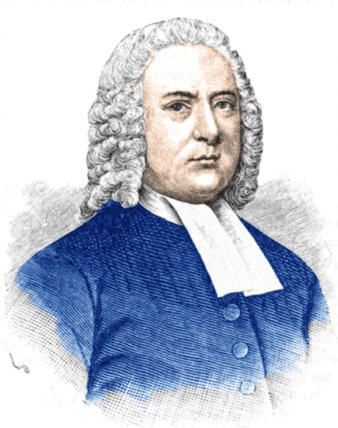
John Gill argues that God's electing love extends to His people while they remain in a state of nature and sin, evidenced by Christ's atoning death for the ungodly (Rom. 5:6-10) and the Spirit's effectual calling of the spiritually dead (Eph. 2:4-5, Titus 3:4-6). He identifies three supreme instances of God's love preceding conversion: the covenant gift of Himself, the gift of His Son's sacrificial death, and the gift of the Spirit for regeneration—gifts unmatched by any post-conversion blessings. Rather than encouraging licentiousness, this doctrine of God's prior, unmerited love places believers under greater obligation to glorify Him than any conditional love ever could.
What does the Bible say about God's love for His people in their sin?
The Bible expresses that God's love for His elect exists even when they are in a state of sin, demonstrated through Christ's sacrifice.
Moreover, God's special grace is evident in the quickening of His elect when they are spiritually dead. Ephesians 2:4-5 expresses this, stating, 'But God, who is rich in mercy, for his great love wherewith he loved us, even when we were dead in sins, hath quickened us together with Christ.' This act embodies a profound display of divine love, emphasizing that He initiates the relationship, granting new life and spiritual vitality even to those unable to save themselves.
What does the Bible say about God's love for His people in their sin?
The Bible teaches that God's love for His elect remains steadfast even while they are in sin, as evidenced by Christ's sacrificial death on their behalf.
In Ephesians 2:4-5, we see that 'God, who is rich in mercy, for his great love wherewith he loved us, even when we were dead in sins, hath quickened us together with Christ.' This profound love is foundational to the Christian faith, revealing that our standing before God is not based on our righteousness but solely on His mercy and grace. It is through this lens that we can understand the depth of God's commitment to His people, even when they are in a state of rebellion against Him.
How do we know God's love is true?
God's love is evidenced through the sacrifice of Christ for our sins and His continual presence in the believer's life.
Furthermore, the Holy Spirit's work in the hearts of believers serves as a testament to God's ongoing love. In Titus 3:5, we see that 'according to his mercy he saved us, by the washing of regeneration and renewing of the Holy Ghost.' This transformation from a state of sin to one of grace is an assurance of God's love, as He continually seeks to draw His people closer to Him, engaging in their lives and bestowing His blessings.
How do we know God's love for His elect is true?
We know God's love is true as it is demonstrated through the life, death, and resurrection of Jesus Christ, fulfilling the promise of salvation for the elect.
Moreover, the concept of effectual calling emphasizes that God's love extends into the hearts of the elect at a time known to Him, leading them to salvation. In this way, God's love is proven as He does not leave His people in their state of sin but actively brings them to repentance and faith—a fulfillment of His covenantal promises. Therefore, the historical acts of redemption and ongoing work of the Holy Spirit solidify the certainty of God's enduring love.
Why is God's love important for Christians?
God's love is crucial for Christians as it forms the foundation of their faith, ensuring their salvation and encouraging obedience.
Additionally, God's love has profound implications for Christian living. As believers, acknowledging that God loved us even in our state of sin constrains us to live out of gratitude and worship. As articulated in Romans 12:1, in light of God's mercies, we are to present our bodies as living sacrifices, holy and acceptable, which is our reasonable service. This perspective fosters not only a sense of obligation to serve and honor God but also reinforces the joy and assurance of our identity in Christ, empowering believers to glorify Him through their lives. The realization of being loved despite our flaws transforms our understanding of grace and leads to an authentic life of faith.
Why is understanding God's love during our sinful state important for Christians?
Understanding God's love for us in our sinful state fosters gratitude and motivates Christians to live in accordance with His will.
Furthermore, this understanding serves to motivate Christians towards holiness. When we recognize that God loved us first, even in our rebellion, we are compelled to respond by living in a way that honors Him. The knowledge of God's prior love urges believers to strive for good works not as a means to earn favor, but to express appreciation for the immense grace received—a dynamic that inspires genuine discipleship and obedience to God's commands.
There are instances to be given of God's love to his elect, while they are in a state of nature. Christ's coming into this world, and dying in the room and stead of the elect, are, at once, proofs, both of his own and his Father's love to them; God so loved them, as to give his only begotten Son; and Christ so loved them as to give himself for them, in a way of offering and sacrifice for their sins; at which time they were considered as ungodly, as being yet sinners, as enemies in their minds, by wicked works, and without love to God: for the apostle says, When we were yet without strength, in due time Christ died for the ungodly. God commendeth his love towards us, in that while we were yet sinners, Christ died for us; for if when we were enemies we were reconciled to God by the death of his Son, much more being reconciled, we shall be saved by his life. Now certainly these persons were in a state of nature, who are said to be 'without strength', to be ungodly, sinners, 'and enemies'; and yet God commended his love towards them, when and while they were such, in a matchless instance of it: and so the apostle John makes use of this circumstance, respecting the state of God's elect, to magnify, to set off, and illustrate the greatness of God's love: Herein is love, says he, not that we loved God, but that he loved us, and sent his Son to be the propitiation for our sins. From whence it may strongly be concluded that God loved his people while in a state of nature, when enemies to him, destitute of all grace, without a principle of love to him, or faith in him.
Again, the quickening of God's elect, when dead in trespasses and sins, the drawing of them to Christ with the cords of powerful and efficacious grace in effectual vocation, are instances of his special grace and favour, and fruits and effects of his everlasting love to them God who is rich in mercy, for the great love wherewith he loved us, even when we were dead in sins, hath quickened us together with Christ. The time of the effectual vocation of God's people being come, fixed in his everlasting counsels and covenant, it is a time of open love to their souls, and that time becomes a time of life; for seeing them wallowing in their blood, in all the impurities of their nature, fulfilling the desires of the flesh, and of the mind, he says unto them, when in their blood, live; yea, when in their blood he says unto them, live. The Spirit of God, as an instance of God's love, is sent down into their hearts in order to begin, carry on, and finish a work of grace, when he finds them in a state of nature, dead in sin, devoid of all grace, impotent to all that is spiritually good: We ourselves also, says the apostle, were sometimes foolish, disobedient, deceived, serving divers lusts and pleasures, living in malice and envy, hateful and hating one another, when the kindness and love of God our Saviour toward man appeared; not by works of righteousness which we have done, but according to his mercy he saved us, by the washing of regeneration, and renewing of the Holy Ghost, which he shed on us abundantly, through Jesus Christ our Saviour.
If God did not love his elect, while in a state of nature, they must for ever remain in that state, since they are unable to help themselves out of it; and it is only the love, grace and mercy of God, which engage his almighty power to deliver them from thence. There are three gifts and instances of God's love to his people before conversion, which are not to be matched by any instance or instances of love after conversion; the one is the gift of God himself to them in the everlasting covenant; which covenant runs thus: I will be their God, and they shall be my people: The other is the gift of his Son, to suffer and die in their room and stead, and so obtain eternal redemption for them: the third is the gift of his Spirit to them, to convince them of sin, of righteousness, and of judgement. And now what greater instance is there of God's love to his people after conversion? If the heavenly glory, with all the entertaining joys of that delightful state, should be fixed upon, I deny it to be a greater instance of God's love, than the gift of himself, his Son, and Spirit; and, indeed, all that God does in time, or will do to all eternity, is only telling his people how much he loved them from everlasting; all is but as it were, a comment upon, and an opening of that ancient act of his; nor has this doctrine any tendency to licentiousness, or to discourage the performance of good works. The consideration of this, that God loved me before I loved him, nay, when I was an enemy to him: that his thoughts were employed about my salvation, when I had no thoughts of him, nor concern for myself, lays me under ten thousand times greater obligations, to fear, serve and glorify him; than such a consideration as this, that he began to love me when I loved him, or because I have loved him, can possibly do.

Comments
Your comment has been submitted and is awaiting moderation. Once approved, it will appear on this page.
Be the first to comment!