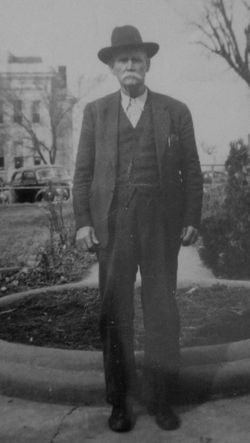
Jonas C. Sikes presents God's eternal decree as a foundational doctrine affirming God's absolute sovereignty and foreknowledge over all creation and human affairs. Through poetic argumentation, Sikes defends divine decree against the charge that it makes God the author of sin, using biblical examples such as Pharaoh's hardened heart (Exodus) and Judas's betrayal (which Christ affirmed as predetermined) to demonstrate that God's foreordination of events does not eliminate human responsibility or divine justice. Sikes resolves the apparent tension between God's certain knowledge and human agency by asserting that certainty and decree necessarily coexist—without God's decree establishing all things, His omniscience would be impossible, and all things would be left to chance rather than governed by divine wisdom and purpose.
What does the Bible say about God's decree?
The Bible teaches that God's decree encompasses all events and actions, ensuring His sovereign will is executed in every aspect of creation.
Romans 8:28-30, Ephesians 1:4-5
How do we know God's decree is true?
We know God's decree is true through consistent biblical teaching and the fulfillment of God's sovereign plan throughout history.
Isaiah 46:10
Why is understanding God's decree important for Christians?
Understanding God's decree is vital for Christians as it provides assurance of His sovereignty and purpose in their lives.
Romans 8:28
If Jehovah is Infinite in all His ways,
Giving life to man and numbering his days,
Who dares to impeach Him if in His wise plan
He gave shape and direction to the ways of man?
If He in His wisdom did all things create,
Should He turn loose the helm, leave things to Fate?
Did He not have a right in His sinless decree
To mark the way for both you and for me?
If He did decree just what we should do,
I cannot arraign Him, say brother, can you?
Before whom will you try Him as judge of your court?
Who will act as your clerk and make your report?
If all things are in the decree of His will
And all things are working the same to fulfill,
Who but a vile sinner too wicked to bow,
Would call Him in question or say, What doest thou?
If He decree the death of His only Son,
The sinless, the righteous, the most Holy One,
And this did not make Him the author of sin,
To make Him the author, where will you begin?
Will you begin with Judas whose act was foretold,
And as was determined His Master he sold?
Did not the dear Savior say woe to that man,
I go as determined in God's holy plan.
If Pharoah be one you think would no doubt,
Prove that God's purpose was not carried out,
Did not God command him by Moses you know?
Saying, thus sayeth Jehovah, let My people go.
Yet will I harden, yes, harden his heart,
That he shall refuse and not let them depart,
Till I bring My just plagues on all of your foes,
And thus get Me honor on him and his host.
Yet sinners most wicked will oft Him arraign
Against His just counsel, they often complain,
And say, if He decreed all things to the end,
Then He is unjust and the author of sin.
The heathen may rage and imagine vain things,
The lowest, the highest, yea, even their kings,
And shout till the world hear the sound of their din,
The author, the author, the author of sin.
His saints will still praise Him and shout as they go,
Jehovah most holy all things doth foreknow;
His counsel did settle just how they should be,
So shout on you heathen, you don't disturb me.
We learn from an angel that time shall soon end,
And saints shall be welcomed by Jesus, their friend,
This all is established by holy decree,
For this it is written, and thus it shall be.
If all things are certain, then how came them so?
If things were not certain, how could God foreknow?
Were all things to which foreknowledge relate
Made certain by the old heathen goddess of Fate?
We surely know at a thought or a glance,
That things are not left to haphazard or chance,
Will some please tell me that I may once see,
How things can be certain, yet uncertain be?
Now, while you are thinking, I'll come to a halt,
If you don't see the point, it isn't my fault;
But, brother, please tell me how this thing can be?
All things were made certain without a decree.

Comments
Your comment has been submitted and is awaiting moderation. Once approved, it will appear on this page.
Be the first to comment!