Bootstrap
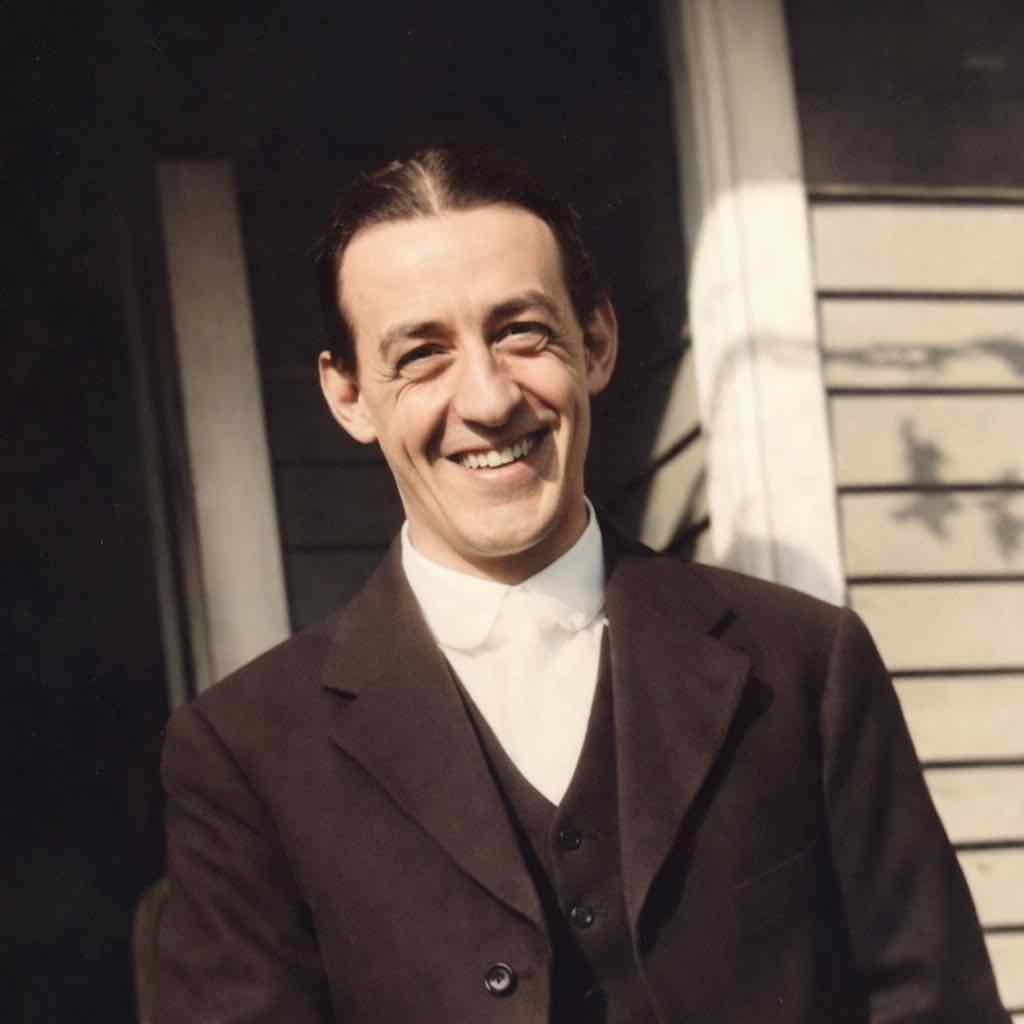
Arthur W. Pink

#4 The FOREKNOWLEDGE of God

Amos 3:2; Romans 8:29
Arthur W. Pink April, 24 2025 Audio
0 Comments
"For those whom God foreknew, He also predestined to be conformed to the likeness of His Son." Romans 8:29

To "foreknow," in the language of Scripture, is far more than mere foresight. It is not a passive awareness of future events, as though God simply looked down the corridors of time to discover who would believe. No! God's foreknowledge is sovereign, intimate, and effectual. It means that He set His love upon His chosen ones from all eternity. He foreknew because He foreordained; He foreordained because He delighted to do so according to His good pleasure.
When the Lord declared, "You only have I known of all the families of the earth" (Amos 3:2), He meant, "You only have I loved and chosen." To be foreknown by God is to be the object of His everlasting affection—personally, purposefully, and eternally. It is not that He saw something in us worth loving, but that He loved us because He chose to do so. His love is not reactive; it is causative. It is not drawn forth by anything in us, but flows solely from the depths of His sovereign grace.
If God's foreknowledge were dependent upon our future faith, then salvation would ultimately rest upon man. But Scripture allows no such thought. The Lord is not a spectator in redemption—He is the Author. His foreknowledge is not based on human decisions, but upon His eternal decree. He has chosen His people in Christ before the foundation of the world, and He is conforming them to the image of His Son, to the praise of His glorious grace.
How this truth humbles the sinner, and exalts the Savior! Why am I in Christ today? Not because I was more inclined, more teachable, or more spiritual—but because God, in His infinite mercy, set

In A. W. Pink's sermon on the foreknowledge of God, he elucidates the doctrine of divine foreknowledge as it pertains to God's sovereign choice of His elect. Pink emphasizes that God's foreknowledge is not mere foresight but a sovereign act rooted in His love and purpose, distinguishing between God's intimate knowledge of the elect and a passive observation of future events. He supports his arguments primarily through Romans 8:29, explaining that being foreknown equates to being purposefully and affectionately chosen by God, stressing that this love is initiated by God’s grace rather than any perceived worthiness in humanity. The sermon highlights the significance of this doctrine in Reformed theology as it humbles sinners by revealing God's unilateral action in salvation, ultimately bringing assurance and peace to believers in their eternal security.

Key Quotes

“God's foreknowledge is sovereign, intimate, and effectual. It means that He set His love upon His chosen ones from all eternity.”

“His love is not reactive, it is causative. It is not drawn forth by anything in us, but flows solely from the depths of His sovereign grace.”

“If God's foreknowledge were dependent upon our future faith, then salvation would ultimately rest upon man.”

“To be foreknown by the Almighty is to be eternally loved, eternally kept, and eternally His.”

What does the Bible say about God's foreknowledge?

God's foreknowledge is sovereign and intimate, meaning He set His love on His chosen ones from eternity.

The Bible describes God's foreknowledge as more than mere foresight; it is a sovereign and intimate decision to love those He has chosen. As seen in Romans 8:29, God foreknew those He predestined to be conformed to the likeness of His Son. This indicates that His love is not based on anything we might do or be, but stems from His eternal decree and good pleasure. God's foreknowledge is causative, flowing solely from His grace, rather than being a response to human actions or decisions.

Romans 8:29, Amos 3:2

How do we know predestination is true?

Predestination is rooted in Scripture, which affirms God's choice of His people before the foundation of the world.

Scripture confirms the reality of predestination by stating that God chose His people in Christ before the foundation of the world, as seen in passages like Ephesians 1:4-5. This doctrine emphasizes that God's foreknowledge is not contingent upon human decisions, but instead is a part of His eternal plan. God's action in choosing specific individuals to be conformed to the image of His Son underscores His sovereignty and mercy. Since salvation originates from God and not from mankind, we can trust in the truth of predestination as an expression of His sovereign grace.

Ephesians 1:4-5, Romans 8:29

Why is the concept of foreknowledge important for Christians?

Understanding God's foreknowledge strengthens faith by affirming His sovereign love and eternal plans for believers.

The concept of God's foreknowledge is crucial for Christians as it reassures believers of their eternal security and God's unwavering love. If God's love and foreknowledge are based on His sovereign choice, then our salvation is secure, not dependent on our actions or inclinations. This nurtures a deep sense of peace and gratitude, as we recognize that we are chosen and loved despite our unworthiness. Embracing this truth humbles us, leading us to worship and glorify God for His electing grace, assuring us that He will fulfill His promises and complete the work He began in each believer.

Romans 8:29, Ephesians 1:4-5

Sermon Transcript

Auto-generated transcript • May contain errors

100%
The foreknowledge of God. For those whom God foreknew, he also predestined to be conformed to the likeness of his son. Romans chapter 8 verse 29.

To foreknow, in the language of scripture, is far more than mere foresight. It is not a passive awareness of future events, as though God simply looked down the corridors of time to discover who would believe. No. God's foreknowledge is sovereign, intimate, and effectual. It means that He set His love upon His chosen ones from all eternity. He foreknew because He foreordained. He foreordained because He delighted to do so according to His good pleasure.

When the Lord declared, You only have I known of all the families of the earth, He meant. You only have I loved and chosen. To be foreknown by God is to be the object of His everlasting affection, personally, purposefully, and eternally. It is not that He saw something in us worth loving, but that He loved us because He chose to do so. His love is not reactive, it is causative. It is not drawn forth by anything in us, but flows solely from the depths of His sovereign grace.

If God's foreknowledge were dependent upon our future faith, then salvation would ultimately rest upon man. But Scripture allows no such thought. The Lord is not a spectator in redemption. He is the Author. His foreknowledge is not based on human decisions. but upon His eternal decree. He has chosen His people in Christ before the foundation of the world, and He is conforming them to the image of His Son, to the praise of His glorious grace.

How this truth humbles the sinner and exalts the Savior. Why am I in Christ today? Not because I was more inclined, more teachable, or more spiritual. but because God, in His infinite mercy, set His heart upon me long before I ever sought Him. He called me by name, gave me faith, and keeps me by His power. My security lies not in my hold on Him, but in His omnipotent hold on me. What deep peace this brings to the trembling soul!

God's foreknowing love is unchanging, and His purposes are unshakable. He will finish what He began. To be foreknown by the Almighty is to be eternally loved, eternally kept, and eternally His. Let us therefore bow in wonder and worship. Let us lay our pride in the dust. We are known, not merely as names on a page, but as beloved children, purposed in Christ before time began.

O Lord, how glorious are your eternal purposes, and how unfathomable is your electing love, that you would set your affection on a sinner like me, overwhelms my soul. Keep me ever low in my own eyes, and high in praise of your sovereign grace. May I rest in your eternal will, walk humbly before you, and rejoice that I am yours, forever loved, forever secure, forever conformed to Christ. In his precious name I pray. Amen.
Arthur W. Pink
About Arthur W. Pink
Arthur Walkington Pink (1856-1952) was an English Bible teacher who sparked a renewed interest in the exposition of the doctrines of Grace otherwise known as "Calvinism" or "Reformed Theology" in the twentieth century.

Broadcaster:

Comments

0 / 2000 characters
Comments are moderated before appearing.

Be the first to comment!

1
Joshua

Joshua

Shall we play a game? Ask me about articles, sermons, or theology from our library. I can also help you navigate the site.