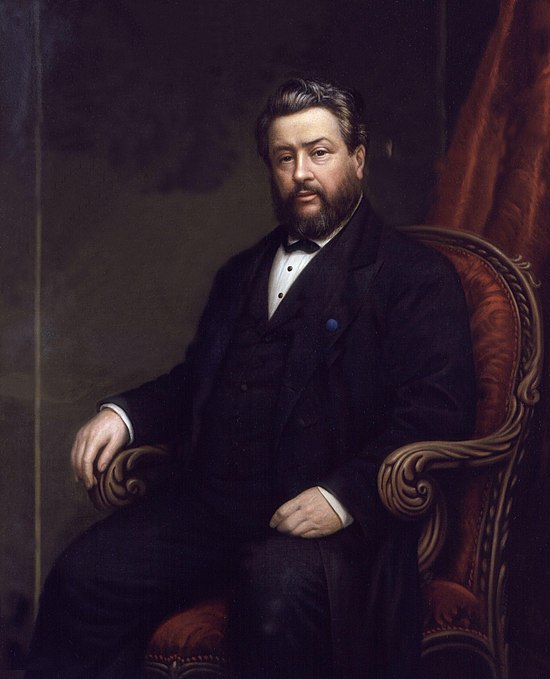
The sermon by C. H. Spurgeon focuses on the doctrine of hope in the redemption of sinners, emphasizing the transformative power of Jesus Christ for those who may seem beyond saving. Spurgeon asserts that persistent prayer is vital, as illustrated through the story of a woman who prayed for her unsaved husband despite his continued rebellion. He references 1 Timothy 1:15, which describes Christ coming to save sinners, and Luke 5:32, reinforcing that Jesus calls sinners to repentance, underscoring no one is beyond hope. The practical significance of this sermon lies in its encouragement for believers to continue praying for loved ones, as God can use even the most unexpected means to draw people to Himself.
Key Quotes
“Never give up hope for your loved ones, for the Lord may even use a dog to bring them to Jesus when you are dead and gone.”
“You may imagine that your case is altogether hopeless, but you are just the sort of person that Jesus saves.”
“This is a trustworthy saying, worthy of full acceptance. Christ Jesus came into the world to save sinners, of whom I am the worst.”
The Bible assures us that Christ came to save sinners, highlighting that no one is beyond redemption.
The Bible, particularly in 1 Timothy 1:15 and Luke 5:32, emphasizes that Jesus came to call sinners to repentance, not the righteous. This reflects core Reformed theological beliefs that every individual is in desperate need of salvation due to sin. The assurance that Christ can save anyone, regardless of their past, underlines the doctrine of total depravity and the necessity of grace. This means that even those who seem furthest from God are not without hope; God's saving power is sufficient to reach them, illustrating the immense grace available through Jesus Christ.
1 Timothy 1:15, Luke 5:32
Prayer is powerful because it connects us to God's will and can lead to miraculous outcomes, including salvation.
The sermon recounts the story of a woman who prayed for her unsaved husband, demonstrating that persistent prayer plays a critical role in the spiritual lives of those we love. Such accounts testify to the truth that no case is truly hopeless while Jesus lives. The narrative of the dog leading the husband to church illustrates how God can orchestrate events through our prayers. This powerful depiction of prayer aligns with the Reformed understanding of God's sovereignty, reinforcing that He can use any means necessary, even unconventional ones, to lead His elect to salvation. Thus, we can confidently know that prayer is a fundamental avenue through which God works to fulfill His saving purposes.
1 Timothy 1:15, Luke 5:32
It's vital to persist in prayer because God can work through our faithfulness to bring about change in others' lives.
Christians are encouraged to persist in prayer for their loved ones because, as illustrated in the sermon, there is always hope for redemption. The narrative highlights that even in seemingly hopeless situations, such as the sinner's distance from God, God can intervene at any moment. The man's eventual conversion—attributable to his late wife's prayers—serves as a powerful reminder that God hears and responds to our prayers in His perfect timing. This reflects the Reformed view that while we rely on grace, our efforts in prayer are a means of grace and conform to God's sovereign plan. Therefore, Christians must remain steadfast, for it aligns with the belief in God's faithfulness and ability to save even the hardest of hearts.
1 Timothy 1:15, Luke 5:32
Comments
Your comment has been submitted and is awaiting moderation. Once approved, it will appear on this page.
Be the first to comment!
