Bootstrap
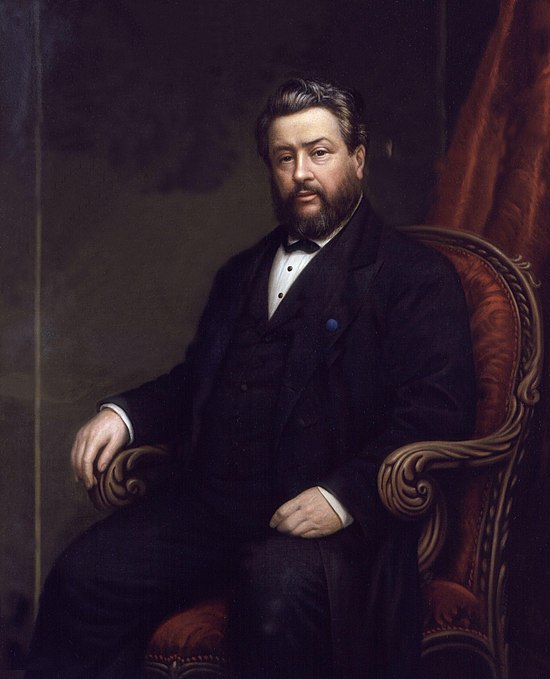
Charles Spurgeon

If we had the arranging of our own lives, and the disposing of all events

Job 1:21; Romans 8:28
Charles Spurgeon May, 18 2026 Audio
0 Comments
We highly suggest that you READ the TEXT at the link below, as you listen to the audio above.

https://gracegems.org/2026/

Feel free to FORWARD this gem to others!

In this sermon, C. H. Spurgeon addresses the doctrine of divine providence, emphasizing that God's ways and purposes are often beyond human understanding. He argues that though individuals may struggle to discern the reasons behind their trials, they must trust that God has wise and loving intentions for each circumstance, as illustrated by Job 1:21 and Romans 8:28. Spurgeon stresses that if one possessed God's wisdom and knowledge, they would not wish to alter their life's events, for they would recognize that God's choices for them are ultimately for their good. The significant takeaway is that believers are called to an unwavering trust in God's providence, acknowledging His supreme wisdom in the midst of suffering and trials, thus fostering peace in their hearts.

Key Quotes

“If you could have a mind like God, then you would exactly act as God does, even in this matter that now troubles you.”

“The Father's will must be better for the child than its own will.”

“Had we the choosing of our lot, and could we see the end from the beginning, then we would say, Lord choose for me.”

“If we rightly understood God's infinite love for His redeemed children and His perfect wisdom, then we would approve and even choose the exact providential dealings which He has already appointed for us.”

What does the Bible say about God's purpose in our trials?

The Bible teaches that God has a wise and kind purpose behind our trials, even if we cannot always understand it (Romans 8:28).

In Romans 8:28, the apostle Paul assures us that 'all things work together for good to those who love God.' This affirms that God has a purposeful intention behind our trials and afflictions. While we may struggle to grasp the design of the Almighty in our sufferings, we must rest in the truth that His purposes are wise and benevolent. These trials are meant to refine us, drawing us closer to Him and deepening our faith, as we learn to rely on His wisdom rather than our limited understanding.

Romans 8:28, Job 1:21

How do we know God's ways are better than ours?

Scripture teaches that God's thoughts and ways are higher than our own, indicating that He knows what is best for us (Isaiah 55:8-9).

Isaiah 55:8-9 highlights the vast difference between God's thoughts and ours: 'For my thoughts are not your thoughts, nor are your ways my ways.' This illustrates that our understanding is limited, while God's is infinite and perfect. Consequently, when we face trials, we must remember that our Heavenly Father's will is for our ultimate good. If we were as wise as God, we would choose the same path He has set for us, realizing that His sovereign hand guides all events for our growth and sanctification.

Isaiah 55:8-9

Why is trusting God during difficult times important for Christians?

Trusting God during difficulties is vital as it shows our reliance on His sovereign love and wisdom in every situation (Proverbs 3:5-6).

Proverbs 3:5-6 encourages us to 'trust in the Lord with all your heart and lean not on your own understanding.' Trusting God, especially in trials, is crucial for Christians because it affirms our faith in His providence. Recognizing that God orchestrates all circumstances for our growth helps us endure hardships with hope and peace. When we trust Him, we acknowledge that His eternal perspective is far more significant than our immediate struggles, leading us to rely on His strength and comfort.

Proverbs 3:5-6

What does it mean that God works all things for good?

It means that God sovereignly orchestrates every event in our lives, ensuring it ultimately serves a good purpose for those who love Him (Romans 8:28).

The phrase 'God works all things for good' in Romans 8:28 emphasizes the sovereignty of God in the lives of His people. It assures us that even the most challenging circumstances are under His control and are being used for our spiritual benefit. This doctrine of providence highlights that every trial can refine our character and lead us to a deeper knowledge of God's love and faithfulness. Our sufferings have a significant role in shaping our faith, making us more Christlike, and helping us appreciate the grace of God's redeeming plan.

Romans 8:28

Sermon Transcript

Auto-generated transcript • May contain errors

100%
if we had the arranging of our own lives and the disposing of all events. By Charles Spurgeon Dear Friend, In the matter of your present trial and trouble, you have been trying to figure out the design of the Almighty, but without success. you must realize that his ways are past finding out.

In all probability, you may never discover God's purpose in your present trial, on this side of eternity. but that he has a purpose is certain, and his purpose is a wise and kind one. It is such as you yourself would delight in, if you were capable of understanding it. If you could have a mind like God, then you would exactly act as God does, even in this matter that now troubles you. At present your thoughts are far below those of God, and therefore you err when you try to measure His ways.

If you have a quarrel with your Heavenly Father about a bereavement or a sickness, then end it at once with humble shame. If it ever comes to a question as to which is right, a poor, ignorant, inexperienced child, or a great, good, wise father, then there cannot be a moment's deliberation. The Father's will must be better for the child than its own will.

Jesus knows what He is doing and why He is doing it. He has a wise and good reason for loss of your health, those pains in your body, your depression of spirit, your lack of success in business, even for the allowance of the cruel tongue of slander to inflict its wounds upon you. In every trial and affliction, we must always trust that Jesus knows what he is doing, and that all he does is done in infinite wisdom and love for us, and so it is the best for us.

If we were as wise as God, then we would do just what he now does with us. If we could see all things as he sees them, then we would order all our affairs exactly as he orders them. Had we the choosing of our lot, and could we see the end from the beginning, then we would say, Lord choose for me. For we would feel that if we were as wise as God, then we would make precisely the same choice which He has made for us. If we had the arranging of our own lives, and the disposing of all events, and were as wise as God, then we would let things stay exactly as they now are. Beloved, if you could be as wise as God, then you would never wish to have a single trial altered. You would desire that the whole course of your life should be precisely as it is.

The Lord has lent me everything that I have, and now that He has called them back, I will bless His name for having let me enjoy them for so long. The Lord gave, and the Lord has taken away. Blessed be the name of the Lord. Before I was afflicted, I went astray, but now I keep your word. It was good for me to be afflicted, that I might learn your statutes.

I know, O Lord, that your judgments are righteous, and that in faithfulness you have afflicted me. We know that God causes all things to work together for good to those who love God, to those who are called according to His purpose. Summary If we rightly understood God's infinite love for His redeemed children and His perfect wisdom, then we would approve and even choose the exact providential dealings which He has already appointed for us.
Charles Spurgeon
About Charles Spurgeon
Charles Haddon Spurgeon (19 June 1834 — 31 January 1892) was an English Particular Baptist preacher. His nickname is the "Prince of Preachers."
Broadcaster:

Comments

0 / 2000 characters
Comments are moderated before appearing.

Be the first to comment!

0:00 0:00