Bootstrap
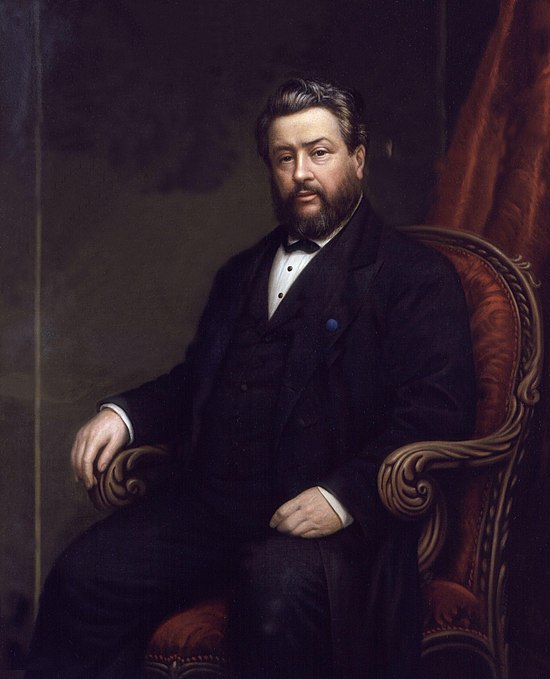
Charles Spurgeon

A perpetual barrier against temptation

Genesis 39:9; Psalm 139:23-24
Charles Spurgeon May, 25 2026 Audio
0 Comments
We highly suggest that you READ the TEXT at the link below, as you listen to the audio above.

https://gracegems.org/2026/a_perpetual_barrier_...

Feel free to FORWARD this gem to others!

Sermon Transcript

Auto-generated transcript • May contain errors

100%
A Perpetual Barrier Against Temptation by Charles Spurgeon Genesis chapter 39 verse 9 How can I do this great wickedness and sin against God? Joseph lived under the influence of the divine presence. Take him, especially when under temptation. Oh, what a mercy it was for him that he was a God-fearing man! Does he say, how can I do this great wickedness and sin against Potiphar? No, yet he would have sinned against Potiphar, who had been a kindly master to him. Does he say, how shall I do this great wickedness and sin against Potiphar's wife? No, but just as David said, against you, you only have I sinned and done this evil in your sight, thus making the main point and consideration to be sin against God Himself.

Oh, if we always felt that God was near, looking steadily upon us, then we would not dare to sin. The presence of a superior, or even a child, often checks a man from doing a sinful thing. In the same way the presence of God, if it were realized, would be a perpetual barrier against temptation, and would keep us walking in holiness.

Men are strangely foolish when they imagine that they can conceal sin. The thief hides from the policeman and the adulterer hides from society. Yet they cannot hide from God. The darkness is as bright as the day to him. The walls of a room are no concealment from the Almighty. Every hidden imagination, every whispered corruption, every unclean thought lies naked before His eyes.

One of the greatest preservatives against sin is the constant recollection that God is present. When a man realizes, you are the God who sees all that I think and do, then pride is humbled, lust is restrained, and sin is checked. The Christian sins most when he forgets the presence of the Lord. But when the heart lives consciously beneath the eye of Jesus, then sin loses much of its seductive power.

The world only sees outward acts, but God reads the inward desires. Human courts can only try visible crimes. The court of heaven weighs thoughts, intentions, motives, and secret affections. The first motion of lust, the hidden root of envy, the silent swelling of pride, all are fully known to God before they ever blossom into outward conduct. This truth should make us tremble at sin in its earliest stages. It is difficult to indulge in sin while consciously standing before the throne of the all-seeing God.

There is no escaping the eye of God. If one climbs the highest mountain, God is there. If one descends into the darkest cavern, God is there also. The deepest sea cannot veil us from His presence, nor can midnight darkness hide us from His sight. Every place is near to God, because He fills heaven and earth.

A religious hypocrite may deceive ministers, churches, friends, and even themselves, but no mask can survive the gaze of God. He sees beneath pious speech and religious activity into the true condition of the soul. Hypocrisy can only flourish where divine omniscience is forgotten. If people truly believed that God searches the heart, then hypocritical religion would quickly wither.

Many sins are committed in solitude because people imagine that no one will find them out. But the empty room is filled with God. The silent hour is observed by God. The closed door does not exclude Him. If people remembered this truth in moments of temptation, many temptations would be abandoned in horror. It is an alarming thought for the ungodly that their every sin is recorded by God. Forgotten sins are not forgotten by Him. Excused sins are not excused before Him. Hidden sins are not hidden from Him.

The conscience may grow dull, and memory may fail, but the Judge of all the earth sees all, and He has an iron memory. To the child of God, divine omniscience is both solemn and sweet. It is solemn because the Lord sees every wandering affection and every sinful inclination. Yet it is sweet because He also sees every secret prayer, every inward battle against temptation, and every sincere desire for holiness. Search me, O God, and know my heart. Test me, and know my anxious thoughts. Point out anything in me that offends you, and lead me along the path of everlasting life.
Charles Spurgeon
About Charles Spurgeon
Charles Haddon Spurgeon (19 June 1834 — 31 January 1892) was an English Particular Baptist preacher. His nickname is the "Prince of Preachers."
Broadcaster:

Comments

0 / 2000 characters
Comments are moderated before appearing.

Be the first to comment!

0:00 0:00