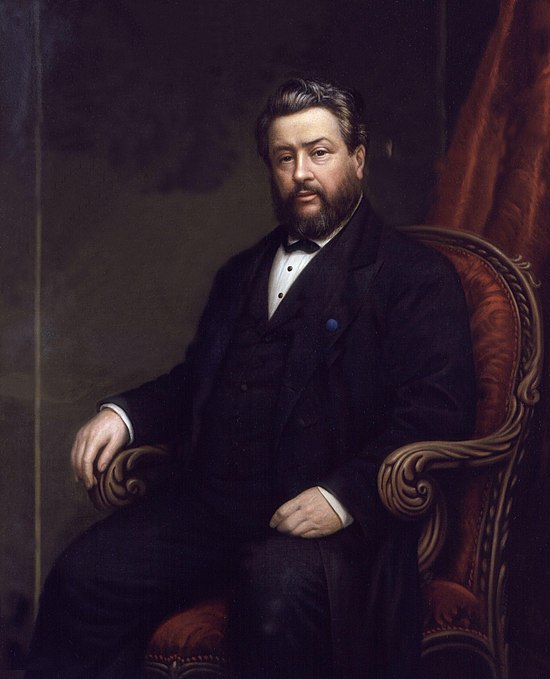
Charles Spurgeon articulates the fundamental distinction between spiritual warfare against sin and error versus personal animosity toward individuals, grounding Christian conduct in the command to love enemies (Matthew 5:44). The Christian soldier fights against spiritual wickedness, false doctrine, and idolatry—not against the persons who hold erroneous beliefs—emphasizing that conflating doctrinal opposition with personal enmity degrades the church's witness and historically enabled persecution of believers. Spurgeon warns against allowing religious controversy to devolve into ad hominem attacks and calls believers to maintain unwavering opposition to false teaching while extending genuine love and prayer toward those deceived by error, reflecting Christ's redemptive purpose for all people.
What does the Bible say about warfare in Christianity?
The Bible teaches that Christians are not at war with people, but with spiritual wickedness and sin.
Furthermore, it is critical for Christians to remember the command to love one another and even to love our enemies, as stated in Matthew 5:44. This love should guide our interactions, even in strong opposition to sin and error. We must maintain a posture of prayer and compassion for those we see as opposed to God, understanding that they are often victims of the very falsehoods we combat. By distinguishing between the error and the person, we avoid dehumanizing those to whom we minister, illuminating the path of grace that God offers to all who will repent and believe.
Ephesians 6:12, Matthew 5:44
How do we know loving our enemies is important in Christianity?
Loving our enemies is a fundamental teaching of Christ, demonstrating God's love and grace.
Moreover, embracing such a posture aids in fulfilling the mission of the Church, which is to witness to the grace of God in Christ. By treating opponents with compassion rather than hostility, we preserve the integrity of our witness and embody the love that Christ has shown to us, encouraging others to turn from sin and seek Him. Ultimately, this love is not merely a suggestion but a command that reflects God's heart towards sinners and affirms our role as peacemakers in a fractured world.
Luke 6:27-28
Why is it important for Christians to distinguish error from people?
Distinguishing error from people allows Christians to combat sin without hating individuals.
Failure to make this distinction can lead to harsh treatment and division within the Church and can result in persecution towards those who may not yet understand the truth. This was historically noted in cases where true believers faced hostility not for their actions, but for their unyielding stance against heresy while forgetting the human cost involved. Therefore, by loving the sinner while hating the sin, Christians not only obey God's commands but also exemplify the grace that should characterize our interactions in a broken world.
Romans 5:8
Christian men are not at war with any man that walks the earth. We are at war with infidelity, but the persons of infidels we love and pray for; we are at warfare with any heresy, but we have no enmity against heretics; we are opposed to, and cry war to the knife with everything that opposes God and his truth: but towards every man we would still endeavour to carry out the holy maxim, "Love your enemies, do good to them that hate you."
The Christian soldier hath no gun and no sword, for he fighteth not with men. It is with "spiritual wickedness in high places" that he fights, and with other principalities and powers than with those that sit on thrones and hold sceptres in their hands. I have marked, however, that some Christian men—and it is a feeling to which all of us are prone—are very apt to make Christ's war a war of flesh and blood, instead of a war with wrong and spiritual wickedness. Have you never noticed in religious controversies how men will fall foul of each other, and make personal remarks and abuse each other? What is that but forgetting what Christ's war is?
We are not fighting against men; we are fighting for men rather than against them. We are fighting for God and his truth against error and against sin; but not against men. Woe, woe, to the Christian who forgets this sacred canon of warfare. Touch not the persons of men, but smite their sin with a stout heart and with strong arm. Slay both the little ones and the great; let nothing be spared that is against God and his truth; but we have no war with the persons of poor mistaken men. Rome we hate even as we abhor hell, yet for her votaries [devoted followers] we ever pray. Idolatry and infidelity we fiercely denounce, but the men who debase themselves by either of them are the objects not of wrath, but pity.
We fight not against the men, but against the things which we consider in God's sight to be wrong. Let us always make that distinction, otherwise the conflict with Christ's church will be degraded into a mere battle of brute force and garments rolled in blood; and so the world will again be an Aceldama—a field of blood. It is this mistake which has nailed martyrs to the stake and cast confessors into prison, because their opponents could not distinguish between the imaginary error and the man. While they spoke stoutly against the seeming error; in their ignorant bigotry they felt that they must also persecute the man, which they need not and ought not to have done.
I will never be afraid to speak out my mind with all the Saxon words I can get together, and I am not afraid of saying hard things against the devil, and against what the devil teaches; but with every man in the wide world I am friends, nor is there one living with whom I am at enmity for a moment any more than with the babe that has just been brought into the world. We must hate error, we must abhor falsehood; but we must not hate men, for God's warfare is against sin. May God help us always to make that distinction.
Comments
Your comment has been submitted and is awaiting moderation. Once approved, it will appear on this page.
Be the first to comment!