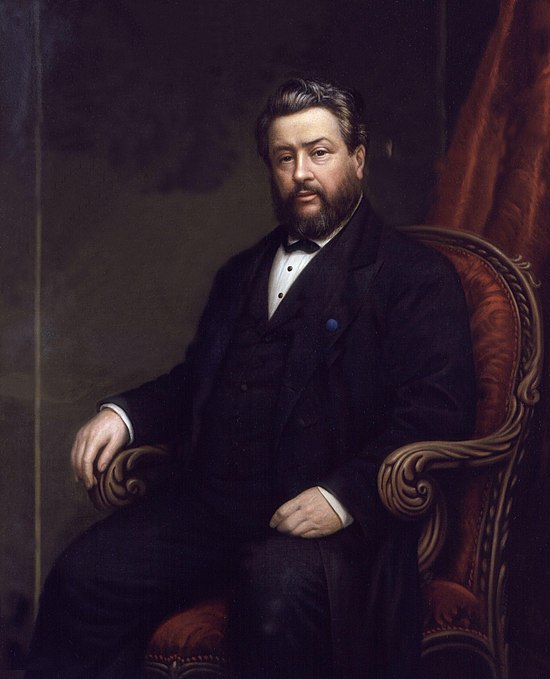
C. H. Spurgeon's sermon "The War of Truth" focuses on the ongoing spiritual battle faced by Christians, likening it to Israel's conflict with the Amalekites as described in Exodus 17:9. He emphasizes that this conflict is not with human adversaries, but with sin, error, and spiritual wickedness, advocating for a warfare characterized by both action and prayer. Spurgeon draws on historical accounts from Scripture to illustrate God’s disapproval of Amalek’s unprovoked attacks, establishing the significance of intercession in spiritual battles, which he relates to Moses' role in supporting the Israelites' fight. He urges the Church to remain vigilant and engaged in this timeless struggle for truth, asserting that the efficacy of their efforts hinges on their commitment to prayer. The message underscores essential Reformed doctrines, such as the sovereignty of God in battle and the importance of human agency in carrying out the Great Commission.
Key Quotes
“We wrestle not with flesh and blood. Christians are not at war with any man that walks on earth. We are at war with infidelity, but the persons of infidels we love and pray for.”
“The Christian soldier has no gun and no sword, for he fights not with men. It is with spiritual wickedness in high places that he fights, and with other principalities and powers...”
“Your prayer, O Moses, without the sword of Joshua, shall not prosper. And the sword of Joshua, without the rod of Moses, shall not be effectual.”
“This warfare in which you are engaged is a hereditary warfare. It is not one which you began, but it is one which has been handed to you from the moment when the blood of Abel cried aloud for vengeance.”
The Bible instructs Christians that their warfare is not against flesh and blood, but against spiritual forces of wickedness (Ephesians 6:12).
The concept of spiritual warfare is critical in the life of a Christian. As noted in Ephesians 6:12, Christians do not battle against flesh and blood but against spiritual forces in high places. This means that the true enemies are not individual people but the sinful influences and deceptions promoted by Satan and his allies. Therefore, the fight involves standing up against sins and errors that oppose God’s truth, all while maintaining a posture of love and compassion towards those who may be deceived by such influences. The call to arms in this context is to engage seriously in the truth of the Gospel and to resist sin, both within and outside the church.
Ephesians 6:12
God supports the fight against sin as it aligns with His will and established order against falsehood and deception (Romans 8:31).
The assurance that God supports the fight against sin lies deep within Biblical teaching. Romans 8:31 declares that if God is for us, who can be against us? This assurance is crucial when confronting sin and falsehood, for it affirms that engaging in this fight is not a solitary endeavor; rather, it is backed by divine authority. God Himself allows His people to participate in this holy battle, equipping them with truth and prayer as their weapons. The act of resisting sin and falsehood is embedded within His will, ensuring that believers fight not with human means but with His guidance and power.
Romans 8:31
Fighting for truth is vital for Christians because it not only defends the faith but also preserves the souls of individuals from eternal perdition (1 Timothy 6:12).
The importance of fighting for truth cannot be overstated within the Christian faith. It serves as the foundation for preserving doctrine, personal faith, and communal integrity. By standing up for truth, Christians engage in a battle that impacts not only their own lives but extends to the souls of others. As highlighted in 1 Timothy 6:12, believers are called to engage in the good fight of faith, ensuring that the Gospel remains unaltered and reaches those who need it. This fight is essential, as it uplifts righteousness, showcases God’s glory, and actively participates in God’s ultimate plan for redemption and salvation. Furthermore, failing to engage in this battle can lead to complacency, moral decay, and a drifting away from sound doctrine.
1 Timothy 6:12
The means of engaging in spiritual warfare include prayer and the active proclamation of truth (2 Corinthians 10:4-5).
Engaging in spiritual warfare requires both active effort and dependence on God through prayer. In 2 Corinthians 10:4-5, it is emphasized that the weapons of our warfare are not of the flesh but have divine power to destroy strongholds. These weapons include the proclamation of God’s truth, teaching and preaching the Gospel, and the power of prayer, which undergirds all efforts. Believers must remember that while they strive against sin and promote truth, their victories are only achieved through reliance on God’s strength and the power of the Holy Spirit. Every act of service and declaration of faith must be accompanied by earnest prayer, as demonstrated by Moses in the battle against Amalek, where victories were tied directly to his intercession on the hill.
2 Corinthians 10:4-5
Comments
Your comment has been submitted and is awaiting moderation. Once approved, it will appear on this page.
Be the first to comment!
