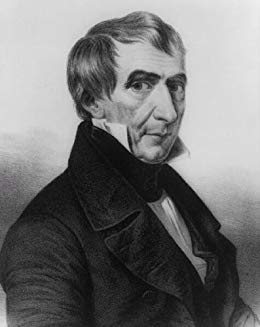
The main theological topic addressed in Henry Law's exposition of Psalm 116 is the profound relationship between prayer, gratitude, and the believer's response to God's mercies. Law highlights key arguments surrounding the nature of God's responsiveness to prayer, asserting that answers to prayer deepen our love and devotion to the Lord. He references Scriptures such as Psalm 116:1-2, which emphasizes God's attentiveness to our supplications, and Psalm 116:15, which speaks to the preciousness of the death of His saints in God's sight. The practical significance of this psalm, as Law articulates, lies in the believer's call to a life of diligent prayer, public acknowledgment of God’s blessings, and a commitment to service—showcasing the Reformed emphasis on God’s sovereignty, grace, and the believer's responsive faith.
Key Quotes
“Senseless is he who ever disregards the answer to the voice of prayer.”
“Under Christ's shadow the soul delights in sweet repose.”
“Faith is no silent grace. When it is lively in the heart, the mouth will celebrate God's praise.”
“Consecration to God's service is perfect freedom.”
What does the Bible say about prayer?
The Bible teaches that prayer is a vital communication with God and encourages believers to call upon Him in times of need.
The Psalmist also reminds us that in distress, prayer is our refuge. While life may bring trials and sorrows, we can seek aid from the Lord who is described as gracious and merciful. He preserves those who are in need and helps them find peace despite their troubles. The act of calling upon the Lord assures us that we are never without His help and care; it solidifies our faith in His promises and leads to an increased love and adoration for Him.
Psalm 116:1-2, 5-6, 10-11
How do we know God's mercy is true?
God's mercy is affirmed through His actions and promises in Scripture, consistently demonstrated in the lives of believers.
Furthermore, the repetition of the prayerful call to God in distress serves to illustrate that believers can consistently expect His mercy. The acknowledgment that he was brought low and that God helped him establishes a pattern of divine intervention in the midst of affliction. This cumulative evidence – both seen in individual experience and in the broader narrative of Scripture – forms a robust foundation for our trust in God's unchanging mercy.
Psalm 116:5-6, 10-14
Why is thanksgiving important for Christians?
Thanksgiving is essential for Christians as it acknowledges God's blessings and fosters a spirit of gratitude and humility.
Moreover, thanksgiving is a form of worship that fosters deeper relationships with God, as it leads to humbly reflecting on His grace in our lives. By remembering and expressing gratitude for God's past mercies, believers cultivate a heart that remains steadfast in faith, especially during times of difficulty. In giving thanks, Christians not only follow the biblical command but also position themselves to experience the fullness of joy that comes from recognizing how God has dealt bountifully with them.
Psalm 116:12-14
What does it mean that the death of God's saints is precious?
The death of God's saints is precious because it is viewed as a significant event in God's plan for His people and a transition to eternal life.
For Christians, the assurance of eternal life brings comfort, knowing that physical death is not the end but a passage into a more profound fellowship with God. God's estimation of believers differs from worldly views, as He recognizes their worth and promises a future filled with eternal joy and communion with Him. Understanding the precious nature of believers’ death fosters hope and courage amid the trials of life, reinforcing a faithful perspective on mortality and the assurance of heavenly glory.
Psalm 116:15
The heart of the Psalmist overflows with gratitude for extraordinary mercies. They all demand devoted praise. May the effect on us be increase of heavenlymindedness!
1-2. "I love the Lord, because He has heard my voice and my supplications.
Because He has inclined His ear to me, therefore I will call upon Him as long as I live."
Senseless is he who ever disregards the answer to the voice of prayer. These answers sweetly constrain us to love the gracious Lord, whose ears are never closed. Moreover, we are thus encouraged to grow more diligent in supplicating cries. The more we pray, the more we gain. The more we gain, the more should we love and adore.
3-4. "The sorrows of death compassed me, and the pains of hell got hold upon me; I found trouble and sorrow. Then called I upon the name of the Lord; O Lord, I beseech you, deliver my soul."
Believers are often brought into the lowest depths of distress. Life seems as a flickering spark; but in all extremities prayer can seek aid and never seeks in vain.
5-6. "Gracious is the Lord and righteous; yes, our God is merciful. The Lord preserves the simple; I was brought low, and He helped me."
The God to whom we thus draw near is full of grace. Tender compassion is ever warm within Him. Experience of this truth is the believer's firmest prop. In frequent need he has never found that help to fail.
7-9. "Return to your rest, O my soul; for the Lord has dealt bountifully with you. For You have delivered my soul from death, my eyes from tears, and my feet from falling. I will walk before the Lord in the land of the living."
Troubles may tend to bring anxiety; but the knowledge of near deliverance keeps peace undisturbed. Under Christ's shadow the soul delights in sweet repose. "You will keep him in perfect peace whose mind is stayed on You." Can he be tossed with fears and doubts who rests in Christ as his ark? Where is the fear of death? It has vanished. A gracious hand, also, wipes away all tears from the eye; the feet, also, no longer totter, but walk firmly in the way of life.
10-14. "I believed, therefore have I spoken. I was greatly afflicted. I said in my haste, All men are liars. What shall I render to the Lord for all His benefits toward me? I will take the cup of salvation, and call upon the name of the Lord. I will pay my vows to the Lord now in the presence of all His people."
Faith is no silent grace. When it is lively in the heart the mouth will celebrate God's praise. Severity of affliction awakens its powers. It is not slow to confess that when it slumbered, hastiness and unseemly utterances found vent. In disregard of all assurances, pettishness prevailed; but the Psalmist in dark hours had thought that fulfillment would not come. But now he felt shame for such distrust. He remembers the holy rites; he vows that he will gladly drink the cup of blessing, and publicly redeem his promises of holy service.
15. "Precious in the sight of the Lord is the death of His saints."
Persecution may wildly rage against God's servants. Their lives may be regarded as mere chaff; but different is God's estimate! They are precious in His sight and the high value placed upon them will be evidenced by the signal retribution which will overtake the cruel murderers.
16-19. "O Lord, truly I am Your servant; I am Your servant, and the son of Your handmaid; You have loosed my bonds. I will offer to You the sacrifice of thanksgiving, and will call upon the name of the Lord. I will pay my vows to the Lord now in the presence of all His people, in the courts of the Lord's house, in the midst of you, O Jerusalem. Praise the Lord."
Happy is the profession, O Lord, truly I am Your servant! Consecration to God's service is perfect freedom. It is the very happiness of happiness, and raises to angelic life. But to abound in this occupation, Satan's chains must be broken. This only can be effected by the might of Jesus. We are born slaves. He only can set us free. This devotion, also, is a theme of praise and of holy vows. Let us surrender ourselves to this one work. We shall find that we obey a blessed Master, who will pay wages now of abundant happiness and of eternal life hereafter.

Comments
Your comment has been submitted and is awaiting moderation. Once approved, it will appear on this page.
Be the first to comment!