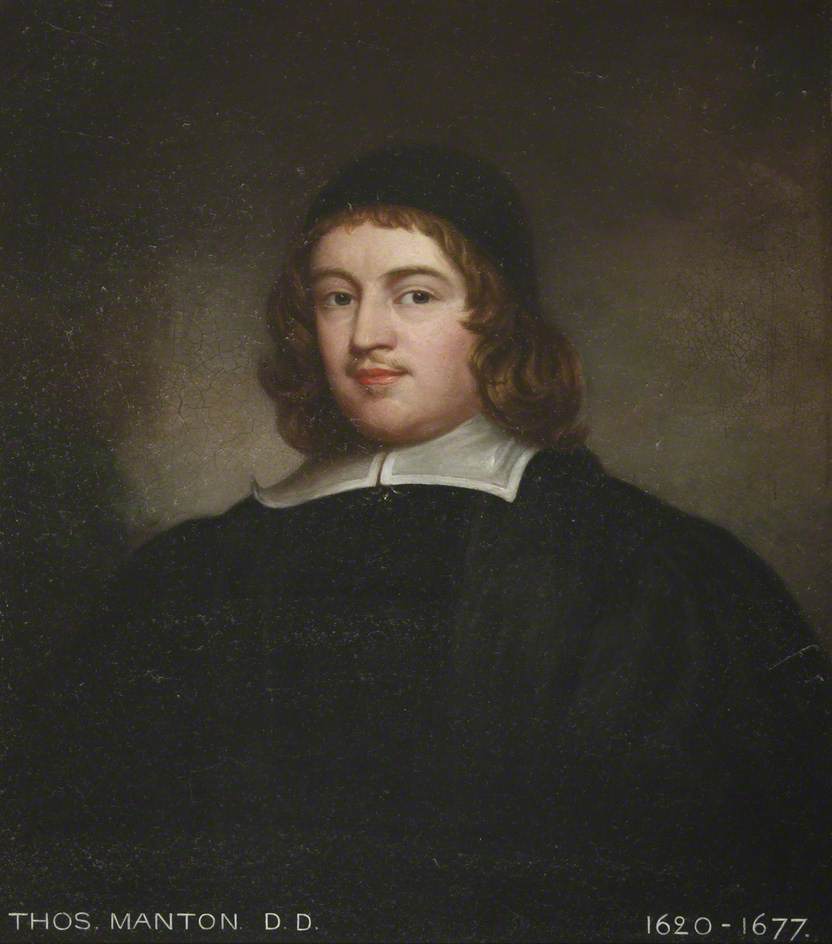
The main theological topic addressed in Thomas Manton's article "But Deliver Us From Evil" is the nature of evil and the necessity of prayer for deliverance from both sin and temptation. Manton argues that the phrase "lead us not into temptation but deliver us from evil" encompasses two meanings: deliverance from the evil one, identified scripturally as Satan, and deliverance from the evil of sin itself, which causes spiritual harm. He cites key scriptures (Matthew 5:37, Matthew 6:13, and 1 John 5:18) to support his argument regarding the pervasive threat of both internal and external temptations posed by the devil, the world, and one's own sinful nature. The doctrinal significance of this article underscores the importance of earnest and confident prayer in seeking God's protection from malign influences, affirming the Reformed view that understanding the gravity of sin deepens a believer's reliance on God's grace for sanctification and perseverance amidst trials.
Key Quotes
“To be kept from the evil of sin is a greater mercy than to be kept from the trouble of temptation.”
“While we are in this valley of tears and snares we should with earnestness and confidence pray to be delivered from evil.”
“The evil of sin is the greater evil because it separateth from God.”
“Satan hath a hand in their persecutions and likewise a hand in their temptations to sin.”
What does the Bible say about deliverance from evil?
The Bible teaches us to pray for deliverance from evil, recognizing sin as the greatest harm to our souls.
Matthew 6:13, Matthew 13:19, 1 John 5:18
How do we know prayer for deliverance from evil is true?
Prayer for deliverance is affirmed through Christ's own teaching and example.
Matthew 6:13, John 17:15
Why is deliverance from sin important for Christians?
Deliverance from sin is crucial as it safeguards our relationship with God.
Isaiah 59:2, 2 Timothy 4:18
How can we pray for protection from evil?
We can pray confidently for protection from evil, knowing God promises to safeguard His people.
2 Thessalonians 3:3, Ephesians 6:11
WE come to the close. The words apo` tou ponerou may be rendered, either from the evil one,' or from the evil thing.'
First, From the evil one: Mat. xiii. 19, Then cometh, o ponero`s, the evil one, and catcheth away that which was sown in his heart;' and 1 John ii. 13, I will write unto you, young men, because ye have overcome, ton ponero`n, the wicked one;' and 1 John v. 18, He that is begotten of God keepeth himself, and, o ponero`s, that wicked one, toucheth him not;' Eph. vi. 16, Take the shield of faith, wherewith ye shall be able to quench all the fiery darts of the wicked,' tou ponerou, of that wicked one. In all these places the devil is so called, because his great business is to draw, and drive others to sin; and therefore, as God is the holy one,' so Satan is called the wicked one.'
Secondly, It may be rendered that evil thing: Mat. v. 37, Whatsoever is more than, these cometh, ek tou ponerou, of evil;' Mat. v. 39, But I say unto you, me antistenai to ponero, resist not evil.' We are commanded to resist the devil, and therefore in that place clearly it is put for the evil thing; and so in many other places. Now which of these senses shall we prefer?
First, If it be meant of the evil one, or Satan, the words will bear a good sense, thus: If God, for our trial and further humiliation, shall suffer us to be tempted by the devil, yet we desire that he may not have his will upon us, that we be not kept under his power.
To make good this interpretation, know the devil may fitly be called the evil one,' for he is the oldest sinner; he sins from the beginning: 1 John iii. 8. And he is the greatest sinner, therefore he is called, Eph. vi. 12, spiritual wickedness;' his sins are in the high est degree sinful, every sin of his is a sin against the Holy Ghost, against full light, and with malice and spite against God and the saints. And he is the father of sin, John viii. 44. As Jubal was the father of all such as handle the harp and organ,' Gen. iv. 21; that is, he was the first that taught the use of that instrument: so all the sins in the world are by his furtherance, both actual and original; therefore he may be fitly called the evil one.
Again, he hath a great stroke in temptation, that he is the artificer, the designer, the improver of them; therefore he is called, ho peirazon, the tempter.' Mat. iv. 3. Well, then, Lead us not into temptation, but deliver us from the evil one.'
Secondly, we may render it indefinitely, as we do, Deliver us from evil,' that is, from sin. And fitly is this so called, because it is the greatest evil, above poverty, sickness, and worldly loss. Everything which doth harm us, that may be called evil. Now sin doth most hurt; nothing so much as sin. Why? Because it doth endamage our in ward man, and endanger our everlasting hopes.
[1.] It doth endamage our inward man, and hindereth and diminisheth our comfortable communion with God. Other things may harm the man, but they do not touch the Christian; and therefore saith the apostle, 2 Cor. iv. 16, For which cause we faint not; but though our outward man perish, yet the inward man is renewed day by day.' Breaches made upon the outward man come not so near as a breach made upon the inward man; therefore we faint not, so long as the inward man is safe.
[2.] It doth endanger our everlasting hopes and concernments, and therefore it is the greatest evil. All afflictions do but reach our temporal, but sin reacheth our eternal concernments; and therefore the apostle promiseth himself this kind of deliverance, as that which was most worthy: 2 Tim. iv. 17, 18, I was delivered out of the mouth of the lion. And the Lord shall deliver me from every evil work, and will preserve me unto his heavenly kingdom.' Well, then, you see it may be rendered the evil one, or the evil thing. The word carrieth it for sin; kako`n denoteth the evil of afflictions, and malum poenae, as well as malum culpae; but ponero`n never but evil of fault. And we need not anxiously dispute whether the one or the other, for one can not be understood without respect to the other. Therefore I shall take it in a general sense--that evil which results from temptations, whether they arise from Satan, the world, or our own hearts.
From the words thus opened, the points will be two:--
First, That while we are in this valley of tears and snares, we should with earnestness and confidence pray to be delivered from evil.
Secondly, To be kept from the evil of sin is a greater mercy than to be kept from the trouble of temptation.
I observe the first point, because Christ thus directed us to pray to God. The second, because the evil of sin is intended. For the first, we should pray with earnestness, because of our danger, and with confidence, because of God's undertaking. The Lord Jesus knows what requests are most acceptable to his Father. Now when he would give a perfect pattern and platform of prayer, he bids you pray thus: Deliver us from evil.' Nay, we have not only Christ's direction, but Christ's example: John xvii. 15, I pray not that thou shouldest take them out of the world, but that thou shouldest keep them from the evil.' He did not absolutely pray for an exemption from temptation, though he knew the world would be a tempestuous place, that his people must expect strong assaults--Lord, take them not out of the world, but keep them from the evil; so here, Deliver us from evil.'
First, We should pray with earnestness, because of our danger from the enemies of our salvation, which are the devil, the world, and the flesh; in respect of all which, we pray to be delivered from evil.
[1.] From the evil which the devil designs against us. Both bad and good men have need to make this prayer: bad men have need; good men will have a heart certainly to pray thus to God, if they consider their danger.
(1.) Natural and unconverted men, they are under the power of the devil, if they were sensible of it; for the devils are said to be rulers of the darkness of this world,' Eph. vi. 12. By which is meant the wicked, ignorant, and carnal part of the world, whether they live in Gentilism, or within the pale and line of Christ's communion; over all those that live in their unrenewed state of sin and ignorance, over all these, Satan hath an empire and dominion. And mark, when God carried on his kingdom in a way of sensible manifestation, by visions, oracles, and miracles, so did Satan visibly govern the pagan world by apparitions, oracles, lying wonders, and sensible manifestations of himself. But now, when God's kingdom is spiritual,--the kingdom of God is within yon,' Luke xvii. 21,--so by proportion, Satan's kingdom is spiritual too; he rules in the hearts of men, though they little think of it. All natural men, whether they be pagans or Christians, though outwardly and apparently they may renounce the devil's kingdom, and do not seem to have such open communion with him, as the Gentiles that consulted with his oracles, and were instructed by his apparitions, acted by his power, and offered sacrifice to him: but spiritually, all natural men are under the devil; for, 1 John iii. 8, He that committeth sin is of the devil;' that is, he belongeth to him. How is he of the devil? They are his children: Acts xiii. 10, O thou child of the devil.' And they are his subjects, he ruleth in them , he hath a kingdom among men, which by all means he goeth about to maintain: Mat. xii. 26, If Satan be divided against himself, how then can his kingdom stand?' And they are his workhouses, he worketh in them: Eph. ii. 2, The spirit that worketh in the children of disobedience.' The devil is hard at work in a wicked man's heart, framing evil thoughts, carnal motions; urging them to break God's laws; drawing them on to more sin and villainy; fills their hearts with lying, and all manner of sins: Acts v. 3, Why hath Satan filled thine heart to lie to the Holy Ghost?' He binds them with prejudices, and will not suffer them to hearken to the glorious gospel: 2 Cor. iv. 4, In whom the god of this world hath blinded the minds of them which believe not, lest the light of the glorious gospel of Christ should shine unto them.' He blinds and holds them captive at his will and pleasure, their souls are fettered: 2 Tim. ii. 26. And sometimes he oppresses their bodies (for Satan carrieth on his kingdom by force, tyranny, fears, and bondage); and therefore it is said, Acts x. 38, that Christ went about doing good, and healing all that were oppressed of the devil.' Yet further, as God's executioner, he hath the power over death for their torment: Heb. ii. 14, That through death he might destroy him that had the power of death, that is, the devil.' And unless the Lord be merciful, he never ceaseth carrying on wicked men, until both they and he are for ever in hell: Mat. xxv. 41, Depart from me, ye cursed, into everlasting fire, prepared for the devil and his angels.' All this is spoken, to show carnal men their condition. Oh that they would seriously think of it! When they do evil, when they slight the motions of God's grace, they are under Satan; and not only by force, as a child of God may be sometimes, but they are willingly ignorant: 2 Pet. iii. 5. The more willingly we commit sin, still the more we are under the power of the devil. Well, then, if any have need to say, Deliver us from evil,' certainly unrenewed carnal men have need to go to God, and say, Lord, pluck us out of evil;' as the same expression is used, Col. i. 13, Who hath delivered us from the power of darkness,' Hos errusato, who hath delivered us with a strong hand. Oh, go to God, in the name of Christ; there is no way of escape until God pluck you out by main forte. And mark, this power by which we are delivered, God conveyeth by the preaching of the word, which was appointed to turn us from darkness unto light, and from the power of Satan unto God, Acts xxvi. 18; and therefore hearken to God's counsel before your condition grow incurable, and wait upon the ordinances; for the more you neglect and contemn the means of your recovery, your misery increaseth upon you; for every day you are still more given up to Satan by the just judgment of God, and to be captivated and taken by him at his will and pleasure by the snares he sets for you.
(2.) Good men, or God's own children, though they are delivered from the power of Satan, and brought into the kingdom of Christ, yet they are not wholly free in this world, but are sometimes caught by Satan's wiles, Eph. vi. 11, sometimes wounded by his fiery darts, ver. 16. Their lusts and their consciences are sometimes set a-raging; though he hath no allowed authority over their hearts, yet he exerciseth a tyrannical power; though he cannot rule them, yet he ceaseth not to assault them, if it were but to vex and trouble them. Briefly, the children of God have cause to pray, Deliver us from evil, in regard of Satan, because Satan hath a hand in their persecutions, and like wise a hand in their temptations to sin. It is he that instigateth their enemies to persecute them, and it is he that inflameth their lusts.
(1st.) In stirring up their enemies to persecute them. All the troubles of the children of God, they come originally from the devil: Luke xxii. 53, This is your hour, and the power of darkness.' We do not read that Satan did immediately vex Christ; and how was that hour then said to be the power of darkness? Why, by setting his instruments a-work to crucify him. And as he dealt with the head, so with the members: Rev. xii. 12, The devil hath great wrath, for he knoweth he hath but a short time.' When his kingdom begins to totter and shake, then he stirs up all his wrath, and inflames his instruments, as dying beasts bite hardest. So, Rev. xvi. 14, we read of the spirits of devils that go forth unto the kings of the earth, to stir them up against the saints. If you could behold, with your bodily eyes, this evil spirit hanging upon the ears of great men, and buzzing into them, and stirring them up, and the common people, and animating them against the children of God, you would more admire at the wonders of God's providence that you do subsist. Oh, how they are acted by this wrathful spirit!
(2d.) By inflaming our lusts and corruptions. So, 1 Cor. vii. 5, lest Satan tempt you by your incontinency, sets lusts a-boiling, either to vex the saints or to ensnare them. It is possible he may sometimes prevail with God's own children to draw them to some particular act of gross sin, as 2 Sam. xi. 4, as when David defiled himself with lust, that thereby he may dishonour God; for by this means the name of God was blasphemed, 2 Sam. xii. 14. Or that thereby he may disturb their peace, for this made David lie roaring, Ps. xxxii. 3, 4; his radical moisture was even wasted and exhausted. Or else to spiritual sins, as murmuring, repining against God, distrust of providence when under crosses. Or when they are in their comforts, to drive them to carnal complacency and neglect of holy things, disuse of communion with God. Or to inordinate passions or spiritual wickedness, such as is not conversant about carnal passions or fleshly lusts, but spiritual pride, error, and unbelief. Certainly those that have anything of experience of the spiritual life cannot be ignorant of Satan's enterprises.
Well, then, we had need go to God to deliver us from evil: for outward evils, for the protection of his providence; for these God hath undertaken: Ps. l. 15, Call upon me in the day of trouble; I will deliver thee.' Satan is in God's chains; he could not enter into the herd of swine without leave; therefore certainly he cannot get among the sheep of Christ's fold. It is the saying of Tertullian, If the bristles of swine be numbered, the hairs of our head are numbered; therefore you had need go to God (Deliver us from evil'), that persecution may not rage over you, that he may hedge you in by his providence, Job i. 10, and that he would be as a wall of fire round about you.
As to inward evils, so we go to God for wisdom and strength; for Satan assaults us both ways, by wiles and darts: when he comes in a way of violence, he comes with fiery darts; but when he doth lie in ambush, there he hath his wiles to entice us with a seeming good. We--
(1.) Beg wisdom, that you may espy the wiles of Satan, and may not be caught unawares, for he is transformed into an angel of light,' 2 Cor. xi. 14. Mark, the devil doth not care so much to ride his own horses, to act and draw wicked men to evil; he hath them sure enough; but he laboureth to employ the saints in his work, if he can, to get one which belongs to God to do his business; therefore he changeth himself into an angel of light. The temptation is disguised with very plausible pretences; then a child of God may be a factor for Satan, and an instrument of the devil. For instance, would Peter have ever made a motion for Satan if he had seen his hand? Oh, no; the temptation was disguised to him when he persuaded his Master from suffering. He covereth his foul designs with plausible pretences. Carnal counsel shall be pity and natural affection; Mat. xvi. 22, 23, Let not these things be; be it far from thee, Lord: this shall not be unto thee. He said unto Peter, Get thee behind me, Satan; thou art an offence unto me.' At another time, the disciples, when their Master was slighted and contemned, they thought certainly they should do as Elias did, call for fire from heaven to consume them, Luke ix. 54. Revenge will often go for zeal for God. Revenge, or storming at personal affronts or injuries done to ourselves, is looked upon as zeal; then the disciples may not know what spirit they are of. Many times we are acted by the devil when we think we are acted by the Spirit of God, and that which seems to be zeal is nothing but revenge. Therefore we had need go to God: Lord, deliver us from evil; we are poor unwary creatures; that we may not be ensnared by fair pretences and surprised by his enterprises. And thus we beg wisdom.
(2.) We pray for strength to withstand his darts, that we may take the armour of God and withstand the evil one, Eph. vi. 13. Alas! of ourselves we cannot deliver ourselves from the least evil, or stand out against the least assault; therefore it is God alone that must keep the feet of his saints, 1 Sam. ii. 9. Therefore we go to him, that we may get his covenant strength, that we may be strong in the power of his might,' to conflict with Satan. Well, then, in regard of the first enemy of our salvation, the devil, we had need pray earnestly, that we may not be prevailed over by his arts; it is God alone that can keep us.
[2.] The world, that is another evil which is, as it were, the devil's chessboard; we can hardly move backward or forward but he is ready to attack us and surprise us by one creature or another, and draw us into the snare. Therefore it is said, Gal. i. 4, that Christ gave himself for us, that he might deliver us from this present evil world.' That is one way of being delivered from evil, when we are delivered from an evil world. It concerns us, and it is a great point of religion, to be kept unspotted from the world,' James i. 27. The whole world is full of evils and temptations, and we cannot walk anywhere but we are likely to be defiled. The things of the world, the men of the world.
(1.) The things of the world. All conditions of life become a snare to us, prosperity, adversity: Prov. xxx. 8, 9, Give me neither poverty nor riches; feed me with food convenient for me,' &c., lest I be full, and deny thee,' &c. Either condition hath its snares. A garment too short will not cover our nakedness, and too long proves lacinia praependens, ready to trip up our heels; and therefore both the one and the other condition are very dangerous. Many carry themselves well in one condition, but quite miscarry in another. As Ephraim was as a cake not turned, baked on the one side, Hosea vii. 8, quite dough on the other. Or as it is said of Joab, 1 Kings ii. 28, He turned after Adonijah, though he turned not after Absalom.' Some miscarry in adversity, others in prosperity. Indeed more under prosperity. Diseases which grow out of fulness are more rife than those which grow out of want; and fat and fertile soils are more rank of weeds. God's children most miscarry when all things are prosperous and flow in upon them, when they have lived in plenty. David was not soiled while he wandered up and down in the wilderness; but when he walked upon the terrace of his palace in Jerusalem, then he fell to lust and blood. The unsoundness of a vessel is not seen when it is empty; but when filled with water, then we see whether it be stanch, or leaky or no.
But the other condition is not without its snares neither. In adversity we are apt to be impatient, as well as in prosperity to be forgetful of God; and therefore we had need learn how to go up hill and down hill, to know how to abound, and how to be abased,' Phil, iv. 12. Look, as the wind doth rise from all corners, so do temptations. When we are kept low and bare, or in danger, then we are full of worldly fears, distrusts, cares, grow base, pusillanimous, and have not the spirit and generosity of a Christian. In a high condition we are proud, secure, forgetful of changes, vain, wanton; and press towards heaven less, and grow dead to good things.
(2.) As from the things of the world, so from the men of the world. We are apt to be poisoned by their bad example, and easily catch a sickness one from another. Good men may receive a taint: Isa. vi. 5, I am a man of unclean lips, and I dwell in the midst of a people of unclean lips.' Open excesses do soon, manifest their own odiousness. I confess, a man that runs into open excess, we are not so much in danger of being enticed by him to the like practice; but we learn of one another secretly to be cold, careless, and less mortified. I say, though we are not carried into inordinate practices and gross wickednesses by the example of others, yet we learn to be cold in the profession of godliness, formal, less stirring in the way of holiness, and sometimes ensnared by their counsels. The flood and torrent of evil examples and counsels is so great, that it carrieth away men: Gal. ii. 13, Barnabas also was carried away with their dissimulation.' And the wills of men is one of our snares, 1 Pet. iv. 2. And besides, we are in danger to be terrified by their frowns, and act unseemly: Isa. viii. 13, Fear not their fear, nor be afraid.' Out of the fear of men we are apt to miscarry in our duty to God. Well, then, we need to go to God to be delivered from the evil of the world, that we may not be infected nor terrified by the men of the world; or, which is the more usual temptation, corrupted by the things of the world. The world doth secretly and slightly insinuate with us; and therefore keep us from evil.
Now how comes the world to be evil?
In two things, when both our care and our delight is lessened towards heavenly things.
(1.) When our care is lessened, when we are not so serious, so frequent in communion with God as we were wont to be; as Martha, that was cumbered about many things,' but Mary had chosen the better part,' Luke x. 42. When you begin to lessen your cares of duty, and Hagar thrusts Sarah out of doors, when the son of the bond-woman begins to mock at the son of the free-woman, when religion begins to be looked upon but as mopishness; to be so nice, precise, and so careful to maintain constant commerce with God; and begin to have lessening thoughts of God, and religion goes to the walls. So,
(2.) When our delight is less in heavenly things, when we have lost our savour of the word, and ordinances, and Sabbaths, and they are not so sweet as before: 1 John ii. 16, If any man love the world, the love of the Father is not in him.' When the love of the world hath made you weary of the love of God, when your heart goes a-whoring from God, the chief good. As when the affections are scattered, a man is tempted to look upon other objects, the wife of the bosom is defrauded of her right; so God is defrauded by an over-delight in the creature, the world intercepts your delight: Ps. lxxiii. 27, 28, Thou hast destroyed all them that go a-whoring from thee; but it is good for me to draw nigh to God.' When our delight in communion with God is lessened by delight in the creature, it is spiritual adultery. Now when worldly objects are so continually with us, soliciting our affections, and drawing us away from God, oh what need have the best of us to pray, Lord, keep us from evil!' The soul doth easily receive a taint from the objects to which we are accustomed; therefore they which live in the world had need to take heed of a worldly spirit. The continual presence of the object doth secretly entice the heart; as long suits prevail at length, and green wood kindles by long lying in the fire. Insensibly is the heart drawn away from God, and you shall find less savour in holy things.
[3.] We had need to pray earnestly, Lord, keep us from evil, because we are in danger of that other enemy, the flesh. There is not only an evil without us, as the devil and the world, but an evil within us: An evil heart of unbelief, in departing from the living God,' Heb. iii. 12. An evil heart, that is full of urgings and solicitations to sin. There are not only snares and temptations in the world, but there is a flexibleness in the party tempted: James i. 14, Every man is tempted, when he is drawn away of his own lust, and enticed,' hupo tes idias epithumias, of his own lust. The fire burns in our own hearts, Satan doth but blow up the flame. There is bad liquor in the vessel, Satan doth but only give it vent, and set it abroach with violence. We carry sinning natures about with us, therefore, Lord, Deliver us from evil.' The evil of the world would do no more hurt than the fire doth to a stone, if we were not combustible matter: The corruption that is in the world through lust,' 2 Pet. i. 4. The danger of living in the world doth not stand in this, because here are so many enticements and baits for every sense; but it is the corruption through lust; as the venom is not in the flower, but in the spider. The Philistines could not prevail against Samson if Delilah, on whom he doted, had not lulled him asleep; or as Balaam first corrupted Israel before he could curse them or bring them any harm: so corruption in the heart makes us liable to Satan's malice. There is a treacherous party within to open the door to Satan, without which all outward force could not annoy us.
Well, then, we had need go to God: Lord, Deliver us from evil.'
Where we beg:--
(1.) That God would weaken the strength of inbred corruption, that we may not be foiled by it. Paul groans sadly, Rom. vii. 24, O wretched man that I am! who shall deliver me from the body of this death?' It is a question, but it implieth a wish, for the Hebrews propose their wishes by way of question; that is, Oh that I were delivered! It is a great mercy to be kept from falling into sin: kept from every evil work,' 2 Tim. iv. 18.
(2.) If we be foiled by our corruption, we beg that we may not lie in it, nor grow weary of our resistance, nor cast away our weapons, and suffer sin to have a quiet reign: Ps. cxix. 133, Let not any iniquity have dominion over me.' We cannot hope for a total exemption from sin, but, O Lord, let it not reign over us. How shall we know when sin reigns? When there is no course of mortification set up against it, to break the power, force, and tyranny of it. Take this distinction: There are remaining and reserved corruptions; sin remains where it doth not reign; but reserved corruption, that is reigning. I will explain it thus: sin remains when, notwithstanding all our endeavours, yet it still haunts and pesters us, though praying, watching, striving, waiting, and depending upon God for strength; but it is reserved when you let it alone and are loth to touch it, but rather cherish, dandle, and foster it in the heart, and make provision for it. Therefore then are we delivered from evil when we recover by repentance; and though we suffer by the tyranny of sin, we will not let it alone to have a quiet reign in our hearts, do not live under the power of corruptions. Sin let alone will do us further mischief.
Secondly, As we have reason to pray to God with earnestness, be cause of our danger; so with confidence, because of God's undertaking: 2 Thes. iii. 3, The Lord is faithful, who shall stablish you, and keep you from evil.' God hath undertaken to keep those who, with humble and broken hearts, do come to him to be kept from evil; that are watchful, serious, and careful to get evils redressed as soon as discerned; therefore we may come with an assured confidence to be delivered from all evil.
How far hath God undertaken to keep his people from evils and dangers in this life? I answer:--
[1.] So far as may be hurtful to their souls: 1 Cor. x. 13, God is faithful, who will not suffer you to be tempted above that ye are able; but will with the temptation also make a way to escape, that ye may be able to bear it.' It is part of God's faithfulness to keep you from evil, to proportion and temper temptation to your strength. God suits the burden to every back, he drives on as the little ones are able to bear; therefore certainly he will mitigate temptation, or give in supply of strength.
[2.] God will keep you from the evil of sin so far as it is deadly; that is, that it be not a sin unto death, 1 John v. 16; and that it may not reign in our mortal bodies, for you are dead to it: Rom. vi. 14, For sin shall not have dominion over you; for ye are not under the law, but under grace.'
[3.] God undertakes for our final deliverance from all evil upon our translation to heaven. This is included in this prayer, that we may at length come to that state where is no sorrow, no sin, no assault and temptation from Satan, that we may be kept from all wickedness: Ps. xxxiv. 19, Many are the afflictions of the righteous; but the Lord delivereth him out of them all.' There is a time when God delivereth us from all at once, and that is by death and our translation into heaven.
Well, then, let us fly to God for deliverance, waiting for his help.
Doct. That to be kept from the evil of temptation is a greater mercy than to be kept from the trouble of temptation.
Lead us not into temptation, but deliver us from evil;' that is, if we be led into temptation, let us be kept from the evil of it.
First, It is a more wonderful providence to be kept from evil than from temptation; esse bonum facile est, ubi quod vetat esse remotum est. It is no great matter to be chaste or honest, when there is no temptation to the contrary. Ay, but to keep our integrity in the midst of assaults and temptations, there is the wonder. If a garrison be never assaulted, it is no wonder that it standeth exempt from the calamity of war. This is like the bush that was burned, yet not consumed; exercised with temptation from day to day, and yet kept from evil. And in this sense God's power is more glorified than in keeping the angels; for the angels are out of gun-shot and harm's way, and not liable to temptations. But to preserve a poor weak creature in the midst of temptation, oh, how is the power of God made perfect in weakness!' 2 Cor. xii. 9: perfected, that is, gloriously discovered.
Secondly, The evil of sin is greater than the evil of affliction or trouble.
[1.] The evil of sin is the greater evil, because it separateth from God: Isa. lix. 2. It is an aversion from the chiefest good. Affliction doth not separate from God, it is a means to make us draw nigh to him. Poverty, sickness, blindness, loss of goods, let a man be never so low and loathsome, yet if in a state of grace, the Lord taketh plea sure in him, and he is near and dear to God; God kisseth him with the kisses of his mouth; nothing is loathsome to God but sin.
[2.] Sin is evil in itself, whether we feel it or no; affliction is not evil in itself, but in our sense and feeling: Heb. xii. 11. Sin is evil, whether we feel it or no; it is worse when we do not feel it: Past feeling,' Eph. iv. 19, when our conscience is benumbed.
[3.] Affliction, or malum poenae, is an act of divine justice; but malum culpae is an act of man's corruptness. For the first, affliction, Amos vi. 3, Is there any evil, and the Lord hath not done it?' But sin is the devil's work in us: 1 John iii. 8, He that committeth sin, is of the devil; for the devil sinneth from the beginning. For this purpose the Son of God was manifested, that he might destroy the works of the devil.' And John viii. 34, Whosoever committeth sin, is the servant of sin.' The one cometh from a just God, the other from our corrupt hearts. The one is the act of a holy God, the other the act of a sinful creature.
[4.] The death of Christ falls more directly upon this benefit--exemption from sin: Mat. i. 21, He shall save his people from their sins;' Acts iii. 26, God having raised up his Son Jesus, sent him to bless you, in turning away every one of you from his iniquities;' not troubles or sorrows, but sins.
[5.] Affliction is a more particular temporal evil, but sin is an infinite universal evil. Sickness depriveth us of health, poverty of wealth, &c., and every adverse providence doth but oppose some particular temporal good; but sin depriveth us of God, who is the fountain of our comfort; the other but of some limited comfort.
[6.] Afflictions are sent to remove sin: Heb. xii. 11, Now no chastening for the present seemeth to be joyous, but grievous; nevertheless afterward it yieldeth the peaceable fruit of righteousness unto them which are exercised thereby;' Isa. xxvi. 9, When thy judgments are in the earth, the inhabitants of the world will learn righteousness:' but sin is not sent to remove affliction. Now the end must be greater than the means, both as to prosecution and aversation. As to prosecution; to dig for iron with mattocks of gold and silver. So in aversation; if death were not worse than the pain of physic, no man would take physic to avoid death.
[7.] Affliction is the effect of God's love: Heb. xii. 6, Whom the Lord loveth he chasteneth.' But to be left to sin is an effect of God's anger. God doth not always exempt from troubles; yet if he keep from spiritual hurt thereby, if he sanctify the trouble, support us with sufficient grace, 2 Cor. xii. 9; if preserved from evil, howsoever tempted and exercised, it is enough.
Use 1. To reprove our folly. We complain of other things, but we do not complain of sin, which is the greatest evil. This is contrary to the spirit of God's children, who rejoice in troubles, but not in sins: 2 Cor. xii. 9, Most gladly therefore will I rejoice in infirmities, that the power of Christ may rest upon me.' They groan bitterly under sins: Rom. vii. 23, O wretched man!' &c. If any man had cause to complain of afflictions, Paul had: in perils often, whipped, persecuted, stoned. But the body of sin and death was the greatest burden: lusts troubled him more than scourges; his captivity to the law of sin more than prisons. When affliction sitteth too close, sin sits loose. In affliction there is some offence done us, but in sin the wrong is done to God. And what are we to God? Afflictions may be good, but sin is never good. The body suffereth by affliction, but the soul suffereth by sin loss of grace and comfort, which are not to be valued by all the world's enjoyments. The evil of affliction is but for a moment--like rain, it drieth up of its own accord; but the evil of sin is for ever, unless it be pardoned and taken away. Sin is the cause of all the evils of affliction; therefore when we complain, we should complain, not so much of the smart, as of the cause of it.
2. It directeth us:--
[1.] How to pray to God against sin rather than trouble. This is indeed to be delivered from evil: 2 Tim. iv. 18, Paul reckoned upon that, He will deliver me from every evil work.' When afflicted, you should rather desire to have the affliction sanctified than removed; you will be most careful for that; saints do not pray for the interests of the old man rather than the new man. To be freed from trouble is a common mercy, but to have it sanctified is a special mercy. Carnal men may be without affliction, but carnal men cannot have experience of grace. Bare deliverance is no sign of special love.
[2.] In our choice. It was a heavy charge they put upon Job: Job xxxvi. 21, Thou hast chosen iniquity rather than affliction.' Sometimes we are put upon the trial, to lose the favour of God or the favour of men, duty and danger: here content myself, gratify my lusts and interests; there offend God. Out of the temptation, we could easily judge that all the misery in the world is to be endured rather than commit the least sin. But how is it upon a trial, when a worldly convenience and a spiritual inconvenience is proposed? By choosing sin, a man cannot altogether escape affliction here or here after. Wickedness, though it prosper a while, yet at length it proveth a snare.
3. It directeth us to submit to God's providence, and to own mercy in it. Though God doth not exempt us from troubles, yet if he keep us from hurt thereby, if he sanctify the trouble, and support us with grace sufficient, it is his mercy to us. For Daniel to be put into the lions' den was not so great a judgment as for Nebuchadnezzar to have the heart of a beast. To be given up to our own hearts' lusts, to commit any sin, it is a greater cross than any misery that can light upon us; therefore let us be patient under affliction. Our great care should be, not to dishonour God in any condition. God hath promised to be with his people in their afflictions to comfort them; but hath never promised to be with his people in their sins: I will be with you in the fire, and in the water.' as the Son of God was with the three children in the fiery furnace. But God is departed when they sin; I will go to my own place. Sin hindereth prayer, but afflictions quicken it: Isa. xxvi. 16, Lord, in trouble have they visited thee; they poured out a prayer when thy chastening was upon them.' In affliction it is a time to put the promises in suit; it doth not hinder our access to God and the throne of grace, but driveth us to it. But sin increaseth our bondage, maketh us stand at a distance, and grow shy of God. The fruit of sin is shame, Rom. vi. 21.
4. It teaches us how to wait and hope for the issue of our prayers. Pray that ye enter not into temptation; yet be not absolute in that, but to be kept from evil, that what way soever we are tried we may be kept from the evil of sin.
IN these words we have the conclusion of all, and that which giveth us confidence in the requests we make to God.
First, The confirmation is taken from the excellency of God, to whom we pray; where there is a declaration of what belongeth to God:--
Secondly, The duration and perpetuity, for ever.
Three things are mentioned as belonging to God--kingdom, power, and glory.
1. By kingdom is meant God's right and authority over all things, by which he can dispose of them according to his own pleasure.
2. By power is meant his sufficiency to execute this right, and to do what he pleaseth, both in heaven and earth.
3. The final cause of all is his glory. Thine is the glory,' or the honour of all things in the world belongs to thee. Glory is excellency discovered with praise. We desire that he may be more honoured and brought into request and esteem.
Secondly, We have the obsignation and sealing of our requests in the word Amen; which is, signaculum fidei, an expression of our faith and hope. And actus desiderii, the strength of our desire. There is the Amen of faith, and the Amen of hearty desire; as by and by.
Now let us look upon this conclusion, first, as a doxology or expression of praise to God: and the note is:--
Doct. That hi every address to God, lauding or praising of God is necessary.
For in this perfect form of prayer Christ teacheth us, not only to ask things needful for ourselves, but to ascribe to God things proper to him.
There are two words used in this case in scripture, praise and blessing. Praise relateth to God's excellency, and blessing to his benefits: Ps. cxlv. 10, All thy works shall praise thee, O Lord; and thy saints shall bless thee.' All the works of God declare his excellency; but the saints will ever be ascribing to God the benefits they have received from him. So they are spoken of as things, though somewhat alike, yet as distinct: Neh. ix. 5, Blessed be thy glorious name, which is exalted above all blessing and praise.' Our praise cannot reach the excellency of his nature; nor our blessing express the worth of his benefits. Both may be here intended. For thine is kingdom and power, relateth to his excellency, and thine is the glory, to his benefits; for God's glory is the reflex of all his works, and so expresseth the benefits showed to the sons of men, especially to his people. Well, then, whenever you would pray to God to bless you, you must bless God again, and praise his name: Eph. i. 3, Blessed be the God and Father of our Lord Jesus Christ, who hath blessed us with all spiritual blessings in heavenly places in Christ.' It is the echo and reflex of his grace and mercy to the creatures. God blesseth us, and we bless God; as the echo returneth the word, or the wall beateth back the beams of the sun. Only consider, we bless God far otherwise than he blesseth us: God's blessing is operative, ours declarative; his words are accompanied with power: benedicere is benefacere. He doth good; we speak good when we remember the blessed effects of his grace, and tell what he hath done for our souls.
The reasons why we are to mingle praises and thanksgivings with our requests are these:--
[1.] Because this complieth more with the great end of worship; which is not so much the relief of man as the honour of God; therefore we should not only intend the supply of our necessities, for that is but a brutish cry, howling for corn, wine, and oil, Hosea vii. 14; but we should intend also the honour of God: Ps. 1. 23, Whoso offereth praise glorifieth me.' A man may offer requests to God, yet not honour him, but seek himself; but he that offereth praise glorifieth me. He that doth affectionately, and from his heart, give God the honour of his attributes and titles in scripture, he glorifieth him; and therefore worship being for the glory of God, that should not be left out.
[2.] This is the most effectual spiritual oratory, or way of praying: Ps. lxvii. 5, Let the people praise thee, O God, let all the people praise thee.' What then? Then shall the earth yield her increase; and God, even our own God, shall bless us.' We have comforts increased the more we praise God for what we have already received. The more vapours go up, the more showers come down; as the rivers receive so they pour out, and all run into the sea again. There is a constant circular course and recourse from the sea unto the sea. So there is between God and us; the more we praise him the more our blessings come down; and the more his blessings come down the more we praise him again; so that we do not so much bless God as bless ourselves. When the springs lie low we pour a little water into the pump, not to enrich the fountain, but to bring up more for ourselves.
[3.] It is the noblest part of worship, and most excellent and acceptable service. It is a great honour to creatures to bestow blessing upon God. In other duties God is bestowing something on us; but in praise (according to our manner, and as creatures can) we bestow something upon God. In prayer, we come as beggars, expecting an alms; in hearing, we come as scholars and disciples, expecting instruction from God. Here (according to our measure and ability) we give something to him; not because he needs it, being infinitely perfect, but because he deserves it, being infinitely gracious. This is the work of angels and glorified saints. Other duties more agree with our imperfect state, as hearing and prayer, that our wants may be supplied; but this duty agrees with our state when we are most perfect. Love is the grace of heaven, and praise the duty of heaven; we are for vials, they harps: prayer is our main work, and praise theirs.
Use. To reprove us, that we are altogether for the supply of our necessities, but little think of giving God the honour due to his name. Either we meddle not with it at all, or do it in a very flighty fashion. In this perfect form the glory of God is the Alpha and Omega, the beginning and the ending of this short prayer. The first petition it is for God's glory, and the final conclusion also. And therefore it is verily a fault that God is no more praised. In our addresses to him (Ps. xxii. 3) it is said, O thou that inhabitest the praises of Israel;' the meaning is, dwellest in Israel, where he is praised of them, because it is the great work they are about.
Surely our assemblies should more resound with the praises of God. In church worship there should be a mixture of harps, which are instruments of praise, as well as vials full of odours, which are the prayers of the saints,' Rev. v. 8. But usually we thrust gratulation, thanksgiving, and praise, into a narrow room, and are scanty therein, but can be large and copious in expressing our wants and begging a supply. This duty is made too great a stranger in your dealings with God. What are the reasons of this defect?
[1.] Self-love. We are eager to have blessings, but we forget to return to give God the glory. Prayer is a work of necessity, but praise a work of duty and homage. Self-love puts us upon prayer, but the love of God upon praise. Now, because we are so full of self-love, therefore are we so backward to this duty.
[2.] A second cause is our stupid negligence; we do not gather up matter of thanksgiving, and observe God's gracious dealing with us, that we may have wherewith to enlarge ourselves in giving glory to his name: Col. iv. 2, Continue in prayer, and watch in the same with thanksgiving.' We should continually observe God's answers and visits of love, and what attributes he makes good to us in the course of his providence. But out of spiritual laziness we do not take notice of these things, therefore no wonder if we are backward to speak good of his name, but are always whining, murmuring, and complaining.
Secondly, It is not only a doxology, but a full one, and very expressive of the excellency of God. From whence note:--
Doct. The saints are not niggardly and sparing in praising of God; kingdom, power, and glory, and all that is excellent, they ascribe to him.
A gracious heart hath such a sense of God's worth and excellency that he thinks he can never speak honourably enough of it. See how David enlargeth himself very suitably to what is spoken here: 1 Chron. xxix. 10-13, And David said, Blessed be thou, Lord God, for ever and ever: thine, O Lord, is the greatness, and the power, and the glory, and the victory, and the majesty: thine is the kingdom, Lord, and thou art exalted as head above all. Now therefore, our God, we thank thee, and praise thy glorious name.' Oh, when once a child of God falls upon speaking of God, he cannot tell how to come out of the meditation: he seeth so much is due to God that he heaps words upon words. So 1 Tim. i. 17, Now unto the king eternal, immortal, invisible, the only wise God, be honour and glory, for ever and ever. Amen.' And in many other places of scripture. Now, this copiousness in praising of God is, partly, because of the excellency of the object: Neh. ix. 5, Blessed be thy glorious name, which is exalted above all blessing and praise.' When they have done what they can to bless God, remember his benefits, or praise God, and recount his excellencies, still they come too far short; therefore when we cannot do all, we should do much. And partly, it is from the greatness and largeness of their affection; they think never to have done enough for God, whom they love so much. David saith, I will praise him yet more and more.' They cannot satisfy themselves by taking up the excellency of God in one notion only; therefore majesty, greatness, glory, wisdom, and power, they mention all things which are honourable and glorious.
Use. The use is again to reprove us for being so cold and sparing this way. It argueth a want of a due sense of God's excellency and straitness of spiritual affection; therefore we should study God more, and observe his manifold excellencies. Get a greater esteem of him in your hearts, for out of the abundance of the heart, the mouth will speak.' We should be calling upon ourselves, as David, Ps. ciii. 1: Bless the Lord, my soul; and all that is within me, bless his holy name.'
Thirdly, I observe again, it is brought in with a for, as relating to the foregoing petitions: Lead us not into temptation, but deliver us from evil: for thine is the kingdom,' &c.
What respect hath this doxology to the foregoing requests?
First, It serves to increase our confidence in prayer.
Secondly, Our reverence and affection.
Thirdly, To regulate and direct our prayers:--
[1.] As to the person to whom we .pray.
[2.] As to the manner of asking.
[3.] As to the persons praying.
Let us see all these requests. [29]
First, The great end is to increase our confidence. Observe,
Doct. It is a great relief to a soul, in praying to God, to consider that his is the kingdom, power, and glory; and all these for ever.
His is the kingdom.
God hath the sovereign government of all things. And then his right to govern is backed with all-sufficient power and strength; and so he can dispose of his sovereignty for the bringing to pass what we expect from him.
Authority is one thing, and power another, but they both meet in God; he hath all power and authority.
And then, his is the glory: he is concerned as well as we; yea more, his interest is greater than ours, for the glory of all belongs to him: and all this, not for a time, but for ever. These are the encouragements to raise our confidence that our prayers shall be heard and granted when we ask anything according to his will.
There are two things that give us confidence in any that we sue to--if he be able and willing. Now God is able to grant our requests, and very prone and willing also. We are taught it sufficiently in this prayer; for we begin with him as Father, and we end with him as a glorious and powerful king; his fatherly affection, on the one hand, shows that he is willing; and his royal power, on the other, that he is able: so that if we ask anything according to his will, we need not doubt. We may gather his power and will out of this very clause: His power; for his is the kingdom, and power, or a right and authority, backed with absolute all-sufficiency. Then his will, Thine is the glory;' it is his glory to grant our petitions, not only matter of happiness to us, but of glory to God, therefore we need not doubt.
But more particularly:--
[1.] There is confidence established by that, that his is the kingdom. God's kingdom is either universal, over all men or things; or particular and special, which notes his relation to the saints, to those which have given up themselves to his government, to be guided by him to everlasting glory: and both these are grounds of confidence.
(1.) His universal kingdom over all persons and things in the world. This kingdom is an absolute monarchy, with a plenary dominion and propriety grounded upon his creation of them. There is a twofold dominion--dominium jurisdictionis, and dominium proprietatis. The one is such as a king hath over his subjects; the other, such as a king hath in his goods and lands: the latter is greater than the former. A king hath a dominion of jurisdiction over his subjects to command and govern them; but he hath not such an absolute propriety in their persons as he hath in his own goods and lands; he may dispose of them absolutely at his own pleasure, but his jurisdiction is limited. In short, we must distinguish of his dominion as a ruler, and as an owner. But both these, they concur in God, and that in the highest degree, for God is owner as well as ruler; he made all things out of nothing, therefore hath a more absolute dominion over us than any potentate or king can have, not only over his subjects, but his goods; and can govern all things, men, angels, and devils, according to his pleasure. It is more absolute than any superiority in the world, and more universal, as comprising all persons and things. God hath right to be king, because he gave being to all things, which no earthly potentate can: therefore the author must be owner. All other kings are liable to be called to account and reckoning by this great king, for their administration; but God is absolute and supreme.
Now this is a great encouragement to us, that we go to a God that hath an absolute right, for which he is responsible to none. We go not to a servant or a subordinate agent, who may be controlled by a higher power, and whose act may be disannulled; but to an absolute lord, to whom none can say, What doest thou?' Job ix. 12. Here is the comfort of a believer, that he goes immediately to the fountain and owner of all things; the absolute lord of all the world is his father; the sovereign and free disposing of all things is in his hand. If we expect anything from subordinate instruments, God's leave must first be asked, or they can do nothing for us; but he can do what he pleaseth, it is his own: Mat. xx. 15, Is it not lawful for me to do what I will with mine own?' None can call him to an account.
(2.) His relation to the saints. It is the duty of a king to defend his subjects, and provide for their welfare; so God, being king, will see that it be well with those that are under his government. It concerns you much to get an interest to be under this king, then to mention it in prayer: Ps. xliv. 4, Thou art my king, O God; command deliverances for Jacob.' If you want anything for yourselves or the church, put God in mind of his relation to you: Thou art my king.' Let not this interest lie neglected or unpleaded. All the benefit which subjects can expect from a potent king you may expect from God.
Again, the word command is notable, and expresseth the case to the full: command deliverances.' All things are at God's command and beck; if he do but speak the word, or give out order to second causes, if; is all done in a trice. So Ps. v. 2, Hearken unto the voice of my cry, my king and my God: for unto thee will I pray.' To thee, and to none other. Why should we go to servants, when we may go to the king himself? So Ps. lxxiv. 12, For God is my king of old, working salvation in the midst of the earth.' God will defend his kingdom, and right his injured subjects. Therefore, if we would have any blessing to be accomplished for ourselves, or for the public, let us go to God: Thine is the kingdom.' And more especially, if we would have any good thing to be done by those in authority and subordinate power over us, do not so much treat with them as with God. Let us beseech God to persuade and incline their hearts, for his is the kingdom; he can move them to do what shall be for the glory of his name, and the comfort and benefit of his afflicted people. Let us go to God, who is the sovereign king; he can give you to live a quiet and peaceable life, in all godliness and honesty,' 1 Tim. ii. 2. Or, he can give you favour; dispose of their hearts to do good to his people: Neh. i. 11, Prosper, I pray thee, thy servant this day, and grant him mercy in the sight of this man; for I was the king's cup bearer.' The sovereign disposal of all things is in the hand of God.
[2.] Thine is the power. This also is an argument of confidence, that God hath not only a kingdom, but power to back it. Titles without power make authority ridiculous, and beget scorn, not reverence and respect. But now God's kingdom is accompanied with power and all-sufficiency. He hath right to command all, and no creature can be too hard for him. Earthly kings, when they have authority and power, yet it is limited: 2 Kings vi. 27, When the woman came to the king of Israel, Help, my lord, king. And he said, If the Lord do not help thee, whence shall I help thee?' But God's is an unlimited power: an absolute right and an unlimited power, they meet fitly in God; therefore this is an encouragement to go to him. Christians, that power of God which educed all things out of nothing, which established the heavens, which fixed the earth; that power of God, it is the ground of our confidence: Ps. cxxi. 2, My help cometh from the Lord, which made heaven and earth.' This power should we depend upon.
We can ask nothing but what God is able to give, yea, above our asking: Eph. iii. 20, Now unto him that is able to do exceeding abundantly above all that we ask or think.' Our thoughts are vast, and our desires very craving, and yet beyond all that we can ask or think, According to the mighty power that worketh in us.' We cannot empty the ocean with a nutshell, nor comprehend the infinite God, and raise our thoughts to the vast extent of his power, only we must go to some instances of God's power; that power which made the world out of nothing, and that power which wrought in you, where there is such infinite resistance. We may go to God and say, Mat. viii. 2, Lord, if thou wilt, thou canst make me clean.' You need not trouble yourselves about his will; he is so good and gracious, prone and ready to do good; so inclinable: he is your heavenly Father. But that which is most questioned is the sufficiency of God; can you believe his power? Now determine but that, Lord, thou canst, and that is a great relief to the soul. Our wants are not so many but God is able to supply them; our enemies and corruptions not so strong but God is able to subdue them: surely your heavenly Father will do what is in the power of his hand. A beggar, when he seeth an ordinary man coming, lets him pass without much importunity; but when he seeth a man well habited, well attended, and with rich accoutrements, he runs close to him, and will not let him alone, but follows him with his clamour, knows it is in his power to help him. So this should encourage us to go to the mighty God, which made heaven and earth, and all things out of nothing.
The third argument which Christ propounds, Thine is the glory.' The honour and glory of all will redound to God, as the comfort accrueth to us; it is for God's honour to show forth his power in our relief, and to be as good as his word. Now this is a ground of confidence, that he hath joined his glory and our good together; and that God's praise waiteth, while our deliverance waiteth: Ps. lxv. 1, Praise waiteth for thee, O God, in Zion.' You think your comfort stays, and all this while God's honour waits. So Ps. cxii. 1, Praise ye the Lord; blessed is the man that feareth the Lord.' It is the Lord's praise that his servants are the only and blessed people in the world; and this is a wonderful ground of confidence. Think, surely God's glory he will be chary and tender of; he will provide for the glory of his great name. There is nothing God stands upon more than upon the glory of his name; nothing prevaileth with God more than that. If God were a loser by your comforts, if he could not save or bless thee without wrong done to himself, we might be discouraged. But when you come and plead with him, as Abigail, It will be no grief of heart unto my lord to forgive thy servant;' so it will be no loss to God if he show mercy and pity to such poor creatures as we are; you then may pray more freely and boldly. If thy comforts were inconsistent with his glory, or were not so greatly exalted by it, then it were another matter; but all makes for the glory of his name. If our good and happiness were only concerned in it, there might be some suspicion; but the glory of God is concerned, which is more worth than all the world. We are unworthy to be heard and accepted, but God is worthy to be honoured. It is for the honour of God to choose base, mean, and contemptible things, and to show forth the riches, goodness, power, and treasure of his glory. Much of our trouble and distrust comes only from reflecting upon our own good in the mercies that we ask, as if God were not concerned in them, whereas the Lord is concerned as well as you. As the ivy wrapped about the tree cannot be hurt, except you do hurt to the tree, so the Lord hath twisted our concernment about his own honour and glory. Thus the saints plead God's glory as an argument: Jer. xiv. 7, O Lord, though our iniquities testify against us, do thou it for thy name's sake.' They do not tell him what he shall do, but do thou that which shall be for thy glory. So Ezek. xxxvi. 22, Thus saith the Lord God, I do not this for your sakes, O house of Israel, but for mine holy name's sake;' so Isa. xlviii. 9, For my name's sake will I defer mine anger, and for my praise will I refrain for thee, that I cut thee not off.'
[4.] The duration, for ever. All excellencies which are in God, they are eternally in God. God is an infinite, simple, independent being, the cause of all things, but caused by none; therefore he was from everlasting, and will be to everlasting: Ps. xc. 2, Before the mountains were brought forth, or ever thou hadst formed the earth and the world, even from everlasting to everlasting, thou art God.' If there were a time when God was not, then there was a time when nothing was; and then there would never have been anything, unless nothing could make all things. Therefore God is eternally glorious; for what ever is in God is originally in himself, and absolutely without dependence on any other, to everlasting. How loosely do honours sit upon men! Every disease shakes them out of their kingdom, power, and glory; and within a little while the state, show, and all the command of earthly kings will fade away, and come to nothing. Governors and government may die, principalities grow old and infirm, and sicken and die, as well as princes; kingdoms expire, like kings, and they like us: Ps. lxxxii. 6, 7, I have said, Ye are gods; and all of you are children of the Most High: but ye shall die like men.' But thy throne, O God, is for ever and ever,' Ps. xlv. 6. His kingdom, and power, and glory, they are without beginning and without end. Now this is also a ground of confidence and dependence upon God. Earthly kings, when they perish, their favourites are counted offenders: 1 Kings i. 21, When my lord the king shall sleep with his fathers, that I and my son Solomon shall be counted offenders.' When other governors are set up, they and their children will be found offenders. But our king lives for ever; therefore this should encourage us to be oftener in attendance upon God, performing it with all diligence and seriousness, rather than court the humours and lusts of earthly potentates, who die like one of the people, and leave us exposed to the rage and wrath of others that do succeed them. But God is the same that ever he was, to all those that ever called upon his name. God is where he was at first: I AM is his name; there is no wrinkle upon the brow of eternity. His arm is not short, that it cannot save; or his ear heavy, that it cannot hear,' Isa. lix. 1. Whatever he hath been to his people that have called upon him in former ages, he is the same still. So Isa. li. 9, Awake, awake, put on strength, O arm of the Lord; awake, as in the ancient days, in the generations of old. Art thou not it that hath cut Rahab, and wounded the dragon?' God hath done great things for his people: he smote Rahab, and killed the dragon (meaning Pharaoh); and God is the same God still his kingdom, power, and glory are for ever; and God will be your God too for ever more. Look, as this doth increase the terror of the damned in hell, that they fall into the hands of the living God.' Heb. x. 31--God lives for ever to see vengeance executed upon his enemies--so it is a comfort to have an interest in the living God, that can and will keep you, and bring you to heaven, where you shall be with him for ever more, that will ever live to see his friends rewarded.
Secondly, It directeth and regulateth our prayers.
[1.] It directs us to the object of prayer; to whom should we pray, but to him that is absolute and above control? To God, and God alone; not to angels and saints. To whom should we go in our necessities, but to him that hath dominion over all things, and power to dispose of them for his own glory? Will you think it a boldness to go immediately to God? It were so indeed if we had not a Mediator, for a fallen creature can never have the impudence; and wicked men that have not got an interest in Christ cannot expect relief from God; but it is no impudence to come with a Mediator: Heb. iv. 16, Let us therefore come boldly to the throne of grace, that we may obtain mercy, and find grace to help in time of need.'
[2.] It directs us how to conceive of God in prayer. Right thoughts of God in prayer are very necessary and very difficult. No one thing troubleth the saints so much as this, how to fix their thoughts in the apprehensions of God when they pray to him. Now here is a direction how we should look upon God: look upon him as the eternal being, and first cause, to whom belongs kingdom, power, and glory. We cannot see God's essence, and therefore we must conceive of him according to his praises in the word. Now take but the preface and the conclusion, and then you have a full description of God. Look upon him as an eternal being, whose is the kingdom, absolute right to dispose of all things in the world, backed with all-sufficiency and strength. And look upon him as your Father that is in heaven; for Our Father which art in heaven relates to Christ, that is, in the heavenly sanctuary, appearing before God for us. This will help you in your conceptions of God, that you may not be puzzled nor entangled in prayer.
[3.] It directs us as to the manner of praying: with reverence, with self-abhorrency, and with submission.
(1.) With reverence, for he is a great, powerful, and glorious king: Thine is the kingdom, power, and glory.' Oh, shall we serve God then in a slight and careless fashion? Mal. i. 8, If ye offer the blind, the lame, and sick for sacrifice, is it not evil? Offer it now unto thy governor, will he be pleased with thee, or accept thy person? saith the Lord of hosts.' Go to an earthly king, would you come to him with rude addresses, not thinking what to say, tumbling out words without sense and understanding? And compare this with ver. 14: saith God, when they brought him a sickly offering, I am a great king,' implying it is a lessening of his majesty. You do as it were dethrone God, you put him besides his kingdom, you do not treat him as he doth deserve, if you do not come into his presence with a holy trembling.
(2.) With self-abhorrency, and a sense of your own nothingness. I observe this, because all the arguments in prayer are not taken from us, but from what is in God, from his attributes: Thine is the kingdom, power, and glory.' It is a blessed thing to have God's attributes on our side; to take an argument from God when we can take none from ourselves. Christ teacheth us to come with self-denial. The two first words, kingdom and power, show that all things come from God, as the first cause. And the last word, Thine is the glory,' shows all must be referred to God, as the last end; so that self must be cast out. So that all the reasons of audience and acceptance are without us, not from within us: Dan. ix. 8, 9, To us belongeth confusion of face; to the Lord our God belong mercies and forgivenesses.' Therefore thus it directs us to place all our confidence in God's fatherly affection, in his power, goodness, and glory, and in his absolute authority; nothing to move God from ourselves.
(3.) To come with submission. Thine is the kingdom; that is, he hath an absolute power to dispose of all blessings, therefore it is lawful for him to do with his own as he pleaseth. We must come, not murmuring or prescribing to God, but expecting the fulfilling of our desires, as it shall seem good to the Lord, according to his wisdom and power, by which he exercises his kingdom over all things, as may be for the glory of his name: Ps. cxv. 1, Not unto us, O Lord, not unto us, but unto thy name give glory, for thy mercy, and for thy truth's sake.' Not to satisfy our revenge, not to gratify our private interest and passions; but, Lord, for thy name's sake, as may be for manifesting thy mercy and truth, so do it: not too passionate for our own ends, but confident that God, who hath the kingdom and government of the world in his own hands, will administer and carry on all things for his own glory.
[4.] It directs us, again, what are the duties of the persons praying.
(1.) Freely to resign up ourselves to God's service. Otherwise we mock God, when we acknowledge his dominion over all the world, and we ourselves will not be made subject to God. Therefore certainly a man that useth this prayer, Thine is the kingdom, power, and glory,' will also say, I am thine, save me,' Ps. cxix. 94. Let us freely resign up ourselves for him to reign over us. Can you say, with any face, to God, Thine is the kingdom,' yet cherish rebellious lusts in your own hearts? It is the most unsuitable thing that can be. Thine is the power:' He is able to bear you out in his work, however the world rage. And therefore we should not think scorn of his ser vice, for his is the glory: the service of such a king will put honour upon you.
(2.) Another duty of him that is to pray is to depend upon God's all-sufficiency. Shall we speak thus of God, and say, Lord, thine is the power.' and yet not rely upon him? He that cannot rely upon him for this life and the other, doth but reproach God when he saith, Thine is the power'--thine is the power, yet I will not trust thee, but fly to base shifts, as if the creature had power, and man had power--as if they could better provide for us than God. Therefore we are to live upon him, and cast ourselves into the arms of his all-sufficiency.
(3.) Another duty of them that would pray this prayer is, sincerely to aim at and seek the Lord's glory in all things. Why? For the glory is thine. Wilt thou say, Thine is the glory.' and yet give and take the glory which is due to God to thyself? All is due to him, from whom we have received all things. But he that prides himself in gifts and graces, cannot be in good earnest. Wilt thou rob God of the honour, and wear it thyself? Did men believe all glory belongs to God, they would not take vainglory to themselves. Herod was eloquent, and the people cried out, The voice of a god, and not of a man.' He did but receive this applause, and usurped the glory due to God, and God blasted him. Therefore, when we pride ourselves in our sufficiencies, and abuse our comforts to our own lusts, we cannot with a good conscience say, Thine is the glory.'
[29] Qu. respects?'--ED.
ALL this is sealed up to us in the last word, Amen; which may signify, either so be it, so let it be, or so it shall be.
The word Amen sometimes is taken nominally: Rev. iii. 14, Thus saith the Amen, the faithful and true Witness, the beginning of the creation of God.' Sometimes it is taken adverbially, and so it signifieth verily, and truly; and so either it may express a great asseveration, or an affectionate desire. Sometimes it expresseth a great and vehement asseveration: John vi. 47, Amen, amen, verily, verily, I say unto you.' In other places it is put for an affectionate desire: Jer. xxviii. 6. When the false prophets prophesied peace, and Jeremiah pronounced war, Amen! the Lord do so; the Lord perform thy words which thou hast prophesied.' Amen, it is not an asseveration, as confirming the truth of their prophecy, but expressing his own hearty wish and desire, if God saw it good.
Two things are required in prayer--a fervent desire and faith. A fervent desire; therefore it is said, James v. 16, The effectual fervent prayer of a righteous man availeth much.' And then faith: James i. 6, But let him ask in faith, nothing wavering.' What is that faith required in prayer? A persuasion that those things we ask regularly according to God's will, that God will grant them for Christ's sake. Now both these Amen signifies: our hearty desire that it may be so; and our faith, that is, our acquiescency in the mercy and power and wisdom of God concerning the event.
Christ would have us bind up this prayer, and conclude it thus: Amen, so let it be, so it shall be. Observe hence,
That it is good to conclude holy exercises with some vigour and warmth.
Natural motion is swifter in the end and close: so should our spiritual affections, as we draw to a conclusion, put forth the efficacy of faith and holy desires, and recollect, as it were, all the foregoing affections; that we may go out of the presence of God with a sweet savour and relish, and a renewed confidence in his mercy and power.
Again, this Amen relateth to all the foregoing petitions, not to one only. Many, when they hear, Lord, give us this day our daily bread,' will say, Amen;' but when they come to the petition, Thy will be done on earth, as it is in heaven.' they are cold there, and have not hearty desires and earnest affections. Many beg pardon of sin; but to be kept from evil, to bridle and restrain their souls from sin, they do not say Amen to that. Many would have defence, maintenance, and victory over their enemies; but not with respect to God's glory. They forget that petition, Hallowed be thy name;' but this should be subordinated to his glory. Nay, we must say Amen to all the clauses of this prayer. Many say, Lord, forgive us our debts.' but do not like that, as we forgive our debtors:' they are loth to for give their enemies, but carry a rancorous mind to them which have done them wrong. But now we must say Amen to all that is specified in this prayer. Then,
Mark, this Amen it is put in the close of the doxology. Observe hence,
There must be a hearty Amen to our praises as well as our prayers, that we may show zeal for God's glory, as well as affection to our profit.
Your Allelujahs should sound as loud as your supplications; and not only say Amen when you come with prayers and requests, things you stand in need of, but Amen when you are praising of God.
[20] That is, disapproved.'--ED.
[21] Disapproves.'--ED.

Comments
Your comment has been submitted and is awaiting moderation. Once approved, it will appear on this page.
Be the first to comment!