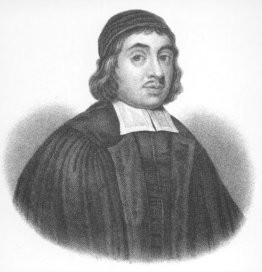
Precious Remedies Against Satan's Devices, Chapter 8
Ephesians 6:11-12
In Chapter 8 of "Precious Remedies Against Satan's Devices," Thomas Brooks addresses the doctrines of sin, temptation, and the strategies of Satan as discussed in Ephesians 6:11-12. Brooks lays out six propositions highlighting that while Satan plays a significant role in tempting individuals to sin, the innate corruption of human hearts primarily drives sin. He reinforces the notion that although Satan seeks to ensnare, his power is limited; temptation requires both God’s permission and human consent. Through Scripture, particularly from Matthew 15:19 and Romans 16:20, Brooks emphasizes that believers must rely on spiritual weapons — particularly the Word of God — to combat Satan's temptations. The significance of these doctrines is profound for the believer’s life, underscoring the importance of personal responsibility and reliance on divine grace to resist evil.
“Satan can only present the golden cup, but he has no power to force us to drink the poison that is in the cup.”
“When He tempts, we must assent. When He makes offers, we must hearken. When He commands, we must obey.”
“The only way to stand, conquer, and triumph is still to plead, it is written, as Christ did.”
“Though Satan be a roaring lion, yet Christ who is the lion of the tribe of Judah will make Satan fly and fall before you.”
The Bible teaches that while Satan tempts us, our sinful nature is the root cause of our sins.
Matthew 15:19, Ephesians 6:11-12
We can resist Satan by using spiritual weapons, particularly the Word of God.
Ephesians 6:13, 2 Corinthians 10:4
Understanding Satan's nature helps Christians recognize the strategies he uses to tempt and accuse them.
1 Peter 5:8, Romans 16:20
Satan can only act against us with permission from God and our own consent.
Job 1:12, Luke 22:31
Auto-generated transcript • May contain errors

Comments
Your comment has been submitted and is awaiting moderation. Once approved, it will appear on this page.
Be the first to comment!