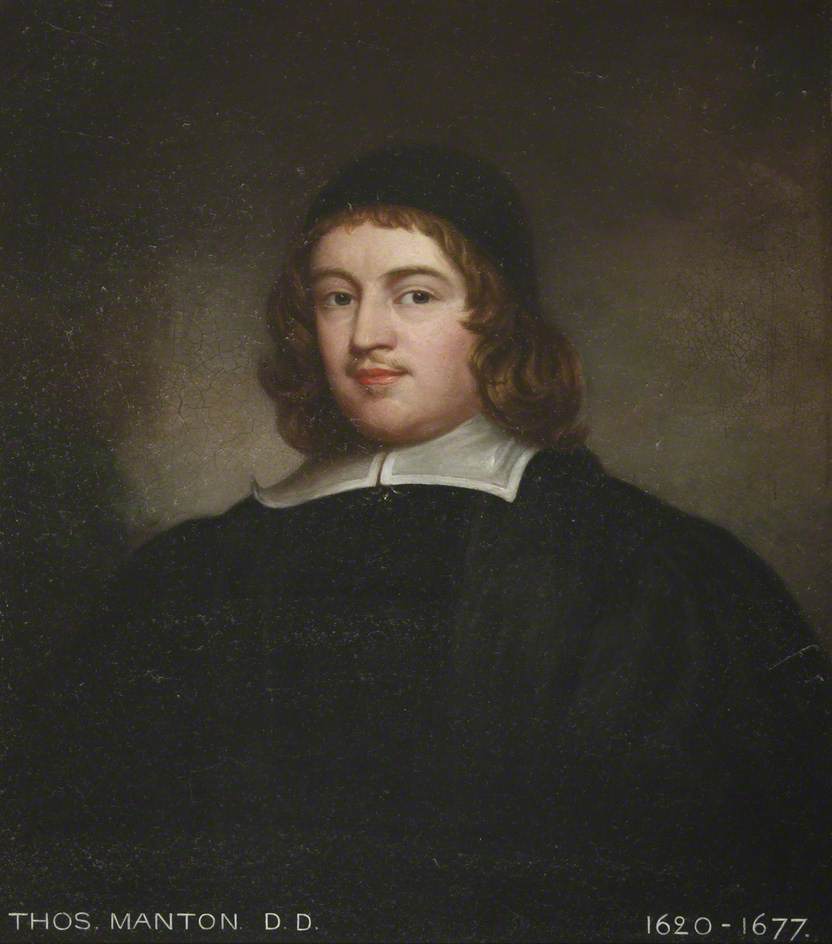
The article focuses on the theological implications of the tongue and its moral significance, as discussed in James 3:3-4. Thomas Manton draws comparisons between the tongue and two small yet powerful instruments: the bit that guides a horse and the rudder that steers a ship. He emphasizes that just as these small elements can control sizeable entities, the tongue, though small, can have a substantial influence on one's moral life. Manton supports his arguments with Scripture, notably referencing Proverbs 21:23, which highlights the importance of guarding one's speech to avoid calamity. The practical significance of this doctrine is the recognition of the tongue's power, fostering a call for self-control among believers as they navigate their spiritual lives and interactions with others.
Key Quotes
“When we put bits into the mouths of horses to make them obey us, we can turn the whole animal.”
“In the same way, the guiding of the tongue—a little part—may be of just as great consequence in moral matters.”
“He who guards his mouth and his tongue keeps himself from calamity.”
“Do not neglect small things; he loses a great deal who despises the day of small things.”
What does the Bible say about the power of the tongue?
The Bible emphasizes that the tongue, though small, has great power to influence and guide moral matters.
James 3:3-4, Proverbs 21:23
How do we know that small things have great significance according to the Bible?
The Bible illustrates that small things, like the tongue, play a crucial role in guiding larger actions and moral decisions.
James 3:3-4, Zechariah 4:10
Why is it important for Christians to control their speech?
Controlling one's speech is crucial for Christians as it reflects moral integrity and obedience to God's wisdom.
James 3:3-4, Proverbs 21:23, Proverbs 16:20
Whenweputbitsintothemouthsofhorsestomakethemobeyus,wecanturnthewholeanimal. Or take ships as an example. Although they are so large and are driven by strong winds, they are steered by a very small rudder wherever the pilot wants to go.
In these two verses are comparisons that need less comment. They show that little things can guide great bodies, as in the case of a bridle and a rudder. In the same way, the guiding of the tongue, a little part, may be of just as great consequence in moral matters. By the bridle we keep the horse from stumbling, and by the rudder we keep the ship from the rocks. So Solomon says, “He who guards his mouth and his tongue keeps himself from calamity” (Proverbs 21:23).
Notes on Verses 3-4
Note 1. It is good to illustrate divine truths by earthly examples.
(1) Our knowledge comes through the senses. From things known we understand better those that are unknown. From an earthly matter, with which we are acquainted, we get an idea of the worth of what is spiritual.
(2) In illustrations, the thing is portrayed twice over. If we use them more, we are more fit for occasional meditation, and we understand spiritual things more clearly.
Note2. Nature, art, and religion show that the smallest things, wisely ordered, may be of great use. Do not neglect small things. He loses a great deal who “despises the day of small things” (Zechariah 4:10).
Note 3. God’s wisdom is much in evidence since man is endowed with the ability to invent. A wild creature such as the horse is tamed with a bridle; things so bulky as ships are steered against the violent winds with a small helm. Aristotle says this is a matter worthy of consideration. These skills are all from the Lord: “See, it is I who created the blacksmith who fans the coals into flame and forges a weapon fit for its work” (Isaiah 54:16). God left these inventions to human work, but he gave men the abilities. In the case of embroidery, “I have filled [Bezalel] with the Spirit of God” (Exodus 31:3). For farming, see Isaiah 28:24-26; for war, Psalm 144:1. So then, bless God for his various gifts for mankind’s welfare, and wait on him so that you may understand your calling: “Whoever gives heed to instruction prospers, and blessed is he who trusts in the LORD” (Proverbs 16:20). You must wait on the Lord for skill and for success. He teaches you how to tame the horse and how to steer the ship.
Note4. From the first simile, note that men, because of their natural fierceness, are like wild animals. Man aspired to be God but became “like the beasts that perish” (Psalm 49:12). The psalmist says, “Do not be like the horse or the mule, which have no understanding but must be controlled by bit and bridle” (Psalm 32:9). To keep them from doing harm, men’s tongues must be restrained. We possess a wantonness by which we kick against God’s precepts (see Deuteronomy 32:15). It is by God’s mercy that we are restrained. This natural fierceness is calmed through the control of the tongue.

Comments
Your comment has been submitted and is awaiting moderation. Once approved, it will appear on this page.
Be the first to comment!