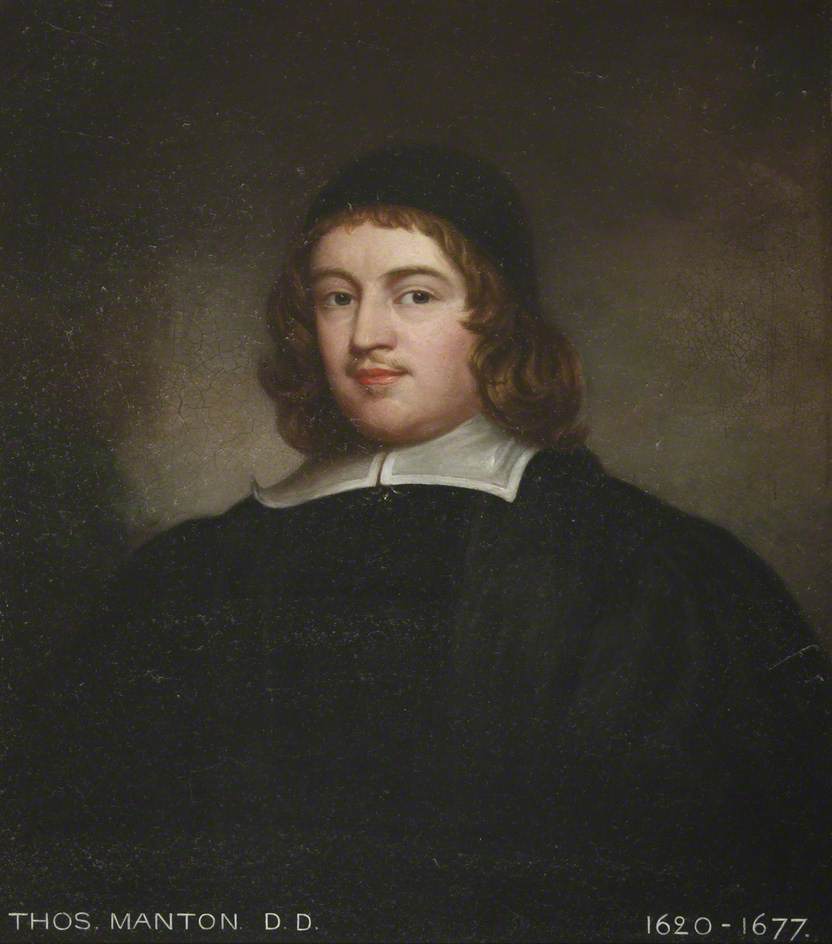
The article addresses the theological implications of James 3:9, focusing on the dual use of the tongue to bless God while cursing mankind, who is made in God's image. Thomas Manton argues that the usage of speech should be dedicated to praising God, as articulated in Psalm 51:15, affirming that the inherent gift of speech is meant for divine glory. He cites multiple Scripture references, including Ephesians 5:4 and Genesis 1:26, demonstrating that believers, as new creations in Christ, should use their tongues to reflect God's righteousness and holiness rather than hypocrisy. The practical significance of this teaching lies in its call to Christians to honor others created in God's likeness, cautioning against the moral dangers of slander and poor speech, which ultimately dishonors God himself.
Key Quotes
“You use the same part of your body for the best and worst purposes.”
“The correct use of the tongue is to bless God... This is the advantage we have over creatures that we can be explicit in praising God.”
“True piety makes people meek and humble.”
“Consider who the sin is against; it is spiting God himself because it is done to his work and image.”
What does the Bible say about the use of our tongues?
The Bible teaches that our tongues should be used to bless God and not to curse others, reflecting the dual nature and importance of our speech.
James 3:9, Psalm 51:15, Ephesians 5:4
Why is using our tongues to bless God important for Christians?
Using our tongues to bless God is vital as it aligns our speech with divine purposes and fosters a relationship with our Creator.
James 3:9, Psalm 145:10
How do we know that humans are made in God's image?
The concept of humans being made in God's image is rooted in Genesis 1:26, which emphasizes our unique rationality and moral capabilities.
Genesis 1:26, Colossians 3:10
Why should Christians refrain from cursing others?
Christians should refrain from cursing others because it contradicts their identity as bearers of God's image and His authority.
James 3:9, Genesis 1:26, Psalm 50:16-20
WiththetonguewepraiseourLordandFather,andwithitwecursemen,whohavebeenmadein God’s likeness.
Here James shows the good and bad use of the tongue: the good, to bless God; and the bad, to curse men—as well as the absurdity of doing both with the same tongue. You use the same part of your body for the best and worst purposes.
I will explain the phrases in the notes.
Notes on Verse 9
Note 1. The correct use of the tongue is to bless God: “O Lord, open my lips, and my mouth will declare your praise” (Psalm 51:15). Since God gives the gift of speech, he must have the glory; we owe it to him. This is the advantage we have over creatures, that we can be explicit in praising God. “All you have made will praise you, O LORD; your saints will extol you” (Psalm 145:10). The whole creation is like a well-tuned instrument, but man makes the music. Speech, being the most excellent faculty, should be consecrated to divine uses: “Nor should there be obscenity, foolish talk or coarse joking, which are out of place, but rather thanksgiving” (Ephesians 5:4). So then, go away and say, “I will extol the LORD at all times; his praise will always be on my lips” (Psalm 34:1). This brings heaven on earth. Some birds sing in winter as well as in spring. Stir up one another (Ephesians 5:19), just as one bird sets a whole flock singing.
Note 2. Our Lord and Father. That is, Christ (see 1:27). We bless God most cheerfully when we consider him as a father. Thoughts of God as a judge do not bring comfort. Our meditations on him are sweet when we look on him as a father in Christ. But not everyone can learn the Lamb’s new song (Revelation 14:3). Wicked men can howl, though they cannot sing. Pharaoh in his misery could say, “The LORD is in the right” (Exodus 9:27).
Note3. Andwithitwecursemen. The same tongue should not bless God and curse men; this is hypocrisy. Acts of piety are empty when acts of charity are neglected: “God says, ‘What right have you to recite my laws or take my covenant on your lips? … You use your mouth for evil and harness your tongue to deceit. You speak continually against your brother and slander your own mother’s son’” (Psalm 50:16, 19-20). Hypocrites are the most censorious, but true piety makes people meek and humble. Some people can curse and bless at the same time: “With their mouths they bless, but in their hearts they curse” (Psalm 62:4); other people curse, pretending to be pious. The evils of the tongue, where they are not restrained, are inconsistent with true piety. With this tongue I have been speaking to God, and shall it presently be set on fire by hell?
Note4. Man is made after God’s own image: “Let us make man in our image, in our likeness” (Genesis 1:26). We may catch glimpses of God in his works, but in man we see God’s very image and likeness. God’s image in man consists in three things:
(1) In his nature, which was rational. God gave man a rational soul, simple, immortal, free in its choice; indeed, in the body there were some rays of divine glory and majesty.
(2) In those qualities of “knowledge” (Colossians 3:10), “upright[ness]” (Ecclesiastes 7:29), and “true righteousness and holiness” (Ephesians 4:24).
(3) In his state—all inward and outward blessings combined, as he enjoys God, exercises power over creatures, etc.
But this image is defaced and can only be restored in Christ. This was the great privilege of our creation—to be made like God; the more we resemble him, the more happy we are. Remember your original height. We urge people to walk worthy of their origins. Plutarch says of Alexander that he used to strengthen his courage by remembering that he came from the gods. Remember that you were made in the image of God; do not deface it in yourselves or make it open to contempt by giving others opportunity to revile you.
Note5. We are dissuaded from slandering and speaking evil of others when we consider that they are made in God’s image. I shall inquire how this can be a motive and wherein its force lies.
(1) How can this be a motive, since the image and likeness of God is defaced and lost by the fall? I answer:
a. He is speaking about new creatures especially, in whom Adam’s loss is repaired and made up again in Christ: “[You] have put on the new self, which is being renewed in knowledge in the image of its Creator” (Colossians 3:10). “Put on the new self, created to be like God in true righteousness and holiness” (Ephesians 4:24). God is sensitive about his new creatures; intemperance of tongue against saints is dangerous. As the centurion asked, “What are you going to do? This man is a Roman citizen” (Acts 22:26), so take care what you say: these are Christians, created in God’s image, choice pieces whom God has restored out of the common ruins.
b. He may be speaking about all people, for there are a few relics of God’s image in everyone: “Whoever sheds the blood of man, by man shall his blood be shed; for in the image of God has God made man” (Genesis 9:6). There would be no force in this reason if there were nothing of God left in man after sin, though much deformed. So this saying in James argues that there still remains in people some resemblance to God, such as the simplicity and immortality of the soul; some moral inclinations instead of true holiness; ordinary evidences of the nature and will of God instead of saving knowledge. Although these cannot make us happy, they serve to leave us without excuse. There is also some preeminence over other creatures, as we have a mind to know God, being capable of divine illumination and grace.
(2) Wherein lies the force of the argument—cursing man made in God’s image? I answer:
a. God has made man his deputy to receive love and common respect. Higher respect of trust and worship are to be reserved for God alone, but in other things Christians, even the poorest of them, are Christ’s receivers. “He who rejects you rejects me” (Luke 10:16). “Whatever you did not do for one of the least of these, you did not do for me” (Matthew 25:45).
b. God himself is wronged by the injury done to his image, just as among men contempt and spite for the king’s image or coin is done to the king himself. In Matthew 23:18 to swear by the altar, which was the symbol of God’s presence, was to swear by God.
c. This is the fence God has placed against injury: “for in the image of God has God made man” (Genesis 9:6). This is referred not to the murderer, as if he had sinned against those common ideas of justice and right in his conscience, but to the victim, who is the image of God. God has honored this lump of flesh by stamping his own image on him; and who would dare to violate the image of the great King? To speak evil against him is to wrong the image of God. All God’s works are to be looked on and spoken of with reverence, and much more his image.
So then, in your behavior toward people let this check any injury or impropriety of speech: this person is in God’s image. Though images are not to be worshiped, yet the image of God is not to be splattered with reproaches, especially if they are new creations: these are vessels of honor. Consider who the sin is against: it is spiting God himself, because it is done to his work and image. Solomon says, “He who mocks the poor shows contempt for their Maker” (Proverbs 17:5).

Comments
Your comment has been submitted and is awaiting moderation. Once approved, it will appear on this page.
Be the first to comment!