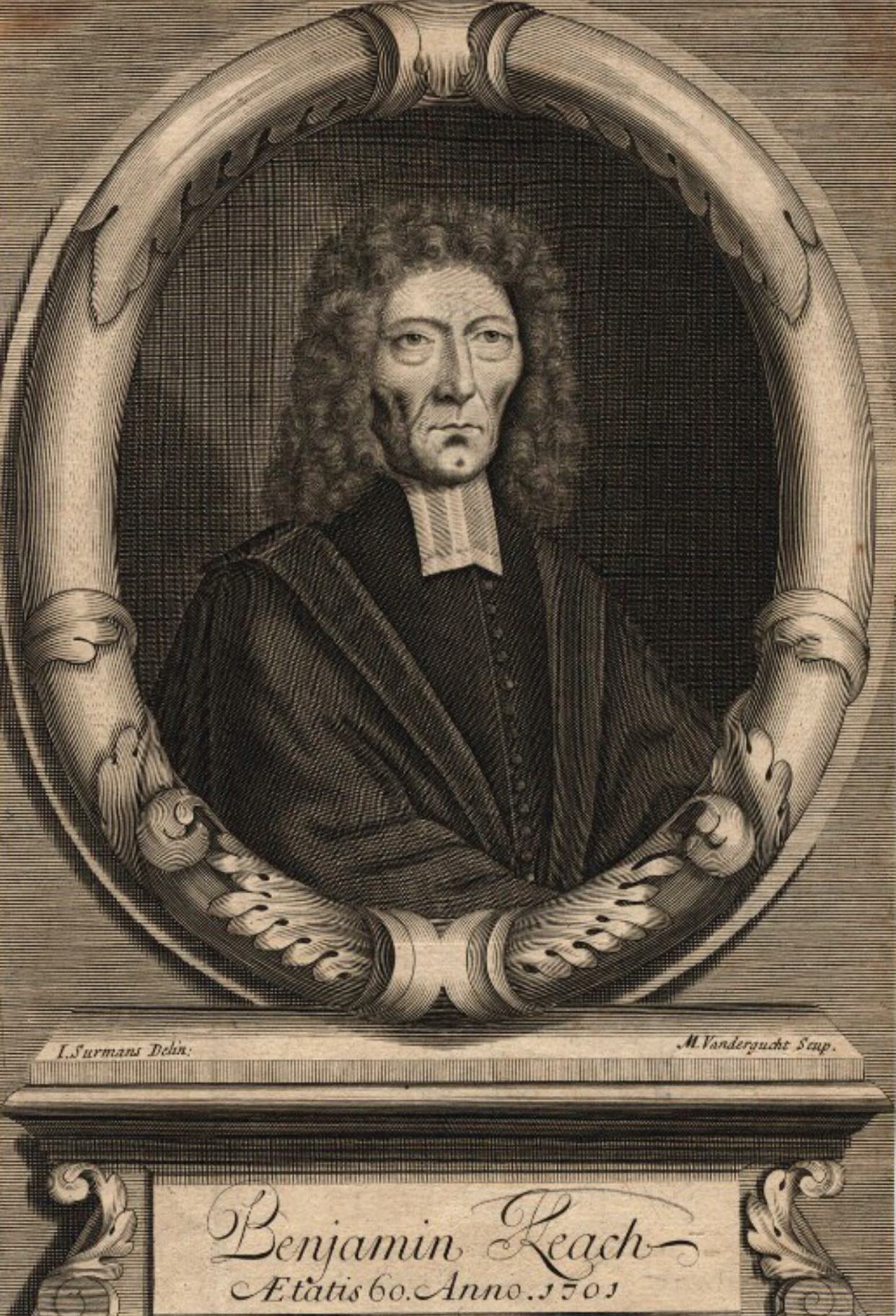
In "Christ the Lily of the Valleys," Benjamin Keach explores the metaphorical significance of Jesus Christ as the "Lily of the valleys," drawing from Song of Solomon 2:1. Keach illustrates how this imagery encapsulates Christ's multifaceted qualities, including His beauty, holiness, fruitfulness, humility, and healing power. Specific Scriptures, such as Revelation 19:8 and Revelation 3:4, support these points by highlighting Christ’s purity and the transformative aspect of His nature. Furthermore, the practical significance of the metaphor encourages believers to emulate Christ's humility and holiness in their own lives, underscoring the importance of these virtues in the pursuit of godliness.
Key Quotes
“I am the Rose of Sharon and the Lily of the valleys.”
“Purity is essential originally perfectly and absolutely inherent in Christ; he is holiness itself.”
“Jesus Christ is exceeding fruitful from this Root for so he is called.”
“As Christ is humble so holiness and humility are the glorious ornaments of a Christian.”
What does the Bible say about Jesus being the Lily of the Valleys?
The Bible refers to Jesus as the Lily of the Valleys in Song of Solomon 2:1, highlighting His beauty, holiness, and humility.
Moreover, the metaphor of the lily serves to communicate Christ’s humble nature. Though He is exalted above all creation, He 'hangs down His head' in humility, manifesting the character trait that is essential for all Christians. The beauty of Christ’s humility stands as a model for believers to strive for holiness intertwined with humility, which fosters a more profound relationship with God and with one another.
Song of Solomon 2:1, Revelation 19:8, Revelation 3:4
How do we know Jesus is holy?
Jesus is proclaimed holy in Scripture, with His purity surpassing all creation as depicted in various biblical metaphors.
Furthermore, Christ's holiness is not merely a characteristic but His very nature. As the perfection of beauty, He embodies holiness itself. Holiness defines all aspects of His being, which is why He is worthy of our worship and adoration. Understanding His holiness inspires Christians to pursue a life of sanctification, reflecting His image and striving to rid ourselves of sin. Thus, His holiness serves both as a comfort and a challenge for believers to ever grow in their relationship with Christ.
Revelation 19:8, Revelation 3:4
Why is humility important for Christians?
Humility is essential for Christians as it reflects Christ’s character and is a prerequisite for holiness.
Christians are called to emulate this humility in their lives, recognizing that it is a vital component of their spiritual maturity. Humility fosters a spirit of dependency upon God, invites accountability within the body of Christ, and promotes genuine love among believers. As seen in Revelation 3:4, those who walk with Christ in humility and holiness are deemed worthy to share in His glory. Thus, humility not only honors God but also enriches our community as it leads to deeper, more meaningful relationships with others.
Matthew 11:29, Revelation 3:4
CHRIST THE LILY OF THE VALLEYS
"I am the Rose of Sharon, and the Lily of the valleys" Song 2:1.
MOST expositors agree that these (foregoing words) are the words of our blessed Lord and Saviour Jesus Christ: "I am the Rose of Sharon, and the Lily of the valleys." Wherein he expresseth his own excellencies, to draw, allure, and enamour the souls of those that love, and long after him: how fitly may he be compared to a Rose we have showed in this book, in some other place, to which we refer you. And as there is great and lovely beauty and amiableness set forth by a Rose; so here, I shall by his assistance, endeavour to set forth his delicious qualifications, by a Lily; the Lily of the valleys.
METAPHOR
I. A Lily is a sweet and a fragrant flower, yet of such a strong and odoriferous scent that a man's senses (naturalists say) will be easily overturned with the sweet savour thereof.
PARALLEL
I. THE Lord Jesus Christ may very fitly be compared to the Lily, whose savour and spiritual sweetness very much excels and transcends the sweetest of any odours that can be mentioned; the honey and the honey-comb are sweet to the smell, and sweeter to the taste: O then how sweet is the precious savour of our blessed Saviour! See Rose of Sharon.
METAPHOR
II. A Lily is white and very beautiful; within it are seven grains or seeds, of the colour of gold, so amiable that our Saviour saith, "Solomon in all his glory was not adorned like one of these:" for whiteness it exceeds all flowers.
PARALLEL
II. Whiteness denotes holiness; it is said of the bride, the Lamb's wife, "To her was granted, that she should be clothed in white," Re 19:8. And of those "Few names in Sardis, which had not defiled their garments, these (saith Christ) shall walk with me in white, for they are worthy," Re 3:4. Purity is essential, originally, perfectly, and absolutely inherent in Christ; he is holiness itself, his glory is infinite, within and without, every way glorious; the perfection of beauty.
METAPHOR
III. It is observed that the Lily is exceeding fruitful; Una radice quinquagenos sæpe emittente bulbos; one root puts forth fifty bulbs or scalion.[1]
[1] Pliny, lib. xxi. cap. 5
PARALLEL
III. Jesus Christ is exceeding fruitful, from this Root, (for so he is called) how many Lilies, or holy, and heavenly churches, have there sprung? yea, from this blessed Lily many thousands of holy and sanctified Christians. See the metaphor Vine.
METAPHOR
IV. Pliny saith, Lib. xxi. c. 5, The Lily is the tallest of flowers, yet hangs down its head.
PARALLEL
IV. Jesus Christ is higher than the mighty princes, kings and emperors of the earth, higher than heaven or angels, and yet humble and lowly in heart; therefore he is compared to the Lily of the valley, his exaltations, as God very high; but in his humiliation, he seems to hang down his head.
METAPHOR
V. The Lily is a flower that hath many medicinal virtues; the distilled water of a Lily is good to restore a lost voice, it helps faintness, is good for the liver, helps the dropsy; and the oil of it is good for divers maladies, says Galen.
PARALLEL
V. The great and incomparable virtue that is in the Lord Jesus Christ, is excellently good to cure all the diseases and maladies of the soul; it cures spiritual blindness, it softens a hard heart, it cures stubbornness and obstinacy, by his blessed infusion of grace; in a word, there is no malady too hard for this spiritual Physician. See Physician and Heart. And for other properties of the Lily, see more where the Church is compared to it. For disparity, see Rose of Sharon.
APPLICATI0N.
FROM hence we may seasonably learn to be humble, seeing the Lily which is said to be of a tall growth, yet hangeth down its head. As Christ is humble, so holiness and humility are the glorious ornaments of a Christian. That Christian that hath most holiness, hath most humility. The ear of wheat which is well kernelled and fullest, hangs down its head most.

Comments
Your comment has been submitted and is awaiting moderation. Once approved, it will appear on this page.
Be the first to comment!