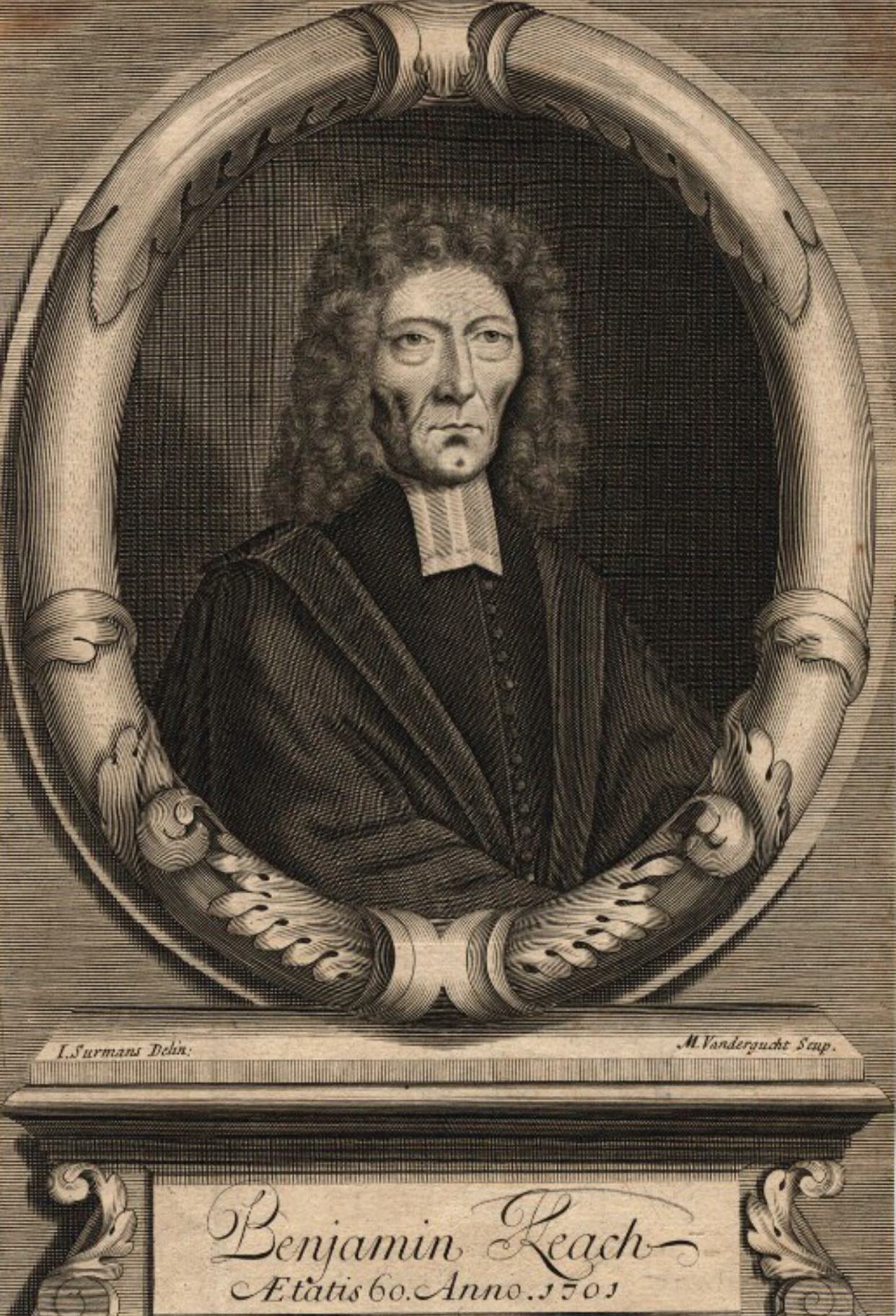
The article "The Word of God the Sword of the Spirit" by Benjamin Keach delves into the metaphorical understanding of the Bible as the "Sword of the Spirit," based on Ephesians 6:17. Keach articulates that the Word of God serves as both a defensive and offensive weapon in spiritual warfare, essential for all Christians regardless of rank. He discusses multiple facets of this metaphor, emphasizing that the Word can defend against sin and Satan while also delivering judgment against the wicked. Key Scripture references such as Hebrews 4:12, Matthew 4:4-8, and 2 Timothy 3:15-17 are employed to support his arguments, highlighting the spiritual power and authority of Scripture. The practical significance lies in urging believers to fully utilize and cherish the Scriptures, recognizing them as vital for spiritual battles, while criticizing the denial of Scripture’s authority by certain church traditions.
Key Quotes
“The Word of God is a spiritual weapon by which a Christian doth not only defend himself from the danger of sin and Satan... but by it he offends yea cuts down and overcomes...”
“If the Spirit use it, it will soon enter into and pierce the heart of a sinner...”
“The scriptures must be read and can be understood by no spirit but that alone by whom they were made.”
“Let every Christian and true Englishman resolve to die upon the spot rather than lose the Word or suffer their Sword to be taken from them.”
What does the Bible say about the Word of God as a sword?
The Bible compares the Word of God to a sword, representing its power in both defense and offense against sin and Satan (Ephesians 6:17).
Ephesians 6:17, Psalm 119:92, Matthew 4:7
How do we know the power of the Word of God?
The power of the Word is affirmed in Hebrews 4:12, which states it is sharper than any two-edged sword, piercing the heart.
Hebrews 4:12, Acts 2:37
Why is the Word of God important for Christians?
The Word of God is crucial for Christians as it equips them for spiritual warfare and guides them in truth (2 Timothy 3:15-17).
2 Timothy 3:15-17
THE WORD OF GOD THE SWORD OF THE SPIRIT
"And the Sword of the Spirit, which is the Word of God" Eph 6:17.
Two things may be enquired into, and in both these respects we shall run the parallel.
1. Why the Word of God is compared to a Sword?
2. Why the Word is called the Sword of the Spirit?
1. Some take, as Mr. Gurnall observes,[1] the abstract here to be put for the concrete, pneuma for pneumatikov, Sword of the Spirit, for the spiritual Sword; as if it were no more but to take the spiritual Sword which is the Word of God, according to that of the apostle, 2Co 10:4, "The weapons of our warfare are not carnal, but mighty;" that is, spiritual weapons: indeed Satan being a spirit, must be fought with spiritual weapons; and such is the Word of God, viz., a spiritual Sword; but this though true, reacheth not the full sense of the place, where wneuma is taken personaliter, for the person of the Holy Spirit.
[1] Gurnall's Christian's Armour, page 297.
METAPHOR
I. A Sword is a weapon Generally made use of by all soldiers of every rank and quality: the captain, as well as the ordinary soldier, hath and ought to have his Sword.
PARALLEL
I. The Word of God, the spiritual Sword, every Christian, of what rank or quality whatsoever, maketh use of, and cannot, ought not to be without it; the Captain General fought with this weapon himself; ministers, as well as every private Christian, ought always to be armed herewith, Mt 4:4-8.
METAPHOR
II. A Sword is a weapon by which they do not only defend themselves, but also do great execution upon their enemies.
PARALLEL
II. So the Word of God is a spiritual weapon, by which a Christian doth not only defend himself from the danger of sin, and Satan, the world &c., but by it he offends, yea, cuts down and overcomes and vanquishes all these and other cruel enemies of the soul. (1.) The Word is a defensive weapon. Saith David, "By the Word of thy lips, I have kept me from the paths of the destroyer." "Unless thy law had been my delight, I should have perished in my affliction," Ps 17:4; 119:92. (2) Offensive; by it our blessed Captain made the prince of darkness fly. "It is written, thou shalt not tempt the Lord thy God," Mt 4:7.
METAPHOR
III. A Sword is a keen, sharp, piercing weapon; it will enter into the body, and pierce the very heart of a man.
PARALLEL
III. "The Word of God is sharper than any Sword," Heb 4:12. If the Spirit use it, it will soon enter into and pierce the heart of a sinner, as appears by that notable instance concerning those Jews that put the Lord Jesus to death; whilst Peter preached the word to them, it is said, they were pricked in their hearts," Ac 2:37.
METAPHOR
IV. A Sword is an honourable weapon, and of great antiquity; it hath been in use from the beginning, a weapon that no enemy hath any just cause to quarrel with.
PARALLEL
IV. The Word of God is an honourable weapon, our Saviour and all holy prophets and good men would never else have make use of it: it is also of great antiquity, the writings of Moses as it is observed by divers, were before any human records. No devil nor vile heretic hath any cause to except against it, or to quarrel with the holy scripture.
METAPHOR
V. Some Swords have two edges, they will cut both ways, they will cut backwards and forwards, as they go in and as they come out.
PARALLEL
V. "The Word of God is quick and powerful, sharper than any two-edged Sword;" it hath a two-fold operation at one time, as it is used by the ministers of the Gospel, it wounds the souls of the elect in order to healing, and it wounds the reprobate in order to damning, to such it may be called a killing letter. "To the one we are the savour of life unto life, to the other the savour of death unto death," 2Co 2:16.
METAPHOR
VI. A Sword will cut off a member; many a leg and arm have been cut off therewith.
PARALLEL
VI. The Word of God hath cut off many a member of the old man, it will cut off a right-hand lust of profit, or a right-eye lust of pleasure.
METAPHOR
VII. Some wounds of a Sword are so mortal, that there is no cure; for them.
PARALLEL
VII. So some wounds that many sinners receive, are such, that there is no cure for them, viz., such who have sinned the unpardonable sin. "There is a sin unto death," 1Jo 5:16.
METAPHOR
VIII. A Sword is borne oftentimes before a magistrate, to signify authority and justice. "He bears not the sword in vain," Ro 13:4.
PARALLEL
VIII. He that bears the Word of the Spirit, shows he is a man that hath great authority for what he says, and that he is a person for right and justice; it is that which decides all doubtful cases, &c.
METAPHOR
IX. A Sword is a victorious weapon, it hath done great execution in the world. Joshua made great slaughter upon the seven nations of Canaan with the Sword; it is said, he puts all the souls in several cities to the edge of the Sword.
PARALLEL
IX. So the Word of God, the Sword of the Spirit, is a glorious and victorious weapon, which will appear, if we consider how many it hath struck down dead, and sentenced to eternal death; how many strong enemies hath been slain and subdued by it, strong lusts, strong devils, strong and vile heretics; it is a victorious Sword. It is called the Sword of the Spirit.
1. Because it is a spiritual weapon, but that is not all.
2. Because the Spirit is the Author of it, a weapon it is, saith Gurnal, page 297, which his hand alone formed and fashioned, it came not out of any creature's forge, "Holy men of God spake as they were moved by the Holy Ghost," 2Pe 2:21.
3. The Holy Spirit is the only true interpreter of the word, whence we have that known passage of Bernard; Quo Spiritu factæ sunt scripturæ, eo Spiritu legi desiderant ipso etiam intelligendæ. The scriptures must be read, and can be understood by no spirit, but that alone, by whom they were made.
4. Because the Spirit only can give the Word its efficacy and power in the soul; it is the office of the Spirit, Sigillare animum rerum creditarum. Except he lay his weight on the truths we read, and hear, to apply them close, and as it were cut then: very image & our minds and hearts, they leave no more impression than a seal sets upon a stone or rock. The Spirit will do nothing for believers without the word, and they can do nothing to purpose without him, the Word is the Sword, and the Holy Spirit of Christ the arm that wields it: so that,
5. The like use that a sword is of to a soldier in war; the same is the Word to the Spirit in order to the cutting down, and spoiling all his and other's enemies.
INFERENCES.
I. This may teach believers, what excellent use the Word is of in all their spiritual wars with the devil, sin, and all other mortal enemies of their souls.
II. It may inform us what the great design of Satan is, in seeking so many manner of ways to take away the Word of God from us, or in making it of little or no use to us.
III. This justly reproves the cursed Papists and Church of Rome, in respect of their cruelty to the souls of men, in disarming them of their weapons; a people disarmed are soon overcome, and made a prey to their enemies; how can we defend ourselves when our Sword is taken out of our hands? They have some fig-leaves, saith one, to hide their shameful practice; they endeavour to persuade men they do them a kindness thereby, lest they should cut their fingers with it, &c. How doth the apostle condemn speaking in the church in an unknown tongue? All men are exhorted to read the scriptures, "search the scriptures;" but the Pope makes it no less than death, if not damnation, for the laity to have them in their own language to read or search, fearing lest it should spoil his trade.
IV. It reproves them for casting such contempt upon the scriptures, as if they were insufficient to direct us in the way of salvation. What horrid blasphemy and reproach is this, saith the same author, to the great God, to send his people into the field, and put such a wooden Sword in their hands, as is not sufficient to defend themselves or vanquish their enemies? and how much contrary is it to that of the apostle to Timothy, who saith, "It is able to make us wise unto salvation through faith in Christ Jesus; perfect, thoroughly furnished unto all good works," 2Ti 3:15,17.
V. Let us bless God and be truly thankful, we have this weapon left us yet; this is in our hands, and that all the world may know it hath done great things in our hearts. Let every Christian and true Englishman resolve to die upon, the spot, rather than lose the Word, or suffer their Sword to be taken from them.
VI. Let it also caution all Christians to take heed how they engage their enemy without their Sword.
VII. Labour also to know the right use of it, and how, and when to offend your enemy hereby, Satan is a cunning warrior: sometimes when thou art tempted to sin, may be he will tell thee it is a little one, what is a merry jest? to sport and game, to drink and carouse a little? when thou art thus beset draw thy Sword. "Make no provision for the flesh:" "If ye live after the flesh, ye shall die." "Put off the former conversation." "Without holiness no man shall see God." "How shall I do this thing, and sin against God?" Ro 13:14; 8:13; Heb 12:14.
VIII. Again, on the other hand, may be he will aggravate thy sin, to drive thee into despair, and tell thee by his evil suggestions, that there is no mercy for thee; then draw thy Sword again, "But he that confesseth and forsaketh his sin, shall find mercy," Pr 28:13. "I desire not the death of him that dieth," Eze 18:32. All manner of siu and blasphemy against the Father and the Son shall be forgiven unto men," &c. Mt 12:31, "Such were some of you," &c. 1Co 6:11.
IX. Yield up all your sins, though never so pleasant and profitable, to the edge of the Sword.
X. Prize and highly value the holy scriptures, the Word of God, and say, as David once did when he wanted a Sword, and it was told him there was none but the sword of Goliath, "none like that." Satan will, it is feared, ere long, make a diligent search for arms; do as David did, hide thy Sword: "Thy Word have I hid in my heart, that I might not sin against thee," Ps 119:11. Get many promises ready against thou be beset.

Comments
Your comment has been submitted and is awaiting moderation. Once approved, it will appear on this page.
Be the first to comment!