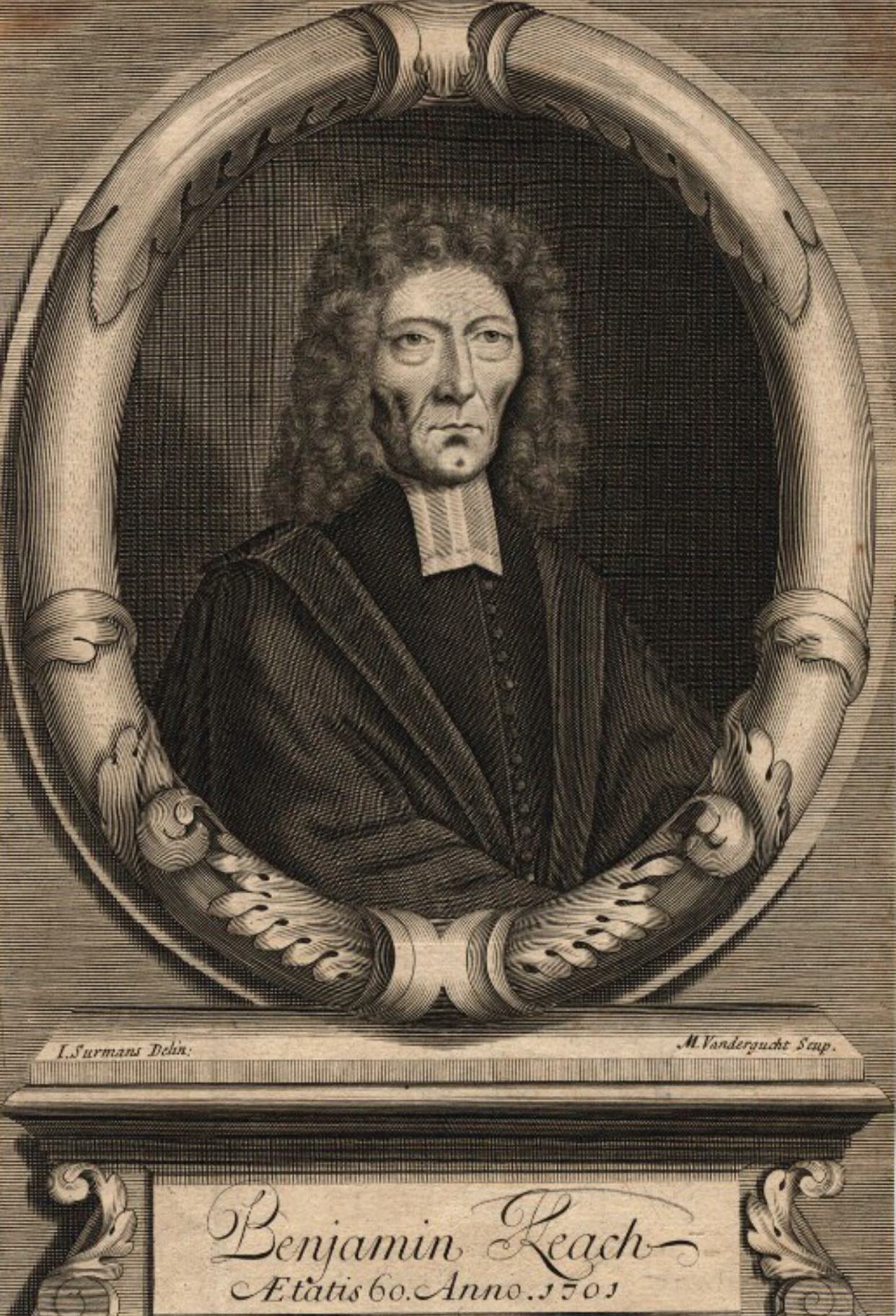
In "Professing the Gospel Compared to the Plough," Benjamin Keach explores the integral relationship between professing the Gospel and the transformative role it plays in the hearts of believers. Central to his argument is the metaphor of ploughing, where Keach identifies that just as a plough breaks and prepares the soil for sowing seeds, the Gospel works to prepare the sinner's heart for spiritual renewal (Hosea 10:12). He emphasizes that this process requires both divine power and human acknowledgment, asserting that without active faith and profession of the Gospel, true transformation cannot occur. Keach references scriptural examples such as Acts 2:37, where the Gospel's conviction leads to genuine repentance, highlighting the significance of the Gospel not only for initial conversion but for ongoing sanctification. The practical significance of this doctrine lies in the necessity for believers to continually engage with and profess their faith, maintaining diligence in their spiritual journey as a reflection of their commitment to Christ.
Key Quotes
“The Gospel is an instrument prepared and made fit by the Almighty to break or Plough up the fallow ground of our hearts.”
“The Gospel must be believed and professed by us; we must lay our hand on it and by the power of the Spirit it must as it were be drawn upon our hearts or it can do nothing.”
“That heart is not savingly wrought upon where one lust is spared and left untouched.”
“He that sets his hand to the Plough...and looks back is not fit for the kingdom of heaven.”
What does the Bible say about professing the Gospel?
The Bible emphasizes the importance of holding fast to the Gospel, as demonstrated in Luke 9:62, which warns against looking back after committing to the faith.
The Gospel functions as an instrument prepared by God to break up the fallow ground of our hearts (Hosea 10:12). Just as a plough is essential for farming, the Gospel is fundamental for spiritual cultivation. It is to be actively believed and professed by individuals, allowing the Holy Spirit to draw it upon their hearts, which is crucial for spiritual growth. The nature of this commitment extends beyond mere initial acceptance; it requires ongoing perseverance and faithfulness in the journey of life.
Luke 9:62, Hosea 10:12
How do we know the necessity of the Spirit in understanding the Gospel?
The necessity of the Spirit is evident as the Gospel comes not simply in words but in power and the Holy Spirit (1 Thessalonians 1:5).
Without the Spirit's intervention, mere words would fail to effectually penetrate the heart or bring about the changes necessary for true repentance and faith. The Spirit is who pricks the heart, as illustrated in Acts 2:37, where the listeners were deeply convicted. Therefore, acknowledgment of the Spirit's necessity underscores the theological understanding that human effort alone cannot save; it must be a divine work.
1 Thessalonians 1:5, Acts 2:37
Why is it important for Christians to engage in the work of 'ploughing' their hearts?
Engaging in the work of ploughing one's heart is crucial for cultivating fertile ground for the Gospel and growing in holiness.
Moreover, this work can be arduous, often likened to ploughing rocky ground filled with roots and weeds. It symbolizes the struggle against sin and the need for humble repentance to allow the Gospel to convict and transform the heart genuinely. The practice of regularly examining one’s self, repenting, and relying on the Spirit’s guidance underscores a commitment to holiness and preparation for fruitful service in God's kingdom. Christians must be diligent in this work, for it is essential for living out the faith authentically and progressing in their spiritual journey.
Hosea 10:12-13
PROFESSING THE GOSPEL COMPARED TO THE PLOUGH
"He that puts his hand to the Plough, and looks back, is not fit for the kingdom of heaven,
Lu 9:62.
"HE that puts his hand to the Plough," &c. Our Saviour means, preaching, owning, or professing the Gospel.
The professing the Gospel may in divers respects be compared to a Plough.
METAPHOR
I. A Plough is an instrument made fit for the husbandman, to break up and till his ground.
PARALLEL
I. The Gospel is an instrument, prepared and made fit by the Almighty, to break or Plough up the fallow ground of our hearts, Ho 10:12.
METAPHOR
II. The Plough cannot break up the ground of itself; it must be held and drawn, or nothing can be done by it.
PARALLEL
II. The Gospel must be believed and professed by us; we must lay our hand on it, and by the power of the Spirit it must, as it were, be drawn upon our hearts, or it can do nothing.
METAPHOR
III. It is a hard and difficult thing to plough up some ground, especially that which is rocky, full of roots, or hath long lain fallow.
PARALLEL
III. So it is a very difficult thing to convince and humble the hard and obdurate heart of a sinner, which is compared to a stone, and as firm as a rock: "Shall horses run upon the rocks? will one Plough there with oxen?" Eze 36:26; Am 6:12.
METAPHOR
IV. The Plough pierces deep into the earth, makes, as it were, deep gashes or wounds in the heart of it, discovering what sort of earth it is.
PARALLEL
IV. The Gospel pierces the heart of a sinner by powerful convictions: "When they heard this they were pricked," katenuhsan, punctim cædo, pungendo penetro, or pierced point blank, to the heart, Ac 2:37. Then the word divided, as it were, between the soul and spirit, laid the heart open, made a discovery of what was hid within.
METAPHOR
V. The work of the Plough is but opus ordinabile, a preparative work in order to sowing the seed.
PARALLEL
V. So the Gospel and Word of God, as a Plough, by its powerful convictions upon the conscience, is but a preparative work, in order to the sowing the seed of grace in the heart, Ho 10:12-13.
METAPHOR
VI. It is best Ploughing, when the earth is prepared and mollified by the showers of heaven, then the work goes on sweetly.
PARALLEL
VI. Never doth the Word of God so kindle work in Ploughing up the fallow ground of the heart, as when the Gospel-clouds dissolve, and the true grace and love of Jesus Christ comes sweetly showering down upon it.
METAPHOR
VII. The Plough turns up by the roots, and kills those rank weeds that grow in the field.
PARALLEL
VII. So the word of God by its powerful convictions and operations upon the heart kills sin at the root, causing the soul to loathe what it formerly loved.
METAPHOR
VIII. That field is not well Ploughed up where the Plough jumps and skips over some part of it, making baulks; and it must turn up all the whole field alike.
PARALLEL
VIII. That heart is not savingly wrought upon, where one lust is spared, and left untouched, or when it reacheth not to changing the evil qualities of every faculty. The Word must not reach the conscience only, but the judgment, will, and affections also.
METAPHOR
IX. New ground is much more easily Ploughed, than that which hath lain a long time untilled.
PARALLEL
IX. So youth, before evil habits, or a custom and course of sin, be taken, and more abundantly cleave to them, are, as it is found by experience, sooner wrought upon by the word of God, than old sinners, when sin hath got root in their hearts.
METAPHOR
X. In the last place, and more directly to the main drift and scope of the text, the Plough must he held throughout the whole journey; a man must not put his hand to it, and presently grow weary, and look back
PARALLEL
X. So the Gospel, and the profession thereof, must be held, owned, acknowledged, and professed, in truth, and in uprightness of heart, constantly, to the end, even through the whole journey, length, and race of our lives: we must not "grow weary, nor faint in our minds," Ga 6:9. "He that sets his hand to the Plough, i.e. confesses the Gospel, and looks back, is not fit for the kingdom of heaven," Lu 9:62.
INFERENCES.
I. This may convince all persons, what need there is of the Spirit to join in, and work with the word: "For our Gospel came not to you in the word only, but also in power, and in the Holy Ghost, and in much assurance," 1Th 1:5.
II. See that your whole soul be wrought upon, that there be a work upon every faculty thereof.
III. Take heed of a long continuance in a course of sin. Let the old sinner tremble but if wrought upon in his old age, admire the infinite grace of God.
IV. From hence you may perceive the hardening nature of sin.
V. Tremble at the thoughts of apostacy, and take heed you do not shrink your hands off in the day of trial, or refuse to Plough, because it is cold, or because the sun shines hot, &c.
Mr. JOHN FLAVEL'S Poem upon the PLOUGH.
There's skill in Ploughing, that the Ploughman knows:
For if too shallow or too deep he goes,
The seed is either buried, or else may
To crows and rooks become an easy prey.
This, as a lively emblem, fitly may
Describe the blessed Spirit's work and way,
Whose work on souls with this doth symbolize;
Betwixt them both thus the resemblance lies:
Souls are the soil, the Gospel is the Plough;
God's workmen hold, the Spirit shows them how.
The Spirit draws, and in good ground doth bless,
His workmen's pains with sweet and fair success.
In hearts prepared God scatters in the seed,
Which in its season springs. No fowl or weed
Shall pick it up, or choke this springing corn,
Till it be housed in the heavenly barn.
When thus the word Ploughs up the fallow ground,
When with such fruits his servants' work is crowned,
Let all the friends of Christ, and souls say now,
As they pass by these fields, God speed the Plough.

Comments
Your comment has been submitted and is awaiting moderation. Once approved, it will appear on this page.
Be the first to comment!