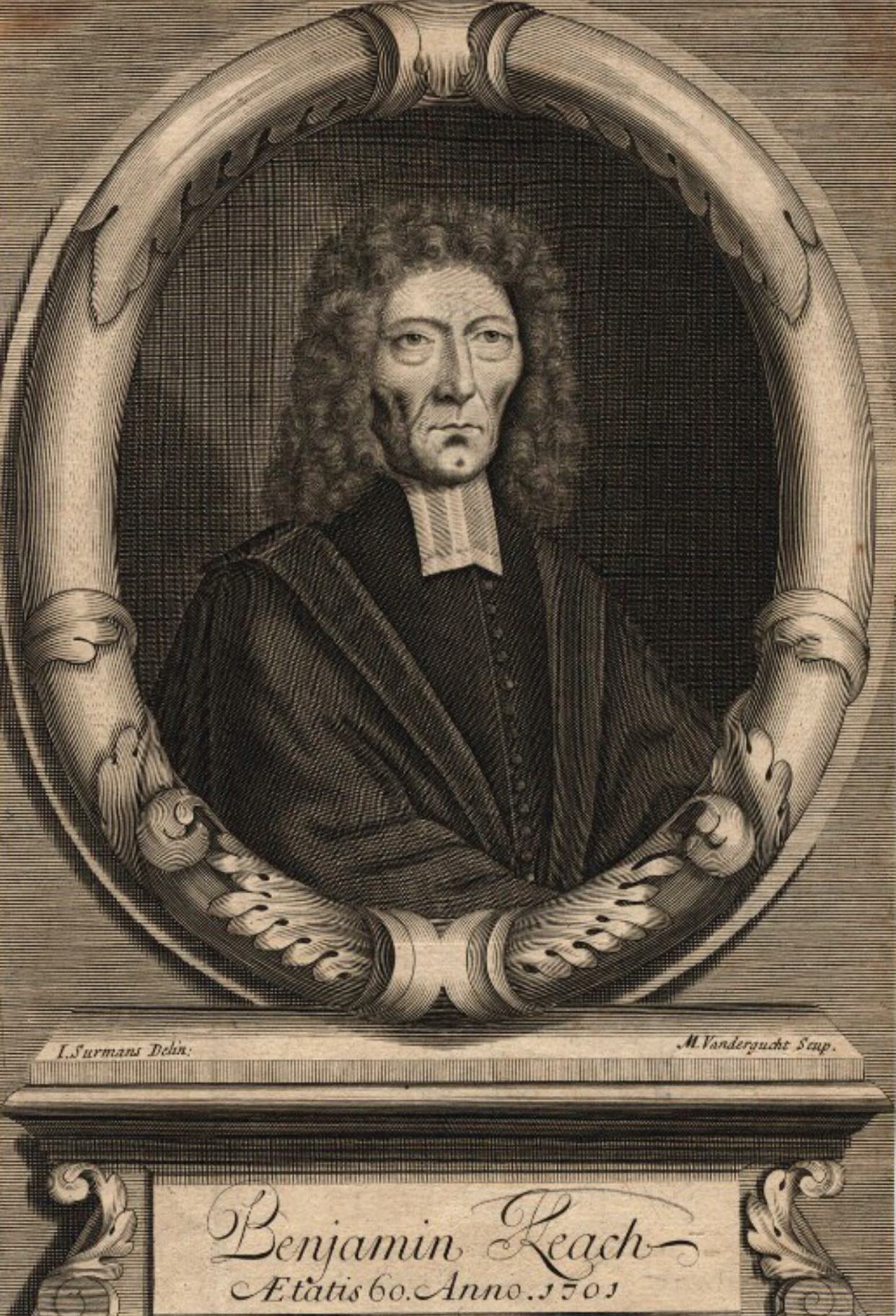
The article "The Word of God Compared to the Dew of Heaven" by Benjamin Keach primarily addresses the doctrine of Scripture's invisible yet powerful workings in the life of believers. Keach argues that just as dew falls quietly and insidiously, so do the operations of God's Word in the hearts of individuals, leading to spiritual growth that is often imperceptible. He supports his argument with various scriptural references, notably Deuteronomy 32:2, 2 Thessalonians 1:3, and Isaiah 55:11, which illustrate the transformative and sustaining nature of Scripture in the life of the believer. The practical implication of this doctrine highlights the assurance that God's Word, through its quiet persistence, cultivates faith and spiritual vitality, reinforcing the Reformed understanding of grace and divine sovereignty in the process of redemption.
Key Quotes
“No man can see the conversion of another ... nor can well discern his own.”
“The Word of God causes the soul to grow in grace; it makes the precious plants of God's vineyard to be green and flourish in all the fruits of the Spirit.”
“Who can hinder or stop the Word from operating upon the sinner's heart? If God will work, who shall let?”
“In the state of glory, the perfect day ... will that which is in part be done away.”
What does the Bible say about the Word of God?
The Bible describes the Word of God as powerful and fruitful, nourishing the soul like dew on tender plants.
Deuteronomy 32:2, 2 Thessalonians 1:3, Hosea 14:5, Isaiah 55:11, 1 Corinthians 13:10
How do we know the effectiveness of God's Word is true?
God's Word is effective as it accomplishes God's purposes and transforms hearts.
Isaiah 55:11, 2 Thessalonians 1:3
Why is understanding the metaphor of dew important for Christians?
Understanding the dew metaphor emphasizes the gentle yet powerful workings of God's grace in our lives.
Deuteronomy 32:2, Hosea 14:5
THE WORD OF GOD COMPARED TO THE DEW OF HEAVEN
"My doctrine shall drop as the rain, my speech shall distil as the Dew" De 32:2.
METAPHOR
I. DEW falls insensibly and invisibly; you may be in the field all night, and not perceive the dew fall, and yet find great dew upon the grass.
PARALLEL
I. So the operations and blessings of the Word, and graces thereof, are invisible; we feel the work, but the manner of the working thereof is unknown to us. No man can see the conversion of another, saith an eminent minister,[1] nor can well discern his own. The word works by little and little, like as the Dew falls.
[1] Dr. Sibbs.
METAPHOR
II. As Dew comes down undiscernibly, and invisibly, so also very sweetly, and in a mild manner.
PARALLEL
II. So the Gospel comes upon some men in a sweet and mild manner; it distils as it were upon them like Dew, although on others, it is true, the Word comes like a mighty and fierce rain. See Rain.
METAPHOR
III. Dew is of a fructifying nature; for falling especially on herbs and tender plants, it soaks into the roots of them, and makes them fruitful.
PARALLEL
III. So the Word of God causes the soul to grow in grace, it makes the precious plants of God's vineyard to be green, and flourish in all the fruits of the Spirit. The saints at Thessalonica, after they received the word, their faith grew exceedingly, 2Th 1:3. "I will be as the Dew unto Israel, and he shall grow as the lily," Ho 14:5.
METAPHOR
IV. Dew comes down irresistibly; who can stop or hinder the Dew from falling on the earth?
PARALLEL
IV. Who can hinder or stop the Word from operating upon the sinner's heart? If God will work, who shall let? "My Word shall not return to me in vain, it shall accomplish that for which I sent it," Isa 55:11
METAPHOR
V. Dew doth usually fall in the night.
PARALLEL
V. So the Word only comes upon men's hearts like Dew, whilst the night of this world continues. In the state of glory, the perfect day, this Dew will fall no more; no more preaching, nor means of grace will then be afforded to sinners, neither will saints have need of it: "For when that which is perfect is come, then, and not till then, will that which is in part be done away," 1Co 13:10.
METAPHOR
I. DEW is not sufficient to water some ground, nor to make the new-mown grass to spring and grow; that needs a plentiful rain.
DISPARITY
I. THE Word of God is not only a Dew, that sweetly waters and refreshes the tender herbs; but also it is sufficient to soak and well water the driest ground: hence it is compared to rain, as you heard before.

Comments
Your comment has been submitted and is awaiting moderation. Once approved, it will appear on this page.
Be the first to comment!