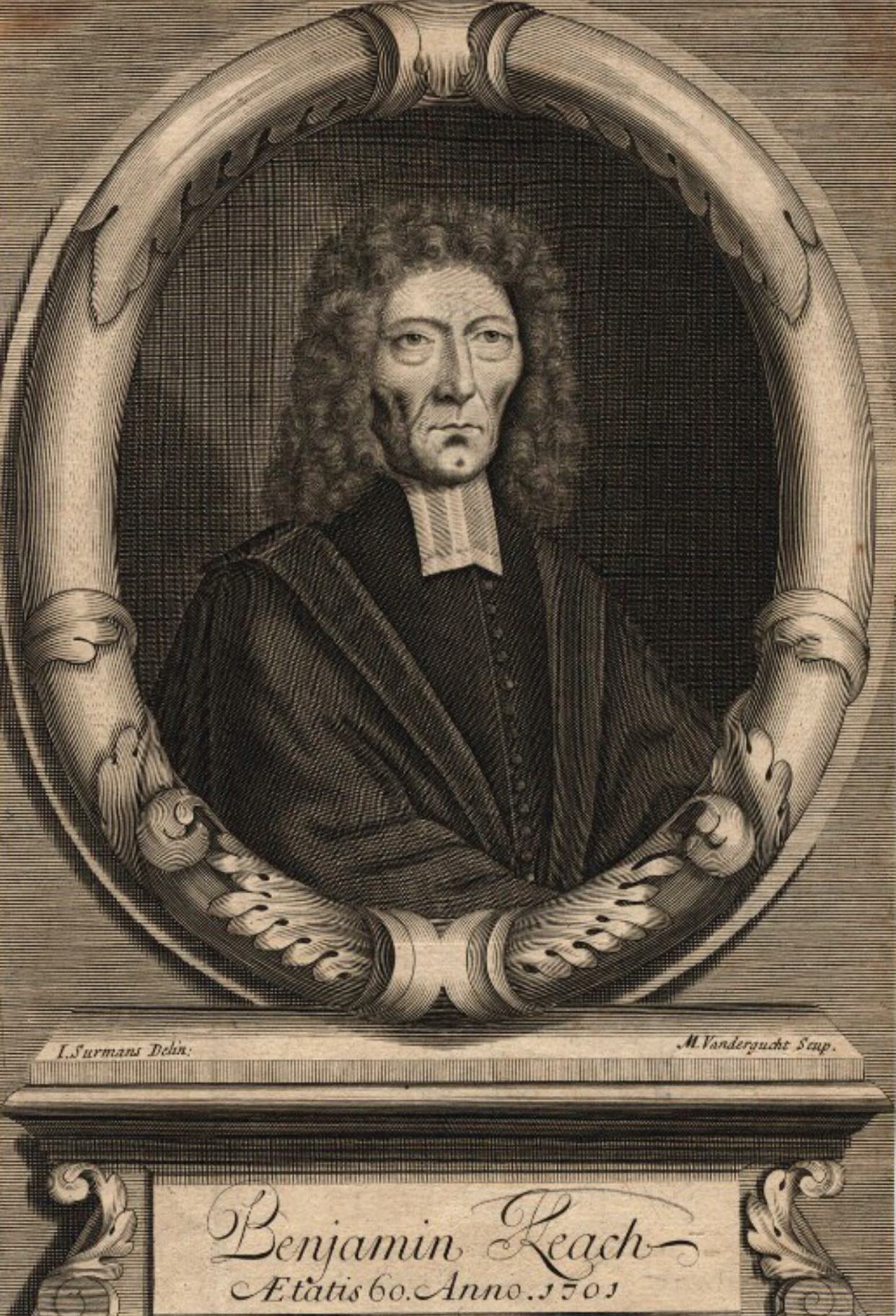
The article "Men Compared to Earth" by Benjamin Keach explores the theological metaphor of humanity in relation to the earth, drawing parallels between their physical and spiritual conditions. Keach argues that just as the earth is far from heaven and dependent on it for sustenance, so too are unregenerate men distant from God and reliant on divine grace for spiritual life (Ephesians 2:13). He presents several metaphors to illustrate the earthiness of humanity, highlighting how humans, like the earth, are prone to pride and ultimately return to dust (Genesis 3:19; Job 4:19). Keach emphasizes the need for humility, reminding readers of their mortality and frailty, which discourages pride in physical beauty or material possessions. Practically, this doctrine serves as a reminder of human dependence on God and the transitory nature of earthly existence.
Key Quotes
“Men being by reason of sin in a state of enmity... Ye that sometimes were afar off are now made nigh by the blood of Christ.”
“What a dark dungeon is Man's heart and in what Egyptian darkness would all Men and women be involved were it not for the light of the God of heaven.”
“Why should any mortals have such high towering thoughts of themselves... alas their bodies are nothing but Earth lumps of Earth?”
“All things were made in time and time will mar all things so long as generation continueth.”
What does the Bible say about man's relationship to Earth?
The Bible uses the metaphor of Earth to illustrate humanity's original state and dependency on God.
Jeremiah 22:29, Psalm 33:8, Ephesians 2:13, 1 Corinthians 15:48
How do we know that all people are naturally inclined to earthly things?
Scripture asserts that unconverted individuals mind the things of the flesh, evidencing their earthly inclination.
Romans 8:5
Why is it important for Christians to understand their origin from the Earth?
Understanding our origin from the Earth promotes humility and dependence on God.
Jeremiah 22:29
I. Of Men in general.
II. Of the godly, or good Men
III. Of sinners, or wicked Men.
MEN COMPARED TO EARTH.
"Hear, O Earth, Earth, Earth," Jer 22:29.
"Let all the Earth fear the Lord," Ps 33:8. "Let all the Earth keep silence,"
"But the Earth helped the Woman" Re 12:16.
By Earth in these scriptures, we are to understand Men dwelling upon the Earth.
METAPHOR
1. The Earth is far from heaven; there is a vast difference between them.
PARALLEL
I. All men, whilst they remain unconverted, or abide in a state of nature, are said to be far from God; though not in respect of place, yet in respect of condition, Men being by reason of sin in a state of enmity: "Ye that sometimes were afar off, are now made nigh by the blood of Christ," Eph 2:13.
METAPHOR
II. The Earth is a heavy, lumpish, and gross body.
PARALLEL
II. So man naturally is earth-like, a heavy and lumpish piece, being taken out of the Earth, and the offspring of red Earth: "As is the Earthy, such as they that are Earthy," 1Co 15:48.
METAPHOR
III. The Earth hath its great dependency upon the heavens; did not the rain from above water it, and the sun shine upon it, how hard and barren would it soon be.
PARALLEL
III. So Man hath all his dependency upon God; neither the spiritual Man, nor the natural Man can subsist, unless the heavens send down blessings upon them. All human, as well as divine growth and fruitfulness, comes from above.
METAPHOR
IV. Earth turns and cleaves to Earth, as its proper centre. Though a piece of it may by force be lifted up, or thrown upward, yet by an innate propensity to descend, it naturally falls down again.
PARALLEL
IV. So Man naturally cleaves to, and takes delight in earthly things: "He that is after the flesh, minds the things of the flesh," Ro 8:5. He that is not born anew, born of the Spirit, but is wholly an earthly Man, the Earth is his proper centre: though sometimes his heart may, in an artificial way as it were, be lifted upwards, yet down he falls again to his own centre.
METAPHOR
V. What a dark dungeon would the earthly globe be, did not the heavens shine upon it!
PARALLEL
V. So what a dark dungeon is Man's heart, and in what Egyptian darkness would all Men and women be involved, were it not for the light of the God of heaven, his word, and blessed Spirit!
METAPHOR
VI. Those things that are fed and nourished by the Earth, are Earth, and, we see, go or return to Earth again.
PARALLEL
VI. So the body of Man, which is fed from the Earth, which was taken out of the Earth, we daily see, goeth to the Earth again: and therefore man may be called "Earth, Earth, Earth;" that was his original, Jer 22:29. Earth he was, and Earth he is, and to Earth he shall return again.
METAPHOR
VII. The sun every spring by its powerful influences, causeth all earthly plants and flowers to come forth, that seemed dead in winter.
PARALLEL
VII. So the Lord Jesus will cause all these earthly bodies of men to rise up from the dead at the last day. All that are in the graves shall hear his voice, &c., Joh 5:28.
INFERENCE.
This may inform mankind of their original, and may tend to keep them humble. Why should any mortals have such high towering thoughts of themselves, and vaunt in pride, and haughtiness of heart, spotting, trimming, and decking themselves, when, alas; their bodies are nothing but Earth, lumps of Earth? They dwell in houses of clay, and it is but a little while ere the Worms will feed upon them, Job 4:19. Though now they seem like curious vessels, are refined Earth, yet in a short space they will be part of the grossest and loathsomest earth that eyes can behold, nothing but filth, and stinking putrefaction.
"O then be not proud of your bodies, nor of your beauty:[1] They who are now the fairest and goodliest to look upon, may quickly have a broken and loathsome skin. A disease, or one fit of sickness may spoil all thy beauty, deface and blemish thy excellent features; and if disease doth it not, old age will: time will draw furrows in thy face, and make wrinkles in thy brow. Strength and beauty are no matches for time. All things were made in time, and time will mar all things: so long as generation continueth, corruption must.
[1] Caryl on Job 7:5. p. 596, 597.
"The two externals which man is most subject to be proud of, are beauty and apparel. Clothes are a flag of vanity, and pride sits upon the skirts. But remember, how fine soever your clothing is this day, God can put you on another suit before to-morrow: he can put you on such clothing, as you shall have little cause to be proud of; he can make you "wear worms and clods of dust.
"And if we, saith he, consider it, we have little reason to be proud of clothes, for if we follow the best, of them to their original, they will be found to be but a clothing of worms, and clods of dust."
"What are silks, satins, and velvets, but the issue of worms? And what is your gold and silver, what your pearls and precious stones? Are they anything, if you will resolve them into their principal, but clods of Earth? They are indeed better concocted by the heat of the sun, refined and polished by the art of man; but if you search their pedigree, they are but clods of dust, &c. And if you be proud of such clothing, God can clothe you with worms, not only of unrefined and unpolished, but of putrified and filthy dust.

Comments
Your comment has been submitted and is awaiting moderation. Once approved, it will appear on this page.
Be the first to comment!