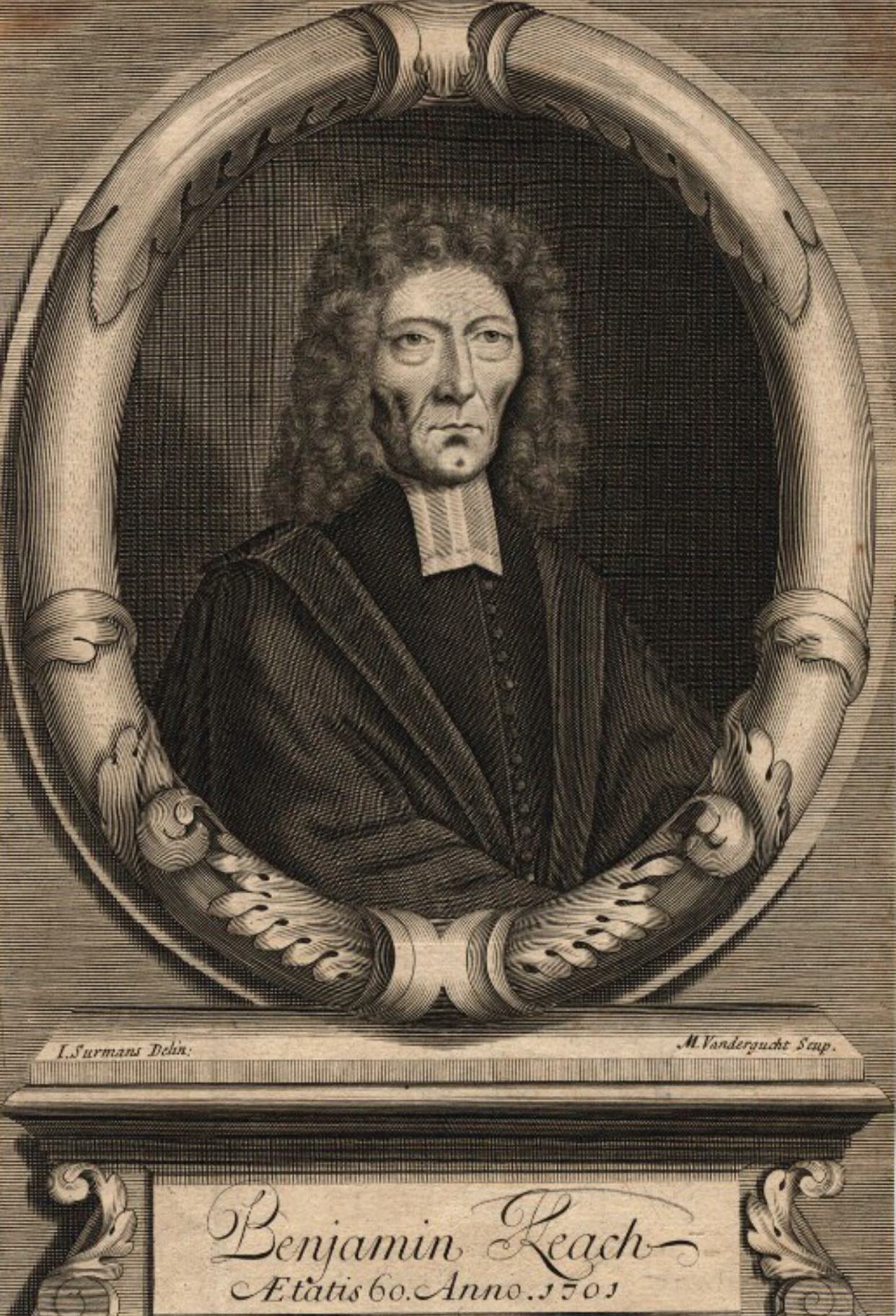
The article "Saints Compared to Gold" by Benjamin Keach explores the theological concept of the value and refining nature of saints in relation to their inherent worth before God. Keach argues that saints are precious in God's sight, comparable to gold, and despite their sinful nature—representing the dross that accompanies gold—they are subject to refinement through trials and afflictions, which ultimately serve to enhance their holiness (Job 23:10; Isaiah 43:3). He emphasizes that just as gold is prized and carefully preserved, so too are God's chosen people, who endure trials without being consumed and are shaped for honorable purposes (1 Peter 1:18-19). The practical significance of this analogy is to comfort believers in their trials, affirming that God values them immensely, and to illustrate the transforming power of grace that makes them spiritually precious.
Key Quotes
“The Saints are a choice and precious people... they are called precious sons of Zion comparable to fine Gold.”
“The fire doeth it much good; it cannot destroy the precious nature of it.”
“Jesus Christ suffered great pain and loss for his poor Saints; we were not redeemed with silver and Gold from our vain conversation but with the precious blood of Christ.”
“It speaks forth much comfort to the godly God so prizeth them that he keeps them as carefully as we do the choicest and rarest Gold.”
What does the Bible say about the value of saints?
The Bible portrays saints as precious and esteemed by God, likening them to gold.
Psalm 16:3, Isaiah 43:3
How do we know that saints are sometimes compared to gold?
Saints are compared to gold in Scripture to illustrate their worth and purity.
Job 23:10
Why is understanding the affliction of saints important for Christians?
Understanding afflictions faced by saints helps Christians see these trials as opportunities for spiritual growth.
Ecclesiastes 13:9
What does grace have to do with the worth of saints?
Grace transforms saints, making them precious and glorious in God's eyes.
SAINTS COMPARED TO GOLD
"When he hath tried me, I shall come forth as Gold," Job 23:10.
"I will make a man more precious than fine Gold," Isa 13:12.
SIMILE
I. Gold is a precious metal, it is esteemed as one of the rarest things on earth; hence things of great value are in the holy scriptures set forth by Gold.
PARALLEL
I. THE Saints are a choice and precious people, the excellent ones in all the earth, Ps 16:3. "Since thou hast been precious in my sight, thou hast been honourable, and I have loved thee," Isa 43:3. They are called "precious sons of Zion, comparable to fine Gold," God esteems them as his portion: "The Lord's portion is his people, Jacob is the lot of his inheritance," La 4:2; De 32:9.
SIMILE
II. Gold, though it be a pure sort of metal, yet there is some dross in it; though, as naturalists observe, there is not any metal, that is more free from dross and rust than Gold is.
PARALLEL
II. The Saints of God, though holy, very precious and gracious ones, yet are they not without sin; there is some dross of corruption in the very best. "There is not a just man upon the earth, that doeth good, and sinneth not," Ec 7:20. "If we say, we have no sin, we deceive ourselves," 1Jo 1:8.
SIMILE
III. Gold is refined in the fire, and thereby is made more pure than it was before.
PARALLEL
III. So the Saints are put into the fire, I mean, in the furnace of affliction, to purge and refine them from all the dross of their corruption. "When he hath tried me I shall come forth as Gold, I will make a man more precious than fine Gold," Job 23:10. "I will bring the third part through the fire, and will refine them as silver is refined, and will try them as Gold is tried. They shall call upon my name, and I will hear them: I will say, it is my people, and they shall say, the Lord is my God," Ecclesiastes 13:9.
nor consumed in the furnace of affliction, though heated seven-fold: though it burn their bodies into ashes, and reduce their flesh, as one observes, into the finest atoms; yet the Saint, the Gold, is not hurt, nor doth he receive the least damage thereby. Sincere Christia.ns are compared to Gold; and hypocrites to wood, hay, and stubble, which the fire will burn up.
SIMILE
IV. Gold is very pliant, you may bow and work it as you please; and the fire makes it more pliable and yielding, &c.
PARALLEL
IV. So the Saints are a soft and pliable nature; God having infused his precious grace into their hearts, they are of a yielding temper, they have hearts of flesh; and God, by putting them into the fire, makes them more pliant and flexible, they presently yield to the will of God, when others will not, cannot be brought to it.
SIMILE
V. Gold will endure the fire; though it be often put into the furnace, yet it loseth nothing but the drossy part. The fire doeth it much good; it cannot destroy the precious nature of it. Gold retains its excellency in despite of the envious rage of fiery flames.
PARALLEL
V. So the Saints of God, or all sincere ones, endure the fiery trial; they are not burned up nor comsumed in the furnace of affliction, though heated seven-folde; though it burn their bodies into ashes, and reduce their flesh, as one observes, into th finest atoms; yet the Saint, the Gold, is not hurt, nor doth he receive the least damage thereby. Sincere Christians are compared to Gold; and hyprocrites to wood, hay, and stubble, which the fire will burn up.
SIMILE
VI. Gold is often formed into vessels, rarely wrought, for the pleasure, honour, and use of princes and great men.
VI. God frames some of his Saints for most excellent use; he makes of them vessels of honour, to hold the glorious treasures of the Gospel, and to let it out to others. These are filthy compared to fine Gold, although accounted as earthen pitchers, La 4:2. See Vessel.
SIMILE
VII. Gold is carefully kept; men set highly by it, and often hide it, lest thieves should steal it away.
PARALLEL
VII. So God sets highly by his Saints; he keeps them carefully day and night. They' are called his hidden ones; he covers them under his wings from the pride of men.
SIMILE
VIII. Men suffer great pains for Gold, run great losses and hazards to obtain it, and make it sure to themselves.
PARALLEL
VIII. So Jesus Christ suffered great pain and loss for his poor Saints; he laid down his life for them. "We were not redeemed with silver and Gold, from our vain conversation, but with the precious blood of Christ, as of a lamb without blemish," 1Pe 1:18-19.
SIMILE
I. Gold is earthly, and of a perishing nature; it weareth away by little and little; the more it is put to use, the more it wasteth.
PARALLEL
I. The Saints, though their bodies be earthly, and die, yet they shall never perish; and their better part is spiritual, and shall never see corruption. The more service they do, the more glorious they shall be. Saints are not the worse for wearing.
SIMILE
II. Gold hath its glory from art; were it not moulded, shaped, and furbished by the wit of man, it would not be so glorious, nor of that esteem as now it is.
PARALLEL
II. But the Saints have all their glory from grace; it is not the work of men's hands, but the work of God's hands, that makes them to shine; they are curiously wrought and fashioned by the Spirit, from whence they become glorious.
SIMILE
III. Gold is Gold naturally, as it is dug out of the earth, though not so pure as it is made afterwards by the art and industry of man.
PARALLEL
III. But the Saints were mere lumps of filth, earth, and not Gold naturally. It is grace that makes them excellent as Gold; it is grace that makes them differ from others.
INFERENCES
I. This shows forth the great worth of God's peculiar ones: they are esteemed by him far more excellent, than Gold is by men.
II. It speaks forth much comfort to the godly: God so prizeth them, that he keeps them as carefully as we do the choicest and rarest Gold.
III. It shows the excellency of grace: grace is of a transforming nature; it is like the philosopher's stone, it turns every man and woman, be they ever so vile and base metal, into Gold; i.e. it makes them holy, precious, and gracious ones in God's sight.

Comments
Your comment has been submitted and is awaiting moderation. Once approved, it will appear on this page.
Be the first to comment!