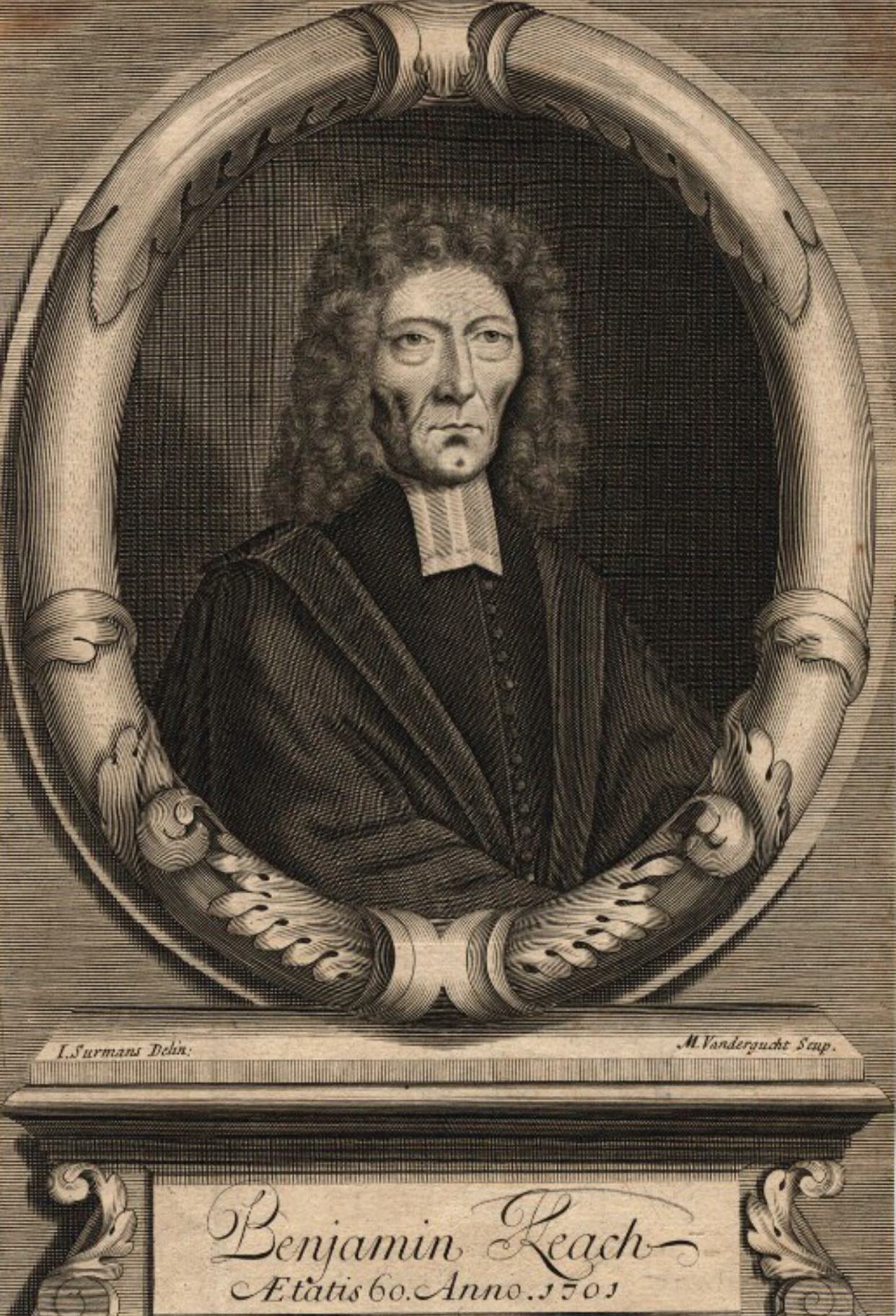
Wicked Men Compared to Thorns by Benjamin Keach examines the biblical metaphor of thorns as an emblem of wicked men, particularly highlighting their harmful nature and the consequences of their existence in a fallen world. Keach draws parallels between the curse resulting from Adam's sin and the prevalence of unrighteous individuals, arguing that just as thorns came into the world through the fall, so too did wickedness. The author references passages such as Numbers 33:55, Joshua 23:13, and Proverbs 10:20 to illustrate that wicked men are like thorns—prickly, dangerous, and of little worth. He emphasizes the significance of this imagery in cautioning Christians against becoming entangled with the wicked, reminding them of the ultimate judgment that awaits the unrepentant. The practical application is a call to vigilance among believers in navigating relationships and maintaining spiritual integrity in the midst of a troublesome world.
Key Quotes
“Wicked Men came in with the fall and as the fruit of the curse Had not Adam sinned the world had never been troubled with these briers and thorns.”
“What can he expect that meddles with a Thorn or brier but to be scratched pricked and wounded in his so doing?”
“The heart of the wicked is little worth.”
“Is it not a strange and marvellous thing that God's people are no more scratched and pricked with these troublesome Thorns considering what a multitude of them are amongst us?”
What does the Bible say about wicked men?
The Bible often compares wicked men to thorns, symbolizing their harmful and troublesome nature.
Numbers 33:55, Joshua 23:13, Genesis 3:17
How do we know wicked men are dangerous?
Wicked men are described as hard-hearted and harmful, akin to the nature of thorns, which prick and wound those who engage with them.
Proverbs 10:20, 2 Samuel 23:6
Why is understanding wickedness important for Christians?
Understanding wickedness helps Christians recognize the spiritual dangers posed by these individuals and fosters a deeper reliance on God.
Hebrews 6:8
WICKED MEN COMPARED TO THORNS
"They shall be pricks in your eyes, and Thorns in your sides," &c., Nu 33:55.
"But they shall be as snares and traps unto you, and scourges in your sides, and Thorns in your eyes," Jos 23:13.
"As a lily among Thorns," Song 2:2.
"For whilst they are folden together as Thorns," &c., Na 1:10.
THORNS, as Glassius and others observe, in these places of holy scripture, signify wicked mischievous men, Numb, 33:55.
SIMILE
I. Thorns came in with the curse, "Cursed is the ground for thy sake, Thorns also and thistles shall it bring forth unto thee," &c., Ge 3:17, Had not Adam sinned, we should not have been troubled with Thorns.
PARALLEL
PARALLEL
I. So Wicked Men came in with the fall, and as the fruit of the curse. Had not Adam sinned, the world had never been troubled with these briers and thorns; but ever since the curse, for Adam's sin, the world has been full of these Thorns.
SIMILE
II. A Thorn is no tender tree, but contrariwise sturdy, hard, knotty, and full of knobs, and pricks, dangerous to meddle, or have to do with.
PARALLEL
II. "So the Wicked, these sons of Belial, Belegnol, without yoke, that is, such as will not come under the yoke of obedience; or BeliGnalah, not ascending, because tlieir males prospered not." Those Thorns, Wicked Men, are hard hearted, knotty conditioned, full of pricking and stinging words and works, 2Sa 23:6. What can he expect that meddles with a Thorn or brier, but to be scratched, pricked, and wounded in his so doing? So that Man that has to do with some Wicked Men, shall be scratched or pricked in his good name and estate, one way or other.
SIMILE
III. Thorns are trees of little worth, low and base things, hurtful to fields, gardens, and vineyards, &c.
PARALLEL
III. So Wicked Men, are of little worth and value in God's sight; they are of a base spirit and principle, lovers of pleasure more than lovers of God, preferring earth above heaven: "The heart of the wicked is little worth," Pr 10:20. And as they are unprofitable, and little worth in themselves; so they are offensive and prejudicial to God's garden; they hinder the growth of the saints as much as in them lies, wounding the lily that groweth amongst them. See Lily among Thorns.
SIMILE
IV. Thorns nevertheless do serve sometimes to make a hedge to keep out wild beasts from breaking into a field or vineyard.
PARALLEL
IV. So some of these wicked ones God now and then makes use of to be a hedge to his people, to keep out a more bloody and cruel adversary: "The earth helped the woman," Re 12:16 that is, Wicked Men, Men of the earth, stood up for, and sided in with the Church and people of God, and so proved as a wall of defence or hedge to them. Besides, God makes use of them sometimes as a hedge to stop his people in their evil courses, by suffering these sons of Belial to afflict them: "I will hedge up her way with Thorns," Ho 2:6.
SIMILE
V. Thorns and briars, when they are grown to any height, are oft-times by the owner cut down, and cast into the fire.
PARALLEL
V. So the Wicked and ungodly, when they are grown to a great height of wickedness, provoking God against themselves, are cut down and cast into hell, "That which beareth briers and thorns is near unto cursing, whose end is to be burnt," Heb 6:8.
SIMILE
VI. Thorns and briars are not able to stand before a devouring and consuming fire.
PARALLEL
VI. So the Wicked are not able to stand before the dreadful and angry God, "For while they be folded together as Thorns, and whilst they are drunken as drunkards, they shall be destroyed as stubble fully dry," Na 1:10. "Who would, saith God, set the briers and Thorns against me in battle? I would go through them, I would burn them together," Isa 27:4.
INFERENCES.
I. Is it not a strange and marvellous thing, that God's people are no more scratched and pricked with these troublesome Thorns, considering what a multitude of them are amongst us?
II. It may caution all true Christians, how they meddle with these pricking Thorns.
III. It shows the folly of the Wicked, who strive with the Almighty, and set themselves in battle against him who is a consuming fire, and they but Thorns and briars, or like stubble fully dry.

Comments
Your comment has been submitted and is awaiting moderation. Once approved, it will appear on this page.
Be the first to comment!