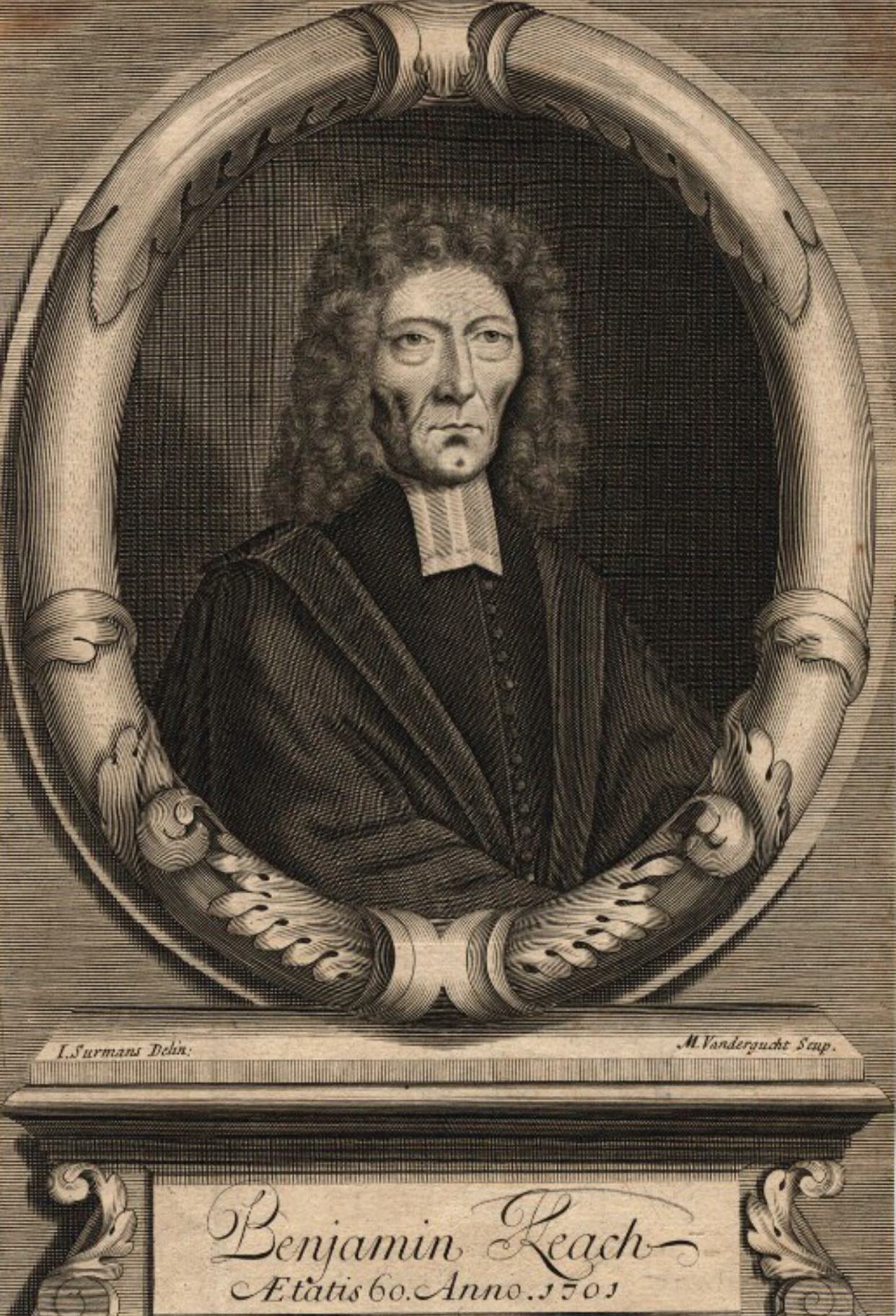
In Benjamin Keach's "Wicked Men Compared to Vipers," the main theological topic is the inherent wickedness of certain individuals, particularly the Scribes and Pharisees, which is likened to the poisonous nature of vipers. Keach argues that wicked individuals not only speak venomous words but also embody moral corruption akin to a viper’s toxicity. He supports his points with scriptural references, particularly Matthew 3:7, where John the Baptist calls these figures a "generation of vipers," as well as John 8:44 and James 3:8, emphasizing their destructive speech and actions. The doctrinal significance of this comparison serves as a warning against hypocrisy and the dangers posed by false teachings, urging believers to discern true righteousness versus outward appearances.
Key Quotes
“Ye are of your father the devil” (John 8:44).
“Their poison is like the poison of a serpent” (James 3:8).
“Think not to say within yourselves, We have Abraham to our father” (Matthew 3:9).
“Some women when very Wicked and left to themselves exceed most men in horrid abomination.”
What does the Bible say about wickedness?
The Bible often compares wicked individuals to venomous serpents, illustrating their destructive nature and the poison of their words.
Moreover, wicked individuals, much like vipers, may outwardly appear righteous or devout, but are inwardly filled with malice and error. The hypocrisy of the Pharisees demonstrates this point, as they misled others while claiming lineage from Abraham as their justification (Matthew 3:9). This illustrates an essential truth within Reformed theology: external appearances do not determine one's standing before God; rather, it is the condition of the heart that reveals true wickedness or righteousness.
How do we know the doctrine of total depravity is true?
Total depravity is evidenced in Scripture, which teaches that all humanity is affected by sin and incapable of saving themselves.
Additionally, the analogy of wicked men being likened to vipers indicates an inherent and corrupt nature that is self-destructive and opposed to God. Just as vipers are deadly in their nature and actions, so are the unregenerate in their rebellion against divine holiness. Total depravity teaches that without the intervention of God's sovereign grace, individuals are bound to continue in their sinful state, incapable of responding positively to God's call for redemption.
Why is understanding the nature of wickedness important for Christians?
Understanding wickedness helps Christians recognize the seriousness of sin and the necessity of God's grace for salvation.
Furthermore, comprehending the true nature of wickedness equips Christians to engage more effectively with the world around them. It offers a clearer perspective on why the Gospel is essential for salvation. As stated in Ephesians 2:1-3, we were once dead in our trespasses and sins. This understanding fosters humility and gratitude for God's sovereign grace, leading to a deeper appreciation for the sacrifice of Christ, who transforms lives from the deadly state of wickedness to the newness of life in Him.
WICKED MEN COMPARED TO VIPERS
"O generation of Vipers," &c., Mt 3:7,
JOHN Baptist calls the Scribes and Pharisees, and other wicked Men of the Jews, Vipers: not only Vipers, but a seed and generation of Vipers. Some think he alludes to the devil, that old serpent, whose offspring they were: "Ye are of your father the devil," &c., Joh 8:44. But others rather think, he compares them, to the serpent called the Viper, upon consideration of divers properties, wherein there is a fit resemblance between it and them, &c.
PARALLELS
I. THE Viper is a most poisonous creature: when the barbarians saw the Viper stick on Paul's hand, they looked upon him as a dead man; their biting is accounted mortal, Ac 28:6. So the Wicked are a very destructive and murderous generation of Men, their bitter words and cruel slanders, are like deadly venom: "The poison of asps is under their tongues." David complains of the ungodly upon this account, "Whose tongue," saith he, "is as a sharp word." Sin is compared to poison: "Their poison is like the poison of a serpent," &c. "The tongue," saith James, "is full of deadly poison," Jas 3:8. And if this be the nature of their words, what are their works! If poison be in their words, what poison is in their blows, and cursed bitings! "Their teeth are spears and arrows," Ps 57:4.
II. The Viper devours scorpions, and thereby the poison becomes stronger: so the Pharisees and Sadducees, taking in the poisonous opinions of their corrupt Rabbins, by adding their own, increased the poison of their vile errors. Blackwood.
III. The Viper hath a beautiful skin, though inwardly very venomous: so those Pharisees, like other painted hypocrites, made a fair show in the flesh, appeared devout, and glorious to men, but were inwardly full of poison of lust, and abominable error.
IV. Young Vipers, as Aristotle,[1] Pliny,[2] Rhodogin,[3] and others affirm, eat their way into the world through their mother's belly, though some seem to doubt of the truth of this generally received opinion: so the Scribes and Pharisees cried out, we are Abraham's children, &c., and from thence concluded, they were meet subjects for baptism, and should be saved: they, like Vipers, as one observes, would needs find a way to heaven through the bowels of their ancestors, or by the faith of their parents: but what said the Baptist? "0 generation of vipers, &c., think not to say within yourselves, we have Abraham to our father," &c., Mt 3:7,9. Or as another worthy writer observes upon the place; as the Viper eats, saith he, through the bowels of his dam, that they may come to life; so you Scribes and Pharisees kill your mother the Synagogue, your fathers the prophets, and faithful teachers, that you may live in your pride and covetousness.
[1] Aristot. Hist of Anim. lib. 8. ch. 29.
[2] Plin. lib. 10, p. 62.
[3] Rhod, lib. 3, cap. 37
V. Gesner, and divers others, [4] affirm, that the female Viper is the worst, and her biting more deadly than the snake's; after the biting of the male there are but two holes, but after the biting of the female there are four. See the verses of Nicander:
[4] Jerom.
But of the viper's brood, the female is the worst,
Which, as it were, with greater wrath doth burn;
And therefore when she bites, makes bodies more accurst,
Inflicting hurtful wounds, to vehemency turned;
Rolling her bulk and tail more oft about.
Whereby a speedier death doth life let out.
This may aptly be applied to many cursed women, who, if all the viperous generations of cursed monsters, have in divers ages of the world, appeared in their venomous rage and malice against the innocent, worse than men. I might give you a catalogue of them, if needful. As some women who are gracious, seem to excel men in zeal and love, and other divine virtues so some women, when very Wicked and left to themselves, exceed most men in horrid abomination, &c.

Comments
Your comment has been submitted and is awaiting moderation. Once approved, it will appear on this page.
Be the first to comment!