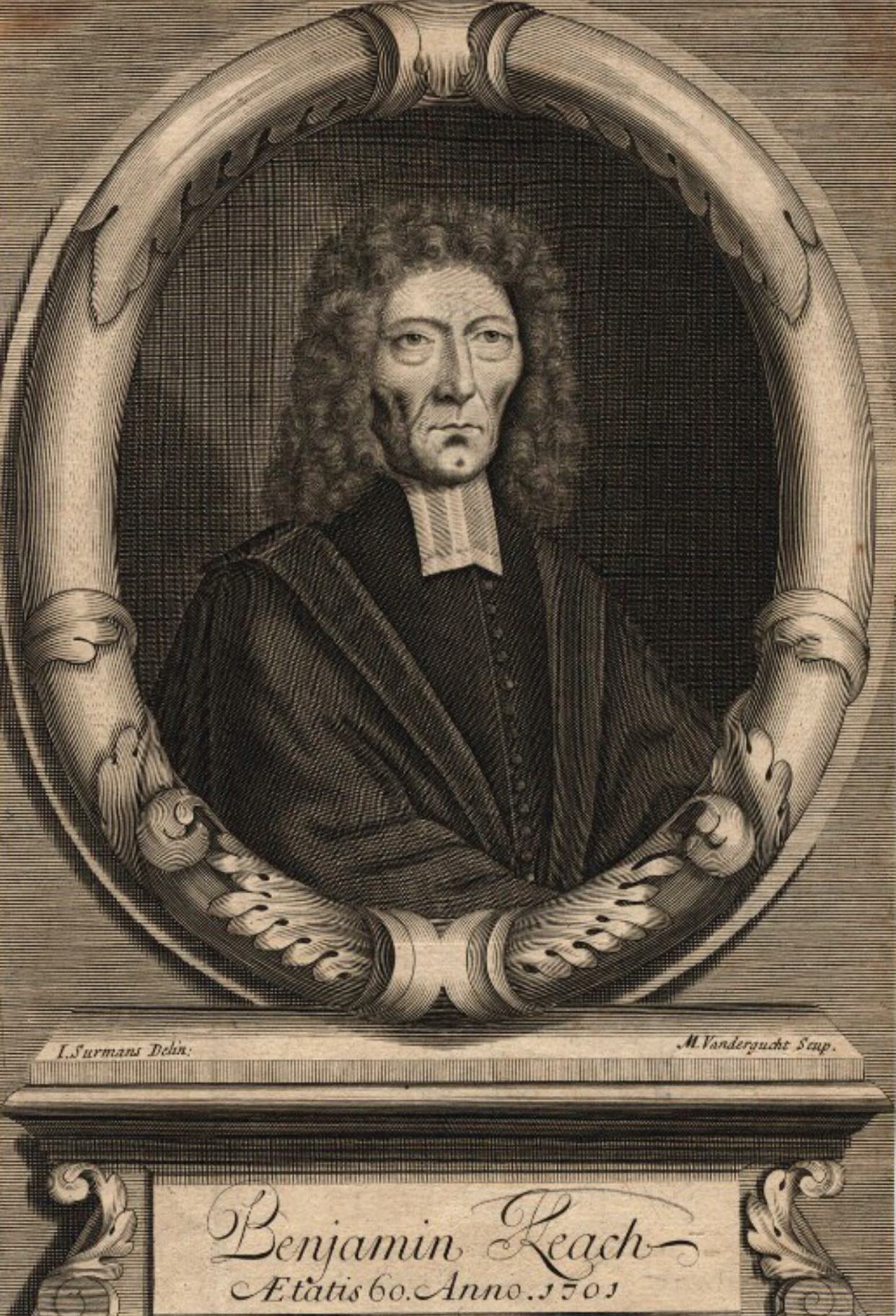
In "Ministers Compared to Fathers," Benjamin Keach explores the theological concept of pastoral ministry by drawing parallels between ministers and fathers. He argues that ministers serve as spiritual authorities and nurture believers similarly to how fathers nurture their children. Key Scripture references include 1 Corinthians 4:15, where Paul speaks of having "begotten" the Corinthians in Christ through the Gospel, and 1 Thessalonians 2:11, which illustrates how ministers should exhort and comfort their congregations. Keach's work emphasizes the dignity, authority, and responsibilities of pastoral roles, asserting that ministers should be respected, govern wisely, and maintain exemplary conduct. This teaching resonates with Reformed ideals regarding the pastoral office, underscoring the honor of the ministry and the mutual respect expected between ministers and their congregations.
Key Quotes
“For though you have ten thousand instructors in Christ yet have ye not many Fathers; for in Christ Jesus I have begotten you through the Gospel.”
“So Ministers of Christ have power in his name to command those Christians who are under their special care and charge to do their respective duties.”
“It is a heart-breaking sorrow to a godly and faithful Minister to see the saints... violate the sacred bonds of brotherly love.”
“We may further learn what a great concern it is for a Church to choose wise and sober persons to be their pastors.”
What does the Bible say about the role of ministers?
The Bible describes ministers as spiritual fathers who nurture and guide believers in Christ (1 Corinthians 4:15).
1 Corinthians 4:15, 1 Thessalonians 2:11, Ephesians 3:17
How do we know the authority of ministers is true?
The authority of ministers is grounded in their role as representatives of Christ, commanded to guide their congregations (1 Timothy 4:11).
1 Timothy 4:11, Titus 1:7-9, 2 Thessalonians 3:6
Why is the concept of ministers as fathers important for Christians?
Viewing ministers as fathers emphasizes their nurturing role and responsibility towards the spiritual growth of believers.
1 Thessalonians 2:11, 1 Timothy 5:17, Proverbs 1:8
MINISTERS COMPARED TO FATHERS
"For though you have ten thousand instructors in Christ, yet have ye not many Fathers: for in Christ Jesus I have begotten you through the Gospel" 1Co 4:15.
Ministers are Fathers, spiritual Fathers to believers.
METAPHOR
I. Father is a name of dignity, headship, and authority; hence the rulers of Israel were called Fathers.
PARALLEL
I. Ministers are men of name, power, and dignity; they are Christ's substitutes; hence called rulers.
METAPHOR
II. Some are called Fathers, because they beget children; this is the common appellation and notion of the word.
PARALLEL
II. Ministers, by the preaching of the Gospel, in a spiritual way, beget Christians to Jesus Christ. "I have begotten you through the Gospel," 1Co 4:15.
METAPHOR
III. Fathers train up and nourish their children, showing much tenderness and compassion towards them; they are said to pity their children.
PARALLEL
III. Faithful Ministers also train up those Christians they have begotten to Christ, in the further knowledge of the truth, being very tender of them. "As you know how we exhorted, and comforted, and charged every one of you, as a Father doth his children," 1Th 2:11.
METAPHOR
IV. Fathers have power to command their children. "I know him, that is, Abraham, that he will command his children," &c.
PARALLEL
IV. So Ministers of Christ have power in his name, to command those Christians, who are under their special, care and charge, to do their respective duties. "These things teach and command," 1Ti 4:11. "Now we command you, brethren, in the name of our Lord Jesus Christ, that you withdraw from every brother that walketh disorderly," &c., 2Th 3:6.
METAPHOR
V. Fathers ought to be reverenced and honoured by their children. "Honour thy Father and thy mother," &c. and their just commands to be observed and obeyed.
PARALLEL
V. So faithful and worthy Ministers ought to be highly esteemed and honoured by the Saints. "Let the elders that rule well, be accounted worthy of double honour, especially they who labour in the word and doctrine," 1Ti 5:17.
METAPHOR
VI. A Father ought not to be rebuked by his children, it becomes them not so to do, though he may be in a fault, and blameworthy, but entreated.
PARALLEL
VI. So the Minister of Christ ought not to be rebuked by any particular members of the Church to whom he belongs, though in some things he may be blameworthy. "Rebuke not an elder, but entreat him as a Father," 1Ti 5:1. Though I doubt not, but that the Church, after a due and orderly proceeding with an elder, if he be under evil, and obstinate, may be rebuked, nay, not only so, but further proceeded against also.
METAPHOR
VII. It is the honour of a Father to rule and govern his children, and whole family, with wisdom and discretion.
PARALLEL
VII. So it is a great honour to a Minister, or pastor of a Church, to rule and govern the congregation where he is placed, wisely behaving himself in all things; not to be soon angry, peevish, nor self-conceited, but to study the rule, and impartially to carry it with an equal severity and mildness to all, studying the nature and disposition of every member.
METAPHOR
VII. Fathers ought to walk wisely before their children, in all holiness and sobriety, setting themselves as patterns, to all that are in the family, of grace and virtue.
PARALLEL
VIII. So it is the duty of pastors and Ministers of Churches, to lead an holy and godly life, and be as examples of true virtue and piety to all they converse with. "Be thou an example of the believers, in word, in conversation, in charity, in spirit, in faith, in purity," 1Ti 4:12.
METAPHOR
IX. It is a great sorrow and grief to a good and godly Father, to see his children froward, and fall out one with another, violating the bonds of nature.
PARALLEL
IX. So it is a heart-breaking sorrow to a godly and faithful Minister, to see the saints and members of the Church walk loosely, and live in strife and vain-glory, wronging and abusing each other, and thereby violate the sacred bonds of brotherly love, tenderness, and forbearance. "For many walk, of whom I have told you often, and now tell you even weeping, that they are enemies of the cross of Christ," Php 3:18.
METAPHOR
X. It is the property of a godly Father to pray for his children, and also for the whole family committed to his charge.
PARALLEL
X. So Christ's faithful Ministers do not cease to pray for those whom they have been instrumental to beget, by the Word of truth, unto Christ; nay, not only for them, but for all committed to their charge; nay, for all the children of God, "That Christ might dwell in their hearts by faith, and that they may be rooted and grounded in love," &c., Eph 3:17.
INFERENCES.
I. We may infer from hence, that the office of a Minister is an honourable employment.
II. It may in many things teach pastors their duties to their members, and members their respective duties towards their pastors.
III. It also serves to inform us, who are faithful, wise, and discreet Ministers of Christ.
IV. We may further learn, what a great concern it is for a Church to choose wise and sober persons to be their pastors.

Comments
Your comment has been submitted and is awaiting moderation. Once approved, it will appear on this page.
Be the first to comment!