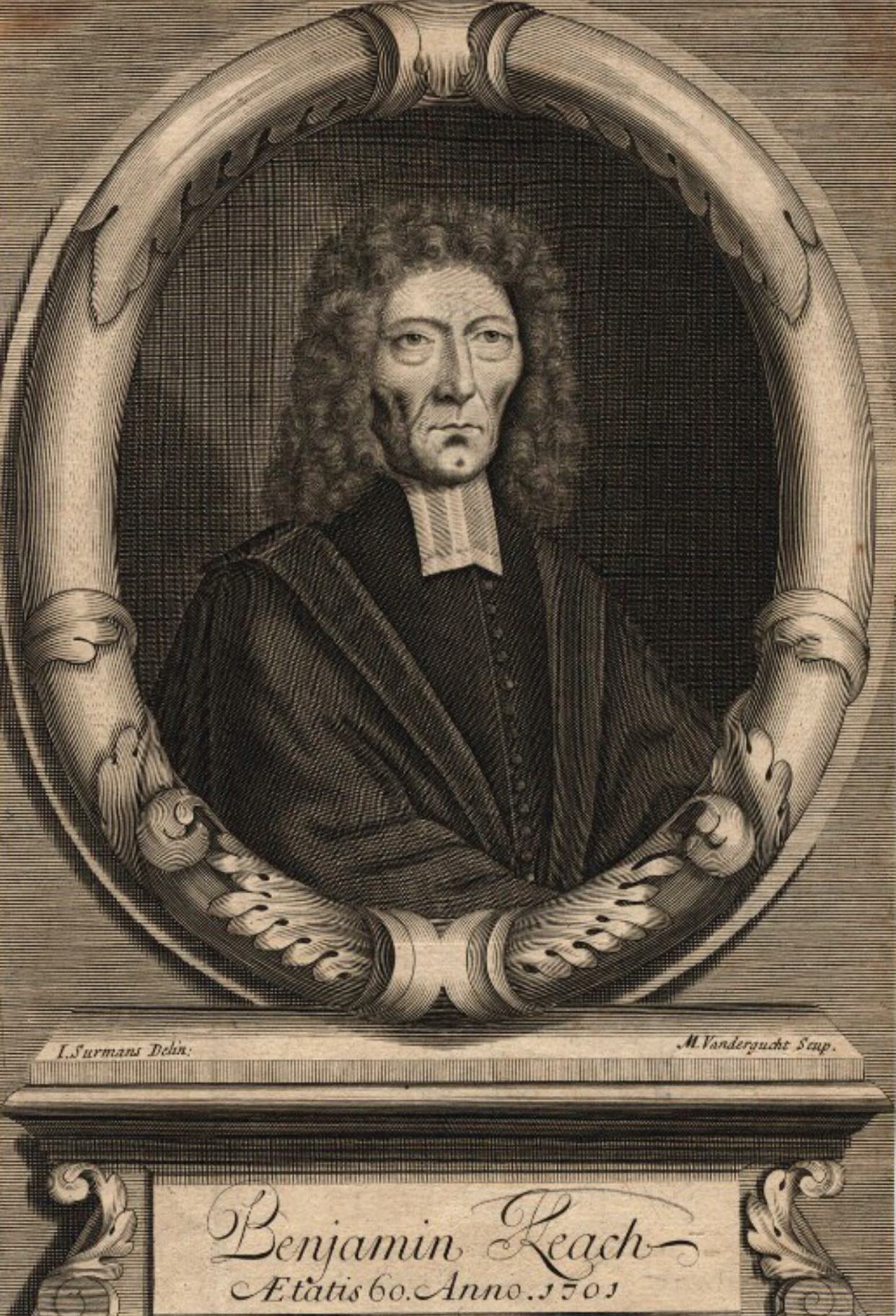
The article "The Sacrifice of Beasts a Type of Christ" by Benjamin Keach explores the typological relationship between the sacrificial system in the Old Testament and the ultimate sacrifice of Christ. Keach argues that the characteristics required for sacrificial beasts—such as them being tame, male, without blemish, and willingly offered—symbolize various aspects of Jesus Christ, including His meekness, strength, holiness, and voluntary submission to death. Key Scripture references include Isaiah 53, which conveys Christ's suffering and sacrifice, and Matthew 26:38, emphasizing the depth of His anguish. The theological significance lies in illustrating how the Old Testament sacrifices foreshadow Christ's atoning work, emphasizing that believers should dedicate their best to God in response to this sacrifice, as Christ did for humanity.
Key Quotes
“The Beasts that were appointed for Sacrifice were to have horns signifying the kingly and priestly office of Christ.”
“They must lay their hands upon the head of the Beast who brought him noting thereby our sins being laid upon Jesus Christ...”
“This burnt-offering was called a sweet savour unto the Lord which in Christ's death is solely and only accomplished for it is thereby God's wrath is appeased and his justice satisfied.”
“The fire which consumed the burnt-offering came down from heaven signifying that that wrath which seized on Jesus Christ... was due to us for our sins that consumed him.”
What does the Bible say about animal sacrifices as a type of Christ?
Animal sacrifices in the Old Testament foreshadowed the ultimate sacrifice of Christ, depicting His holiness, meekness, and willingness to bear our sins.
Additionally, the requirement for the sacrificial beasts to be male and the finest of the flock illustrates not only Jesus' strength but also His station as the ultimate sacrifice pleasing to God. By presenting our best to God, we are called to emulate Christ’s sacrificial nature in our own lives. The ritual of placing hands upon the animal's head indicates the transferring of sin, which is fulfilled in Christ when our sins were laid upon Him. This typological representation emphasizes the atonement that Christ achieved through His death.
Isaiah 53, Matthew 26:38
How do we know Jesus' sacrifice is sufficient for salvation?
Jesus' sacrifice is sufficient due to His perfect holiness, the completeness of His shed blood, and God's justice being satisfied by it.
Moreover, the concept that the burnt-offering was a sweet savour to the Lord illustrates that God's wrath was appeased by Christ's sacrifice. This satisfaction of divine justice underscores that Christ's offering was not merely symbolic but was effective in securing salvation for the elect. Thus, the assurance of salvation rests in the knowledge that Christ’s atonement is complete and sufficient, leaving no more sacrifice needed for sin.
Matthew 26:28, Mark 16:15
Why is the concept of Christ's sacrifice vital for Christians?
Christ's sacrifice is vital for Christians as it secures our salvation and exemplifies God's love and justice.
Furthermore, Christ's sacrifice exemplifies God's profound love for humanity. Romans 5:8 emphasizes that while we were still sinners, Christ died for us, showcasing the depth of His grace and mercy. This sacrificial act not only secures salvation for the elect but also satisfies God’s justice, as His wrath against sin is poured out upon Christ at the cross. For Christians, understanding and embracing this truth transforms our lives, compelling us to live in response to such love and sacrifice.
Romans 5:8
I. THE Beasts that were appointed for Sacrifice were to have horns, signifying the kingly and priestly office of Christ; horns, as we have elsewhere shown being a symbol of power, &c.
II. They were to be of a tame sort, not wild and savage Beasts, who by force are brought to the slaughter; signifying the meekness and mildness of Jesus Christ, who was patient, like a Lamb led to the slaughter, Isa 53.
III. They must be a male-sort, which generally are the strongest; signifying the excellency and strength of Jesus Christ.
IV. They ought to be without blemish, and the best of the flock or herd, and presented of voluntary will; noting two things, (1.) That Christ should be perfectly holy, and that he should willingly lay down his life. (2.) That we should dedicate to God the best of our days, time, and strength, and not offer unto the Lord a corrupt thing; and also perform all our services to him with a free and willing mind.
V. They were to be presented at the door of the tabernacle, to be slain; signifying, that Christ's blood makes our entry into the Church of God here, and into heaven itself hereafter.
VI. They must lay their hands upon the head of the Beast, who brought him; noting thereby, our sins being laid upon Jesus Christ; and that we must lay the hand of faith upon him, if we would have benefit by his death.
VII. Then the burnt offering was slain; signifying, that so it behoved Christ, the great Anti-type, to be slain or crucified for our sins.
VIII. The blood thereof then was sprinkled about the altar; noting the all-sufficiency of Christ's death, and plenty of his bloodshed, with the large spreading or preaching thereof universally throughout the whole world, Mr 16:15.
IX. The skin thereof was plucked off, and the flesh cut in pieces; thereby showing the grievousness of Christ's sufferings.
X. The body, the head, and the fat, and all was laid on the fire; signifying how Christ should suffer for us both in body and soul; "My soul is exceeding sorrowful, even unto death," Mt 26:38; Isa 53:12.
XI. This burnt-offering was called a sweet savour unto the Lord, which in Christ's death is solely and only accomplished; for it is thereby God's wrath is appeased, and his justice satisfied.
XII. The ashes were to be carried without the host, and put into a clean place; shadowing thereby, how Christ should be buried without the gates of Jerusalem, in a tomb wherein never man lay, and that his body should not see corruption.
XIII. The fire which consumed the burnt-offering came down from heaven; signifying, that that wrath which seized on Jesus Christ hi the garden, and on the cross, came from heaven, or that it was God's wrath, due to us for our sins, that consumed him. Or, as others, it may be on better reason, give it, that that which moved Christ to suffer for mankind, was wholly his heavenly, sacred, and divine love.
XIV. This fire was to be continually upon the altar, signifying 'the unchangeableness of Christ's love to his elect, and recent virtue of his death and merits.

Comments
Your comment has been submitted and is awaiting moderation. Once approved, it will appear on this page.
Be the first to comment!