Bootstrap
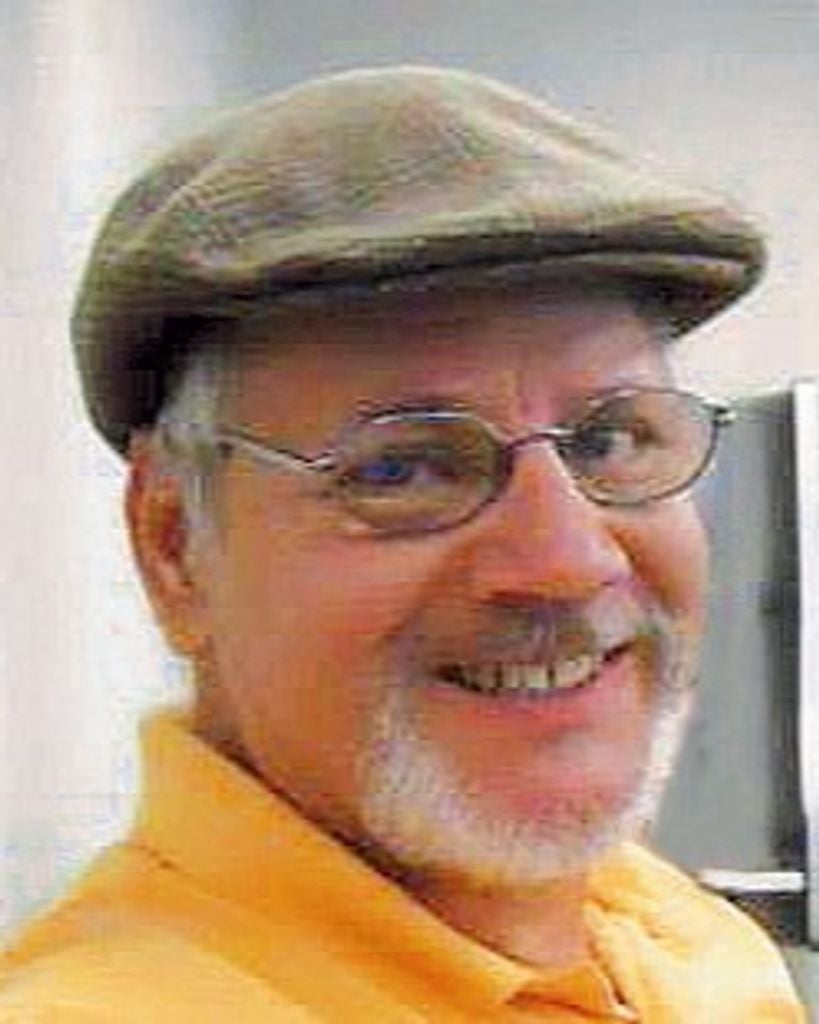
Joe Terrell

The Blood of the Everlasting Covenant

Hebrews 13:20-21
Joe Terrell March, 5 2023 Video & Audio
0 Comments

In the sermon titled "The Blood of the Everlasting Covenant," Joe Terrell addresses the profound theological topic of the atonement through the blood of Christ, as outlined in Hebrews 13:20-21. He argues for the essentiality of blood in both the Old and New Covenants, emphasizing that no forgiveness of sin can occur without it. Terrell highlights key Scriptural narratives from the Old Testament, such as the sacrifices of Abel and Noah, to illustrate that the principle of atonement through blood is a continuous theme throughout Scripture, culminating in the sacrifice of Jesus Christ. The practical significance lies in the assurance it provides believers of their salvation; through Christ's blood, they are partakers of an eternal covenant, not based on their works, but solely on divine grace and the perfect fulfillment of Christ’s redemptive work.

Key Quotes

“Without the shedding of blood, there is no forgiveness of sin.”

“This covenant that's spoken of here is a truly everlasting covenant.”

“Don't ever let anyone take your eyes off the blood of the everlasting covenant between the Father and the Son, because that's the covenant by which your soul is saved.”

“Thank you, our Father, that you've kept things so simple for us.”

Sermon Transcript

Auto-generated transcript • May contain errors

100%
question. All right, Hebrews
chapter 13. This is what I had originally
planned to preach last Sunday, but as is often the case, my
plans get changed. I find a particular peace and
quietness in the very simplicity of the gospel. Now there is enough in God's
truth to occupy the minds of the most intelligent men who
have ever lived. Now, I'm not in that category,
but I do enjoy reading in the scriptures and pondering and
meditating. But Tim James says, I really
don't meditate. It's not that high. I just kind
of mull over things. And that's true. To think about
these things, I was just yesterday or the day before. Actually,
I read an article about, it was in regard to physics. And essentially
they were saying there's no such thing as nothing. And that even
if you were able to take a bell jar and just suck everything
out of it, every particle, and somehow or another you were able
to remove all the energy that may be inside that jar and protect
it from the intrusion of any energy from the outside. So there's
still something in there, if nothing else, space. But I read
several articles related to that, and I thought what they're trying
to grapple with is what even we try to grapple with when we
try to extend our mind beyond the framework of time and space
and think of what our God must be like. And I'll do that. I don't think there's anything
wrong with doing that. We try to push the bounds of
our knowledge as far as we can. But you always come up against
a brick wall. Because no matter how great you
think God is, He's more than that. And the simple reason is,
it's not like He's just the biggest thing in this universe. He's
not in this universe. And our ability to perceive things,
to understand them, depends upon us describing them within the
framework of time and space, and you can't put God there.
And so it's almost like, you know, as I'm thinking on this
thing, I'll get a little shock in my head. It really isn't like
that. I mean, I really don't feel a shock, but just all at
once, I got, that's as far as my brain can go. And there's
nothing wrong with going out there as far as your brain can
go. But I'll tell you this, I am, and you know me, you know
me well enough to know this. It's no surprise to you. I worry
about a whole lot of things. I think it was Mark Twain that
says, I have suffered much anxiety over many things, some of which
actually happened. That's me. As your pastor, I do worry. Am I telling this right? I don't
want to lie on God. I guess that's the most important
thing. But I dearly love you. And I would hate to come to the
end of my life and found out I had led you wrong. That's a worry on my part. You said, well, if somebody's
worried about that, maybe they shouldn't have entered the ministry.
Well, when I entered ministry, I wasn't worried about that.
When you're young, you think you understand everything. And
over the years, I found out there's some things I have been wrong
on. So far, they've been pretty minor
things. But I do. And I guess that's
why, and this is for your good, that's why I can never get very
far from the preaching the simplicity of the gospel of Jesus Christ because I always have to go back
and say okay what I've been saying is that really what the scriptures
are saying? I watch YouTube videos and again
I do this I've told you before I can't stand a closed door And
so I'm watching a YouTube video. And over here is the suggested
videos. I was watching one here a few
weeks ago. And it says, Rabbi Tovey Singer says, Christians
don't get Daniel 9 right, where they've been deceiving. Well,
I've got to find out what that's about. And so I watch it. Then I gotta straighten all that
out. I gotta get it figured out in my own mind and reestablish
it. Are we dealing with that passage
correctly and all this? But at the very heart of the
gospel is a core of such blessed simplicity. I can run back there
at any time and just sit down and relax. Is it not true of you that all
your anxieties are way out there on the fringes of what you're
trying to figure out? It's never about what's right
here in the core of the gospel. And I suppose that's why, as
Satan tries to disturb the church, he does not first begin by attacking
the core of the gospel. He brings up this issue or that
issue. Do you believe in premillennialism? postmillennialism, amillennialism,
and so everybody's out there blah, blah, blah about that.
And they get all wound up about it. Meanwhile, he sends his agents
in secretly, and they begin to raise up questions about the
most fundamental aspects of the truth of God. That's why Paul warned Timothy,
and I believe Titus as well, don't waste your time on silly
arguments, on foolish genealogies. There was a group in the Catholic
Church This was during the medieval period and probably the early
Renaissance Reformation era, but they were called the scholastics,
and they would sit around and try to figure out how many angels
can dance on the head of a pin. Now there's just something. If
Baptists did that for long, you'd have six angel Baptists and five
angel Baptists, you know. All this is used by the devil
to unsettle us individually, to create rumblings within the
church, and the answer to it every time is run back to the
center. We could say run back to the
cross and all that that means. I mean, the cross is such a powerful
testimony of everything we believe. And it's one of those undeniable
testimonies. You can't twist the cross. By the cross, I mean, you know,
not just that piece of wood, but the one that was crucified
on it and what that crucifixion meant. You can't stand there at the
cross and uphold your own righteousness, because if you're righteous,
what in the world is he doing on the cross, right? You can't look at the cross and
argue anything about your supposed free will, because you certainly wouldn't
have chosen that way. there's nothing to see outwardly
in what our Lord did that would have moved you to do like that
thief and look at a man so marred that you barely look like a man,
look at him and say, remember me when you come into your kingdom.
Do you think our Lord looked like a king on the cross? He
looked worse than the thieves on either side of him, because
before they even decided to crucify him, they beat him half to death. The Jews had a law. You could
not whip anyone more than 40 times. So they always did 40
minus 1. 39, just to make sure they didn't
accidentally go over and break the law. Didn't seem to have
any heart or sympathy for the one whose back was being shredded. They just wanted to make sure
they didn't break the law. So 39. But the Romans had no
such compunction. And they'd whip men with what
we would call a cat-of-nine-tails. A whip made of several strands
and there'd be bits of broken glass or pottery shards or whatever
out at the tips of those leather straps and they would whip people's
backs and it would tear the flesh off of them. It was even said
that some, many, died just because of the flogging. Because it would
shred the flesh off their back and even their organs would become
visible. They did that to our Lord before
they ever even decided to crucify him. By the time they nailed him to
the cross, he would have looked like some Hollywood creation. You know, when they, Hollywood,
when they want to make things gory, you know, they can really
lay it on because it's all fake. But with our Lord, it wasn't
fake. They put a crown of thorns in his head. You ever got cut
on the head? Now, I've done that several times.
I don't know why I never came to figure out where the top of
my head is. But I've run it into a lot of things. Your scalp has some of the densest circulatory
system in all your body. And you cut the scalp, and I
mean blood goes everywhere. So it's coming down from our
Lord like that. They pulled out his beard. They beat him with
their fists. shredded his back, nailed him
to a cross. And by what can only be described
as a miraculous revelation, the thief on our Lord's right looked
at that mess of broken humanity and said, there's a king coming
into his kingdom. I'm on his side. Natural wisdom, natural will,
natural choice would never have done that. Natural choice would
continue on what the thief on the left did, cursing him. I read somewhere that when people
were crucified, sometimes they could gain enough sympathy from
the crowd, maybe the crowd that had called for the crucifixion,
whatever, but they would get uncrucified. Because crucifixion,
while painful, you know, the nails didn't kill you. They hurt,
but they didn't kill you. What kills you in crucifixion
is your weight being you know, supported by your arms. And eventually,
in exhaustion, they give out. And therefore, you're just hanging.
It pulls your ribcage up. You can't breathe. And so they claim, and they say
some people, it took them days to die on a cross. And if they wanted to hasten
someone's death, that's why they'd break their legs. Because they
couldn't use their legs to stand up and get a breath that way.
But these people, they would try to gain sympathy. And sometimes,
such as in the case of our Lord, well, everybody evidently hated
him. And so actually, both of those
thieves started out cursing him. And probably they were doing
so in order to say, look, we're on your side, this guy. Yeah, he ought to be crucified. He's a crazy man. He's a blasphemer
and all this. And they cursed him. But somewhere,
sometime, for reasons that can only be ascribed to divine intervention,
that one on the right gave up all hope of gaining the sympathy
of those there on the ground and said, I would rather die
following this man than live rejecting him. That ain't free
will, friends. That's free grace, free sovereign
grace. Here in Hebrews 13, verse 20, may the God of peace who through
the blood of the eternal covenant brought back from the dead our
Lord Jesus, that great shepherd of the sheep, equip you with
everything good for doing his will. And may he work in us what
is pleasing to him through Jesus Christ, to whom be glory forever
and ever. I want to speak next 10-15 minutes
on the blood of the everlasting covenant. I was raised on the blood. As far back as I have any memories
of religious instruction. The blood was an important element of my
instruction. Of course, it was my mother,
and this is the usual case, it was my mother that taught me
the first things. My dad was a believer, but you
know, dads go to work. Back in the 50s, dad was in the
Navy. He was often gone for a few weeks
at a time. But even then, he was gone through
the day. And that's when mothers in the traditional household,
that's when they get to interact with their children. And I cannot remember not knowing
about the blood. One of my mother's favorite.
verses was, without the shedding of blood, there is no forgiveness
of sin. My mother was very practical
in her understanding of scriptures. She really didn't have much use
for abstract reasonings and trying to figure out, you know, supposed
deep things. She figured the Bible was written as a call to action. And therefore, those elements which point to
what God has done and how that should cause us to react, that's
what she was about. And thus the blood, the blood
was at the very center of it. And you know, that's a good thing. when sin came into this world,
and death by sin, through the sin of one man, Adam. And our
Lord came into the garden that evening, and he said, Adam, where
are you? And Adam said, we're over here. We're hiding. Well, why are you
hiding? Well, they began, you know, Adam said, well, we're
naked, you know. Kind of embarrassing. The Lord
said, who told you you were naked? He said, well, that woman you
gave me. I wasn't going to eat any of
it. You can just see now. I wasn't going to. I mean, I
heard that snake talk and I knew he was lying. I wasn't going
to eat any of it. But Eve did. And I mean, Lord, it's Eve. She said,
here, I have some. What was I going to do? Eve said,
well, the snake fooled me. Everybody passing the buck. The Lord fixed the problem. He fixed the problem in a sense
by taking the blame. Because the first thing he did
in response to sin other than issuing the curses. First thing
he did was to take some animals, kill them, skin them, and make
clothes to cover Adam and Eve's nakedness. He shed blood to cover
their nakedness. And nakedness is a common symbol
of sinfulness. So the first reaction to sin,
insofar as a remedy for sin is concerned, is what? The shedding
of blood. The next story, Cain and Abel. Abel believes God. He understands
that it's the blood that makes atonement for the soul and nothing
else will because the life is in the blood and the loss of
life is the penalty of sin the wages of sin is death so there's
got to be a death to put away sin now Cain I'm sure had been
told the same things Abel had but you know Cain was one of
those guys he's more sophisticated I guess you know he went I don't
have anything to do with that bloody religion that's gross
that's primitive And he went out and picked some fruit from
his garden. And Abel went with the firstling
from the flock, slit its throat, poured it out before the Lord
there. Evidently, they would worship at the gate to Eden.
Poured it out before the Lord there. burnt that body. It was a whole burnt offering,
and the Lord accepted it. And the way that Abel knew that
it was accepted And of course he realized that sheep couldn't
put away his sin, but it pointed to the promised seed of the woman
who would do this and put away sin. But the Lord accepted his
sacrifice and Abel knew it because it cleansed his conscience. And Cain came up with his bushel
full of fruit and dumped it out there before the Lord. And the
Lord had no regard for his offering, and therefore no regard for him.
And the way Cain knew it was, his guilt was still upon him. Right there, first two children
so far as we know, of course they're grown-ups by this time.
First two men in this world, born into this world, demonstrate the truth. It's the
blood that makes atonement for the soul. Noah gets out of the
ark, first thing he does, build an altar, kill some of those animals. The
clean ones, which he had been told to take seven of them in,
so that some could be used for sacrifice, shed their blood. God sets up that old covenant
form of worship with a tabernacle. Oh, there's blood everywhere. Morning and evening sacrifices,
people bringing their own individual sacrifices. when they had the
whole tabernacle all set up as the Lord had told them to, before
they could ever begin the business of worshiping in that temple,
every aspect of that temple was purified, sanctified with what? Blood. Blood on the furniture. You know,
the candlestick and the altar of incense. table of showbread. The priests? I believe it was blood on their
thumb and on their big toe. I don't know why thumb and big
toe, but that's what the Lord said. Nonetheless, blood! Because
though these be the priests, though Aaron was standing there
in those very fancy garments, used to illustrate the person
of our Lord and the work that he would do as our great high
priest. But even Aaron in all those garments was not fit to
go into that temple and offer sacrifices, much less enter into
the most holy place on the day of atonement. He dare not go
in there until the blood has been applied even to him. And all this blood from lambs and bullocks and pigeons
and whatever was brought was pointing to the blood of the
Lord Jesus Christ, here called the blood of the everlasting
covenant. Do you remember on the night
when our Lord was betrayed and it was Passover night and he
instituted the Lord's table and he took that cup And he said,
this cup is the new covenant, the everlasting covenant, in
my blood. There never was a covenant made
without blood. So much is blood a part of worshiping
God that I'm not certain exactly. Oh,
I think it was Moses' wife got upset. I believe it was at
the rite of circumcision and said, you've got a bloody God. But whether or not we like the
violence associated with the way of redemption and atonement,
whether or not that settles with our more modern, sophisticated
concepts of what a God should be like and what he should accept, we need to go with what the Bible
says. And God says, through one of
his scripture writers, without the shedding of blood, There's
no remission of sin. Now, there were a lot of covenants
made, a lot of them, but only one of them is truly the everlasting
covenant. There were some covenants that
God made with individuals throughout the Old Testament, or groups
of individuals, and he would say this is an everlasting covenant
between you and me, but I was reading the word there that's
translated everlasting does not necessarily mean that it goes
on eternally. It just means it will last for
its appointed time. It will not be interrupted for any reason. Like the Levitical priesthood,
supposed to be an eternal priesthood, everlasting priesthood. Well,
it came to an end, but it was an everlasting priesthood unchanged,
unaltered from the time it was established with Aaron until
the Lord Jesus Christ came and by his sacrifice he fulfilled
all that the high priesthood had been picturing and therefore
that covenant and that priesthood came to an end. So there were
these things called everlasting covenants but this covenant that's spoken of here is a truly
everlasting covenant. And how do we know that? Because
it was made before time existed. It is not a covenant between
God and us. It is a covenant between God
and his son. It's a covenant in which, or
a covenant that concerns us, but doesn't involve us. You get
that distinction? It's about us, but it doesn't
involve us. God, the judge of all, had a
people. And now we're talking, you know,
we got to use human language. It's the only language we know. It's not really very good for
describing things that happen outside the framework of time
and space, but we'll do the best we can. As Paul said, before
the foundation of the world, and yet there's no such thing
as before, before the foundation of the world, because there's
no time, but that's what we'll go with. Before the foundation
of the world, the Father chose a people in love. He chose them
and predestined that they would be adopted as his sons and conformed
to the image of his only begotten son. So before he ever made the world,
he determined what things were going to be like at the very
end. That's why he says, from the very beginning, I've known
the end. But here's a problem. Those people
he chose would rebel. They would become sinners. They
would come under his just judgment. And as a just God, he cannot
bless those who are guilty. They cannot make themselves not
guilty. And therefore, God covenants with his son, and
he says, these people, they're mine. I'm going to give them
to you, and you are going to go through
hell for them. You're going to bear their punishment.
I'm putting them in you, and I'm going to send you through
my wrath. And when you come out the other
side, they're coming out with you." And the son said, okay. Well, that sounds all well and
good, doesn't it? But a covenant doesn't save anybody. A covenant must be performed.
And the only way to perform this covenant was for God the Son
to take upon himself the nature of man. Sinless man to be sure, but man
nonetheless. To enter into this space-time
reality you and I exist in, to live in this God-cursed world,
to live among those who are inwardly corrupt and filthy, to bear their scorn, to be rejected
as a blasphemer when they were the blasphemers. That's bad enough. But he came
to do more. For it is written in Isaiah 53,
the Lord laid on him the iniquity of us all. Who's the all there? Well, just before that it says,
all we like sheep had gone astray. We turned everyone to our own
way and the Lord has laid on him the iniquity of us all. It's
all his wandering sheep. Not everybody is a sheep of the
Lord. The Lord said to the Pharisees, you don't believe me because
you're not my sheep. My sheep hear my voice and they follow
me, but you're not my sheep. But he is wandering sheep. He
came and he bore their sin. The father, the judge of all,
put their sins on his shoulders, so to speak. He bore them and
he bore the burden of them in the presence of God. And God
the just does what God the just always does. Where he finds sin,
he punishes it and punishes it to the full. And our Lord's blood was shed.
And the reason that blood answers the demands of justice is because
when God gave the law telling them that they were not to eat
the blood of animals, he said because the life is in the blood. So you lose the blood, you lose
life. And that's the payment of sin. Now this everlasting covenant
by which you and I have been blessed with all spiritual blessings
in the heavenly places in Christ. When you imagine the unsearchable
riches of Christ to which we are heirs, what kind of blood
must it have been that would ratify a covenant that gives
us that? And what kind of person must
it have been who could shed that kind of blood? Roman soldiers didn't see any
difference in his blood, just human blood. But as it flowed out, human life
flowed out. And even as his body was dying,
It says that God made his soul to be an offering for sin. And he cried out, my God, my
God, why hast thou forsaken me? Now all the archaeologists can
argue whether or not there ever was really a Jesus, or if he
really did those miracles, or if he really was the Messiah. They can read the Gospels and
say, oh, they're contradictory. They're not. But they find what
they think is contradictory in them and try to dismiss the truth.
And they can get people all tied up in knots. Here's the way to
get yourself untied. In your heart, go to Calvary
and behold that blood shed for sinners. and see it as payment to ratify
that everlasting covenant. And here's what's interesting.
And this shows you the covenant was between God and his son.
It says, may the God of peace, who through the blood of the
eternal covenant brought back from the dead our Lord Jesus. Wait a minute. I thought through
the blood of the covenant he forgave our sins. Well that's
true, but this shows that the covenant was made with the Son
because the covenant with the Son is you bear their sins and
you bear the punishment of their sins and you bear it fully to
where you can say it is finished, it's perfected, it's done. You
bear it like that, I will not leave your body to suffer corruption. I will raise you from the dead.
That was the covenant. And through that covenant fulfilled
by Christ, Christ was raised from the dead. And when he was raised from the
dead, where were we? We were in him. That's why Paul
says, we died with him, we raised with him. And even now, from
the viewpoint of heaven, we are seated with him in the heavenly
places. You might say, well, I think
Iowa's okay, but these ain't heavenly places. In Christ, we're already there. And time is just catching up
with eternity. Don't ever let anyone take your
eyes off the blood of the everlasting covenant between the Father and
the Son, because that's the covenant by which your soul is saved.
And give thanks to God it wasn't your blood, wasn't your acceptance
of the blood, Wasn't even your knowledge of the blood that got
you out of the grave. It was the blood itself. For
it testified to the covenant making God, the covenant has
been fulfilled. There's nothing more to do. God
said, that's right. Come out of the grave. And just
as the ark made it through the storm, and everyone in it made it through
the storm, Jesus Christ went through that horrible storm of
divine judgment, and we were in him, and when he got out,
When the storm was over, there we were, alive and without sin. Heavenly Father, thank you for
the blood of your Son. Thank you for the promises concerning
that. May we confess our sins, confess
that we are sinners. May we walk in the light of the
truth of the gospel. that the blood of Jesus Christ,
your son, would cleanse us from all sin. Thank you, our Father,
that you've kept things so simple for us, and that we don't have
to understand all things, because it's impossible for us to understand
all things. We just have to know. Christ, God's Son, cleanses us
from all sin.
Joe Terrell
About Joe Terrell

Joe Terrell (February 28, 1955 — April 22, 2024) was pastor of Grace Community Church in Rock Valley, IA.

Broadcaster:

Comments

0 / 2000 characters
Comments are moderated before appearing.

Be the first to comment!

Joshua

Joshua

Shall we play a game? Ask me about articles, sermons, or theology from our library. I can also help you navigate the site.