Bootstrap
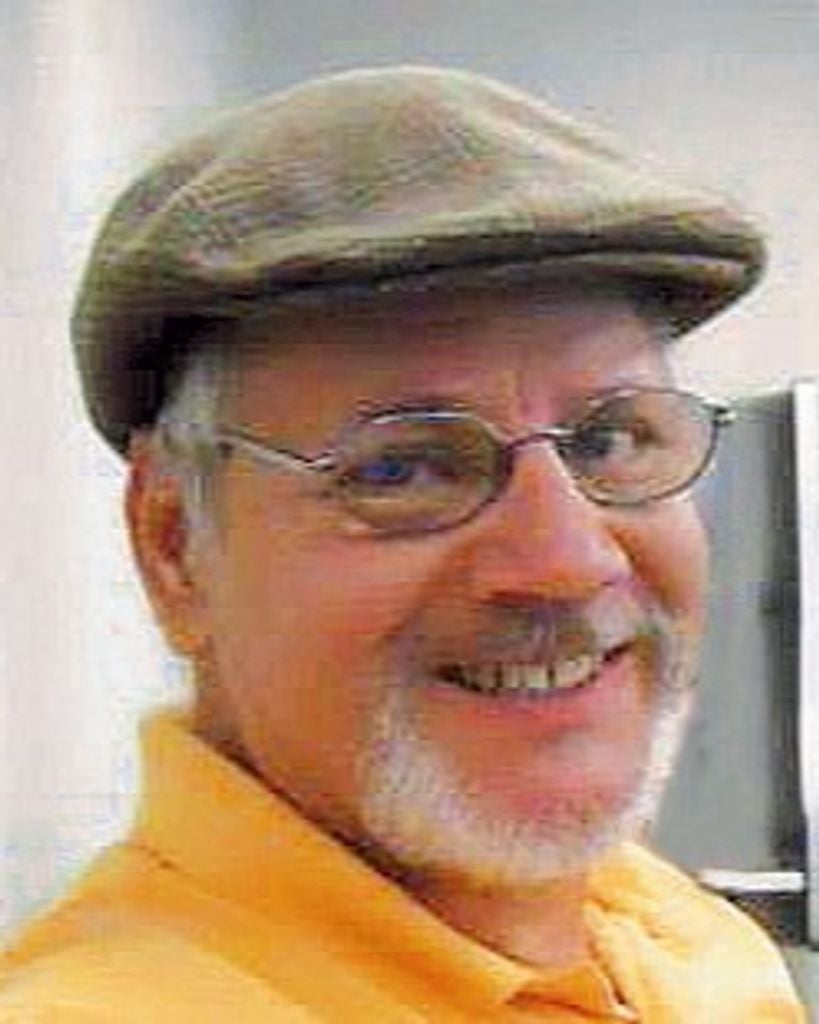
Joe Terrell

Think on These Things

Philippians 4:8-9
Joe Terrell December, 19 2021 Video & Audio
0 Comments
Philippians Bible Study

In the sermon "Think on These Things," Joe Terrell addresses the theological concept of the mental focus and perception of believers through the lens of Christ, particularly based on Philippians 4:8-9. He emphasizes that believers are to think about whatever is true, noble, right, pure, lovely, and admirable, illustrating that Christ exemplifies these qualities perfectly. Terrell argues that this focus on Christ and His attributes allows believers to navigate differences within the church, avoiding division by recognizing their unity in Christ. He cites Scripture extensively, including the call to consider what one has learned from Paul, reinforcing the idea that practical application of these teachings fosters peace among believers. The sermon underscores the importance of concentrating on Christ not only for personal transformation but also for maintaining harmony within the body of Christ.

Key Quotes

“If you completely pursue him, everything else will be where it's supposed to be. God should be the only place in your life.”

“In Christ, by the grace of God, by the will and power of God... nothing else matters.”

“What you focus your mind on is going to determine what you see everywhere else.”

“When we look at one another in Christ, what we will see is Christ.”

Sermon Transcript

Auto-generated transcript • May contain errors

100%
Heavenly Father, bless us now
as we open the scriptures and by your spirit, try to understand
what they mean and to take them in, not only to our minds to
be educated, but into our hearts to be transformed. In the name
of Christ, we pray it, amen. All right, Philippians chapter
four, verses eight and nine. Let's just read these two verses.
Finally, brothers, whatever is true, whatever is noble, whatever
is right, whatever is pure, whatever is lovely, whatever is admirable. If anything is excellent or praiseworthy,
think about such things. Whatever you have learned or
received or heard from me or seen in me, put into practice. and the God of peace will be
with you. Now, keep in mind that this entire
book has, as we might say, as a theme, learning to perceive
everything through the lens of Christ Jesus. Now, we are prone
to categorize things. And I've heard people say things
like, you know, I give God first place in my life. The only problem
is, in reality, God should be the only place in your life. That is, if you completely pursue
him, everything else will be where it's supposed to be. And
it's not as though we say, okay, if push comes to shove, I'll
choose God, but as long as I can have God and, you know, other
things, I'll pursue them too. Now, this is a difficult thing
to grasp, because even though we, or I have said that God should
be not only the focus, but completely consume our view, we still have
to get up and go to work. We still have to, if we still
got kids in the home, we got the job of raising them. You
know, you say, well, shouldn't we be focusing on those things,
too, and learning to, you know, put everything in its proper
perspective like that? In a sense, yes, but we've got
to realize that everything, absolutely everything, comes under the category
of things pertaining to God. Consequently, in pursuing God
with all our heart, mind, body, soul, and strength, all other
things automatically take their place. Now, that is counterintuitive
to natural thinking, because we think, you know, all things
have essential value, and therefore we determine what's the essential
value of this based and compare that to the essential value of
this, and that's how we come up with our priorities. But there's
only one thing of essential value, and that's God. And nothing has
any kind of value at all, except as it is perceived in relationship
to him. Now, this book, as we've been going through
it, one of the primary points that Paul is addressing is the
divisions that come up within churches because of differences
of opinion. Now, we know this. There is no
such thing as any size group of people coming together and
there be no differences. You know, people say, well, it
takes two to make an argument. And that's true, and that's all
it takes. Two, no matter how much we may
love one another, our deepest and most affectionate relationships
still confront differences. And it is in our nature to think
that these differences automatically must result in some kind of division. Now, there are some occasions
in which it is necessary that people divide, that the differences
become so great that they can no longer walk together. I mean,
someone who thinks we should go north and someone who thinks
we should go south cannot walk together on the issue of walking. But most of the things, in fact
we can say all of the things, all of the differences between
God's people, all of them can be resolved or born up with,
put up with in such a way that it need never cause division. Paul has been going through all
of this. He's given us the example of how, in chapter two, how we
should follow Christ's example, in which it teaches us, though
he knew himself to be equal with God, he was in very nature God,
he was willing to relinquish the rights and privileges of
being God in order to submit to his Father's will, which included
submitting to death, even the death of the cross. Now that
is not a pattern for us to follow, or not given to us as a pattern
to follow how we should submit to God. If you look at the context,
he's saying that's how we should submit to one another. We should
view each other as equals, and yet as we understand ourselves
to be equals with one another in Christ, we willingly take
the lower position. Just as Christ was equal with
the Father, but was willing to take the lower position. surrender
his rights and privileges for a time. Why? For the accomplishment
of the purpose for which God had sent him. And so here we
are as a group of individual human beings, all having differences
among us, differences of opinion, differences in maturity and faith,
differences in understanding, all of this is true, we don't
deny it. And yet, if we are in Christ,
there's absolutely no reason for us to divide from one another,
no reason for any of us to think that the differences are so severe
that we cannot walk together in Christ. Remember, all of humanity
is divided into two categories, in Christ and out of Christ,
and in all reality, nothing else matters. In Christ, by the grace
of God, by the will and power of God, as it says in 1 Corinthians
1, it's of God that you are in Christ Jesus. Now if a person
is in Christ, he has all spiritual blessings in the heavenly places
in Christ. God sees him. the same way he
sees Christ. So that makes us all equal, does
it not, in the sight of God, despite the fact there may be
differences in the ministries that God has given us, differences
in visibility. After all, as a pastor in this
congregation, I'm the one most often right here, and you see
me a lot, but that doesn't mean that I hold a position higher
than yours in the sight of God. And even if I have been given
this position of leadership and watch care, I've been given it
to exercise as your servant. Paul says, I am your servant
for Jesus' sake, and yet he was an apostle. And so here we're
equal, and yet though equal, we take the lower position. Now
here in these verses, he gives us another method for accomplishing
this, because this is contrary to the flesh, our natural flesh. And isn't this true? We want
to line ourselves up and, you know, according to importance
or value or usefulness. And we want to get as high up
the list as we can. At least make other people think
that we're high up on that list. And I'll say this, as long as
we are looking at ourselves and one another in the flesh, that's
exactly what we will do. I remember in my young years,
or younger years, even in Bible school and afterwards, and then
as the Lord put me in the ministry, this whole issue of, quote, pastoral
authority. Who's got the authority? Who's
the top of the heap? Well, I can tell you who has
the authority and who's the top of the heap, Christ. All the
rest of us are just servants in his household doing different
jobs. And so he says here, here's what
you need to think about. Right there at the end of verse
eight, think about such things. And in thinking about such things,
it will change your perception of everything else. And it does. I've seen this exhibited in myself
so many times. I used to be an avid reader of
news and politics, nearly everything. that doesn't involve getting
out of my chair. I really enjoy, you know, sit there and read,
read the columns in the paper, read the news. And you know what
I found out? The more I read of it, the angrier
I got, the more upset I got, the more I saw darkness in the
world. The more I called people good and bad. There was a remedy for that.
And I've done it almost 100%. I quit reading the news. I don't believe any of it anyway.
And what of it is true? The only thing it can do is make
me upset about things I cannot change. So I quit reading it. I quit reading political opinion. It's just not important. What you focus your mind on is
going to determine what you see everywhere else. Now, he says here in this list,
brothers, whatever is true. Now, as we look in this list,
keep in mind, there is only one thing or better stated, one person
to whom all these qualities can be ascribed. and all of them
are ascribed to him in perfection. Therefore, whatever we look for
that we might pay attention to and set our minds on that have
these qualities, we must begin with setting our eyes on and
putting our attention to the source of all those qualities,
our Lord Jesus Christ. Once again, Paul brings us back
to the source of all good things, all blessings. In fact, he is
the one that not only from whom and through whom all blessings
come, because of him, the believer can say, everything that comes
to me is a blessing. Even if it's painful, even if
by the standards of the world, it would be considered a loss.
It is a gain to me because of Christ. So we'll note these things first
of all with regard to Christ. Whatever is true, can you think
of anyone or anything to whom the word true may be better applied
than Jesus Christ? As I said, I used to read a lot
of political commentary And those with my similar political positions,
as I read them, it seemed to me that they dealt more often
in truth than those whose opinions I did not agree with. And I don't
mean simply they had true opinions, that their opinions were based
upon factual matters rather than a distortion of the facts. Sadly, in the last few years,
I've seen there's hardly any distinction between the ways
the various political, the ends of the political spectrum of
this country operates. It seems that none of them are
devoted to truth. But our Lord is not only true.
He says, I am the truth. I like that. He said, he didn't
say I'm one of the truths. He said, I am the truth. All
truth that man must know is found in him because he is the truth. Paul says, in him are hidden
all the treasures of wisdom and knowledge. If you would know God, you can
only know him through Christ. Say, well, the Bible can teach
us about God. Yes, you'll never come to know God if all you ever
get is what the Bible says. I'm not diminishing the Bible,
but lots of people have Bibles and haven't a clue about the
truth. It takes not only this written
objective record, it also takes the subjective experience of
being taught by God, of being taught by Christ. He says, you
call me Lord and teacher, and well you do, for so I am. He is the one who has the authority
over us, and he is the one who instructs us. And he instructs
us not only in the way teachers do in schools, as we normally
think of it, by telling us things, he is the instruction. That's
why the intellectual elite of his day, that is the religious
intellectual elite, did not recognize him for who he was. They stuffed
themselves with facts that they had derived from the scriptures,
but they looked at those facts through a natural Fleshly lens
consequently when God in human flesh appeared, not only did
they not recognize him as God, they considered him a blasphemer
against God. He is the truth and without him,
no one has any truth. He says whatsoever things are
noble. He is the only one worthy of
reverence. That's what the word actually
means, to be worthy of reverence. One of the reasons that I don't
use titles, I prefer that people not address me by any kind of
title. When I first came here, actually it was probably In the middle of March, 1987,
when I made the visit in which I formally accepted the call
that they had issued to me, they had some questions and they said,
well, what do you want us to call you? And I said, well, my
mother named me Joe and that works real good. Now, why is
that? Well, I won't, um, I won't deny
I've got enough flesh to take a certain amount of pride in
my humility. But the truth is, I don't want any of those honorific
names. I can't live up to them. Reverend? I'm worthy of reverence? No. Pastor? Which word means shepherd? I do the best I can. But you
can thank God I'm not really the one leading you around and
tending to your needs. I don't want a title. Because
I don't deserve it. I can't bear the responsibility
of it. I can't live up to it. But here's one who's worthy.
Reverend Jesus, we should call him. Because he is worthy of
our reverence. He is worthy that we be absolutely
in awe of him. And then he says, Whatsoever things are just or
right, God is called the just one. Of course, when I say God,
I go back and forth between God and Christ, and it could be confusing
to someone who didn't know anything about, we'll say, Christian theology. Christ is our God, and yet he
called God his God too. And you say, oh, that doesn't
make sense. Doesn't have to. We should be ready. and even
expectant that when we are talking about the things of God, we're
going to run into statements and doctrines that just do not
fit well into the human rational mind. Remember, the rationality
that, you know, when God devised our brains, he devised them to
operate according to a certain system, and that system was invented
by him. But that system is not completely
adequate to understand him. In fact, it is absolutely impossible
that we, the creature, could ever truly and completely understand
our creator. That's why he says, this is what
it is to know me and to understand me. And it has very little to
do with knowing facts and figures. It has to do with walking humbly
and things like this. So, excuse me. He is the just and right one.
Paul was told that he was chosen to see the just one, the right
one, to be his witness in the world. Christ is that God who
spoke in Isaiah and said, there is no God like me, a just God
and a savior. The gods of human invention can
be just or they can be merciful. They can deal with you according
to your conduct, or they can set aside justice and just let
your sinfulness go. But the living God cannot just
let things go. You know, people say, well, God
is full of free forgiveness. And that's true, and then it's
not. His forgiveness is free to us,
but it cost our Lord terribly. He paid the price required by
God in the payment of our sins, so
then He can justly take our sins off the record. Everything God does is just and
right. That's why Paul, in speaking
about justification, says that our Lord Jesus Christ died so
that God can be just and justify them which have faith in Christ
Jesus. Apart from the death of the Lord
Jesus Christ, you could have faith in Christ Jesus, you could
believe him, you could love him, you could do all of those things,
and it would accomplish nothing because God would not be able
to justly Forgive your sins. But because Christ has died,
he can do that. He has satisfied his justice
in Christ and therefore can be just even as he declares us sinful
people to be righteous. He is the just one. Whatsoever
things are pure, this word translated pure is What most Greek scholars believe
is the source for the word holy. And of course, holy means set
apart, so pure means set apart from impurities. Now, we are
pure because we've been purified. That is, in the sight of God,
he sees nothing impure in us. But that's only by virtue. of
the purity of the Lord Jesus Christ. It's because he is pure, and
as the pure one, he allowed himself to be defiled with our sins,
we are now pure in God's sight. He says, whatsoever things are
lovely, and that means whatever things that the mere sight of
them would draw you to them. Now, they normally meant this
in a moral or spiritual sense, but that's what the words, if
you broke down the Greek word, that's what it would, strictly
speaking, mean. And therefore, we take from this
the idea something which is so good, so worthy, of our attraction,
affection, and love, that it's obvious when you see it. Who more can we apply this to
than our Lord Jesus? You know, when we declare Christ,
sometimes we think to ourselves, why don't they embrace him? Well, if seeing Him should automatically
make us want Him and love Him, the only thing we can conclude
then is those to whom we speak are blind. We tell them, but
they do not see. And if and when, by the grace
of God, they are made to see, you know what they'll do? They'll
see it just like we do, That's the best thing I ever
saw. In fact, it's the only good thing I have ever seen. Whatsoever things are of good
report. The Greek word here is ephema. And then I thought to
myself, well, it sounds like the word fame, part of it, but
it's probably not. And then I looked it up, and
one of the definitions of it is good fame. Now, normally when
we use the word famous, we use it in a good way. And if we want
to think that somebody is known for their bad qualities, we're
saying they're infamous. But this word, and I don't know
if it's the source of our word famous, but the point here is
you can have good or bad fame. You can be known for good or
bad things. He says, whatever is known for
good things. Well, our Lord Jesus, is there
anything, is there any report about Him that is not good? You
know, those who want to detract from Him, and you know, some
of them want to say, you know, He didn't even exist, and it's
a figment of human imagination. But I've noticed most of their
arguments are not about Christ, they're about Christians. Well,
friends, there's a lot about us. that's not of good report. I'm not excusing it, that's just
a fact. There are things can be said about us that are rightly
to be condemned, but you can read all the record of scripture and even everything that can
be found in the secular records about Christ. And there's not
too much, but there's some. No one ever said anything bad
about him. that knew him. No one ever said anything bad
except those who made up lies about him and said he blasphemed
and that he was trying to overthrow Caesar. He never did anything
like that. He went about doing good. He
did everything that pleased his father. He did good to those
who hated him. Good report. whatever is virtuous. He is virtue personified. He is goodness. Excellent, praiseworthy. So the first thing, he says,
think about these things. First thing is, think on Christ
himself. And then after that, think on
those things which are connected to Christ. his gospel, the truth
concerning him. Those are good things, true things,
excellent things, praiseworthy things, all that. And he goes on and he says, whatever
you have learned or received or heard from me, whatever you've
learned or received or heard from me or seen in me, put into
practice. Now he sets himself forth as
an example, not a perfect one. Paul made his mistakes like everybody
else did, but he did show the general direction of this because
the very characteristics he's exhorting them to do. or to show,
and the very actions he's exhorting them to follow, that's what he
was doing. And probably a very good example
of this would be, again, back in, I believe it's chapter one,
and he talks about those who were preaching the gospel, some
out of good motives, others out of selfish motives. And what
did he say? What is that to me? So long as
Christ is preached, He could have divided preachers into good
and bad. He could have provided, excuse me, divided these men
into faithful and unfaithful. And indeed, you could do that
if you're looking at them in the flesh, if you're looking
at them outside of Christ. But the moment you perceive them
to be in this one who possesses all these characteristics, you
begin to see them like him. And the more we focus upon these,
or the one who bears all these characteristics and set our minds
and affections on the things connected to him, the more we
see one another as having these characteristics. You say, but come on, I know
such and such tells lies. Well, so do you, so do I. That's
the nature of humanity, let God be true and every man a liar.
And Paul said that only because it's true, God's true, and every
man's a liar. Yes, but that person could be so hard to get along
with. Yes, that's all true. And if you look at them according
to the flesh, that's what you'll notice about them, that's how
you'll react to them, and you'll divide over your differences.
If you look at everyone in Christ, just like God does, what you
will see is Christ, his character, upon them, and you will be able
to bear up with their lies and their pettiness and their needless
differences. And what's the result? And the
God of peace shall be with you. When you see no differences, All is well. All is peace. When we look at one another in
Christ, despite whatever differences there may be in personality,
conduct, opinion, when we look at one another in Christ, what
we will see is Christ. We will, like God, impute to
them those characteristics which they themselves do not possess
and which we ourselves do not possess. And we will see all
of us as sinners under the grace of God, nothing more, nothing
less, and there is no cause to be disturbed. All right, we'll
pick up there.
Joe Terrell
About Joe Terrell

Joe Terrell (February 28, 1955 — April 22, 2024) was pastor of Grace Community Church in Rock Valley, IA.

Broadcaster:

Comments

0 / 2000 characters
Comments are moderated before appearing.

Be the first to comment!

Joshua

Joshua

Shall we play a game? Ask me about articles, sermons, or theology from our library. I can also help you navigate the site.