Hosea 3:1 Then said the LORD unto me, Go yet, love a woman beloved of her friend, yet an adulteress, according to the love of the LORD toward the children of Israel, who look to other gods, and love flagons of wine. 2So I bought her to me for fifteen pieces of silver, and for an homer of barley, and an half homer of barley: 3And I said unto her, Thou shalt abide for me many days; thou shalt not play the harlot, and thou shalt not be for another man: so will I also be for thee. 4For the children of Israel shall abide many days without a king, and without a prince, and without a sacrifice, and without an image, and without an ephod, and without teraphim: 5Afterward shall the children of Israel return, and seek the LORD their God, and David their king; and shall fear the LORD and his goodness in the latter days.
Sermon Transcript
Auto-generated transcript • May contain errors
100%
Thank you, Mark. Let me welcome
everybody to our fellowship this morning. We're glad you chose
to come to the house of the Lord to worship, and we trust that
the Lord will bless us as we fellowship around his word. You
know, God's people are called a peculiar people. The people
of God are a peculiar people, and we are. Jesus Christ is the
only begotten son of God. That means he's the only one. There's only one like him. But
we're begotten of God also, so we're peculiar in one sense,
as Christ is. And we're gonna be looking in
Hosea chapter three this morning, and the title of my message is
The People of God, This Peculiar People. God's people are called
to holiness of life by putting on Christ. and putting off the
old man. Paul wrote this in Colossians
and Ephesians about putting on the new man and putting off the
old man. And this does not mean that we
achieve some measure of sinful perfection in this life by some
work of righteousness which we have done. Simply stated, putting
on, putting off means to repent of thinking that anything we
do could recommend us to God and putting on is trusting in
Christ and His righteousness imputed for all of our salvation.
Which according to 1 Corinthians chapter 1 verse 30 says this
about our holiness. Who of God, that's Christ, who
of God has made unto us wisdom and righteousness and sanctification
and redemption. Christ is our holiness and in
Christ we are holy and in Him alone. So when we consider what
God has done for us in Christ We should be like Paul, who wrote
in Romans chapter 12, verse 1 and 2, a reasonable service. This is our reasonable service.
I beseech you, therefore, brethren, by the mercies of God, that you
present your bodies a living sacrifice, holy and acceptable
unto God, which is your reasonable service. Think about what God
has done for his people, this peculiar people. Without contribution
from or consideration of our person, or anything that we've
done, God chose a remnant according to the election of grace before
the world began. And he predestinated that peculiar
people to be conformed to the image of Christ. In the council
of the triune Godhead, God the Son stood as a substitute, the
surety, and the savior of every sinner he represented. Therefore,
the sons of Jacob are not consumed. because the Lord changes not. Having loved this remnant with
an everlasting love, and we'll talk about that a little bit
later on, evidenced by our unchangeable standing in Christ, and that
before the foundation of the world, and being blessed with
all spiritual blessings in heavenly places in Christ Jesus, our fall
in Adam was not from grace. We didn't fall from grace. We
did fall, but not from grace. When the elect fell in Adam,
their state of innocence changed, but our standing in Christ remains
steadfast. Though our sin brought guilt,
defilement, and condemnation from God, he continued to view
us, his elect, righteous and holy in our generation. He talked
about this in Genesis chapter 7 verse 1 when he said to Noah,
Noah, I have seen thee righteous in thy generation. So he declared his elect righteous
in their generation because of the fact that he had already
conditioned their salvation on Christ. And Christ stood as the
surety to bear their sins. And Christ had said, Lord, if
they owe thee anything, I'll pay it. I will repay. And God
charged the sins of his elect to Christ, who accepted them
in the beloved, based on a certain establishment of that imputation
of his righteousness. in time to come. That's how David
could say, 700 years before the cross, blessed are they whose
iniquities are forgiven and whose sins are covered. Blessed is
the man to whom the Lord will not impute sin. To whom will
the Lord not impute sin? To those whom Him imputes righteousness. Look with me at 1 John 3 and
verse 5. John the Apostle writes, and
you know that he was manifested to take away our sins, and in
him is no sin. The key to my standing in Christ
is this, I have his righteousness imputed to me, which demands
my eternal blessedness and salvation. Though our state changed, God's
love for his people remained constant. God's love has already
prepared when Adam failed, had already prepared for the fall
of Adam, and he looked to our surety, the lamb slain from the
foundation of the world, for satisfaction to God's law of
the man against us, and he found that in one place only, that
is in the Lord Jesus Christ. Hebrews chapter 10 and verse
14 says this, for by one offering he hath perfected forever them
that are sanctified. and he ever liveth to make intercession
for them. The scripture says that he ever
lives to make intercession for us. His living, as Mark prayed,
declares that God has accepted his offering and raised him from
the dead based on perfect satisfaction to law and justice. His intercession
pleads that righteousness for his people before the throne
of God. Christ's promise is this, that
whosoever shall call upon the name of the Lord, shall be saved.
And whosoever shall confess me before men, him will I also confess
before my Father which is in heaven. Well, what is it to confess
Christ? It's to plead his righteousness
imputed as the whole of my salvation, nothing more, nothing less. We
plead to Christ his righteousness, and he pleads that same righteousness
to the Father on our behalf. Christ's blood poured out satisfied
every charge against his people, and his righteousness imputed
secures our unchangeable standing before a holy and righteous God.
So herein is love, unconditional, sovereign, eternal love. And
that's the reason God's peculiar people are not consumed. Well,
what did we do with that love? We parroted Gomer and committed
spiritual whoredom. We thumbed our nose at the unconditional
love of God and gave our loyalty to an idol of our imagination. But God's people cannot remain
in idolatry. Chapter 3 of Hosea that we're
going to look at in a minute gives us God's proof in response
to our rejection of his love that his people cannot remain
in idolatry. in idolatry. Even in our rebellion,
God's love never changed for his people. It never wavered.
Why? Well, God gives us three reasons
in Hosea chapter 3 that I want us to look at this morning. The
people of God, first of all, are beloved of God. There's an
old song going around, searching for love in all the wrong places.
And that's what's happening with most people today in religion.
They're searching for love in the wrong place. But God's people
are beloved of God, and they know it. And we'll prove that
with a scripture in a little bit. Secondly, not only are we
beloved of God, but we are bought with a price. Not just a down
payment. God has done some, and we must
do the rest. No, that's not the God we worship.
We are bought with that price, and it was totally paid for.
And then thirdly, we're begotten of God unto a lively whole. There'll
be no stillborn children in the family of God. So let's look
at these in our few moments we have this morning. First of all,
the people of God are beloved of God. The Holy Scriptures reveal
three characteristics of God. In John chapter 4 and verse 24,
the scripture says that God is spirit and they that worship
him must worship him in spirit and in truth. And in 1 John 1
and verse 5, it says that God is light. This then is the message
which we have heard of him in declaring to you that God is
light and in him is no darkness at all. And then in 1 John 4
and verse 8, God is love. He that loveth not knoweth not
God, for God is love. Well, much has been written about
the love of God, and most of it dishonors the love of the
true and living God. It's written by those ignorant
of that love who makes it conditional on something the sinner does.
If we obey, they argue, God will dispense his love. If we disobey,
he holds that love, withholds it. John 3.16 is a classic example. For God so loved the world that
he gave his only begotten son, that whosoever believeth in him
should not perish but have everlasting life. See, if we believe, he'll
dispense his love. If we believe, God will love.
To insist on the condition of believing is to reject the love
of the true and living God, clearly defined in the preaching of the
gospel. Another example is 1 John 4 and verse 10. Look at this
with me. Herein is love. Not that we love
God, but that he loved us and sent his son to be the propitiation
for our sins. Under such clear teaching from
the word of God, that it is not our love to Christ, but his love
to us, the lost insist on holding on to the notion that if the
sinner loves God, that's what makes the difference between
saved and lost. Well, excuse me. Those of us
quickened from the dead know and are persuaded that God's
love is the only cause of our salvation. Had he not moved in
me, in you, we would never have come to him. This is God's testimony. Jesus said this in John chapter
five, verse 40, and you will not come to me that you might
have life. You will come to a God. You will
come to a Jesus, but it's not the one true and living Jesus. And then John chapter 6 in verse
44, again Jesus said, no man can come to me except the father
which hath sent me draw him and I will raise him up in the last
day. We're gonna see in just a moment
where Hosea said, I bought her unto me. I didn't wait for her
to come, I went and got her, I bought her unto me. Paul writing
in first Corinthians chapter 13 verse 13 says this, and now
abideth faith hope, love, these three, but the greatest of these
is love. You know, faith is a gift of
invaluable worth. Hope is priceless, and every
regenerated sinner has both. God's elect will believe, they
will hope, but greater than these is the object of their faith
and their hope, whom they believe in, this God of love. His love
for them will not let us go. And we don't look to our faith.
We don't look to our hope or anything in us or anything He
might do in us as any part of our salvation. But we look to
Him who loves us with an everlasting love. And that love provided
everything we needed to make us holy and unblameable
and unapproved. So here in chapter 3 of Hosea,
God demonstrates this love for us. And he uses parabolic and
symbolic language here. If you remember in a former study,
Hosea is a type. He's a type of the Savior. His
name means Savior. He's a type of the Lord Jesus
Christ. And Gomer is a type of the church, fallen church, a
sinful church. The word Gomer means consummate. And she was a consumed woman
for her lover. She went after her so-called
lover. She was the type of the antitype, the remnant, according
to the election of grace, God's peculiar people. So let's look
at this for just a few moments. It talks about the love of God,
beloved of God. Look at Hosea chapter three in
verse one. Then said the Lord unto me, go
ye, go yet, love a woman, beloved of her friend. Yet an adulteress
according to the love of the Lord toward the children of Israel
who look to other gods and love flagons of wine. Here we see
the love of God for his people. Why would God order Hosea to
marry an adulteress? But that's what he did. Look
at Hosea chapter one in verse two. The beginning of the word
of the Lord by Hosea. And the Lord said to Hosea, go
take unto thee a wife of whoredoms and children of whoredoms for
the land hath committed great whoredom, departing from the
Lord. Why would God order Hosea to marry an idolater? But he
did, when he says in 2 Corinthians 6.14, Be ye not unequally yoked
together with unbelievers, for what fellowship hath righteousness
with unrighteousness, and what communion hath light with darkness?
Look at Hosea 3. Then said the Lord unto me, go
yet, love a woman beloved of her friend, and adulteress according
to the love of God toward the children of Israel who look to
other gods. That's idolatry. And love flagons
of wine. Why would God command Hosea to
love a woman totally consumed with false religion? That's what
flagons of wine has reference to. To the drunkenness of the
wine of false religion by those who drink iniquity like water.
That word flagon means unmixed, undiluted. False religion loves
to mix grace and works, but not Homer. She wanted her wine straight,
her religion straight out of the bottle, as it were. She didn't
want it unmixed. She was strictly works. That's
evidenced by her going after her strange lovers. She was not
interested in Christ. She was interested in those lovers
that met her needs daily. How could a holy God who abhors
sin command Hosea to marry a drunkard, an idolater, and an adulterer?
Well, did he have a choice? The scripture says that all have
sinned and come short of the glory of God. What this is teaching
us is that even before justification and regeneration and conversion,
all of us are idolaters. We're drunk on the wine of false
religion. idolaters worshiping a God of
our imagination. That's all God had to choose
from because we're all that. But out of that mass of fallen
humanity, God chose a people. Well, with all of her faults
and with all of our faults, what did Gomer have going for her? One thing, she had a friend. Look at Hosea 3 again. Then said
the Lord unto me, Go yet, love a woman beloved of her friend.
Friend here means husband. Her friend was her husband, Hosea,
the type of Christ. Hosea loved Gomer like God loved
Israel. He mentions that in verse 1. Her friend was none other than
God the Son, to whom she had been betrothed forever. All this
pictures and types the father's relationship with the remnant
according to the election of grace. His love for the church
never waned because of her sin. The people of God are beloved
of their friend, the Lord. And that love is, first of all,
it's sovereign love. Secondly, it's eternal love.
Thirdly, it's unconditional love. Let's look at the sovereign love
of God first. The Lord said in Hosea 3, 1,
go. This God to whom we are beloved
is a sovereign God, therefore His love is sovereign love. He
is under obligation, no obligation or influence from anyone, especially
those whom He loves. His sovereign will is set and
shall be accomplished in time as it is already in His purpose
and will. So in Hosea chapter 3 and verse
1, this sovereign God asked, then said the Lord unto me, then,
When did God say, today is the day I will exercise my sovereignty
and salvation? Look at Galatians chapter four
and verse four. The scripture says, but when
the fullness of the time was come, and that time was a time
set by God alone, God sent forth his son, made of a woman, made
under the law, to redeem them that were under the law, that
we might receive the adoption of sons. God alone, determines
the who, the how, the when, the where of those he'll save. God alone determines when, the
when of our regeneration. Unless and until he acts, sinners
remain in darkness. Then said he unto me, God said
to Christ, go yet, love that woman. Jesus is the friend of sinners.
In Matthew chapter 11, the Pharisees accused Jesus of being a friend
of publicans and sinners, and so he was. And aren't we glad
he was, because that's what we are. And we're glad that Jesus
is the friend of sinners. And thank God for that includes
me. God's elect can truly sing what
a friend we have in Jesus. Proverbs chapter 18 says this,
a man that hath friends must show himself friendly. and there
is a friend that sticketh closer than a brother. Our sovereign
God, determined, and Christ executes the Father's will and the salvation
of those he befriended is elect. His love is sovereign love because
he's sovereign. Jacob have I loved and he so
have I hated is the prerogative of our sovereign God. Paul wrote
this in Ephesians chapter one, verse four and five about the
sovereignty of God in salvation. He said, God in love predestinated
us to the adoption of children by Jesus Christ to himself according
to the good pleasure of the sinner's will, no, according to his will,
God's will. He says basically the same thing
in 1 Timothy 1.9, God who has saved us and called us with unholy
calling, not according, not influenced by our works, but according to
his own purpose and grace, which was given us in Christ Jesus.
before the world began. Without influence by the object
of his love, God sovereignly acts in sovereign love. God's
love is also eternal. He says in Hosea 3, 1, go yet
love. Don't abandon those you've befriended. Love her still, whom you've always
loved. It's what God is saying to Christ.
How long has God loved his elect? How long has God loved this peculiar
people? Well, he gives us a hint in Jeremiah
31 in verse 3. He said, I have loved thee with
an everlasting love. Therefore, with loving kindness,
I have drawn thee. How long has God loved his people?
Psalm 90 verse 2 says this, from everlasting to everlasting, thou
art God, which means that God's love is from everlasting to everlasting. It has no beginning or ending.
The Apostle John summed it up in these words in John 13, 1. Now before the feast of the Passover,
when Jesus knew that his hour was come, that he should depart
out of the world unto the Father, having loved his own which were
in the world, he loved them unto the end. Since God is sovereign,
his love is sovereign. Since he is eternal, his love
is eternal. And since he is God, his love
is unconditional. His love requires nothing of
or from the sinner. If it did, none of us would ever
experience the love of God, because we don't have anything to offer
to God, but thanksgiving and praise, and even that is a gift
of Him from God Himself. Until their regeneration and
conversion, even the remnant, according to the election of
grace, look to other gods and love flagons of wine. And 1 John
4, 19 says that the only reason we love him in any degree is
because he first loved us. So his command in Hosea 3, 1
is to love her according to the love of the Lord toward the children
of Israel. Well, how did God love Israel?
Read with me Deuteronomy 7, verse 7 and 8. Here Moses wrote, The Lord did not set his love
upon you, nor choose you, because you were more in number than
any people, for you were the fewest of all people. But because
the Lord loved you, and because he would keep the oath which
he had sworn unto your fathers, hath the Lord brought you out
with a mighty hand, and redeemed you out of the house of bondmen
from the hand of Pharaoh, king of Egypt. Hear in his love, not
that we loved him, but that he loved us, and that unconditionally. and send his son to be the propitiation
for our sins. The people of God are beloved
of God. Does God love you? Is there any
way I can know if God loves me? Well, there is an evidence. Do
you love Christ? If you love Christ, it's because
he first loved you. If you love this Christ I'm talking
about, it's because he first loved you. I pray that God, you
are the beloved of God. Okay, let's look at the second
thing. The people of God are bought with a price. Look at
Hosea chapter three and verse two. And I'll get to that in
just a minute. In 1 Corinthians 6, 19 and 20,
Paul writes these words. For you are not your own, for
you are bought with a price. Therefore glorify God in your
body and in your spirit, which are God's. In other words, act
like a slave. redeemed, released, set free. Glorify God in your body. How
much is a sinner worth to God? What is the cost of redemption?
What shall a man give in exchange for his soul? Jesus declared
in Matthew chapter 16 that if he should gain the whole world,
it wouldn't be enough. We'll find the answer to this.
How much is a sinner worth to God? in these verses following
here. Look at chapter 3 and verse 2
of Hosea. So I bought her unto me for 15
pieces of silver, and for a homer of barley, and a half homer of
barley. Who bought Gomer? Her husband
bought her, Hosea, Christ. He is the only one who could
redeem his wife. Christ is the only one that could
redeem the lost, his church, his peculiar people, the people
of God. Remember, we have been betrothed
to him forever in that everlasting covenant of grace. Christ obligated
himself to her purchase in the everlasting covenant of grace,
and had he not bought us, he would be the biggest imposter
that ever lived, and we would be without hope because There
is no other name under heaven given among men whereby we must
be saved. If Christ didn't save his people,
they're without hope. But we know he did. He said,
I bought her to me. Hosea said, I bought her to me.
I didn't save her and abandon her to the world. I gathered
her under my wing like a hen would gather her chicks. Not
only did I redeem her, said Christ in Hebrews 13, 5, I will never
leave her nor forsake her. That's comforting news. The people
of God are in an unchangeable standing in Christ. And nothing
can alter that, not even God himself. So he said, I bought
her to me. From whom did he redeem her?
Who were we bought from? The one that held us in bondage.
The one that held us in bondage. We were in bondage to the law
of God. Gomer was in bondage. She knew
that the penalty for adultery was death by stoning. But she
was ignorant of the fact that God had charged her sin to her
substitute, her surety, and had charged him with a sin. And she
went about seeking to establish a righteousness of her own, ignorant
of what God in Christ had provided for her in that everlasting covenant
of grace. In Hebrews chapter 2 and verse
15, it talks about Christ taking on humanity, body and soul, to
deliver them who through fear of death were all their lifetime
subject to bondage. That bondage is our seeking to
please God by some obedience that we render to his law that
would make us acceptable in his sight. But we didn't know that
he had already charged our sin to Christ either, and Christ
bore the responsibility of that sin But in regeneration and conversion,
the veil is lifted from the sinner's eyes and we are made to see the
work finished and Christ's righteousness already imputed to his peculiar
people. So if Christ bought Gomer to
himself, who can lay anything to the charge of God's elect?
If Christ paid my debt, who can lay anything to the charge of
me? Nobody. Well, what is the price
of redemption? Hosea chapter 3 and verse 2 says
15 pieces of silver and a homer and a half homer of barley Well,
we know that silver and barley cannot put away sins Just like
the blood of bulls and goats cannot take away sin silver and
barley. Okay, they're representative
of something else so to find out what they represent we must
know what God requires for salvation and The number 15 is a multiple
of five and three. Three is the number of divine
perfection, the Trinity, the triune God, divine perfection. Five is the number of grace.
So five times three is 15. And this specifically refers
to acts of divine perfection in the scripture. And what better
illustration than the saving of God's leg? God who declared
that the soul that sinneth it shall surely die also declared
that he justifies the ungodly and that based on a divinely
perfected salvation that is of grace alone. So how does silver
and barley satisfy God's law and justice? Silver and barley
are at the opposite ends of the value spectrum. Silver is the
possession of nobility. Barley the sustenance of servants.
Silver represents purity. Barley represents poverty. It
was the staple of servants and livestock. The servants and livestock
didn't eat wheat. That was reserved for the up
and up. But it was the staple of servants
and livestock. Well, both make up Christ's sacrifice
for sin here. Silver represents his deity,
divine perfection, free of draws. Christ was tried by the fire
of God's wrath. came through pure. The one qualified
to offer a sin offering is he who is God the Son, very God,
a very God. He's the only one capable, this
man who is God, but he is also a man. Barley represents his
humanity and his humility in condescending from the throne
of heaven to take into union with his deity, true, sinless
humanity. He was made of no reputation.
He made himself of no reputation, and took upon him the form of
a servant. In other words, he offered his sinless humanity,
represented by the barley, upon the altar of his deity, represented
by the silver. Look at Isaiah chapter 42 in
verse 1. It talks about this. He says, Behold my servant. It's
called a servant here. Behold my servant. whom I uphold,
mine elect, in whom my soul delighteth, I have put my spirit upon him,
and he shall bring forth judgment to the Gentiles. This man, this
King of kings and Lord of lords, became the servant of Jehovah
to secure the elect's salvation. 2 Corinthians 8 and verse 9 says,
For you know the grace of our Lord Jesus Christ, that though
he was rich, God's rich, So he was God, yet he became poor. He took into union with deity
through sinless humanity that we, through his poverty, might
be made rich. God, for our sakes, made him
to be sin for us who knew no sin by imputation only. He became poor. He took on sinless
humanity, body and soul, to make that one offering. that only
he could make for God's people. And why did he have to do that?
Because the law requires more than you and I can, more than you and I could ever
pay. It requires perfect satisfaction to law and justice from you and
me. That means perfect continual obedience from the cradle to
the grave and an eternal death by a suitable substitute for
one infraction of the law. And regarding us, an eternity
of suffering in hell by me would put me no closer to satisfying
God's law and justice than the day I began because I'm a sinner. A sinner has nothing to give
in exchange for his soul. Fifteen shekels of silver and
a homer and a half of barley is far beyond the sinner's ability
to meet because an infinite God requires infinite payment for
an infinite sin that the finite creature cannot meet. But sinners,
some sinners have a friend, someone who could and did pay. His name
is Hosea, Savior, Jesus. He, the God-man, is the one substitute
who is able to render perfect satisfaction to the law of God.
He fulfilled every jot and tittle of the law. He was without sin,
a lamb without spot, pure as silver. He knew no sin. but by
amputation. Therefore, he is the only suitable
substitute able to offer the one sacrifice for sins, his own
body on the tree. He paid for our redemption with
his life. Said he in Hosea chapter three
in verse two, so I bought her to me. I paid the redemption
price for her. I paid the law of God, all my
people owed toward his satisfaction. God's elect are not our own,
we are bought with a price. That price, the precious blood
of Christ, who without spot offered himself to God. His sinless humanity
upon the altar of his deity. Silver represents the quality
of his offer. He is the impeccable Christ,
very God of very God. One and a half homers of barley
represents the quality of his sacrifice. It is a precise measure
of his work of redemption. He made perfect satisfaction
to law and justice. He left nothing undone for you
and I to contribute. Barley was the staple of life,
the bread of life, as it were, for the slave and the servant. His blood and righteousness is
a staple of eternal life to those who are born again. Hosea said,
I bought her to me by one offering, the scripture says, he has perfected
forever them that are sanctified. Look with me at first Peter,
verse 18 and 19. Peter wrote this, for as much
as you know that you were not redeemed with corruptible things
as silver and gold from your vain conversation received by
tradition from your fathers, but with the precious blood of
Christ as of a lamb without blemish and without spot. He is the Lord
of glory and the Lamb of God. He is our altar. He is our high
priest. He is our sacrifice. We are bought
with a price. His precious blood. And lastly,
the people of God are begotten of God. Not only are we beloved
of God, bought with a price, but we are begotten of God. Look
at Hosea chapter three, verses three through five. As I mentioned
a while ago, scripture called Jesus the only begotten Son of
God, one of a kind. the only one of his kind. He
is that corn of wheat that fell into the ground and when it came
forth it brought forth much fruit. First Peter calls the elect begotten
of God, born again of God. As sons of God, God's people
shall remain faithful to Christ because he will not let us go.
Look at Hosea 3 in verse 3. Hosea said to Gomer, thou shalt
abide for me or wait for me. That's what that word about me.
Thou shalt wait for me many days. Thou shalt not play the harlot.
Thou shalt not be for another man. So will I also be for thee. It's impossible for Christ to
lose one that the Father gave him. He says, I'll be for thee.
I'll be with thee. And if God be for us, who can
be against us? Look at Hosea chapter three and
verse For the children of Israel shall abide many days without
a king and without a prince, and without a sacrifice, and
without an image, and without an ephod, and without a teraphim. Afterwards shall the children
of Israel return and seek the Lord their God and David their
king, and shall fear the Lord and his goodness in the latter
days. What he's talking about here
is the Babylon captivity of the nation Israel. though they would
be chastised for their sin with the Babylon captivity, and that
for many days, Christ said, yet a remnant would return to Israel
and seek the Lord their God and David their king, and should
fear the Lord and his goodness in the latter days. That fear
that he's speaking of here is not a, it's a reverential respect
for the honor of God's redemptive glory in Christ given to spiritual
Israel, both Jew and Gentile. and that in the latter days,
that is in the church age. This is so sure and certain to
happen because of God's promise and Christ's sacrifice. Listen
to the promise that the angel made to Mary before the birth
of Christ in Luke chapter 1 verse 33. The angel said to Mary, and
behold thou shalt conceive in thy womb and bring forth a son
and shall call his name Jesus. He shall be great and shall be
called the son of the highest, and the Lord God shall give unto
him the throne of his father David, and he shall reign over
the house of Jacob. Remember Jacob? Jacob have I
loved forever, and of his kingdom there shall be no end. So Christ,
as the son of David, is the head of his kingdom, the church, and
in his office as king he rules and reigns to be sure that all
of his people receive every benefit and blessing of his work to redeem
them. and save them, and God has chosen
the foolishness of preaching to accomplish this. One by one,
day after day, they return, and that under the call of the gospel,
which is not a promise to save you if you'll do something, but
it's a declaration that God's people are already beloved of
God. They've already been bought with
a price, and they are begotten of God unto a lively hope. And
this by him who said in Hosea chapter 3 and verse 23, I will
sow her unto me in the earth. And I will have mercy upon her
that had not obtained mercy. And I will say to them which
are not my people, thou art my people. And they shall say, thou
art my God. We are all saved by grace, through
faith, and that not of ourselves. It is a gift of God. What a blessing
from God to be called the people of God.
About Winston Pannell
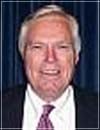
Winston Pannell was born in 1937 in rural Alabama. At the age of fifteen he became interested in religion and was baptized in the Armenian faith, as was Patricia, his wife to be and subsequently their three daughters. In 1985 the Lord confronted him with the true gospel and brought him to faith in God and true repentance from dead works and idolatry. It has been his passion to learn more of a Just God and Savior and his propitiatory work on behalf of his people given him by the Father in the Everlasting Covenant of Grace. The pulpit of Eager Avenue Grace Church in Albany Georgia has afforded him the opportunity to deliver this gospel of God’s free and sovereign grace in Christ, based on his righteousness imputed and received by faith as the whole of the sinner’s salvation. His desire is to deliver this gospel to the hearing of as many as the Lord shall save.
Pristine Grace functions as a digital library of preaching and teaching from many different men and ministries. I maintain a broad collection for research, study, and listening, and the presence of any preacher or message here should not be taken as a blanket endorsement of every doctrinal position expressed.
I publish my own convictions openly and without hesitation throughout this site and in my own preaching and writing. This archive is not a denominational clearinghouse. My aim in maintaining it is to preserve historic and contemporary preaching, encourage careful study, and above all direct readers and listeners to the person and work of Christ.
Brandan Kraft
Bible Verse Lookup
Loading today's devotional...
Unable to load devotional.
Select a devotional to begin reading.
Bible Reading Plans
Track your daily Bible reading with a structured plan. Choose from several options and let us keep track of your progress.
Comments
Your comment has been submitted and is awaiting moderation. Once approved, it will appear on this page.
Be the first to comment!