Bootstrap
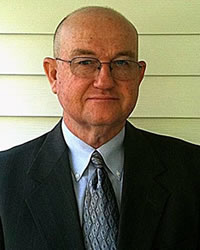
Gary Shepard

What is it to Call on the Name of the Lord

Romans 10:13
Gary Shepard October, 31 2010 Video & Audio
0 Comments
Gary Shepard
Gary Shepard October, 31 2010
Romans 10:13 For whosoever shall call upon the name of the Lord shall be saved.

Sermon Transcript

Auto-generated transcript • May contain errors

100%
Turn with me in your Bibles to
Romans 10. Romans chapter 10. I'm just going to read one verse
in the beginning. And that verse is verse 13. for whosoever shall call upon
the name of the Lord shall be saved. I don't think there can be any
doubt that there is the promise of salvation here. And in the context of this chapter, Whosoever speaks, I'm sure, of
that distinction that has long been made between Jew and Gentile,
whosoever Jew or Gentile, young or old, rich or poor, male or
female, And he says here that they shall
be saved. That means rescued, delivered,
redeemed, found. And it speaks of that salvation
that is in the past tense and the present tense and in the
future tense. They'll be saved from sin, saved
from Satan, saved from self, saved from everything that would
destroy us, body and soul. And I think it's also clear here
that this salvation is of the Lord. they'll be saved. They'll not save themselves. They'll not be made savable. And it's clear that the Lord
must do it or there'd be no need to call on the name of the Lord. And I think it's furthermore
obvious that this is a sure and a certain promise. They shall be saved. And God who is faithful and who
is able and who is unchangeable, he's the one who's promised this. But this morning I want you to
notice something else here, something that men make little of or never attach to the whosoever. They like to make statements
like this. They say, we have a whosoever
gospel. But in truth, there is no such
thing as a whosoever gospel. Because if I remember correctly, from my elementary school grammar
days, Whosoever is one of those pronouns that cannot stand by
itself, it has to have some description nearby to distinguish it. And so what we have here is something
that is very particular and something that is distinguishing concerning
those who shall be saved. And rather than saying simply,
anybody can be saved, this verse tells us exactly who will be
saved. Can you look at this verse and
see this morning who it is that God has said will be saved? Well, he says, for whosoever
shall call upon the name of the Lord shall be saved. Whosoever shall call upon the
name of the Lord shall be saved. That's my message this morning.
What is it to call upon the name of the Lord? Is it just simply, as I've heard
it described so many times by preacher, is it simply to call
by the lips or in the mind on the Lord? Is it, as they say, to pray the,
quote, sinner's prayer? Well, I don't think it can be
that in light of what the Lord Jesus Christ says in Matthew
7. When he says, not everyone that
saith to me, Lord, Lord, shall enter into the kingdom
of heaven. But he that doeth the will of
my Father which is in heaven, many will say to me in that day,
Lord, Lord, have we not prophesied in thy name? and in thy name
cast out devils, and in thy name done many wonderful works, and
then will I profess unto them, I never knew you. Depart from
me, ye that work iniquity. You see, one of the most dangerous
things that we can do is to attach a logical meaning rather than
a biblical and a spiritual meaning to these words. To ascribe to them a meaning
that would get a lot of professions of faith, build a big number
on the church row, get immediate results, be generally accepted, and release men and women from
having to find out what it means to call on the name of the Lord. What is it to call on the name
of the Lord? I really want to know that. I
want to know that because all who do shall be saved. And the only way that we can
ever find out What that means is to do what the Bible teaches
us, and that is to compare Scripture with Scripture. And Paul is talking here about
the necessity of both Jew and Gentile hearing and knowing and
believing the gospel of Jesus Christ that they might be saved. In other words, this is exactly
what the prophet said. Joel in his prophecy says, and
it shall come to pass that whosoever shall call on the name of the
Lord shall be delivered. For in Mount Zion and in Jerusalem
shall be deliverance as the Lord has said and in the remnant whom
the Lord shall call." Not only Joel, but Zephaniah. He says, for then will I turn
to the people of a pure language that they may all call upon the
name of the Lord to serve him with one consent. All of these prophets and others
talking about this calling on the name of the Lord. And then
in Acts chapter 2, the apostle makes reference to this. He says
concerning that day of Pentecost, he says, but this is that which
was spoken by the prophet Joel, and it shall come to pass that
whosoever shall call on the name of the Lord shall be saved. And Joel was speaking of a people
who would call upon the name of the Lord because he first
would call them. Zephaniah was speaking of a people
who in calling upon the name of the Lord, they'd serve him
with one consent. Must be pretty important. And Paul gives us in this chapter
what is required if they are to call upon the name of the
Lord. He tells us that they must have
faith. Look down in verse 14. How then shall they call on him
in whom they have not believed? And how shall they believe in
him of whom they have not heard? And how shall they hear without
a preacher? And how shall they preach except
they be sent? In other words, the knowledge
of the truth of the gospel is essential to faith. He doesn't
just say believe or believe anything. He's talking here about believing
the truth, believing the true gospel. He's talking about not
just believing or not just a Lord, but he tells us how this knowledge
of the truth comes from hearing. He says, hearing the word of
God. the Word of God. And no one can, and no one will,
and no one ever has called on the name of the Lord apart from
the Word of truth made effectual in their hearts by the Spirit
of God. because it's out of a regenerated
heart that we truly call upon the name of the Lord, and it
requires a new birth and a revelation of the word of truth, which is
something that we cannot do, and which shows us how this superficial
calling on the name of the Lord cannot be what's being spoken
of here. So to find out what it means
to call upon the name of the Lord, I think maybe the best
thing is to go to what some call the Law of First Mention. So turn back in your Bibles to
the book of Genesis and look with me in Genesis chapter 4
and listen to what's being said here in Genesis chapter 4 beginning
in verse 25. And Adam knew his wife again,
and she bare a son, and called his name Seth, for God said,
For God, she said, hath appointed me another seed instead of Abel,
whom Cain slew. And to Seth, to him also there
was born a son, and he called his name Enos. Then began men
to call upon the name of the Lord." That's the first time
in the Bible that this expression is used. And if you remember
what happened, of course, the fall has already taken place,
and Adam and Eve have been cast out of the garden And their first
two sons are born, and one of them rises up, Cain rises up
and kills Abel. And in this, the two lines that
we find all the way through this book, the two lines begin to
manifest themselves. Those who believe God and who
worship God in the way that he has prescribed and those who
do not believe but seek to worship a God of their own imagination
by their own works and wills and ways. And now as these families begin
to grow and as these two lines begin to manifest themselves
and people begin to join together These separated themselves from
those who could be described as the descendants of Cain, and
they sought to worship God in the way of Abel and in the way
God had prescribed. And that's what you find all
the way through this book. those who worship as idolaters,
as unbelievers, and those who call upon the name of the Lord. Now, who does Paul who's the
writer of Romans 10, who does Paul give as the great example
of faith, as the great example of those who believe? Is it not
Abraham? Well, turn over to Genesis chapter
12 and listen to what it says in Genesis chapter 12 concerning
this very man Abraham in Genesis 12 and verse 8. It says, And he removed from
thence unto a mountain on the east of Bethel, and pitched his
tent, having Bethel on the west and high on the east, and there
he built an altar unto the Lord and called upon the name of the
Lord. Turn over to chapter 13. Chapter
13 and verse 4. It says, unto the place of the
altar which he had made there at the first, and there Abram
called on the name of the Lord. Seems to me that everywhere he
went, One of the things it says concerning Abraham, or Abraham
as he became, is that he called on the name of the Lord. Look over in Genesis 21. Genesis
21, verse 33. And Abraham planted a grove in
Beersheba and called there on the name of the Lord the everlasting
God. I'll show you one more in Genesis
chapter 26. Genesis 26 and verse 25. here likewise, and he builded
an altar there, and called upon the name of the Lord, and pitched
his tent there, and there Isaac's servants digged a well." But not only does this say these
things concerning Abraham, it says the same thing concerning
David. I'll read this to you from 1
Chronicles. It says David built an altar
there unto the Lord and offered burnt offerings and peace offerings
and called upon the Lord and he answered him from heaven by
fire upon the altar of the burnt offering. What does it mean to call upon
the name of the Lord? Well, in every one of these passages,
to call upon the name of the Lord is in these passages to
worship the Lord. And to call upon the name of
the Lord implies coming to the Lord and calling on him in that
one way that he's appointed. You see, when Abel was slain,
he was slain by Cain, who was angry at him for doing the one
thing that would surprise us, I suppose, and that was for calling
on the name of the Lord in that one way that God had appointed. When you hear what is said in
Acts 22, Ananias saying to this man Saul on that very first occasion
of seeing him, he said, And now, why tarryst thou? Arise, and
be baptized, and wash away thy sins, calling on the name of
the Lord. There are a lot of people this
very day who will think they have called on the name of the
Lord, but they haven't. They will think that they have
worshipped God, but they will not have. Because to call upon
the name of the Lord, as we see in all these places, is to worship
the Lord and it is to come before God recognizing, confessing,
and reverencing Him as He is. You haven't worshipped God if
you haven't worshipped God as He is. And how is it that those
who do call upon him know who he is? It's through the very
word of God. And that's why men and women
aren't calling on the name of the Lord, because they're ignorant
of him and they don't know the truth about him. And they've
heard all these distorted and perverted representations of
him, especially by religion. Paul said you can't call on him
of whom you've not heard. And if you and I have any wonder
as to whether or not men and women have heard of the true
God of the Bible, just start telling them a few things about
him and you'll immediately find out for the most part they don't
have a clue of who you're talking about. He's not the Lord. You see, to
call upon the name of the Lord is to call upon Him as the sovereign
Lord and King that He is. And it is to own Him as right
in all that He does, holy in all that He is, just in all His
judgments. It is to come with repentance
toward God. Not too many people talking about
repentance these days. Or they just talk about repenting
of all your sins. You don't even know what all
your sins are. Because the Bible, when it speaks
of repentance, speaks in a joint manner with faith. He talks about
repentance and he talks about faith in the Lord Jesus Christ. But he talks about repentance
toward God. Those who call upon the name
of the Lord repent of all their false notions, all their false
beliefs concerning God as they once thought He was, as they
once believed what religion said He was. It involves repentance
toward God. And it is to come before him
confessing, as the publican did, just exactly what we are as nothing
but sinners, absolutely worthy of nothing but the judgment of
God, helpless and worthless, unable to save ourselves, appealing
and applying to him for mercy and confessing that it's his
to give or withhold. There's a pleading in this. And it is to approach God and
call upon Him and ask of Him and receive of Him in that one
way through the Messiah, the Lord Jesus Christ. His name is
the name that's above every name. His name is the name of the Lord
Jesus Christ which speaks of His renown. When I was growing up, somebody
would say of a man, they'd say something like this, he has a
name for being a good worker. Or they might say this, he has
a name for not wanting to do nothing but fish. That means
that which characterized him for exactly what he really was
and to call upon the name of the Lord is to call upon him
as that one mediator between God and men, the man Christ Jesus. But let me tell you what's central
to this. And all we really have to do
is to look back at every one of these references to find it
out that it's true. And that is that to call upon
the name of the Lord is to approach God and worship God and praise
God and thank God through Jesus Christ crucified. You say, how can you be so sure
of that? Well, it is to desire to be viewed
and looked upon by God only in this crucified Christ. How do you know that? Did you
notice the one thing? least to me it stands out, that
was central to and necessary for Abraham or David or whoever
it is in this Old Testament, that which is necessary for them
to worship God and to call upon the name of the Lord. What's necessary to worship God?
Sacrifice. In almost every one of these
references, everywhere Abraham went, every time David worshipped,
every time any Israelite ever worshipped God, it says something
like this, Abraham especially, and Abraham did what? Builded
an altar. What do you want to build an
altar? Well, I know that God gave this prescription for an
altar. He said, you take stones as you
find them on the ground, and you raise up to me an altar. You don't take chisel or hammer
or anything to that stone, just as it is, as I provided. You
take that, build up an altar, and you do what? offer a sacrifice. No sacrifice, no worship. No sacrifice, no calling upon
the name of the Lord. You see, to call upon the name
of the Lord is from our heart to plead only
the blood of the Lord Jesus Christ. And the day that we do not gather
publicly or bow privately and seek to come before God, be forgiven
by God, and be blessed of God, and saved by God, the day we
come upon any other ground, we not only are not worshiping,
we're not calling upon the name of the Lord. That's the way it is. You see, it is to rest in the
cross death of the Lord Jesus Christ who is himself the Lamb
of God as the only way that God can be just and yet justify us
as sinners. In other words, Abraham or David
or Isaac or whoever it was, they called upon the name of the Lord
by sacrifice, and the sacrifice was the one which pictured that
one sacrifice for sins forever. The one way. Not only that God
has said, but the one way in which God has, as this just God
and a Savior, save me from my sins. I know how we are, because I'm
the worst. I can come either in private
or I can come gather as we have this morning, and if I'm not
really careful before I think about it, I'll start dealing
with this condemning conscience by trying to look at some things
that I've done or I've not done. Won't work. Not the first day,
not the last day. He says that the way of righteousness,
which is simply the righteousness of God, is all bound up in this
sacrifice of the Lord Jesus Christ. That's why Paul says again and
again in one way or another, I determined to know nothing
among you save Jesus Christ and Him crucified. I know folks say of us that we never seem to get beyond
this. We never get beyond preaching
the gospel of the cross. Some people are looking, they
say, well, yeah, we believe all that, but we need to know how
to live. No, we need to hear about life,
which is only through the death of the Savior. The call upon the name of the
Lord is to look to the Lord Jesus Christ, not just in some mystical
way, not at this generic Jesus, but to look at him as the one,
as I said earlier, who is who he is and who actually accomplished
this salvation by his sacrifice, that he established this righteousness
which is simply how God has dealt with us in a righteous way in
the matter of our sin through the death of Christ as our substitute
and in our place and we are brought to agree with God as to who He
is and as to what we are and as to this one way that God's
appointed. Do we agree with that? Do we agree with what? Do we
agree with who God says that he is? Do we agree with God as
to who he says that we are? That there's none righteous,
no not one? That we cannot in any way better
ourselves before him, pay for our sin, do anything he could
accept or be pleased with? But do we really agree with God? Have we been brought by His Spirit
to bow before this one way in which He has appointed to save
us and find ourselves all together in agreement concerning the Lord
Jesus Christ? It is to look to a righteousness
outside of ourself. What the Bible calls imputed
righteousness. It is to have the righteousness
of God in Christ charged to our account, which comes to us through
his suffering and his death and no other way. To call upon the name of the
Lord is to believe and submit to and confess and defend and
promote His doctrine, which is the doctrine of Christ, which is the doctrine of grace, which is the gospel of substitution and satisfaction. I remember hearing a man say
one time, a man who I thought knew better, he said, the Old
Testament saints, they didn't really have an understanding
of substitution. I thought, it's like the Spirit
of God sometimes, even when you don't fully understand something,
the Spirit of God sounds off those alarm bells, you know. The next thought that came to
my mind was this. Here's Abraham who takes his
son at God's command up on Mount Moriah, builds an altar, seeks
to worship God there. That's what he said he was going
to do. seeks to worship God, lays his son, Isaac, on that
altar, draws his hand back with the knife, and God stops him
and puts in his place that sacrifice and substitute which he had provided
the ram whose horn were caught in the thicket. In his place, he dies. You tell me he didn't have some
understanding of substitution? He couldn't have worshipped God.
He couldn't have called upon the name of the Lord. It is to trust the blood and
the righteousness of Jesus Christ as everything. Christ crucified plus nothing
and minus nothing. It is to obey his ordinances
which represent the same thing. What do we confess in the ordinance
of baptism? Our confidence in and our union
with the Lord Jesus Christ in what? His death, burial, and
resurrection. What do we do when we gather
around the Lord's table and receive the elements of bread and wine? We do show the Lord's death. until he comes. It is to seek God through Christ
as our prophet and our priest and as our hope, our king, our
all. It is to continually praise and
thanks God, thank God in Christ. There's a lot of, there's a lot
goes on in the name of praise. We're going to have a praise
service. Thank God every time the gospel church gathers, they
have a praise service for Jesus Christ. The psalmist says it
like this. He says, Oh, give thanks unto
the Lord, call upon his name, make known his deeds among the
people. sing unto him, sing praises unto
him, talk ye of all his wondrous works, glory ye in his holy name,
let the heart of them rejoice that seek the Lord. Like the psalmist says in Psalm
116, I will offer unto thee the sacrifice of thanksgiving and
will call upon the name of the Lord. I will pay my vows unto
the Lord now in the presence of all his people, in the courts
of the Lord's house, in the midst of the old Jerusalem. Praise
ye the Lord. See, when we hear and when we
believe and when we confess Christ as He's revealed in the gospel,
we praise the Lord. And to call upon the name of
the Lord is to seek His glory in the world in all that we do.
It is to promote his gospel, the gospel of this crucified
Christ. It is to love and to help the
people he has redeemed by his precious blood. And here is one
of the chief things. It is to continue to. Everywhere that Abraham went. Let me go back and use even a
better, I think, illustration. You remember Noah. When he got off that ark, after
having been delivered through the judgment of God on that ark,
don't you imagine he was a pretty busy fellow? Had a lot of things
on his plate, as we say. The Bible says the first thing
he did was build an altar, sacrifice of that precious cargo of the ark, the
whole animal kingdom on that ark, but yet nothing was too
vital. and too precious to withhold
if it was necessary to worship God. And so he built an altar,
first thing he did, and offered up sacrifices to the Lord. And
he called upon the name of the Lord. And so here's Abraham. I can just see it in my mind's
eye. He's traveling with his family from place to place. They get there. They raise up
the tents and everything. And here are the natives of the
land. They're looking over the top of a hill and they look and
they say, what's that fool doing down there? Well, he's picking up rocks. What's he picking up all those
rocks for? He's piling them in a big pile. Oh my gosh, he's
taking a lamb out there and cut his throat. Blood all over everything. He was confessing before everybody
around him. The one way. The one way that
sin is forgiven, the one way that God is honored, the one
way God can be just, the one way which is called the way of
righteousness, he's confessing Jesus Christ crucified. He's calling on the name of the
Lord. It is to continue to do so. And it is to identify with all
those who do likewise. I'll ask you to turn one more
time, one more verse, 1 Corinthians chapter 1. 1 Corinthians chapter 1. This is one of those verses that
makes us to know also that this is what this is really all about,
even though Abraham did it in the way God prescribed. So he didn't have the gospel.
Yes, he did. He had it right there, right
there in a type and a shatter. But look down at that second
verse of first Corinthians chapter one, when Paul begins to address
the people of God in this letter. He says, unto the church of God
which is at Corinth, to them that are sanctified in Christ
Jesus, called saints. That's what that says there.
The 2B is in italics added. Called saints. With all that
in every place call upon the name of Jesus Christ our Lord
both theirs and ours. What were they doing? Believing
on Christ, trusting him, pleading his blood and righteousness alone. gathering together to hear his
gospel, to worship him. Wherever they gathered, they
were calling on the name of the Lord in every place. And this is certainly more than
a simple act of fallen flesh. Because where men and women call
upon the name of the Lord, God has gone before in grace and
mercy, and His Spirit dwells there. Christ said, Your father Abraham Rejoice to see my day. And he saw it and was glad. When we are brought to see Christ, not only in who he is,
but in what he has actually done. as our savior and our substitute. When we hear him say in our heart
of hearts, it is finished. Then we will have seen his day
and we'll rejoice in it. Calling upon the name of the
Lord. And I'll just promise this to
you on the basis of this book. If you're calling on the name
of the Lord, you shall be saved. As a matter of fact, if you're
calling on the name of the Lord, you have been saved. And you
are being saved, and you will be saved.
Gary Shepard
About Gary Shepard
Gary Shepard is teacher and pastor of Sovereign Grace Baptist Church in Jacksonville, North Carolina.

Comments

0 / 2000 characters
Comments are moderated before appearing.

Be the first to comment!

Joshua

Joshua

Shall we play a game? Ask me about articles, sermons, or theology from our library. I can also help you navigate the site.