Bootstrap
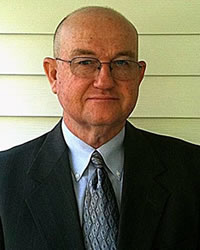
Gary Shepard

The Righteousness of Faith

Hebrews 11:1-6
Gary Shepard February, 21 2010 Audio
0 Comments
Gary Shepard
Gary Shepard February, 21 2010
Hebrews 11:1 Now faith is the substance of things hoped for, the evidence of things not seen. 2For by it the elders obtained a good report. 3Through faith we understand that the worlds were framed by the word of God, so that things which are seen were not made of things which do appear.
4By faith Abel offered unto God a more excellent sacrifice than Cain, by which he obtained witness that he was righteous, God testifying of his gifts: and by it he being dead yet speaketh. 5By faith Enoch was translated that he should not see death; and was not found, because God had translated him: for before his translation he had this testimony, that he pleased God. 6But without faith it is impossible to please him: for he that cometh to God must believe that he is, and that he is a rewarder of them that diligently seek him.

Sermon Transcript

Auto-generated transcript • May contain errors

100%
I thought this morning that I
must be one who is so thoroughly confused himself that about all
I can do is confuse somebody else. But sometimes it seems
like that if we know anything about ourselves and anything
about God, that when we think about us being righteous in any
sense, it just does not seem to fit at all. And I sometimes
believe that this is because of an ignorance that
we all have of the scriptures, and also an ignorance of what
it is to be righteous. If I have any understanding at
all about the matter, it would seem like that holiness or holy
has to do with how God is. It is His essence. And righteous, as it pertains
to God, has to do with how he does or what he does. And in our day, men have taken
righteousness or what it is to be righteous, and they have kind
of reduced it to a kind of morality. They've reduced it down to something
of the essence of an individual as far as what they are personally. But the first use of the word
righteous in the Bible is not used in speaking of God, but
of speaking of a man. And it's in Genesis 7 in that
first verse where the Lord not only looked upon a man, but said
to that very man, bore this testimony concerning this man who in himself
was a sinner. He said, thee and thee only have
I seen righteous in this generation. God says, I have seen you righteous
in this generation. He was talking about Noah. And then the next time or one
of the next times that we read and find that word that has to
do with righteousness in the Bible, it's not, again, not being
used in speaking of God, but it's speaking to some people
and what God says about them and what they're to do. Let me
read them to you in Leviticus chapter 19. He says, you shall do no unrighteousness. And I'll be honest with you,
if you have anything of an understanding of grace, anything of an understanding
of God and yourself and salvation, those two words used together,
they almost scare me. But listen again. He says to
them, ye shall do no unrighteousness in judgment, in metered, in weight,
or in measure. Just balances, just weights,
a just ephah, and a just hen shall ye have. I am the Lord
your God, which brought you out of the land of Egypt. In other
words, righteousness there, as he applies it, had to do with
how they did, whether or not they weighed out measurements
sold, bought, in a just manner. But as if that wasn't really
scary enough, when you come down to the book of Hebrews, turn
over to the book of Hebrews, And look with me in Hebrews 11
at some things that we read in Hebrews 11. The first being the second verse
where it speaks of the elders having obtained a good report. And I always think of myself,
especially as I stand before God, and I'd be like I was in
the early grades of school. I wouldn't get a good report
at all. But it says that these obtained
a good report, and that was the report from God himself. And then when you look down a
little bit further in verse 4, listen to what it says. It says,
By faith Abel offered unto God a more excellent sacrifice than
Christ, by which he obtained witness that he was righteous. God testifying of his gifts and
by it he being dead yet speaks. He had this testimony from God
and that was that he was righteous. I'll tell you, we go as quickly
as we can to make sure that we're not misunderstood or that men
don't misunderstand what God says. But every time I read that,
it says the same thing. God testified that He was righteous. Look down in verse 5. By faith
Enoch was translated that he should not see death and was
found because God had translated him for before his translation
he had this testimony. He pleased God. This man who had a family, who
was a son of Adam, who had children, so I know he had problems. He
had this testimony. God testified that this man pleased
him. That's amazing to me. He pleased
him. And then if you look in verse
6, it says, it continues in what this whole chapter is about.
He says, but without faith it is impossible to please Him. Without faith it is impossible
to please Him. And when you go in verse 7, it
tells us something about how Noah was able to please God also,
how that Noah, who I mentioned in the beginning, was seen righteous
in his generation. It says, by faith, Noah being
warned of God of things not seen as yet, moved with fear, prepared
an ark to the saving of his house, by the which he condemned the
world and became heir of the righteousness which is by faith." And then there's another rather
amazing statement. in this same 11th chapter, and
it is found in verse 33. Speaking of all these Old Testament
saints, all these Old Testament believers, and he says in verse
33, who through faith subdued kingdoms, what does that say? Wrought righteousness. Wrought righteousness. And in all of these that he speaks
of here, whose failures and faults and whatever are spoken of clearly
and noted all through those passages in the Old Testament, not one
of those things is mentioned. No, it says that they wrought
righteousness. That is so amazing to me. But if you notice here and in
each of these places, that righteousness is associated as it is here with
faith. When God acts in righteousness,
he acts in a way consistent to himself, but he has to give to
his people something that enables them to act in a way that is
inconsistent to themselves. The Bible says that He gives
to all of His people, because of what Christ has done for them,
He gives to each of them this gift of faith. Paul says, For
by grace are ye saved through faith, and that not of yourselves,
it is the gift of God. Sometimes we get a little afraid. I know I do. When you know how
things are misused, we get really afraid of using a term like saving
faith. But he says, for by grace are
you saved through faith. and that not of yourselves, it
is the gift of God. And this faith is nothing less
than God enabling us to believe on the Lord Jesus Christ and
Him crucified. A believing not on Him, as Jim
said, as some kind of mystical person, But a person who is distinguished
clearly in the Word of God for who he is, God manifests in the
flesh and who is distinguished also by virtue of what it says
that he did. And for this reason, Paul says
that this faith is faith in his blood. faith in Christ and Him
crucified, it is a believing on Him in that death which is
in itself the very righteousness of God. And I believe that's exactly
what John is saying in 1 John chapter 2. If you turn back in
1 John chapter 2, And look at what he says here as he says
things that men really run wild with. Because when we speak of doing
righteousness or working righteousness or being righteous, We cannot say such things imagining
or believing that God in the new birth does something for
us whereby we are now changed in our essence as sinful people. Paul said, oh wretched man, not
that I was. but that I am. Who shall deliver
me from the body of this death? How could a man who bears such
a confession and all these others that we read about in scripture
and especially I myself, how could it ever be said of me that
he did righteousness? Well, If you look here in 1 John
chapter 2, if we go on that basis as so many have, we run into
trouble when we read a verse like this in verse 29 where he
says, if you know that He is righteous, you know that everyone that doeth
righteousness is born of Him. He is righteous, and every one
that is born of Him, they doeth righteousness. Now I'll be honest
with you, it's bad enough when those two words are in the same
verse, it's worse when they're side by side. Isn't it? You know what I'm saying? Doeth
righteousness. And then, as if that wasn't bad
enough, if you look over in the next chapter, in verse 17, it
says, Little children, let no man deceive you. He that doeth
righteousness is righteous, even as he is righteous. Now, there's something here about
what God does. and about what his people do,
that's amazingly similar. Wouldn't you say? Every one of these little children
that John writes to here, believers, that are little children born
of God, he says, let no man deceive you. He that doeth righteousness
is righteous, even as God is righteous. Now some people, a lot of people,
run to certain portions of this same chapter and they say, when
we're born again, God does something in us, makes some kind of a new
person or a new nature in us and that never does anything
but right. I'm scared to death of that. I haven't seen it in me and worse
than that, I haven't seen it in you. Look down at verse 10. In this, the children of God
are manifest and the children of the devil. Now, if you start
on a morality track, you say this, a child of God will not
get drunk. Noah's gone. or a child of God will never
commit adultery. It's impossible. Well, David's
gone. And you can take any sin, any
immorality, and list it. God's already got you covered
somewhere in this book where one of his people probably did
it. But what in the world is he talking
about? He's talking about something that distinguishes the children
of God and the children of the devil, and this is what it is. He says, in this, the children
of God are manifest, and the children of the devil are also
manifest in something else. Whosoever doeth not righteousness
is not of God, neither he that loveth not his brother. Here's
the difference. The children of God do righteousness. The children of the devil do
not righteousness. And that rules out any comparison
on the ground of morality or personal purity or any of these
things, though which are common among most all commentators in
one form or another. But this is the difference. The
devil's people, they do not righteousness. And the Lord's elect, they will
be everyone brought to do righteousness. Now what is that? To do righteousness is to believe
on and to look in, look to, and to trust in only Christ. Only the Lord Jesus Christ and
Him crucified. Turn over to Romans chapter 3
quickly. Romans chapter 3 and look down
at Romans chapter 3 and verse 25. Paul writes and he says concerning
Christ, whom God has set forth to be a propitiation through
faith in his blood to declare his righteousness, not just in
essence, but his righteousness in the remission of sins that
are passed through the forbearance of God. What does the death of Christ,
the manifestation of Christ and Him crucified hanging there on
that cross do? It says, it declares that God
was right to forgive the sins of His people, to forgive the
sins of all those who believe in Jesus Christ and Him crucified. And he says this, to declare,
I say, at this time his righteousness, that he might be just and the
justifier of him which believeth in Jesus. God was right to forgive
all the sins of all the elect saints in the Old Testament through
the Christ that was to come, and He is right at this very
time to forgive the sins of all those who believe on Christ because
He's already come and died the death of the cross. You see, in one sense, doing
righteousness is simply doing what God has done in Christ. Could that be? Could that be
that doing righteousness in this sense is doing what God has done
in Christ and what we are enabled by God's grace looking to and
believing on Christ, what we're enabled to do looking to the
same one that God looks to? Well, turn over to Ephesians
chapter 1. Ephesians chapter 1. This, Ephesians
to me is, especially this first chapter is like a gold mine,
it just never quits giving up gold nuggets. But look here in
Ephesians chapter 1 and verse 12. He says that we, who's that? believers that we should be to
the praise of his glory who first trusted in Christ. Now who's he talking about there?
He's talking about God himself. God is the first one to trust
in His Son. As a matter of fact, He committed
into the hands of His Son all judgment. He committed into the
hands of His Son His total will and purpose of salvation. He entrusted in the hands of
His Son all the glory of the Godhead. He trusted. He's the one who
first trusted in Him. Let's look at the next verse. In whom ye also trusted. The Lord enables in this sense
every one of His people to do what He Himself has done and
that is to look to the Lord Jesus Christ for everything. The difference is he did what
he did according to his own natural will and based on his own true
essence as a holy and a just God, we do it by grace. And I'll tell you this, there
is nothing in which we act in any way any more contrary to
what we are by nature, Randy, than when we believe God. The natural man receives not
the things of God. The carnal mind is enmity against
God. But when he comes to us, with
the precious gospel of His Son and enables us to see and believe
on Him and to cast all hope on Him. That's a miracle of His grace.
We do righteously. In whom ye also trusted after
you heard the word of truth, the gospel of your salvation. Not the gospel of how to be saved.
I heard that all my days growing up. But the gospel of your salvation. You trusted in Him. God enabled
you to rest all your hope, all your salvation, all your soul,
everything about yourself in His Son. And when you do that, you do
like God's done. You trust the one that God has
trusted in. You do righteousness. It is a
looking to and a relying upon Him. Paul said, I'm not ashamed
of the gospel of the Lord Jesus Christ, Because he says, therein
is the righteousness of God revealed from faith to faith. I'll just let you make that application
like you want to, whose faith he's talking about. In one sense
to me, it seems like he's saying from the one who first trusted
his son to those that he brings to trust in his son, whether
they be Jew or Gentile. They find out what God already
knew concerning his son. And that is that God is right
He's righteous to save, to justify, to take to heaven, to call and
bring into His presence and bless with every spiritual blessing
every sinner that He does so through Jesus Christ and Him
crucified. And not only that, but we as
believers We're right. We're right to rest
in. We're right to expect from God
every covenant blessing. As a matter of fact, all blessings. Everything of God's grace. We're right to expect to be received
by Him in love and taken into His holy presence. in the same one. Jesus Christ
and Him crucified. Now turn over quickly to Romans
chapter 4. Who does God, not only in Romans
11, but in a lot of places, give as this great example of the
Lord's people? Father of all them that believe.
Well, he says, Abraham is. And there are whole lots of things
that could be said about Abraham and his exploits and all this
kind of stuff, but the one thing that you see again and again
is a three-word statement and testimony concerning him. And
that is that Abraham believed God. Abraham believed God. Well, look down here in Romans
chapter 4, beginning with verse 5, because Paul is speaking concerning
the things that God revealed to Abraham, what was brought
to bear in the life of Abraham concerning God and concerning
the faith that he gave him to look to the coming Christ. Verse
5, But to him that worketh not, you see that? But believes. You remember how
it says in Scripture, joined together, he says, Repentance
toward God and faith in the Lord Jesus Christ. They're like Siamese twins that
can't be separated. Repentance toward God and faith
in the Lord Jesus Christ. Well, what does that repentance
involve? Like when you listen to Paul
in Philippians chapter 3, what's Paul repenting of there? What
is this repentance toward God? It's a repentance from those
things that we thought commended us to God. It's a repentance
of our own works, which is never righteousness.
But if you notice, he follows that with this, and faith in
the Lord Jesus Christ. but to him that worketh not,
but believeth on him that justifieth the ungodly, his faith is counted
for righteousness." Somebody said, well, you've got to be
careful there. You've got to be careful with that faith being
counted for righteousness, not the faith of God's elect. Because in the gift of God's
grace, God enables every one of his elect sinners that Christ
loved and died for, he enables them to do as he himself has
done, to look outside of themselves to Christ. Alright, look a little farther
in verse 9. concerning Abraham, comes this
blessedness then upon the circumcision only or upon the uncircumcision
also. Abraham is the example that it
does not have anything to do with being uncircumcised or circumcised
or being of that people that was called circumcision or those
that were called uncircumcised. It's got to do with Christ. For we say, that faith was reckoned
or counted to Abraham for righteousness." What does that mean? That means
that Abraham didn't look to the fact that he was a Jew or a Gentile
because that distinction had not been made. He looked to the Lord Jesus Christ. He trusted His blood. That sacrifice
that He would come and make. I heard a grace preacher say
one time, he said, Abraham didn't really know anything about substitution.
I could see him immediately on Mount Moriah. When God told him to take his
son off that altar and lay that God-provided ram on there and
cut his throat and shed his blood. Don't tell me that Abraham saw
Christ's day. And he rejoiced. All right? Look down in verse 11. And he
received the sign of circumcision, a seal of the righteousness of
the faith which he had yet being uncircumcised. that he might
be the father of them that believe, though they be not circumcised,
that righteousness might be imputed unto them also. How? In Christ. And then look at verse 13. For
the promise that he should be the heir of the world was not
to Abraham or to his seed through the law, but through the righteousness
of faith. Not by their obedience to the
law. He was righteous before God,
before ever the law was given. But it's the righteousness which
is the righteousness of faith because If you notice what Paul
says in Romans 10, he says this, he says, for with the heart man
believeth unto righteousness. Sometimes I hear or read what
preachers have preached and written about the new heart. And man,
when they get through with what they're saying about a new heart,
it's about that far from sinless perfection. Not quite, but Almost. But it says to me in that verse
that the new heart is simply the heart of faith. For with
the heart man believeth unto righteousness. Turn one more time to Acts chapter
10. Acts chapter 10. I want you to
just see something. Acts chapter 10. In verse 34,
when Peter stands up to say what God has commanded him to say
to Cornelius and his household, he says in verse 34, Then Peter
opened his mouth and said, Of a truth I perceive that God is
no respecter of persons. That simply means that God does
not look on the outward, on the appearance. It has to do with
the visage of an individual. God does not look at a person,
accept them based on who they are, what they did, or any other
thing like that. But in every nation, he that
feareth him and worketh righteousness is accepted with him." Now that verse can get a little scary
also. If righteousness, if this working
righteousness has anything to do with what we are morally,
what we abstain from, what we do, all our works, we're in trouble. But if it is
what all these scriptures teach, simply a looking to, a believing
on, a trusting in and relying wholeheartedly on the one that
God himself looks to. then we'll be accepted. We are
accepted in the beloved. When Paul is talking in Romans
14 about various things that men do as believers, he brings
in this one principle that has an application in so many ways.
He says this, for whatsoever is not of faith, is what? Sin. Somebody says, well that
means if you're not doing it by faith, you know, it's sin
to you. It's a little bit more than that.
It's simply this. Whatever you and I have received,
whatever we have any confidence or trust in, that we did not
receive in Christ, It's sin. Absolutely can't be anything
but sin. I love what it says in Isaiah
3. The Lord says this, He said,
Say ye to the righteous that it shall be well with him. For they shall eat the fruit
of their doings. That gets a little spooky, doesn't
it? Not if we believe God. That to believe on Christ is
to work righteousness, to do righteousness. It is to be in
the matter of our sin and our salvation as God has done Trust
in only his. And that'll either help you or
confuse you. And I just hope it'll help you.
Gary Shepard
About Gary Shepard
Gary Shepard is teacher and pastor of Sovereign Grace Baptist Church in Jacksonville, North Carolina.

Comments

0 / 2000 characters
Comments are moderated before appearing.

Be the first to comment!

Joshua

Joshua

Shall we play a game? Ask me about articles, sermons, or theology from our library. I can also help you navigate the site.