Joshua 20:1 The LORD also spake unto Joshua, saying, 2 Speak to the children of Israel, saying, Appoint out for you cities of refuge, whereof I spake unto you by the hand of Moses: 3 That the slayer that killeth any person unawares and unwittingly may flee thither: and they shall be your refuge from the avenger of blood. 4 And when he that doth flee unto one of those cities shall stand at the entering of the gate of the city, and shall declare his cause in the ears of the elders of that city, they shall take him into the city unto them, and give him a place, that he may dwell among them. 5 And if the avenger of blood pursue after him, then they shall not deliver the slayer up into his hand; because he smote his neighbour unwittingly, and hated him not beforetime. 6 And he shall dwell in that city, until he stand before the congregation for judgment, and until the death of the high priest that shall be in those days: then shall the slayer return, and come unto his own city, and unto his own house, unto the city from whence he fled.
7 And they appointed Kedesh in Galilee in mount Naphtali, and Shechem in mount Ephraim, and Kirjatharba, which is Hebron, in the mountain of Judah.
Sermon Transcript
Auto-generated transcript • May contain errors
100%
We're going to be looking at
a couple of passages of Scripture this morning. If you would, turn
to Joshua 20, but also turn to Exodus chapter 21. We're going
to be moving back and forth between these two passages of Scripture
and this message this morning that I've entitled, A Refuge
for Sinners. In 1937, the state of Georgia
set aside 438,000 acres in southeast Georgia as a wildlife refuge. This refuge, known as the Land
of the Trembling Earth, so named by the Native Americans, we know
it as the Okefenokee State Park, is part of a 700 square miles
of area in southeast Georgia and northeast Florida dedicated
to the preservation of the wetlands and the animals and the plant
life native to this area here. And so vast is this area of land,
and it's mostly water, that some of the visitors have become victims
of this wonk, losing their way, and some were never heard of
before. Of course, this prompted the
Parks Department of Interior to develop an exit strategy and
place signs So those visiting that park would have a way of
escaping. And as I said, maintained by
the Department of Interior, this refuge is part of the park system
of America to protect the national wildlife of America. Well, as important as this wildlife
refuge is and other wildlife refuges across America, there's
a refuge of far greater importance to you and me. and to every person
that lived. That is a refuge that harbors
the sinner from eternal death. The Hebrew nation knew these
reserves as cities of refuge. Michael read about six cities
that we're going to look at this morning that were designated
by God to be cities of refuge. And as the visitor to the Okefenokee
Swamp relies on those signs to direct him through that swamp
and to get into that swamp, to visit it in the first place.
So these cities of refuge were very important to the children
of Israel. And every citizen of Israel knew
where that city of refuge was. They knew how to get there. And
they put this as a high priority because of the seriousness of
the problem of one that might have to flee to that refuge.
The way to one of these cities was easily accessible, and they
had road signs. Everywhere the road turned, it
said, Refuge this way, Refuge this way. And everybody knew
how to get there. And it kept those who were fleeing
from the Avenger of Blood on the right path until they reached
that city of refuge. Well, the Hebrew word for refuge
is miklot, which means to take in. The Hebrew word for city
is oyar, which means a place of waking, or a guarded place,
a place watched. So like the wildlife refuges
in America take in and guard their species, this city of refuge,
these cities of refuge, was a special, guarded, secure place for those
taken in to that particular city. So I want us to think for a few
moments this morning on the refuge for sinners. And I want us to
look at three things. First of all, this refuge, it's
a single refuge that we'll look at in a little bit. But this
refuge for sinners is appointed by God the Father. Secondly,
it's appropriated by God the Son. And thirdly, it's apprehended
through God the Holy Spirit. So let's look at these three
things, first of all. The refuge for sinners is appointed by God
the Father, first of all. Look at verse 1 of chapter 20
that Michael read. The Lord also spake unto Joshua,
saying, Speak to the children of Israel, saying, Appoint out
for you cities of refuge, whereof I spake unto you by the hand
of Moses. And then look at verse 7. And
they appointed Kiddush and Galilee. And then he begins to name these
cities. And I want us to look at them in detail in just a moment. A refuge for sinners was always
and ever in the mind of our God. The sin of Adam did not catch
God by surprise. He did not have to devise an
alternate plan to handle the sin of Adam as one who had been
caught off guard. As the all-wise, omnipotent,
and sovereign God and Creator, he was well aware of and even
permissive of the action of Adam when he deliberately disobeyed
the command of God. Think about this. Had Adam not
acted as he did, there would be no need for a city of refuge,
which God had in eternity past set Christ up to be. Christ has
always been our refuge. As the all-wise God, he knew
the course Adam would take, and as the omnipotent God, he could
have altered that course. But God's purpose was to glorify
himself in the full, eternal salvation of his people, and
that required not only a fall but a refuge. For only in the
salvation of a sinner is God's redemptive glory in every attribute
revealed and manifested to the sinner. This is accomplished
by God without diminishing his sovereignty or man's responsibility. Adam was fully responsible for
his actions, and God was just. to exact judgment upon him. But
there are some for whom God will not pour out his wrath upon or
his judgment. They are the objects of his love
and his mercy and grace and will not taste the sting of his judgment
because he provided a safe haven, a refuge, if you will, for them,
a refuge that they might be taken in and guarded against, the avenger
of blood. And we will see that this avenger
of blood is none other than God himself. because our sin is against
God and him alone. But he has appointed a refuge
for his sheep, his people. Listen to what Moses said in
Deuteronomy chapter 37, under the spirits leading, he said
this, The eternal God is thy refuge, and underneath are the
everlasting arms. And he shall thrust out the enemy
before thee, and shall say, Destroy him. Well, since the whole of
the Old Testament scriptures testify of Christ's person and
work, the cities that we're going to look at here are types of
Christ himself, and they picture his redemptive work to secure
the salvation and final glory of all for whom he has always
been a refuge. As the cities of refuge are pointed
in Palestine, so is Christ to those chosen in him from the
foundation of the world. The psalmist writing before the
cross said this in of Christ in Psalm 46, 1, God is our refuge
and strength. Not at some later date, but right
now. He's speaking in the present.
He says, God is my refuge and my strength. A very present help
in trouble. The psalmist spoke these words
from within this refuge. He was in the refuge of God when
he said that. So in Joshua chapter 20 here
where we read, the Lord spoke unto Joshua. and commanded him
to appoint cities of refuge for the nation Israel. And although
the leaders of Israel were to choose these cities, we know
that it was God who determined what city would be a city of refuge. God always determines
every decision that's made. An example of this is found in
Acts chapter 1. You remember the story of the
death of Judas? and how Peter and the congregation
selected another one to take Judas' place, and they chose
Matthias to take Judas' place. They cast the lot from Matthias,
but God determined the outcome. In Proverbs 16, it says this,
The lot is cast into the lap, but the whole disposing thereof
is of the Lord. They cast a lot for Matthias,
but God had other plans. He had Paul the Apostle in line
for the twelfth, to be that twelfth apostle, and we'll see more of
this later. Like Joseph, you remember the story of Joseph,
how his brother sold him into slavery, and he rose to great
power in the house of Potiphar, and he said to his brother, you
meant it for evil, but God meant it for good. So God appointed
the cities of refuge, and he appointed for us the city of
refuge, which is Christ the Lord. He said, I will appoint thee
a place where thou shalt be free. As I stated previously, God is
the first cause in all things, and in the need and the supply
of a refuge, there is no exception. Here in these verses that we
are looking at, he reveals this truth to show us that the need
is in his providence. and the supply is in his power,
and that our eternal refuge is Christ the Lord. I will appoint
thee a place whither thou shalt flee." Well, God appointed these
cities of refuge for the nation Israel, and these types prefigure
the anti-type, who is Christ, whom God has appointed to be
the manslayer's refuge from the avenger of blood. And as Bill
mentioned this morning, we wouldn't come to this refuge on our own.
Those of you who have been justified based on the righteousness of
Christ and see how God is both a just God and a Savior know
that we would never have chosen Him, let alone flee unto this
refuge had He not come and made us willing in the day of His
power to flee to that one He provided and is able to secure
us in Him from God, the Avenger. of sinners is not of our choosing. It's of God's appointment. Secondly,
the refuge for sinners is appropriated by God the Son. We don't appropriate
by anything we do. It's all of grace. It's all done
by the Lord Jesus Christ. Well, where and who is this refuge? Let's look at this. In Joshua
chapter 20 that Michael read, God names six cities, and they're
significant. They were centrally located and
easily acceptable. And any manslayer had access
to these cities and was in fact commanded by God to flee there
for his life. So let's look at these. Each
of them revealed in type some aspect of the person and work
of Christ, our refuge. The first city named is Kadish.
Look at verse 7 of chapter 20. And they appointed Kadish and
Galilee and Mount Naphtali. That word Kadish in the Hebrew
means holy place. The refuge of God is characterized,
first of all, by holiness. Before God is anything, He's
holy. He's a God of love, but it's
a holy love. He's a God of justice, but it's
a holy justice. So before anything, God is holy.
Hebrews chapter 7 says this, For such a high priest became
us who is holy, harmless, undefiled, separate from sinners. God's
refuge is established in righteousness and holiness. He must remain
holy and righteous when he harbors sinners in this refuge, for he
is holy. As such, it is the only holy
place in heaven or on earth where sinners can find refuge. And
though God appointed six cities in Israel as cities of refuge,
there is only one refuge for spiritual Israel. Where is that?
It's that place where mercy and truth have met together. It's
that place where righteousness and peace have kissed each other,
Psalm 85. It is that place where we might
have strong consolation who have fled for refuge to lay hold of
the hope set before us, Paul wrote in Hebrews 6. In other
words, it's Christ alone. The second city named is Shechem,
verse 7. Shechem in Mount Ephraim. The
Hebrew word for Shechem means back or shoulder. The back and
shoulder is where the burden is born. You know, you bear the
burden, you put it on your back or your shoulder. Well, what
does the Scripture say about Christ? Bearing our burden, the
government shall be upon his shoulder. All of our salvation. is upon the shoulder of the Lord
Jesus Christ. The trouble with the murderer
is that he has rejected this burden bearer and opted to bear
his own burden. And we'll see more of this later.
But God appointed in eternity and appropriated in time this
sin bearer for his people. Look at verse 7 again. The third
city named is Kerjah, and in the Hebrew means City of Arba. That word Arba means four. And
we know that the number four in scriptures signifies unity
and fellowship. God the Father, God the Son,
God the Holy Spirit, and ungodly sinners are united in and by
the work of this God-man who established our city of refuge.
John the Apostle wrote of this in 1 John 1, 3 when he said this,
that which we have seen and heard declare we unto you that you
also may have fellowship with us And truly, our fellowship
is with the Father and with His Son, Jesus Christ. So the third
city named is Jaffa Arbor. The fourth city named in verse
8 is Bezer, and in the Hebrew means remote fortress. A mighty
fortress is our God, a bulwark never failing. Christ so secured
our salvation, Paul wrote in Romans 8, that nothing can separate
us from the love of God which is in Christ Jesus. like the
protected species in the wildlife refuges, in Christ, God's elect,
are safe and secure. The fifth city named is Ramoth
in verse 8, and in the Hebrew means height. Ramoth means height. This signifies Christ's position
of authority at the right hand of the throne of the majesty
on high and the position of all who are in Christ. Because Paul
said this in Ephesians 2, verse 6, God has raised us up and made
us sit together with Christ in heavenly places. As he is, so
are we in this world. And the last city named is Dolan
in verse 5, and in the Hebrew means there rejoicing. Jesus
said, These things have I spoken unto you that my joy might remain
in you. and that your joy might be full."
The prophet Jeremiah said it this way, "'Thy words were found,
and I did eat them, and the word was unto me the joy and rejoicing
of my heart. For I am called by thy name,
O Lord of hosts.'" So we see that even the names of the cities
of refuge pictured in shadow and type, the person and the
work of Christ, God's appointed refuge. Christ is our Kiddush. He is our holy place. The scripture
says, but of him are you in Christ Jesus, who of God is made unto
us wisdom, righteousness, holiness, and redemption. He is our shechem. He is our shoulder, our sin-bearer.
God has laid on him the iniquity of us all. He is our curgeth
arbor. In other words, he is our uniter.
He is our peace. Not only has God made peace,
with God and man by the blood of his cross when he satisfied
law and justice in his death at Calvary. But he came and preached
peace to all of us who were far off. He reconciled us to himself. Not only did he make peace between
God and man, he makes peace between man and God. And then he is our
bizarre. He is our mighty fortress. And
Jesus himself said, can pluck them out of my hand. And last
of all, next to last, Christ is our Ramoth. He is our height.
He is our exaltation. He has blessed us with all spiritual
blessings in heavenly places in Christ Jesus. We with the
angels declare glory to God in the highest. And last of all,
He is our Golan. He is our rejoicing. The scripture
says we rejoice in Christ Jesus and have no confidence. in the
flesh. To such a refuge the manslayer
flees." And what a refuge we have. Okay, turn with me if you
would to Exodus chapter 21. I want to ask the question, what
distinguishes Christ from all other refuges? You know, out
there it speaks of a refuge of lies. There are really only two
refuges. They are the God's refuge and
all the others fit into that category of a refuge of lies.
But what distinguishes Christ, our refuge, from all other refuges? Look at chapter 21 and verse
13. Look at verse 12. He that smiteth a man, so that
he die, he shall be surely put to death. And if a man lie not
in wait, but God deliver him into his hand, then I will point
thee a place where thou shalt flee. First of all, the first
thing that separates our refuge Christ from all others is the
fact that he was delivered of God. Look at verse 13. But God delivered him into his
hand. God delivered this man into this
manslayer's hand, and this manslayer killed him. That's what he's
saying here. Look at it again. If a man lie
not in wait, in other words, we'll see this in a little bit,
he doesn't do it with malice or forethought, but he does it
accidentally and in ignorance. But he said God delivered him
into his hand and he puts him to death. He is delivered by
God into the hands of wicked men. He is that one whom we gather
together against, for to do whatsoever God's hand and God's counsel
determined before to be done. He is that one whom God spared
not, but delivered him up for us all. Romans 8, 32. He is that
one for whom God so loved the world, he gave his only begotten
Son. God has provided himself a refuge. That refuge is none other than
Jesus Christ. our Lord. God delivered Him into
our hands, and we killed Him. We are all guilty of the blood.
We will see that a little bit later on. Second, not only was
He delivered of God, but He delivered for God. Turn back to Joshua chapter 20,
and hold your place because we are coming back to here in a
minute. Not only was he delivered of
God, but he delivered for God. God is a just God and a Savior.
He cannot dispense his mercy at the expense of his justice. He must remain just when he justifies
the ungodly. God's refuge is a refuge of righteousness
established by the doing and the dying of an innocent man,
one who knew no sin, one who was not worthy of death, that
one who made it certain that a holy God could remain just
when he justifies the ungodly. So how did he do this? How did
he accomplish this? Well, look at verse 6 of Joshua
chapter 20. This manslayer shall dwell in
that city until he stand before the congregation for judgment,
and until the death of the high priest there shall be in those
days. After the death of that high priest, then shall he return
and come to his own city and to his own house, unto the city
from which he fled. Until the death of the high priest
there shall be in that day is the key. That high priest is
Christ. In his offices as prophet, priest,
and king, Christ delivered for God's glory his sinless upon
the altar of his deity to satisfy law and justice against the manslayer,
even those who slew him. The Lord Moses said this, Slay
him that sheddeth innocent blood. The righteousness this high priest
established in his death says, Let all live who are clothed
in the righteousness he established. It demands the life of all for
whom it was established. anointed by God with the holy
oil, typifies Christ, anointed by God himself, to die for his
people. The Scripture says he was delivered
for our offenses and raised again for our justification. In other
words, this Christ, this refuge, delivered what God required,
satisfaction and righteousness. Not only is he delivered of God
and delivered for God, he is delivered to God. Then shall
the slayer return. Chapter 20, verse 6, the last part of that verse 6. Then
shall the slayer return. How can he return? Because Christ
has satisfied every demand of the law of God against the manslayer.
He shall return to his own city and to his own home. And underlying
the word shall, there's no possibility that any manslayer for whom Christ
died and is his shelter can finally perish. No possibility. Why? Because this refuge was appointed
by God the Father. It was appropriated by God the
Son. And thirdly, this refuge for
sinners is apprehended through the Spirit of God. In other words,
He applies it to us. He reveals to our mind what God
purposed for us, what Christ has done for us, and makes it
effectual unto our own salvation. What Christ accomplished for
the sinner is revealed by the Spirit to the sinner in time. This is the work of the Holy
Spirit in the gospel. Where was Adam when he fell?
He was in Christ. He had fellowship with God in
the Garden of Eden. In Adam, we all fell. When God
cast him out, he cast us out. When Adam sinned, God shed innocent
blood to cover his sins. And every elect son of God, the
manslayer, guilty of the blood of Christ, and cast out of God's
presence in the fall, who have fled to God's refuge, shall return
to his place in the household and family of God, based on satisfaction
to law and justice rendered by the death of his high priest,
the Lord Jesus Christ. Think about this. Had Adam not
fled, to God's refuge, he would have perished. But we know that
he did because he lived to preach the gospel to his sons who heard
the gospel also. Don't we have a merciful Savior? The Spirit of God revealed in
time what God purposed before time and Christ accomplished
in time to the mind of every son of God and causes him to
flee to this refuge and rest there for all his salvation. So how can I know if Christ is
my refuge, is the question for us, or is mine that refuge of
life? How can I tell if I am the murderer
or the manslayer? I'm either one or the other.
All of us are one or the other. We're either a murderer or a
manslayer. Well, look at verse 4 of Exodus chapter 20 of Joshua. Excuse me. Verse 4 of chapter 20 of Joshua
says, And when he that doth flee unto one of those cities shall
stand at the entering of the gate, and shall declare his cause
in the ears of the elders of that city, They shall take him
into that city unto themselves, and give him a place that he
might dwell among them." At the gate of the city, it's speaking
about the judgment. It's a picture and a type of
the judgment of God. It's the judgment seat where
God's standard of judgment is rendered and made known. And
it's before this council, the elders of the city, that the
manslayer makes his case and makes his defense. And he's found
guilty. not a premeditated murder, but
manslaughter. Because verse 3 says he smote
his neighbor unwittingly. Look at verse 3. And that slayer
that killeth any man unawares and unwittingly. He confesses
his guilt and the shedding of innocent blood and his worthiness
of eternal death. And like Paul the Apostle said,
we did too. We did it in ignorance and unbelief,
but we're still guilty of it. He is that sinner. who is looking
only to the death of that high priest and his righteousness
to satisfy the laws of man against him. Only by the death of this great
high priest, who is Jesus Christ, is satisfaction made and righteousness
established and imputed for the manslayer's redemption. He looks
to Christ as one freed from guilt from the defilement and the condemning
power of sin, though worthy of death in himself. He looked from
within the refuge as one free to return to the city of God. Paul said it best this way in
2 Corinthians 5, for we know that when our earthly house of
this tabernacle is dissolved, We have a building of God and
a house not made with hands, eternal in heaven. This is the
destiny of every manslayer, eternal bliss in heaven with God. Now
go back to Exodus chapter 21. The murderer paints a different
picture than the manslayer. The murderer is one who smites
a man so that he dies. And as I mentioned before, God
said in Genesis chapter 9, Whoso shedeth man's blood by man, shall
his blood be shed. For in the image of God made
he man. The murderer is one who comes
presumptuously upon his neighbor. Look at verse 14. But if a man
come presumptuously upon his neighbor to slay him with guile,
thou shalt take him from thine altar, that he might die. In other words, even if he runs
to the horns of the altar in the tabernacle, God says, take
him off that altar and kill him. He shall not live because he's
a murderer. He comes presumptuous upon his
neighbor. He plots, he plans, he pursues
his victim with malice and a forethought. So which are you? Which am I? Am I a murderer or a manslayer?
Here you have two men, equally guilty, equally deserving of
death, equally sinners. One of them is justified. The
other one is condemned. How can you tell the difference? Well, we know that God determines
our standing as either a murderer or a manslayer. But you might
argue, I never murdered anyone. Have you ever killed anybody? I never murdered anyone. If this
is your claim, then you don't need God's refuge. If you say,
I never murdered anyone, you don't need God's refuge. But
God's testimony is this. All have sinned. All are murderers. All are guilty of innocent blood.
It is the blood of that one delivered by God into our hands. He is
that one who, being delivered by the determinate counsel and
full knowledge of God, we took. and by wicked hands have crucified
and slain him. He is that one who is despised
and rejected of men, a man of sorrows and acquainted with grief,
and we hid, as it were, our face from him. He was despised, and
we esteemed him not. The manslayer is that one whom
God delivered into his hands, in which the manslayer owns his
guilt in the person's death and in his worthiness of eternal
life, but the murderer is left in his refuge of life. to perish. Why? He came presumptuously. What does that mean? The Hebrew
word presumptuously means to deal arrogantly in today's vernacular
with malice and a forethought. He opposes God's revealed will
by way of command. God's commandment to every sinner
is this, that to believe that all my salvation is conditioned
upon Christ and upon him alone. But the murderer rejects the
only refuge of God. They are ignorant of a just God
and a Savior and a perfect righteousness established and imputed. The
soul murderer always argues, I'm not a murderer. I was doing
God bidding. Didn't we prophesy in thy name
is what the preachers in Matthew 7, Lord, weren't we doing this
for your glory? All the time they were murdering
the eternal Son of God. and said they were doing it for
God's good. This is the argument of all soul
murders. If this is your claim, I never murdered anyone, then
you give evidence that you are a murderer and not a manslayer.
Only those who are guilty of innocent blood, the blood of
the only innocent man who ever lived, need such a refuge. And
that includes everyone who ever thought. And that includes all
of us, because here's what we all thought by nature, that somehow,
some way, something was required of me to ensure my salvation. I didn't know that it was all
conditioned on Christ, based on His righteousness imputed,
that all my salvation was worked out. And to deny that is to do
what the Scriptures call in Hebrews chapter 9, trample underfoot
the Son of God and count the blood of the covenant wherewith
He was sanctified. and unholy thing, and despise
the Spirit of grace. Only those convinced of sin flee
to this refuge. Jesus said this, I came not to
call the righteous, I came not to call the murderer, but the
sinner, the manslayer, to repentance. The sole murderer is exposed
to the gospel of salvation in and by the Lord Jesus Christ
based on his satisfaction to the law and justice and righteousness
imputed. He refuses God's salvation by
grace and opts for salvation based on some work that he performs.
And he sets about to destroy not only the proclaimer of the
true gospel, but the gospel itself. His message denies the justice
and faithfulness of God in salvation. He rejects the blood of Christ
and despises the Holy Spirit's revelation of a finished work
at Calvary. Failure to repent. reveals him
as a murderer. A murderer finds no safety in
God's refuge. A manslayer finds safety in no
other. The bottom line is this. A murderer
thinks he is worthy of a place in the refuge of God because
of some act he's performed or something God's done in him.
He judges himself to be above his real standing with God, and
he judges God below the infinite perfections of his character.
A manslayer knows he doesn't deserve this refuge. The murderer
thinks he does. Is Christ your refuge? Does he
harbor you from the avenger of blood? The signs to that refuge
are abundant. The way has been cleared of all
obstacles that would keep a sinner from entering in. All God's elect
are safe in this refuge because God the Father appointed it,
God the Son appropriated it, and God the Holy Spirit applies
it to the minds and the hearts and the affections and the will
of His people. As one looking from within, I
encourage you to consider God's refuge. It is the only safe haven
in this world and in the world to come.
About Winston Pannell
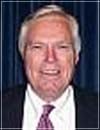
Winston Pannell was born in 1937 in rural Alabama. At the age of fifteen he became interested in religion and was baptized in the Armenian faith, as was Patricia, his wife to be and subsequently their three daughters. In 1985 the Lord confronted him with the true gospel and brought him to faith in God and true repentance from dead works and idolatry. It has been his passion to learn more of a Just God and Savior and his propitiatory work on behalf of his people given him by the Father in the Everlasting Covenant of Grace. The pulpit of Eager Avenue Grace Church in Albany Georgia has afforded him the opportunity to deliver this gospel of God’s free and sovereign grace in Christ, based on his righteousness imputed and received by faith as the whole of the sinner’s salvation. His desire is to deliver this gospel to the hearing of as many as the Lord shall save.
Pristine Grace functions as a digital library of preaching and teaching from many different men and ministries. I maintain a broad collection for research, study, and listening, and the presence of any preacher or message here should not be taken as a blanket endorsement of every doctrinal position expressed.
I publish my own convictions openly and without hesitation throughout this site and in my own preaching and writing. This archive is not a denominational clearinghouse. My aim in maintaining it is to preserve historic and contemporary preaching, encourage careful study, and above all direct readers and listeners to the person and work of Christ.
Brandan Kraft
Pristine Grace Research Assistant
Pristine Grace Research Assistant
Ask me about articles, sermons, or theology from our library. I can also help you navigate the site.
Bible Verse Lookup
Loading today's devotional...
Unable to load devotional.
Select a devotional to begin reading.
Bible Reading Plans
Choose from multiple reading plans, track your daily progress, and receive reminders to stay on track — all with a free account.
Multiple plan options Daily progress tracking Email reminders
Comments
Your comment has been submitted and is awaiting moderation. Once approved, it will appear on this page.
Be the first to comment!