Bootstrap
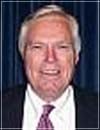
Winston Pannell

These are Written

John 20:31
Winston Pannell March, 30 2008 Audio
0 Comments
John 20:28 My Lord and my God. 29Jesus saith unto him, Thomas, because thou hast seen me, thou hast believed: blessed are they that have not seen, and yet have believed. 30And many other signs truly did Jesus in the presence of his disciples, which are not written in this book: 31But these are written, that ye might believe that Jesus is the Christ, the Son of God; and that believing ye might have life through his name.

Sermon Transcript

Auto-generated transcript • May contain errors

100%
Thank you, Mark, and let me add
my welcome to Mark. It's good to see you here this
morning. I trust you're here to worship the Lord as we all
are, and we pray his blessings upon us as we meet in his name. I want you to turn back in your
Bibles to John chapter 20, the passage that Michael read for
us in verse 23, but I'm going to begin, I'm going to introduce
this lesson with the great commission that we've known to become the
great commission of Christ. It's recorded for us in Matthew
chapter 28. Let me just read you a verse
or two of the great commission. And keep this in mind as I read
it. Remember, this is Christ's last
words to his disciples before he ascended to the right hand
of the throne of the majesty in heaven. We should take seriously
what he said, considering how important these words are. In
Matthew chapter 28, the writer says, Then the eleven disciples
went away into Galilee, into a mountain where Jesus had appointed
them. And when they saw him, they worshipped him. But some
doubted. Michael read about Thomas, the
doubter. Well, he's not the only one that doubted. We all doubt
from time to time. And Jesus came and spoke unto
them, saying, All power is given unto me in heaven and in earth.
Go ye therefore, and teach all nations, baptizing them in the
name of the Father, and of the Son, and of the Holy Ghost, teaching
them to observe all things whatsoever I have commanded you. And lo,
I am with you always, even to the end of the world. Amen. So
the question raised in this scripture and answer to this, what are
sinners to be taught? What does the messenger need
to teach the hearer? Well, Jesus said, teach them
to observe all things whatsoever I have commanded you. Sinners
are to be taught to observe. And the Greek word for observe
means to attend continually through study, through worship, through
meditation, through preaching, through proclamation. We are
to observe the commandments of Christ. And this commandment
that he gives us in this scripture here in Matthew 28 is followed
with a promise in John chapter 20 and verse 23. Let's look back
at that scripture Michael read. He makes this promise that whosoever
sins you remit, they are remitted unto them. And whosoever sins
you retain, they are retained. Well, a lot has been said about
this scripture. The Catholic Church believes
that the Pope can remit sins. But contrary to what false religion
teaches regarding the remitting of sin, not even the apostles
had this ability, this capability. And yet Jesus said, whosoever
sins you remit, they are remitted. The Greek word remit means to
remove the guilt and penalty of sin. That's what remit means. It means to pardon by way of
satisfaction. That's what the Greek word meant.
Only God can forgive and relieve the sinner of his sin. The apostles
and all true preachers remit sin by teaching sinners to observe
what Christ himself said about the remission of sins. And listen
to a couple of scriptures. There are many in the scriptures
that talk about the remission of sin, but I've chosen two this
morning. In Matthew chapter 26, Jesus said, For this is my blood
of the New Testament, which is shed for many for the remission
of sins. It's the blood of Christ. And
in Hebrews chapter 10, The writer says, now where remission of
these sins is, there is no more offering for sin. In other words,
the one sin of Christ put away, remitted the sins of his elect. Without the death of a suitable
substitute, one that satisfies law and justice, there can be no remission of
sin. And Christ alone rendered that sacrifice on Calvary. Those
whose sins are remitted are they who have believed our report."
Isaiah said, Lord who have believed our report. God's elect will
believe God's report. They either have or will at some
time in their life. Those who hear, understand, believe,
and follow what Christ says of himself and the Father concerning
the eternal salvation of his elect. Those whose sins are remitted
are they whom the Father has chosen in Christ. before the
foundation of the world, according to Ephesians chapter 1, predestinated
to the adoption of children, Ephesians 1 verse 5, and in whom
we have redemption. Right now, God's elect have redemption
through his blood, the forgiveness of sins, according to the riches
of his grace. In John chapter 20 in the scripture
that Michael read, Jesus emphasizes the importance of these truths
he's taught. And he taught by revelation,
he taught by proclamation, and he taught by demonstration, these
truths. And I've taken the title of my
message from verse 31 of John chapter 20. Look at that last
verse. But these are written that you might believe that Jesus
is the Christ, the Son of God, and that believing you might
have life through his name. This is the title of my message
this morning. These are written. Jesus healed
the sick. He raised the dead. He walked
on water. He restored sight to the blind.
And He overcame the grave and death. He even appeared in His
resurrected body to His disciples. And these signs are written for
a reason. And He tells us in the scripture.
And I want us to look at three reasons why these things are
written. are three goals, three things that are true of these
things that are written. Number one, these things are
written that we might live in Him. Secondly, that we might
learn of Him. And thirdly, these things are
written that we might look to Him. So let's develop these thoughts
for just a few moments this morning. First of all, John wrote, these
things are written that we might live in him. The thief cometh
not, but for to steal, and to kill, and to destroy. Jesus said,
I am come that you might have life, and that you might have
it more abundantly. In John chapter 6, when many
of Christ's disciples went back and followed him no more, Jesus
said unto the twelve, will you also go away? And Simon Peter
answered him, Lord, to whom shall we go? Thou hast the words of
eternal life, and we believe and are sure that thou art that
Christ, or the Christ, the Son of God, the Son of the living
God. So the question becomes, how
important is this word to God's people? How important is the
Bible to God's people? How important are the words of
eternal life? Peter said, Lord, where are we
going to turn? You have the words of eternal
life. There's nowhere else to look. How important is this word
of eternal life to the sinner saved by grace? Well, we whom
God has saved by his grace know from God's testimony without
the word of God there is no salvation. The first chapter of Romans says
that that this word is the power of God unto salvation. For therein,
in this word, in this gospel, is the righteousness of God revealed
from faith to faith. And in Romans chapter 10, he
further emphasizes this truth by saying, For whosoever shall
call upon the name of the Lord shall be healed, shall be saved.
And then he asks, How then shall they call on him in whom they
have not heard? How shall they believe on him How shall they call on him in
whom they have not believed? And how shall they believe on
him of whom they have not heard? And how shall they hear without
a preacher? And how shall they preach except
they be sent? So the Word is vital to salvation. There is no salvation apart from
the Word of God. The God who has determined the
end has determined the means to meet that end. The final glory
of God's elect is vitally connected to the word of God. These are
written, the scripture says here, that you might live. Life is
in the living word, which is Christ himself. And it's only
in this written word as it reveals him to be that Christ who finished
the work to accomplish the legs final glory in heaven. This sign recorded in John 20
is one of many written that we might be able to turn over to
John chapter 21 and look at verse 24 and 25. John chapter 21 in verse 24 says this is John
the Apostle talking here. This is the disciple which testified
of these things and wrote these things and we know that his testimony
is true. And there are also many other
things which Jesus did If they should be written in every one,
I suppose that even the world itself cannot contain the books
that should be written in them. How important is the word? How
does this sign of Christ's resurrected body quicken the dead? He said,
I have written these things that you might live. What about his
nail-pierced hands and sides gives life? This is how he appeared. to the eleven disciples in the
upper room there. The appearance of Christ in his
resurrected body is the result of his accomplishments in life
and in death. Remember the Greek word signs
is the word distinguishing marks. And Christ had some distinguishing
marks that no other human being has ever had or ever will. The
distinguishing marks of this person are marks peculiar to
the eternal Son of God. They are marks peculiar to a
crucifixion, with the exception of the breaking of legs, and
we'll discuss this a little bit more later on. Christ's legs
were not broken, because when the soldier got that, he was
already dead, which is a fulfillment of Scripture, and we'll see that
a little bit later on. They are marks associated with
a satisfactory performance by the one bearing the mark. They
are the marks of him who alone accomplished the eternal life
of every sinner he represented. They are the distinguishing marks
of the resurrected Son of God. No other has produced this sign.
This sign is written that you might have life. Well, how is
this so? This sign of the resurrected body of Christ appearing to his
disciples is the sign of life. How is this so? First of all,
this sign reveals the need for life. Because the wages of sin is death,
Romans 6.23. And since all have sinned and
come short of the glory of God, Romans 3.23. And since there
is none righteous, no, not one, Romans 3.10. And since God has
elected the people unto salvation, God's elect must be quickened
together with him, Colossians 2.13. We must be made alive in
him, with him. And that requires a cross work,
a work of the cross, by one infinitely qualified to offer the perfect
sacrifice for sin. We can't offer that sacrifice.
The sinner can't make that sacrifice. Only the eternal God-man can
make that sacrifice. As our substituting representative,
he acted on our behalf to satisfy all the demands of God's holy
law and justice. against his people. He obeyed. He suffered. He died. He was
buried and raised again, the scripture says in Romans chapter
4, because of our justification. In other words, he was raised
again because his sacrifice put away the sins of his people and
made a successful and sufficient propitiation for all the sins
of all the elect. That's what his appearance to
the disciples declared and that's what his death accomplished.
Eternal life for all the elect. This man who is God bore in his
body the marks of a crucifixion. God cannot die, yet this man
who is God did die. He was made a curse for the cursed. He, that Holy One, was made a
curse for us who are the cursed. For it is written, Cursed is
everyone that hangeth on a tree, that we might be made the righteousness
of God in Him. In John chapter 20 and verse
19, let's look at that verse again. Then the same day at evening
came, being the first day of the week, when the doors were
shut, when the disciples were assembled for fear of the Jews,
came Jesus and stood in the midst of them and said unto them, Peace
be to you. The appearance of Jesus here
in his resurrected body was a sign unto the disciples that peace
with God had been established. He said, Peace be unto you. He
declared peace unto them based upon the only ground of peace,
the blood and imputed righteousness of the Lord Jesus Christ. His
resurrected body revealed that God's wrath had been appeased,
and the guilt and defilement of the sins of God's people were
forever removed. Remember this. If Christ hadn't
satisfied law and justice, if he hadn't met all the conditions
for the salvation of his people, he never would have been raised
from the dead. God would have been unjust. to raise him from
the dead unless he completely satisfied God's holy law and
justice. And he put away the sins of God's
people forever. Look at verse 20. And when he
had said so, he showed them his hands and his side. Then were
the disciples glad when they saw the Lord. Turn back one page
to John chapter 19 and look at verse 30. John chapter 19 and
verse 30. The scene here is the crucifixion
of Christ and the two thieves on either side of him. Verse
30 says, When Jesus, therefore, had received the vinegar, he
said, It is finished. And he bowed his head, and gave
up the ghost. The Jews, therefore, because it was the preparation
that the body should not remain upon the cross on the Sabbath
day, for that Sabbath day was an high day, the Salt Pilate,
that their legs might be broken, that they might be taken down.
Then came the soldiers, and broke the legs of the first and of
the other, which were crucified with him. But when they came
to Jesus, and saw that he was dead already, they broke not
his legs. But one of the soldiers with
a spear pierced his side, and forthwith came there out blood
and water. And he that saw it bare record,
and his record is true, and he knoweth that he saith true, that
ye might believe. For these things were done, that
the scriptures should be fulfilled, a bone of him. shall not be broken. And again another scripture saith,
They shall look on him whom they pierced. Notice here that only
the malefactor's legs were broken, and only Christ's side was pierced,
and that from his side flowed blood and water, and it was his
precious blood which remitted the sins of every sinner he represented
when they were shed there on that cross. For without the shedding
of blood, There is no remission of sins. Not just any blood,
but the blood of the eternal Son of God, the God-Man. Turn
with me in Leviticus chapter 17. Let's look at what God says
to us about the blood of the sacrifice. In Leviticus chapter
17 and verse 10. Leviticus chapter 17 and verse
10. God says this, I will even set
my face against that soul that eateth blood, and will cut him
off from among his people, for the life of the flesh is in the
blood. And I have given it to you upon the altar to make an
atonement for your souls, for it is the blood that maketh an
atonement for the soul. Under the Mosaic economy, the
blood on the altar made atonement for the sins of the people. The
blood of the sacrificial animal was forbidden by God to be eaten
by the people. It was to be sprinkled on the
mercy seat. Well, since the blood of bulls
and goats could not take away sin, could never take away sin,
but only cover them temporarily, it was needful for the blood
of the lamb flaying from the foundation of the world to take
away the sins of the people. The One appointed before time
to come in time and meet all the conditions for the salvation
of His people. God's elect were saved, were
justified at the cross, and their guilt and condemning
power was removed from them. The water which flowed from His,
and this was accomplished by the shedding of His blood. The
blood which flowed from His side perpetuated for the sins of God's
elect. And the water which flowed from
his side, signifying the living word, purified us from his presence. The writer of the hymn Rock of
Ages said it this way, Let the water and the blood from thy
wounded side which flowed be of sin the double cure. And what
is that double cure? Save from wrath, save from the
guilt and defilement of sin, and make me pure. Make us fit
for God's presence. Be of sin the double cure, save
from wrath, and make me pure. Look at Ephesians chapter 5,
speaking about this cleansing by the water. Ephesians chapter
5 and verse 25. Ephesians 5 and verse 25. Husbands,
love your wives, even as Christ also loved the church and gave
himself for it, that he might sanctify and cleanse it, with
the washing of water by the word, that he might present it to himself
a glorious church, not having spot or wrinkle, or any such
thing, but that he should be holy and without blemish." In
Titus 3, Paul teaches us that it is not by works of righteousness
which we have done, but according to his mercy he has saved us
by the washing of regeneration and renewing of the Holy which
he shed on us abundantly through Jesus Christ our Savior. And
back in John chapter 22, the scripture says in verse 22, And
when he had said this, he breathed on them and said unto them, Receive
ye the Holy Ghost. So Christ's appearance in his
resurrected body with the marks of crucifixion is a sign that
he is alive evermore. And these are written that you
might have life, and that believing you might have life through his
name. These are written, first of all, that we might live in
him. Secondly, these signs are written
that we might learn of him. Jesus said, Come unto me all
ye that labor and are heavy laden, and I will give you rest. Take
my yoke upon you, and learn of me. For I am meek and lowly of
heart, and you shall find rest for your souls. For my yoke is
easy, and my burden is light." Well, that no man will learn
of Him until we are alive in Him is without question. You
can't learn of Christ until you live in Him. False religion has
this thing backwards. They preach the opposite. They
teach and believe that we discover by studying and searching the
scriptures, God, and then He saves us. But that's not true. This is a denial of Christ Himself
who said, Nicodemus, except a man be born again, he cannot even
see the kingdom of God, much less enter it. Life must precede
learning. That no man is yoked to Christ
until he is admitted to Christ's righteousness, imputed as his
only salvation. is without argument. Unless our
learning is in agreement with the principles of God's holy
law and justice and satisfaction based on Christ's finished work
to redeem his people, the yoke we bear is a yoke of bondage. It's the yoke whichever sinner,
even God's elect, before regeneration is yoked to. We're under that
yoke of bondage. We live first, then we learn. And our learning is not the cause
of our salvation, it's the evidence that we are already saved in
Christ. Paul said this of himself in Galatians 115, But when it
pleased God, who separated me from my mother's womb, and called
me by his grace to reveal his Son in me, that I might preach
him among the heathen, immediately I conferred not with flesh and
blood. And notice the order here. He said, first he called me.
That word called is kaleo. It means to receive as a name. And then he revealed his, he
called me and then he revealed his son in me. In other words,
he named me in election as one of his own. He gave me life at
regeneration and conversion. That's the calling of the gospel.
And then he taught me in the gospel of Christ. Well, the question
is this, has Christ taught you? Has God taught you of Christ
in the gospel? If he has, you know and are sure
that his righteousness imputed alone is all your salvation from
election to regeneration and conversion and justification
by his blood at the cross under the preaching of the gospel.
You have taken his yoke upon you. This is the yoke of Christ,
and you will not yield to another. In fact, you recall at the thought at the thought of a salvation
condition on the sinner in any way, to any degree. You see that
peace which he established with the Father by his bloody death
that established his sheep in an unchanging understanding of
justification before God. When the sinner learns this truth,
he gladly submits to Christ's yoke because the peace which
passes understanding has been shed abroad in his heart by the
Holy Spirit. which is given unto you. It is
this knowledge that gives sinners peace to rest in Him alone for
all of salvation. They are now at peace with God,
and they see that God is at peace with them based only upon what
Christ has done, the work He did for them. So these are written,
first of all, that you might live in Him. And these are written,
secondly, that you might learn of Him. And thirdly, they are
written that you might look to Him. that we might look to him. Turn with me to Isaiah chapter
45. Jim put this scripture in the bulletin for this Sunday. Isaiah chapter 45 and verse 21
and following. Isaiah chapter 45 verse 21. God says, Tear you and bring
them near. Yea, let them take counsel together.
Who hath declared this from ancient times? Who hath told you from
that time, have not I the Lord, and there is no God else beside
me, a just God and a Savior? There is none beside me. So based
on that, look unto me, and be ye saved, all the ends of the
world. Look unto me. Where are you looking for salvation?
Better yet, to whom are you looking for salvation? Until a sinner
lives in him and learns of him, there will be no looking to him.
for anything. We'll look to God of our imagination,
but not to the true and living God. These are written that you
might believe that Jesus is the Christ, the Son of God, and that
believing you might have life through His name. Life is in
His name. Well, what is His name? Look at Jeremiah chapter 23.
What is His name? If we're to look for salvation
in His name, We need to know what his name is. What is his name? Look at Jeremiah
23 verse 6. It says, In his days Judah shall
be saved, and Israel shall dwell safely. And this is his name
whereby he shall be called Jehovah Sidcanu, the Lord our
righteousness. His name is the Lord our righteousness
because it is his righteousness, earned by his obedience, suffering,
and death, who satisfied law and justice against his people
and freely imputed by the Father to every sinner for whom he died. It is his righteousness that
distinguished him from all counterfeits. It is his obedience unto death
that made reconciliation for the Father for his sheep. And
it is in his righteousness that every sinner for whom he died
stands complete. Jehovah Sidkanu, the Lord our
Righteousness. John the Apostle wrote this,
My little children, these things are right under you, that you
sin not. And if any man sin, we have an
advocate with the Father, Jesus Christ the Righteous. And he
wrote again, in the epistle of John. Little children, let no
man deceive you. He that doeth righteousness is
righteous, even as he is righteous. What is it to do righteousness?
It's to plead the imputed righteousness of Christ for all my salvation.
That's what it is to do righteousness. He is my wisdom. He is my righteousness. He is my redemption. He is my
sanctification. Now look at Jeremiah chapter
33 and verse 16. Jeremiah chapter 33 in verse
16. In those days, Judas shall be
saved, and Jerusalem shall dwell safely. And this is the name
whereby she shall be called the Lord our righteousness. The she
here is the church. God's people shall be called
the Lord our righteousness. They are one with Christ. Not
only do they live in Him, and learn of him, but they look to
him. And Thomas is a good example
of one who is looking to Christ for all of salvation. Turn back
to John chapter 20, and let's look at several things here about
this man named Thomas. In chapter 9 and verse 24, the
scripture says, but Thomas one of the twelve called Didymus
was not with him when Jesus came. The first thing we see about
Thomas is that he missed an opportunity to behold the glory of God, the
resurrected Lord, by being absent from the fellowship of the believers.
And how often do we underestimate God's commandment to forsake
not the assembling of ourselves together as the manner of some
is. By our absence, for whatever
reason, From the fellowship of believers, we miss the opportunity
to grow in grace and knowledge of our Lord and Savior. By our
lack of discipline in the study of His Word, in our private study,
we remain, all of us, in ignorance of the true and living God and
of Christ Himself. And what is the result of this? Well, it fosters doubt. And I
said a while ago, we all are doubters. None of us know all
the truth. So this failing to assemble ourselves
together and study and prayer and worship and fellowship together,
it fosters doubt. Look at what it says here. But
Thomas, one of the twelve called Didymus, was not with him when
Jesus came. And the other disciples therefore said unto him, We have
seen the Lord. But he said unto them, Except
I shall see in his hands the print of the nails, and put my
finger into the print of his nails, and thrust my hand into
his side. I will not believe it. The testimony
of the disciples' experience with Christ was unbelievable
to Thomas. He couldn't believe it. And you know that's the case
with all of us. And that's especially the case
of all those who are ignorant of and not submitted to the righteousness
of Christ for all of salvation. By nature, we cannot believe
in the resurrected Lord until he reveals himself to us. Now
we did, in false religion, believe in a resurrected Lord, but He
was not that Lord of the Scriptures, that specific Lord. The Lord
men worship by nature is a counterfeit, an imposter. In our minds, in
false religion, God raised this Christ from the dead to make
men savable, if men would meet some condition. His death and
resurrection really secured nothing for the sinner. It merely gave
them a platform from which to boast in their works. We fail
to see that this notion dishonored every attribute of God's redemptive
character and actually accused Christ of being Antichrist. Now
we would have never said that or admitted it, but in actuality
that's what it is. It's accusing Christ of being
Antichrist. We believe that many for whom
he died finally perished. We knew nothing of a just God
or a successful Savior. Our God was impotent to save
and our Savior was an imposter of the worst sort. So look at
verse 26, And after eight days again his
disciples were within, and Thomas with them. Then came Jesus, the
door being shut, and stood in the midst of them, and said,
Peace be unto you. We have in these verses of scripture
right here the truth that Christ's sheep will look to Him as that
resurrected Lord of Glory. Although Thomas' life was already
in Christ, he didn't know it because Christ had died for Thomas.
Thomas just didn't know it at the time. His life was already
in Christ. He had not learned of Him and
therefore he couldn't look to Him. because he didn't know him
as the resurrected Lord. But not to despair, didn't God
say that they shall be all taught of God? Doesn't the scripture
say in Isaiah that they shall all be taught of God? Every one
of his elect. Thomas could no more perish than
could Christ remain in that grave. The appearance to Thomas of Christ
in his resurrected body and his reaction to that revelation was
evidence that Christ had put away his sin by his death on
the cross. Satisfaction made the law unjustice,
and righteousness imputed and established demands the life
of every sinner for whom it was established and imputed. Christ
revealed himself to Thomas. The Holy Spirit quickened him.
Thomas saw and believed, and that wasn't the ground of his
salvation. That was the result of his salvation. Thomas saw
and believed that Christ's death and resurrection had secured
his salvation and final glory in heaven. And the confession
of Thomas is the confession of all of us. Look at what he said.
My Lord and my God. Verse 28, And Thomas answered
and said unto him, My Lord, and my God. And Jesus said unto him,
Thomas, because thou hast seen me, thou hast believed. Blessed
are they that have not seen, and have yet believed. Thomas
said, He is my Lord. He is the Lord my righteousness. Everything I am or will be is
because I stand justified before God based on the satisfaction
This risen Lord rendered to law and justice for me. He is my
Lord. He is the Lord, my righteousness.
And he said, he is my God. He is the eternal, omnipotent,
omniscient creator, sustainer and giver of all blessings. He
is co-equal with the father in every attribute of his deity.
He is the only begotten, the only one of his kind, God-man. who took into union with his
deity, true sinless humanity, body and soul, for the purpose
of redeeming his people. He is the Alpha and Omega, the
beginning and the end of all things. In Hebrews 12, 1 and
2 says this of him, Wherefore, seeing we are accomplished about
with so great a cloud of witnesses, let us lay aside every weight,
and the sin that doth so easily beset us, and let us run with
patience the race that is set before us, looking unto Jesus,
the author and finisher of our faith, who for the joy that was
set before him endured the cross, despised the shame, and is set
down on the right hand of the throne of God. Jesus performed many signs in
his earthly ministry, which are not written in this book, but
these are written. that you might believe and that
believing you might have life through his name. Let me ask
you a thought-provoking question. Where would we be if these were
not written? Where would we be? We'd be without
hope. We'd know nothing of a just God
and a Savior. We'd be left on our own to secure
our own salvation. And we'd be without hope. But
these are written. Thomas believed because he saw
the resurrected Lord of Glory. Blessed are those who have not
seen and have yet believed. You say it would have been a
great privilege to live during that time and to actually see
the Lord Jesus Christ. We've all had those thoughts.
We think our faith would be much greater if we had only had the
opportunity to see him in person. And how many of you have said
this? We think our loved ones would believe if they could just
see him face to face. But the scripture tells a different
story than that, doesn't it? In Luke chapter 16, Jesus told
the parable of the rich man and Lazarus. I don't know whether
it's a parable or a true story. But this rich man died and went
to hell. And in misery, he cried out to
Father Abraham, he said, send somebody to tell my five brothers
so they don't come to this place of torment. Do you remember what
Abraham said? They have Moses and the prophets.
If they won't hear them, they wouldn't hear the one rise from
the dead. What I'm saying is, this Word,
this written Word is of great value. to us. We need to revere it and to study
it. Turn with me one last verse to
2 Peter chapter 1 which emphasizes this point I'm making right here
about the necessity of the written word. Jesus says, Thomas, because
you have seen me, you believe, but blessed are those who have
not seen me and yet believe. In 2 Peter 1, verse 16, 2 Peter 1, 16, Peter writes, For
we have not followed cunningly devised fables, when we made
known unto you the power and coming of our Lord Jesus Christ,
but were witnesses of his majesty. He's talking about the Mount
of Transfiguration, when Peter, James, and John saw the Lord
transfigured before them. 17 For he received from God the
Father honour and glory, when there came such a voice from
him from the excellent glory, This is my beloved Son, in whom
I am well pleased. 18 And this voice which came
from heaven we heard, when we were with him in the holy mount.
19 We have also a more sure word of prophecy, whereunto ye do
well, that ye take heed, as unto a light that shineth in a dark
place, until the day dawn, and the day star arise. in your hearts. Peter was privileged to see the
Lord Jesus Christ, to walk with him during his earthly ministry,
to see him transfigured on this Mount of Transfiguration. But
you know what? He was more impressed with something
else. He said, we have a more sure
word of prophecy. He put more emphasis on this
word than he did the actual visible presence of the Lord Jesus Christ
in his earthly ministry. The point is this, if these were
not written, if we didn't have the Word, we would have no means
to know of the signs which Christ performed. Jesus said this, Faith
cometh by hearing, and hearing by the Word of God. These are
written, that ye might live in him, that ye might learn of him,
and that ye might look through here.
Winston Pannell
About Winston Pannell
Winston Pannell was born in 1937 in rural Alabama. At the age of fifteen he became interested in religion and was baptized in the Armenian faith, as was Patricia, his wife to be and subsequently their three daughters. In 1985 the Lord confronted him with the true gospel and brought him to faith in God and true repentance from dead works and idolatry. It has been his passion to learn more of a Just God and Savior and his propitiatory work on behalf of his people given him by the Father in the Everlasting Covenant of Grace. The pulpit of Eager Avenue Grace Church in Albany Georgia has afforded him the opportunity to deliver this gospel of God’s free and sovereign grace in Christ, based on his righteousness imputed and received by faith as the whole of the sinner’s salvation. His desire is to deliver this gospel to the hearing of as many as the Lord shall save.

Comments

0 / 2000 characters
Comments are moderated before appearing.

Be the first to comment!

Pristine Grace Research Assistant

Pristine Grace Research Assistant

Ask me about articles, sermons, or theology from our library. I can also help you navigate the site.