Bootstrap
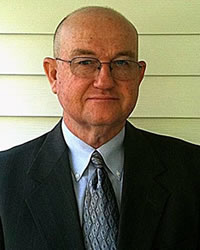
Gary Shepard

The Journey To Rest

Matthew 11:28
Gary Shepard January, 17 2016 Audio
0 Comments
Gary Shepard
Gary Shepard January, 17 2016

Sermon Transcript

Auto-generated transcript • May contain errors

100%
Turn in your Bibles to the Gospel
of Matthew, chapter 11. The things that seem so inconsistent in our natural
minds, are not so with God. If we could ever just be brought
to understand what he says, when he says, my thoughts are not
your thoughts. All of our natural thinking is
the thinking of fallen sinners. All his thinking is the thinking
of Almighty God. The God of Truth. And when He
saves a man or a woman, He gives them faith to believe what He
says. To believe what we find here
in this 11th chapter of Matthew. You see, the words that we'll
read this morning, they are the words of the Lord Jesus Christ. They're not simply my point of
view. not simply my theological opinion
or my ideas. My natural ideas are worse than
yours. The one that speaks these words,
he is none less than God manifest in the flesh. He's the sinless
man, described in scripture as the holy one. He is Jesus Christ
the righteous. He's the Messiah. He's the righteous
judge. He's the Savior. He's the Son
of God. He's the Sovereign Lord. And that's the only basis upon
which I would ask you to hear what I say today. Because my
desire is simply to tell you, to remind you, to rehearse again
before you what He says. And we need to think for just
a moment about where he is and where he has been in light of
what he says. In that first verse it says,
And it came to pass, when Jesus had made an end of commanding
his twelve disciples, he departed thence to teach and to preach
in their cities. He didn't do this privately.
He didn't perform these miracles privately. He did each and everything
publicly, out in the open. And so we begin to read in verse
20, that He began to upbraid the cities wherein most of His
mighty works were done, because they repented not. This is the
blindness, the deadness, the lostness of men and women. Here is God in the flesh doing
all these many wonderful mighty works and they believed not and
they repented not. Woe unto thee Chorazin, woe unto
thee, Bethsaida, for if the mighty works which were done in you
had been done in Tyre and Sidon, they would have repented long
ago in sackcloth and ashes. But I say unto you, it shall
be more tolerable for Tyre and Sidon at the day of judgment
than for you. And thou, Capernaum, which art
exalted unto heaven, shall be brought down to hell. For if
the mighty works which had been done in thee had been done in
Sodom, it would have remained until this day. But I say unto you that it shall
be more tolerable for the land of Sodom in the day of judgment
than for thee." You see, with great privilege comes great responsibility. And if our Lord were to say what
He says here concerning these people in these cities, How much
more must this be true to those of us who have the privilege
of hearing the gospel, the truth as it is in Christ Jesus. And then in verse 25, he begins
to pray to the Father, And rather than being disappointed or discouraged
or questioning the Father as to why everyone did not receive
Him and believe on Him, rather than that, He thanks the Father. For what? For sovereign, distinguishing
grace. He says in verse 25, at that
time Jesus answered and said, I thank thee, O Father, Lord
of heaven and earth. He thanks the Father. And that
almost immediately flies into the face of our natural thinking. because we have been told and
taught and by nature want to believe that He wills and wants
and desires the salvation of every person. But in the face
of this rejection, He says, I thank Thee, O Father, Lord of heaven
and earth, because thou hast hid these things from the wise
and prudent, and hast revealed them unto babes. These were, like all men by nature,
proud individuals, thinking that they knew so much, thinking they
were so good, thinking that they knew God. But they did not, and
they were not in His sight. And so Isaiah records these words
of God. Woe unto them that are wise in
their own eyes and prudent in their own sight. You may have
great self-confidence. The way of a fool, scripture
says, is right in his own eyes. You may think yourself wise about
a multitude of things, but God doesn't. God doesn't. And then
in verse 26, as a man, he bows to God's absolute sovereignty
and wisdom. Can we do that? God has ordained
and appointed all things. He said, Even so, Father, for
so it seemed good in thy sight. You might remember when Eli,
the priest, got the message that his two sons had been killed. He said, Even so, for so it seems
good, God, in your sight. He bowed to the wisdom and the
will of God. Isaiah states this truth, this
undeniable truth that by nature we resist so hard many times,
such as he does in Isaiah 46 and verse 9. He says, Remember
the former things of old, for I am God, and there is none else. I am God and there is none like
me. Well, how are you? Declaring
the end from the beginning and from ancient times the things
that are not yet done, saying, my counsel shall stand and I
will do all my pleasure. There was a preacher that I like
to read sometimes behind, and he had this to say concerning
this. He said, His mercy is not moved
by any good in us, neither is it kept back by our undeservings. For neither our merit nor our
misery can be said to have had any hand in disposing the purposes
of His sovereign will toward us. That the Lord hath taken
occasion from our misery to magnify the abounding riches of His mercy
is true. But then, His mercy was before
our misery, and His own everlasting love, the sole cause of our blessedness
in Christ. Therefore, our Lord's own words
are most blessed in point. Even so, Father, for so it seemed
good in thy sight." And then, on the heels of that, and by
the way, all these things are so closely connected, he declares
an absolute truth concerning all people, all people. He says,
all things, verse 27, all things are delivered unto me of my father,
and no man knoweth the son but the father, and neither knoweth
any man the father save the son, and he to whomsoever the son
will reveal him. There is one who knows the Father,
the true God, and that is the Son. But by grace, there is another
group that he mentions there, and that is these to whom the
Son will reveal Him. You might remember that was the
experience of Simon Peter. When he was asked by Christ and
the other disciples there with him who it was that men say that
Christ was, They gave all those answers. One of the prophets,
so on and so forth. He said, but who do you say that
I am? He said, you're the Christ. You're
the son of the living God. The Lord said, blessed are you,
Simon Bar-Jonah, for flesh and blood has not revealed this unto
you, but my Father which is in heaven. How did he know who the
true Christ was? Because the Father had revealed
it to him. And that was also the experience
and case with the Apostle Paul. He, knowing so much he thought
yet in his blindness, lived in that blindness and that spiritual
deadness on his way on a collision course to hell. But he found
out who Jesus Christ is. How did that happen? He says
in Galatians 1, but when it pleased God to reveal His Son in me. That's why it happened and that's
when it happened. When it pleased God to reveal
His Son in me. And you know what He said after
that? He said immediately, upon that revelation, I didn't have
to go get a second opinion from anybody. He said immediately,
I confer not with flesh and blood. I didn't even have to seek out
the apostles to find out if it was true. He said God. reveal the truth as to who Christ
is to me and in me, and I didn't have to go anywhere else to find
out more than that. And that's what we find in this
book, just what we read there, that no person can by their own
searching Find out God. And that simply means that we
do not find ourselves born naturally into this world knowing Him. And no one can by their will,
or by their works, or by their intellect, or by their emotions,
know Christ. the Living God. And God must
reveal Himself to us. He reveals Himself to His people
that was said in the Old Testament and He repeats it in the New.
That all of His people, they'll all be taught of God. There will
be everyone taught of God. And he must reveal himself to
us through his gospel and in us by his Spirit. You see, he
says, no man can. No man can. And yet God has,
he says in these last days, spoken to some In John 1 it says, No
man has seen God at any time. The only begotten Son, which
is in the bosom of the Father, He hath declared Him. If you are going to find out
anything about God, the true God, it will have to be by His
revelation of Himself, it will have to be by the Gospel of God,
and it will have to be by work of His Spirit, not our doing. In John 14 it says that Philip
said unto him, Lord, show us the Father, and it sufficeth
us. Jesus saith unto him, Have I
been so long time with you, and yet hast thou not known me, Philip? He that hath seen the Father
hath seen me. And how sayest thou then, Show
us the Father? Believest thou not that I am
in the Father? and the Father in me, the words
that I speak unto you, I speak not of myself, but the Father
that dwelleth in me, he doeth the works. Believe me that I
am in the Father, and the Father in me, or else believe me for
the very works sake. It's not for want of evidence.
It has to do with our condition. It has to do with things that
by nature we do not desire to believe, not only about God,
but especially about ourselves. Hold your place and turn over
to John's Gospel. In John chapter 6, our Lord is
speaking, and He speaks with this same unmistakably clear
language. John chapter 6. Verse 44, this statement begins with no
man. No man, meaning no person can
come to me except the Father which has sent me draw him and
I will raise him up at the last day. It is written in the prophets
and they shall be all taught of God He is talking here about
the people of God. They shall all be taught of God. Every man therefore that hath
heard and hath learned of the Father comes to me. Christ said He comes to me. Then
we read in verse 63. Our Lord continues and he says,
it is the spirit that quickens. It is the spirit that makes one
alive. That means alive spiritually.
The flesh profits nothing. All our doings, all our reasonings,
all our logic, they profit nothing. The words that I speak unto you,
they are spirit and they are life. But there are some of you
that believe not, for Jesus knew from the beginning who they were
that believed not and who should betray Him. And He said, Therefore
said I unto you, that no man can come unto Me, except it were
given unto him of My Father. And from that time, from that
time, Many of his disciples, that is many of those who followed
him as a teacher, they went back and walked no more with him. Then said Jesus unto the twelve,
will you also go away? Why aren't you going away? Then
Simon Peter answered him, Lord, to whom shall we go? You have
the words of eternal life. There is nowhere else we can
go. There is nowhere else we can find what we desperately
need. There is nowhere else God would
have us to go. You alone have the words of eternal
life. He says no man can come. And the problem is not a matter
of permission. It's rather a matter of inability,
and the inability here is also an unwillingness to come. Do
you remember what he said to those Pharisees? He said, you
will not come to me that you might have life. What does that
say? He said to them, you're dead
and you cannot in any way do anything to give yourself life. And part of the problem is that
you have a natural unwillingness to come to Christ. You'll come
like so many come for the fishes and the loaves. You'll come like
many did to get his healings physically. You'll come like
so many did just to gather for a while to the latest fad or
trend. But he said, you won't come to
me that you might have life. They were blind to see who it
was speaking. And they were in their rebellion,
ignorant of His grace. They were born with that natural
enmity and pride and self-righteousness. They were all, like all our sinners,
oblivious to the real condition and need of their soul. There
in John 6, just about everybody, just like it was in Chorazin,
just like it was in Capernaum and other places, other cities,
just like all of them, most everybody walked away. I say most everybody,
but not everybody. They said, Lord, to whom Shall
we go? And God, especially as He is
in the Lord Jesus Christ, though this is their state and condition,
this is how they everyone are, this is how we everyone are.
He's not hindered by our condition. He's not deceived about our condition. You are, I am by nature, but
He's not. And we are left totally helpless
and unable and absolutely and fully completely depraved and
that's how we remain were it not for Him. He's not hindered
by that. He's the one who looked, standing
outside of the tomb of Lazarus, who'd been dead three days, and
he said, Lazarus, come forth. Lazarus couldn't come forth,
but he did. Because in that command, Christ
calls to be joined with that command, that ability, that life-giving
ability. He came forth. That's the way
it is with all of God's people. They're in this state, they're
in this condition, just like everybody else, except God has
decreed something. He's already said it. And He's
not only said it publicly, He said it particularly to His King. He said, I've set my King on
a holy hill. That's how we began this service,
with that hymn, Oh Worship the King. We're not gathered here
to talk about sweet little Jesus boy or anything like that, in
all the false notions of men that exalt themselves and abase
the Lord Jesus Christ. We came to worship the King,
the King of Kings, and the Lord of Lords. And so the father has
said to his king. In other words, a king has a
kingdom and he has to have subjects if he's to be a king over a kingdom
with subjects. He says this to the son in Psalm
110, thy people shall be willing in the day of thy power. His people are going to be willing.
He is going to make them willing. He is going to subdue that rebellion
in them. He is going to give them spiritual
life and faith. They are going to believe Him
and they are going to be willing. When our Lord was talking about
the sheep And John turned to some of those sheep that were
immediately present, especially most of all them being sheep
from among the Jews. He said, Other sheep have I.
that are not of this fold, them also I must bring. I must bring. And when you look
here in John chapter 6 at what our Lord is saying in the face
of all these things that men have said and rebelled and not
done, especially those religious folks. Look at what he says in
verse 37. All that the Father giveth me
shall come to me. Not one shall be lacking of this
people that the Father gave to the Lord Jesus Christ, which
you can read about very clearly in John 17, when he says, I pray
not for the world, but I pray for these that you've given me
out of the world. This is the Lord's bride. This
is the people of God. This is God's elect. They're
given to Christ in that covenant before the world began. And so,
rather than disappointment, he says, even in the light of what
has been said about all by nature, all that the Father giveth me
shall come to me, and him that cometh to me I will in no wise
cast out. Everyone of these given to Christ
by the Father, that He came into this world to die in their place
for? He said they'll all die. And
by nature we look at that as a totally contradictory thing.
How can He say that they're in this condition and how can He
say over here that they're going to everyone come to Him because
He's God. He says in Hebrews 7, Wherefore
He is also able to save them to the uttermost that come to
God by Him. Now all these things are true.
And if 99 out of 100 people don't believe that they're true, it
won't make them untrue. As a matter of fact, such things
just simply proves again and stamps this as the truth. And these things are not given
to men. They're not to be preached so
that it shuts men and women out of the kingdom. These things
declared true as they are, they are not things that keep men
and women from heaven. They do not withhold God's mercy
to anyone that He's purposed to have mercy to. They do not
exclude anybody of themselves. They are simply the realities
that require God's omnipotent grace and power and salvation. And they assure Now listen, these
things assure that God Himself, that Christ alone, gets all the
glory in salvation. It wasn't even the fact that
you and your need needed mercy. He gave, as Hawker said, He gave
mercy before we even needed mercy. Verse 28 of Matthew chapter 11. And these things, as I said,
they may be contradictory to us, but they are the perfect
reconciled truth of God to him. And now, by his grace, they are
such with me, with so many of you. What does he say next? Verse
28. Come unto me, all ye that labor
and are heavy laden, and I'll give you rest. Isn't it amazing? Come unto me, all ye that labor
and are heavy laden, and I'll give you rest. Now, so many people
take that as a kind of a generous invitation. They take it as a
kind of a universal offer. But they only do that because
they do not know who's talking. The one who's talking is the
king. And we can call it an invitation if we want to, but when a king
issues such a thing, it's really a command. You remember when
David sent forth his servant down to Lodabar. It was to bear
a message to a man there of the household of Saul by the name
of Mephibosheth. He was hiding from David. He
was in a family that was the enemy of David. And David was
issuing forth this mercy, this grace to him because of his relationship
with Jonathan. He did it for Jonathan's sake.
When that servant got down there to Mephibosheth's house, it says
that he went and He didn't say, well, you know David's king now,
and he'd just really like for you to grace his presence. to get you." And he got him. And whatever kind of statement
he made, it was not some flimsy, baseless invitation. It was the
command of the King to come. This is what the Lord Jesus says
here, come. And one of the things that's
so wonderful about it is he doesn't say go. Because that's what all
religions without God have as the sum total of their message,
it's always, you go, you do, you work, you give, you sacrifice,
you stop. He doesn't say go, he says come. You know, Paul described his
own people, the Jewish religion, which is just symbolic of all
without God. He said they're going about to
establish their own righteousness and they've not submitted themselves
to the righteousness of God in Christ. And everywhere all over
this world there are people who are literally worn out. And so
religion comes along and just adds to the burdens. Tries to
excite them on one hand like a bunch of cheerleaders, but
all the time. They're getting weaker, tireder,
more burdened, and sometimes to a point that they, in their
blindness, begin to hold up that burden as a basis of God blessing
them. I remember reading where Bunyan
told about Pilgrim when that big bundle, that burden he was
carrying, it says it rolled off his shoulders and rolled down
the mountain and rolled into the cave. picture of the cave where our
Lord Jesus was buried. It is rolled away. You see, if
He says come, then we know that by nature and birth we have not
come to God. If He says come, then that means
we are to leave some things just as Paul did. If you notice in
the miracles, So many of the times when Christ performed a
miracle on somebody, they left something behind. An old sick
bed or old filthy rags or something like that. And everyone who comes
to Christ, they leave every other hope. They leave all their own
imagined righteousness, which he says are like filthy rags. They leave all their old professions
and their old imagined experiences and all these various kinds of
things. They come to Christ. They come
to Christ. Oh, I'll tell you one of the
hardest things to leave behind is an emotional experience, especially
when it was very young. And I've heard people say this
so many times. They talk about some old experience
in a revival meeting or something like that, and they say, Preacher,
don't tell me that what I felt wasn't real. I wouldn't dare
tell you that. That feeling, that emotion was
very real, but it wasn't based on the truth. I've told you this
before. When I was a young boy, they
had a movie came out called Old Yeller. Some of you are old enough
to remember that. Well, when Old Yeller died, I
just sat there and cried. My heart was broken. My emotions
were genuine, but the movie wasn't true. It wasn't true. And not
long after that, I went with a choir to sing in a revival
meeting. Funny the things you remember,
but I was wearing a yellow sweater that night. And the preacher
got up and preached and they had singing and everybody got
all emotional and they had invitations and all that kind of thing like
that. I had a real experience. I couldn't tell you one thing
he said. No, there's some things we have to leave, depart from. He says, come ye out from among
them and be ye separate, saith the Lord. all our false refuges,
all the things we think we know, but they stand in contradiction
to the Word of God, all our old experiences, he says, come unto
me. He doesn't say, come to the church.
He doesn't say come to a denomination. He doesn't say come to the front
of a building. He doesn't say come to a baptismal
pool or a font or anything like that. He says come unto me. And whatever our need is, I'm
telling you this, we stop short and we'll never have it until
we come to Christ. Don't start toward me. That's
what some people are. or led to think, just so you
need to start seeking the Lord. No, you need to come to Christ.
Come to me. Come unto me. Come to Christ. That means leave all these things
and repent of all these things and trust Him. Trust His work. Trust His righteousness. Come
to Him as the one refuge and believe on Him. to a person that
is identified by particular words, called a work of righteousness.
In other words, if there is one righteousness, the everlasting
righteousness, if his work is the work of righteousness, we
don't have any righteousness apart from him. He's not saying
here, come and try God. as some say. Come, give Jesus
a chance. How absolutely blasphemous. The Lord Jesus Christ is the
Savior. He's the King of Righteousness,
King of Peace. And it says, He said, everyone
that is taught of God, everyone that has learned of the Father,
what does He come to do to me? Why are there no more They want to hear about Christ.
They're glad to hear about the family. They're glad to go to
a seminar on marriage. They're glad to do all these
things about raising your kids and occupying your kids and entertaining
your kids. It's a world religion of a multitude
of different kinds that offers people entertainment and occupation
on the road to hell. Paul said, I determined to know
nothing among you save Jesus Christ and Him crucified. We
preach Christ crucified, he said. And he wasn't just speaking for
the apostles, he's speaking for everyone who's called of God
to preach. He said, woe is unto me if I
preach not the gospel. Come to Him. Come to Christ who
is Jesus, the mediator of the everlasting covenant. Come to
Jesus who's the one who's made sin for us that we might be made
the righteousness of God in Him. We come to Him who sacrificed,
put away all our sins to Him. And I'll give you the best example. That's the man hanging on that
cross beside him. One of those thieves who cried,
Lord, remember me when you come into your kingdom. There he is.
Hands and feet nailed to the cross, to a cross, but he came
to Christ. It's like an old preacher I knew
said, come to Christ without moving a muscle. Because it's
not a change of geographical location, it's the heart renewed
by the Spirit of God and faith coming to Christ. Coming to Christ
is believing on Christ. Believing on Christ. This would
be, I call this the journey to rest. I could have called it
the motionless journey. You see, coming to Christ is
believing on Him. He said, I am the bread of life. He that cometh to me shall never
hunger, and he that believeth on me shall never thirst. And
there's a particular people identified here. He says, come unto me,
all ye that labor and are heavy laden. He's not talking about
those who are physically so. He's talking about those who've
been made to feel this condition by His Spirit. They're brought
to groan and be grieved and troubled in their mind and heart over
the burden and guilt of their sin. And they have done and labored
under the bonds of the law and under their own ideas of how
a man and a woman can please God, and they're weary of trying
to get peace of conscience through their doing rather than the blood
of Christ. They're finished with themselves. and they're brought to trust
the work of Christ, to trust His grace and His mercy. They're shackled with the weights
of religious tradition and superstition and all the recipes and formulas
of getting peace of soul that have been tried and failed. They still have no comfort. They're
burdened and they're heavy laden. And what does he say? What is
his promise? He said, come unto me, all ye
that labor and are heavy laden, and I'll give you rest. I'll
refresh you. He said, look unto me and be
ye saved. Look to Christ outside of yourself
and lay hold of His person and trust His blood, His righteousness,
His sacrifice, believe His promise of salvation and continue to
do so. continue to do so, because this
is spiritual rest and peace of conscience and ease of mind and
tranquility of soul when we're brought to receive the pardoning,
grace, and justification of God. Rest. You see, all those Old
Testament pictures and types under the law, they had something
to do with Christ. Christ is the Sabbath of His
people. I know what preachers hold on
to. But the only Sabbath there is in the gospel is Christ himself. There remains a rest for the
people of God. For he that is entered into his
rest, he also has ceased from his own works as God did from
his. Let us labor therefore to enter
into that rest, lest any man fall When the Bible says that Christ
rested, what does that mean? I mean that God rested on that
Sabbath day. Start with this is not the Sabbath
day. That was the Sabbath day. This
is the first day of the week. The Sabbath was just another
picture of Christ. When He rested, when God rested
from His work, that didn't mean He got tired. That means He had
finished. the work of creation. And Christ,
He finished the work of the new creation, salvation. He is our
Sabbath. We rest in Him. Not only do we
come unto Him being thirsty and drink, come unto Him by and eat,
yea, come by wine and milk, as the prophet said, without money
and without price. But we keep coming to Him. Peter
said, to whom? Coming. We not only come to Him
at all times for our salvation, but for all our troubles, all
our needs, all our afflictions, all our problems. We just keep
coming to Christ. And one day we'll lay down. Maybe suddenly. Maybe after some
sickness. But we'll lay down. And then
we'll really be coming to Christ. We'll be coming into His true,
visible presence. And the journey will be complete. But the rest is present to all
who come to Him. God help you to come to Him.
Don't come to me. Don't come to this denomination. We're not in a denomination. We have only Christ. He sure
is enough. Our Father, we pray that you
take your word and honor yourself and save your people to the glory
and praise of your name and to their spiritual and eternal and
lasting good. Bring one of your sheep this
day. Bring many of your sheep to rest
in the Lord Jesus Christ. We ask everything and pray in
his name. Amen.
Gary Shepard
About Gary Shepard
Gary Shepard is teacher and pastor of Sovereign Grace Baptist Church in Jacksonville, North Carolina.

Comments

0 / 2000 characters
Comments are moderated before appearing.

Be the first to comment!

Joshua

Joshua

Shall we play a game? Ask me about articles, sermons, or theology from our library. I can also help you navigate the site.