Bootstrap
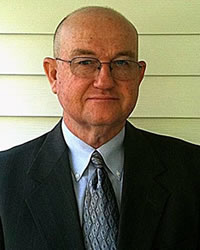
Gary Shepard

A Meeting With The Message

Acts 8; Isaiah 53
Gary Shepard May, 10 2015 Audio
0 Comments

Sermon Transcript

Auto-generated transcript • May contain errors

100%
Turn back in your Bibles to that 8th chapter of the book
of Acts. As we have read in our reading,
there was a great rejoicing and great delight in the city of
Samaria This man, Philip, had gone and preached the gospel. Why in the world would the Lord ever take him
from that circumstance, from that delightful time, and cause
him to go down into the wilderness? I've called this message, A Meeting
with the Message. And look with me beginning in
verse 26, where right in the midst of this it
says, And the angel of the Lord spake unto Philip, saying, Arise,
and go toward the south unto the way that goeth down from
Jerusalem unto Gaza, which is desert." He's leaving a populated city
and being sent of the Lord to a desert. And he arose and went. And behold, a man of Ethiopia,
and eunuch of great authority under Candace, queen of the Ethiopians,
who had the charge of all her treasure, had come to Jerusalem
for to worship." He is a religious man. He's already participated
in what he thought was worship. But he was returning, and sitting
in his chariot, read Esaias, or Isaiah the prophet. And then the Spirit said unto
Philip, Go near and join thyself to his chariot, And Philip ran
thither to him, and heard him read the prophet Isaiah, and
said, Understandest thou what thou readest?" Do you understand
what you're reading? And he said, How can I, except
some man should guide me? And he desired Philip that he
would come up and sit with him. The place of the scripture which
he read was this, he was led as a sheep to the slaughter,
and like a lamb done before his shearer, so opened he not his
mouth. In his humiliation his judgment
was taken away, and who shall declare his generation? For his life is taken from the
earth." And the eunuch answered Philip and said, "'I pray thee,
of whom speaketh the prophet this? Of himself, or of some
other man?' Then Philip opened his mouth, and began at the same
scripture, and preached unto him Jesus. And as they went on
their way, they came unto a certain water, and the eunuch said, See,
here is water. What doth hinder me to be baptized? And Philip said, If thou believest
with all thine heart, thou mayest. And he answered and said, I believe
that Jesus Christ is the Son of God. And he commanded the
chariot to stand still, and they went down both into the water,
both Philip and the eunuch, and he baptized him. And when they
were come up out of the water, the Spirit of the Lord caught
away Philip, that the eunuch saw him no more, and he went
on his way rejoicing. But Philip was found at Azotus,
and passing through, he preached in all the cities till he came
to Caesarea." In this book of Acts, we see something that happens
again and again. And that is God ruling over the
course of nature and over all the affairs of men to accomplish
one thing. for his glory. And that is the
salvation of his people. He has a people that he chose
in Christ before the world began. And for that people, He sent
His Son, the Lord Jesus Christ, into the world to actually accomplish
their redemption. And because of those two things,
everyone will be brought to the knowledge of this wonderful truth. And in order to accomplish that,
every event of everything that happens in this earth, right
down to every event of the weather, and every decision of men and
women, and every act of every ruling power that is, He uses
and He works toward this particular end. All the things that happens
in their lives, all the things that happen in the course of
governments, everything, especially as it pertains to God's elect,
is a constant moving toward a meeting. In other words, there must be
an encounter or a meeting with a message. He calls it the gospel. And that word simply means something
like good news. They've got to hear this good
news. They've got to hear what he calls
glad tidings. And so everything that goes on
in this earth is always moving as he moves them in order to
accomplish this very thing. All the affairs of providence. As a matter of fact, an old preacher
once said this, he said, Providence is the handmaid of salvation. It must happen, it must take
place just as it did with this eunuch. We don't know his personal
name. And maybe that's because God
shows in this that it was not simply to Him alone that this
happens. He was a man who was the treasurer
of an earthly queen, having had much advantage, I would think,
by that office and life, But he did not yet know God. And most especially, he did not
yet know what God had already done for him. And that is what
distinguishes the truth, the gospel, from all error and false
gospels. Because the gospel, as was demonstrated
here, is a message of what God has done for His people, sinners
though they be. And what takes place in our text
is simply God overruling as well as ruling all things, not only
in the life of Philip, not only in the life of this eunuch, but
all that was necessary in all the other lives around him and
in all the other events around him in order to cause him to
meet this particular message. And all we have to do to be amazed,
if we have any brains at all, I guess you would say, is simply
for a moment think about everything that was necessary in order for
this meeting, at this place, at this time, to take place. God had to control everything
that takes place in this world. Every detail. Because it is neither
chance nor fate nor luck or any other such foolish man-made notion
as we often hear. It is the Lord. It is the Lord. It is His will and it is His
purpose. And this is simply one part of
a picture and demonstration of what the Apostle Paul says concerning
all the Lord's people. He says, and we know that all
things, not just most of them, not the ones that we can simply
see and imagine do so, Not even the things that we think are
good, and even including our sins. And we know that all things
work together. Why? Because He works them together. All things work together for
good to them that love God, to them that are the called according
to His purpose. And that word called there oftentimes
means something like this, name. They are named as His people. He names them as such according
to His own purpose and grace which was given them in Christ
before the world began. Why does God go to all this trouble
so that this eunuch, And this man, Philip, they meet at this
time and in this most unlikely desert place. Well, it's because
he brings to him a particular messenger. If you notice, he
did not use these apostles who later came, Peter and John, to
Samaria. But he used this man at this
time and in this place to bring to him this particular message
because he just would. He has not sent the gospel to
every person in this world. And evidently, it's not His will
to. But it was to this man. It was
to this eunuch. Because God always does and always
will have His way. You can hear all these preachers
talking about what God wants to do and tries to do, and believe
Him if you want to. But the Scripture says that whatsoever
He desires, that's what He does. That's exactly what He does. And just like we read in 2 Peter
3 concerning his people, it says, "...the Lord is not slack concerning
his promise, as some men count slackness, but is longsuffering
to usward." Peter addresses that letter to the people of God.
He even calls them God's elect. He's long-suffering to usward,
not willing that any of these usward should perish, but that
all of them should come to repentance. That's what He's willing. Isaiah
43, we find the same thing. He says, "...for I am the Lord
thy God, the Holy One of Israel, thy Savior." I gave Egypt for
thy ransom, Ethiopia and Seba for thee, since thou wast precious
in my sight. Thou hast been honorable, and
I have loved thee. Therefore will I give men for
thee, and people for thy life." You have no idea how many people have lived in
this world died and went out into eternity because of you,
a furious people. How many he has expended in order
to save a people for his glory. And so the Spirit of God has
been at work in all of these things, even to the preparation
of this eunuch's heart, and the preparation of this man Philip
to preach in order to get him this message. And so, having gone to all that
trouble, the thought always comes to my
mind, what's he going to say? Here he has controlled the affairs
of this earth in order to bring these two unlikely ones together. He has given this man a message
to bring to this eunuch. What's he going to say now? Well, that which is central to
it. is the message about a man. A man. Because providence not only has
brought Philip, but he's brought Philip with this one message. If you look back at verse 5, you'll find out that every true
preacher has one message. It's like that way of starting
music, learning music. First thing we've got to establish
is where middle C is. Well, here's the middle C of
all true preaching. Then Philip went down to the
city of Samaria and preached Christ. unto them." Now look at the desert. Surely
as modern preachers do, he has one message for one congregation
depending on who they are, and another message for another group
depending on who they are. Surely he won't say to one man
in the desert what he said to all these people in Samaria,
will he? Look at verse 35. Then Philip
opened his mouth, and began at the same Scripture, and preached
unto him Jesus. He'd be a great disappointment
to men and women in our day. They say there's more to this
than the gospel. They say that we need to hear
some other things. But God uses the same message
to call out His sheep as He does to comfort His sheep, to cause
them to grow in the grace and knowledge of Himself. No, it
says He began at the same Scripture. So my next question is this,
what Scripture? Here he is, and it says that
he began at the same Scripture. Look back in verse 32. It says,
"...the place of the Scripture which this eunuch read was this,
he was led as a sheep to the slaughter, and like a lamb done
before his shearer, so opened he not his mouth." In his humiliation,
his judgment was taken away. And who shall declare his generation? For his life is taken from the
earth. And the eunuch answered Philip
and said, I pray thee, of whom speaketh the prophet this? Of
himself or of some other man." You see, he preached Christ to
him from the Old Testament Scriptures. That's the only Scriptures there
were at that time. Here you and I are blessed to
have the whole canon of Scripture, the whole revelation of God,
His Word, in this book we call the Bible. But all they had were
those Old Testament prophets, those Old Testament Scriptures,
those old scrolls, and such, and one of them was the prophet
Isaiah. The prophet Isaiah. And so Philip,
as he did in Samaria, did in this desert place to this man,
and what everyone that we read about in the New Testament did,
he from the Old Testament Scriptures preached unto him. Do you know how many people there
are in this world that have been trained in various seminaries
and such and such all through the land that say Christ is not
in the Old Testament Scriptures? That say that the Gospel is not
in the Old Testament Scriptures? Well, if the Gospel and Christ
are not in the Old Testament Scriptures, how did Philip then
preach from those Old Testament Scriptures, such as the book
of Isaiah, Christ? As a matter of fact, this is
the same thing that Paul did. Hold your place right there and
turn over to 1 Corinthians chapter 15. 1 Corinthians chapter 15, and listen
to what Paul writes in this first epistle, this first letter that
he wrote to the church at Corinth. Chapter 15, he says, "'Moreover,
brethren, I declare unto you the gospel, This is my message. You can have all your family
life seminars you want. You can do all these other tricks
and put on this little dog and pony show if you want to. But
he said, I preached unto you the gospel, which I preached
unto you, which also ye have received, and wherein ye stand,
by which also ye are saved, if or since ye keep in memory what
I preached unto you, unless ye have believed in vain." Notice
this next verse. "'For I delivered unto you, first
of all, that which I also received, How that Christ died for our
sins according to the Scriptures. And that He was buried and that
He rose again the third day according to the Scriptures. You mean to tell me that Paul
preached all of that? who He was, what happened to
Him, even down to His resurrection from the Old Testament Scriptures.
Absolutely. Absolutely. And this was Christ's
way of preaching. This isn't something that was
simply the scheme and thought and plan of invention of men. That's what Christ preached.
It says in Luke 24 and verse 27, that these that He met on
the road to Emmaus, and beginning at Moses and all the prophets,
He expounded unto them in all the Scriptures The things concerning
Himself. That's what the Old Testament's
about. It's about the Lord Jesus Christ. Then a little while later,
to more than them, in Luke 24 again it says, He said unto them,
These are the words which I spake unto you while I was yet with
you, that all things must be fulfilled which were written
in the law of Moses, and in the prophets, and in the Psalms concerning
me. Then opened He their understanding,
that they might understand the Scriptures." Two things there. Number one, we only understand
the Scriptures as we see them in the light of Christ and Him
crucified. And number two, we only see them
and Him in that light when He opens up Our understanding. You see, that's what John said.
He said, He's given to us an understanding that we might know
Him that is true. He didn't waste His time trying
to impress this unit. Though there may have been a
temptation to since he was a man of some office and stature, he
didn't waste his time giving him a lot of historical information
about the church or some old preachers. Why? Because there's
an urgency in the gospel. I may not ever see you again.
I might not ever preach again. We might not ever meet again.
So I must, as Paul said, preach to you the gospel. Woe is unto
me if I preach not the gospel. And we, every one of us, are
eternity-bound sinners. It's not going to be a long time.
God describes our brief lives as being swifter than a runner,
swifter than a weaver's shuttle passing as our days. And men and women are dying daily and are without hope, without
God, if they are without Christ. He didn't have time for politics. He didn't have the time to waste
on a lot of moral issues which men and women already know. It
isn't that we don't know these things. Our problem is still
rebellion against God. But he did, as one fellow said,
he preached as a dying man to a dying man. What did he preach? He preached what the Spirit of
God had led a man many, many, many years before. A man that
he called and sent as a prophet by the name of Isaiah. And we're
made to know some things by this. And that is that Jesus Christ
is the one that Isaiah was talking about. As a matter of fact, Christ Himself
in John chapter 12 and verse 38, He quotes Isaiah. I guess it would be alright to
use the prophet Isaiah then to preach the gospel. Have to be
alright to use the Old Testament Scriptures to preach the gospel. And that means that everything
that the Spirit of God inspired Paul, or as in our text, Luke,
to write down, He inspired those Old Testament
prophets to write the same. They're all talking about one
man. They're all talking about the
one man that Paul says is that one mediator between God and
men, the man Christ Jesus. How in the world could we ever
proceed beyond or get higher than talking about Him who is
God manifest in the flesh? You see, Isaiah called this gospel
a report. Turn back over to that chapter
and portion where Philip preached from, because it's Isaiah chapter
53. Isaiah chapter 53, The prophet begins with a question. He says, who have believed our
report? You see, the gospel is not somebody's
philosophy. It's not even their theological
position. He called it a report, or actually,
It's doctrine. Who hath believed our doctrine? Well, do you know there are people
in this world today, under the banner of trying to maintain
unity, that say we ought not to preach doctrine, but we ought
to just simply preach Jesus? Impossible. Impossible. Impossible to preach Jesus apart
from His doctrine, which is called the doctrine of Christ. And John
said, if a person comes to your door and has not the doctrine
of Christ, don't bid him Godspeed, don't wish him well, don't invite
him into your home, don't be partaker of his error. This is
the doctrine of Christ. This is the report of the Lord
Jesus Christ. And so when Philip preached Christ,
he preached Him evidently in that same character that Isaiah
did, which was in his redemptive character. Somebody says, well, let's don't
talk about all that blood. Let's don't talk about that dying. Let's give folks a positive message. You cannot give a sinner a positive
message apart from the Lord Jesus Christ and His cross. He did not set him forth as a
mere example. Or as a martyr who died for a
good cause? Or a teacher? He preached Christ
in his sufferings. You know why we don't want to
hear about the sufferings of Christ? Why we don't want to
hear about how God had to take on human flesh and come to this
world and die for our sins and suffer in our place. Do you know
why we think we're better than that? You mean to tell me that
I'm such a sinner that the only way I could ever be saved from
my sins is for God to come and die for me? Absolutely. Look at what it says. "...who
hath believed our report, and to whom is the arm of the Lord
revealed." Who's the arm of the Lord? It's the Lord Jesus Christ. Benjamin. That name means, Son
of my right hand. A picture and a type of Christ. He said, there's no man to help,
but my own arm got me the victory. and therefore the glory. For
he shall grow up before Him as a tender plant, and as a root
out of a dry ground, he hath no form nor comeliness, and when
we shall see him, there is no beauty that we should desire
in." There never was. Humanly speaking,
anything seen in and about the man Christ Jesus that had any
natural appeal to man. We always hear people say, let
others see Jesus in you. Brother Richardson said they
didn't see Jesus in Jesus. That's right. Sinners can't see. Anything glorious about the King
in His beauty. What a description! Like a root
out of a dry ground. He has no form nor comeliness,
and when we shall see Him, there is no beauty that we should desire
Him. No beauty that we can see naturally. He is despised and rejected of
men, a man of sorrows and acquainted with grief, and we hid, as it
were, our faces from Him. He was despised and we esteemed
Him not." You can't preach the beauty of Jesus Christ in such
a way that a blind man will see. God has to give us sight. He
preached His sufferings. He preached Christ crucified
because there was no message that was any more needed or that
would be beneficial to this sinner than Christ and Him crucified. I always pray for the resolve
that Paul had I know I'll never have the skills, I know I'll
never have the abilities, and most likely, since he was an
apostle, not even the revelation that he had. But he said this,
I am determined not to know anything among you save Jesus Christ and
Him crucified. In another place, he says, for
the preaching of the cross is to them that perish foolishness. But unto us who are being saved,
it is the power of God. It's the most wonderful thing
we've ever heard. He did not try to make Christ
appealing to the natural man. I think people do that all the
time. They try to avoid any Scripture that might cast a bad light on
the Lord Jesus as far as men are concerned, or they may speak
only as Him being a God of love or whatever in order to make
Him more appealing. But He didn't do that. And I'll
tell you something else he didn't do. He didn't try to sneak up
on him with the gospel. Try to kind of sneak up around
a person. I remember years ago when Sears
got into big trouble because of what was called the bait and
switch. You know, we'll advertise a refrigerator
for $75, but when you get here, we've sold all of them, but we've
got something else. They were prosecuted for that.
And yet, that's just the technique of a lot of preachers. And we're
going to sneak up on you with the Gospel. We're going to invite
you for one thing. But when you get here, we're
going to do something else. That's as dishonest as can be.
And somebody says, well, the end justifies the means. Oh no. Because God is to get
glory in the means as well as the end. We want men and women to come
to hear the gospel. We don't have anything else to
offer, but we have the best thing. He didn't try to smooth off the
rough edges of divine truth about God. He preached the true beauty of
Christ, because His beauty is in what He accomplished, rather
than the human face. Do you know there are no pictures
of Jesus? It's a bad portrait that a sinner
paints about Jesus. You would think as important
as some people think it is to have a picture of Jesus or a
cross or something like that, that God Himself would have maintained
that. But He says, don't make unto
me any graven image. And the Catholics, they invented
their own version of the Scriptures where they took the Ten Commandments,
left out one, divided two, so that they could face the world
with all their graven images. But none know Him, or value Him,
or love Him, except God reveal Him to us and in us. We hid, as it were, our faces
from Him. He was despised, and we esteemed
Him not. I heard a preacher say one time,
he said, oh, if I'd have been there when they crucified Jesus,
I wouldn't have let him. What a fool. What a fool. But not only that, preaching
from this chapter and this text, he preached Jesus as the glorious
substitute. Somebody said substitution is
the heart of the gospel. Maybe so. Probably is. Because if you look in verse
4, it says, Surely he hath borne our griefs, and carried our sorrows. Yet we did esteem Him stricken,
smitten of God, and afflicted." He's there on that cross bearing
the sins of His people, and even every one of them by nature think
He's dying for His own sins. But He was wounded for. That word comes up a lot in Scripture
in reference to the death of Christ. For. That means in the
place of. He was wounded for our transgressions. He was bruised for our iniquities. The chastisement of our peace
was upon Him, and with His stripes we are healed. All we like sheep
have gone astray. We've turned everyone to his
own way, and the Lord has laid on Him the iniquity of us all. You see, Isaiah is not only talking
about the Lord Jesus Christ, that Messiah that was to come
and who now has come, he's talking about and to all the people of
God. He died and He suffered as a
substitute for sins that were not His own. But yet it says
that He was made sin for us. That the sins of His people were
laid on Him. That is all the sins of all His
people for all time. You need to ask yourself this
question. Actually, two questions. Number one, if He is, as it says
in this book, that He was perfectly sinless and holy, Why is the
just God putting him to death on that cross? The second question would be
this. If he is there, dying as so many say, for all the sins
of all people in all the world. I read recently where somebody
had said Hitler would be in hell. as one that Christ died for.
What blasphemy! But if He did die, as they say,
for all the sins of all people in all the world without exception, why in the world would God send
them to hell? Anybody to hell. Because it would be unjust to
do so. No, He's dying a substitutionary death. He's dying for or in the
place of a people. He's dying as personally and
as individually for each and every one of His elect, each
and every one of their sins all together of all time without
exception. Why? because of something the
Bible calls imputation. Imputation. What does imputation
mean? Well, Paul used it a lot. As
a matter of fact, he described the blessed man. You see all
these people, how are you today? I'm blessed. You leave, bless
you. I get so sick of these religious
clichés, not only meaningless, but anti-biblical. But Paul says, so did the psalmist,
blessed is that person to whom the Lord will not impute sin. So what does that mean? It means
to charge to you. to reckon to you, account to
you something. So if this is the blessing of
the thrice holy and just God, blessed is the man or the woman
to whom the Lord will not charge their sins, what happens to their
sins? The Lord imputes them all to
the Lord Jesus Christ. That's why He's come for. That's
why He dies for. And that's exactly what is being
expressed here in that 6th verse when He says to the Lord's people,
"...and the Lord hath laid on Him the iniquity of us all."
Made all the sins and the iniquity of His people to meet on Him
as He hangs on that cross and dies and suffers for them. Pays that sin debt, because the
wages of sin is death, and the soul that sins shall surely die. You say, I don't understand everything
about imputation. Well, I don't either. But I understand
it in this light, the Lord took off me what was mine, and put
on him, or charged to his account, and took off him what was rightfully
his, and put it on me. Peter says it like this, "...who
his own self bear our sins in his own body on the tree, that
we, being dead to sins, should live under righteousness, by
whose stripes ye were healed." Wait a minute. That's what Isaiah
said, wasn't it? By his stripes you were healed. Again, for Christ also hath once
suffered for sins, the just for the unjust, that he might bring
us to God, being put to death in the flesh, but quickened by
the Spirit for us. Paul in Romans 5, "...but
God commendeth His love toward us in that while we were yet
sinners, Christ died for us." Again in Romans 4, "...He was
delivered for our offenses, or because of our offenses, and
was raised again for, or because of, our justification." And Philip preached that all
this happened according to the will of God, and most particularly,
under the justice of God. Stricken, smitten, afflicted
of God. We did esteem him stricken and
smitten and afflicted of God. But what we didn't know was he
was not treated in that manner because of anything he did wrong,
but because of what we did wrong for our sins. That it was at
the hand of divine justice that he suffered in order to suffer
in our place and to satisfy God's justice in the matter of our
sins. And he says that he did it in a voluntary submission. You say, well, the Jews had Him
crucified, or the Romans crucified Him, or the priests had Him crucified
and all that. Well, He was oppressed and He
was afflicted, yet He opened not His mouth. He is brought
as a lamb to the slaughter, and as a sheep before her shearers
is done, so opened not His mouth. Voluntarily, he came. Voluntarily, he took that role
as our surety and substitute. Voluntarily, he stood as the
head of our covenant. And voluntarily, he laid down his life on the
cross. He's the only man that has literally
ever laid down His life. Now, there have been some who
tried. They didn't make it. There have been some who took
their physical life, but they were just sinners. He laid down
His life. I just can't imagine that sometime,
that God in the person of Jesus Christ would come into this world
and literally lay down His life to save me from my sins. He yielded
up the ghost. No man takes my life from me. I have power to lay it down.
I have power to raise it up again. As the Father knoweth me, even
so know I the Father. I lay down my life for the sheep.
No man taketh it from me, but I lay it down of myself. I have
power to lay it down, I have power to take it again. This
commandment have I received of my Father." And then he preached the death
of Christ as a particular sacrifice, a particular satisfaction for
the elect of God, the people of God that he says he chose
in Christ before the world began. He preached Jesus and his particular
redemption. Now preachers tried their best
to take the edge off of what that says. They try their best to try to
come up with some kind of scheme for the atonement and for redemption
that will make it sound to the natural ears and minds of men
and women more palatable. They say things like this. They
say, well, He made it available for everybody, but it will only
be effectual for the sheep. They want some universal element
But I'll tell you the only universal element about it, and that is
everyone Christ died for, they were all sinners. There might
be one more. Every one of those Christ died
for, He saved. Look at verse 8. He was taken
from prison and from judgment, And who shall declare his generation? For he was cut off out of the
land of the living. For the transgression of my people
was he stricken." Does that sound like Christ died for everybody?
For the transgression of my people, whether that be Isaiah speaking
as one of God's elect, or whether it be God Himself speaking, says
the same thing. He said, I lay down my life for
the sheep. There are a lot that will say
that Christ died for sinners, which He did. They'll say that
He died for all who believe, which He did. But we're withholding
something that in God's wisdom, He has declared without reservation,
which is that Christ died for the sins of His people. You say, well, I don't like that
much. That's not your problem. At the root of that is you do
not like the Christ of God. You do not like God as He declares
Himself to be. You do not like this Savior. And men think they're wiser than
God. But one of the most potent and
important verses that are to be found in this book, in my
mind, is to be found in that first chapter of Matthew, before
Christ is ever born into this world, when Mary and Joseph are
told what His name is to be. Jesus. Which literally means
something like, Jehovah the Savior. And she shall bring forth a Son,
and thou shalt call His name Jesus, for He shall save His
people from their sins. Oh, there will be a people out
of every nation and kindred and tribe and tongue. He will redeem
a people that He says are from among men. But He will die particularly,
shed His blood, and purchase the church of God. He will love
His bride as He instructs men to love their bride. And Paul
says, Love your wives, even as Christ also loved the church
and gave himself for it." He preached Christ as this sinless
one. Let us never deviate from that. Verse 9 says, "...and he made
his grave with the wicked and with the rich in his death, because
he had done no violence, neither was any deceit in his mouth."
Not any time in his life, not any time in his dying. He remained
at all points as that one who knew no sin, that Hebrews says
was harmless, holy, undefiled, and separate from sinners. He
presented himself without spot to God because that's what God
required. It must be perfect. to be accepted. And he never ceased to be so,
but suffered the just for the unjust. And Isaiah and Philip
both, they said, all of it he did on purpose. The purpose of
God. Verse 10, Yet it pleased the
Lord to bruise him. He hath put him to grief. When
thou shalt make his soul an offering for sin, he shall see his seed."
The prophets already asked this question. Who's going to declare
his generation since he dies? Isaiah said, but he'll raise
from the dead. He'll see his seed. He'll see his children. He'll see his people. He'll be
united to His bride for eternity. His death will be a success.
He'll accomplish the purpose and will of God concerning them
in salvation. And Isaiah said, He'll be a real
success. What a pitiful, pathetic Jesus
in our day. Oh, He wants to. He made everybody
savable. He gives everybody a chance,
they say. No. He was totally successful. And you know, it's a funny thing. We say everybody likes a winner
in everything but salvation. Thank God His people have a winner.
Thanks be unto God. who gives us this victory in
our Lord Jesus Christ. Yet it pleased the Lord to bruise
him. He put him to grief. Thou shalt make his soul an offering
for sin. He shall see his seed. He shall
prolong his days. And the pleasure of the Lord
shall prosper in his hand. He shall see of the travail of
his soul and shall be satisfied. And by his knowledge shall my
righteous servant justify many, for he shall bear their iniquities. Therefore will I divide him a
portion with the great, and he shall divide the small with the
strong, because he hath poured out his soul unto death. He was
numbered with the transgressors, and he bare the sin of many,
and he made intercession for the transgressors." The will
of God prospered in his hand. What will he do? He will justify
many. How will he do it? Bear their
iniquities. And he'll get all the spoils
because he gets the victory. Having entered in once into the
holy place, having obtained eternal redemption for us. By the one
man's obedience, the many are made righteous. He by himself,
when he had purged our sins, sat down at the right hand of
the majesty on high. So when you look back at our
text, when the eunuch heard all this,
you mean to tell me that he hears this man preach one time, he
believes what he says? It wasn't Philip who convinced
him. And when the Lord convinces a
sinner, There could come ten million preachers behind Philip
and say just the opposite, but it won't matter. This man, through
this message and by the Spirit of God, had been taught of God. Say, how do you know that? Well,
here is this man. He's a man of some prestige. And he's got all these servants
traveling with him, I'm sure. Maybe a company of the Queen's
soldiers or something. And he knows that whatever he
does, they're going to take it, and somebody's going to go tell
the Queen. So what does he do? He has them
to stop the chariot. He asks Philip, what hinders
me to be baptized then? If this is what Christ has done
for me, if Jesus is the Christ, what hinders me from being baptized?
From publicly confessing the Lord Jesus Christ. Well, you
need to really sit down and go through a series of training
and know. He says, if you believe with
all your heart, you may. Now, there are a lot of people
who have a lot of problems with that, because they want to know,
what does it mean to believe on Christ with all your heart? Well, as simple as I know how
to put it, if you believe on Christ with
all your heart, that means you don't have any room left to believe
on anybody else. It would seem he's saying here,
if you believe that Christ is all, all in salvation, all your
righteousness, all your hope, all your liberty, all your peace,
all your eternal life, all before God and His justice, you may. We can never satisfy that notion
of wondering when we believed enough. It can only be satisfied
in who we believe. It says that he stopped the chariot, and he and Philip went down,
you notice, into the water. He didn't take his canteen and
sprinkle it on his head. They went down into the water,
and when they came up out of the water, The Spirit of the
Lord caught Philip up away somewhere else, so that this eunuch never
saw him again. Well, what will happen to him
now? Do you think God left him without
someone to teach him and feed him? No. As a matter of fact,
most likely He made him a teacher. But the truth of the matter is,
salvation doesn't depend on a preacher. I know there's a lot to hate
to hear that. They've got this real high importance with a preacher. I hear people always writing
about how important a preacher is. And he is. Philip was important. But this man didn't just trust
in Philip. He trusted in Christ. And he believed on the Lord Jesus
Christ. which was evidenced by his obedience
in being baptized and a public confession of Christ. And it
says that he went on his way rejoicing. So it says he was called to full-time
Christian service. Or he went on to do a great work
for the Lord. It doesn't say any of that. Last time we see Him, He's riding
that chariot back home. And He's happy in His heart.
The weight of His sins have rolled off of His shoulders. And He's
rejoicing in Christ Jesus. God met Him with a message that
He used to bring Him this joy. Why is he rejoicing? He's heard
the glad tidings. Christ came into the world to
save sinners, of whom I am chief. May the Lord be pleased this
very day to do that for somebody here, somebody somewhere in this
world. Because He still does that. Everything
that's going on, He's moving. We talk about these
movers and shakers. There's only one mover and shaker.
He's moving everything and shaking everything to bring this good
news to His people. If He's brought that to you,
what a blessing. If He's brought into your life
an encounter that brings you to this message, you're blessed among men and
women. He may use a weak vessel to do
it. Philip was not even counted among such as Peter or
James or John or Paul. But he had the message, and he told them about Christ.
The Lord bless and honor His Word. Father, we thank You for
Your precious Gospel, for these glad tidings of who Christ is
and what He has done. We know that not all hear, but we know Your people will
hear. We know that You give to them
a revelation. We thank You. I pray in His name,
Amen.
Gary Shepard
About Gary Shepard
Gary Shepard is teacher and pastor of Sovereign Grace Baptist Church in Jacksonville, North Carolina.

Comments

0 / 2000 characters
Comments are moderated before appearing.

Be the first to comment!

Joshua

Joshua

Shall we play a game? Ask me about articles, sermons, or theology from our library. I can also help you navigate the site.