Bootstrap
Gary Shepard

Christ's Teaching On Prayer

Matthew 6:5-13
Gary Shepard February, 16 2014 Audio
0 Comments
Gary Shepard
Gary Shepard February, 16 2014

Sermon Transcript

Auto-generated transcript • May contain errors

100%
If you would open your Bibles
this morning to the Gospel of Matthew. Matthew chapter 6. I want to
begin reading out of this chapter at about verse 5. These are instructions that come
directly from the mouth of the God-man, the Lord Jesus Christ. And when thou prayest, thou shalt
not be as the hypocrites are, For they love to pray standing
in the synagogues, and in the corners of the streets, that
they may be seen of men. Verily I say unto you, they have
their reward. But thou, when thou prayest,
enter into thy closet, and when thou hast shut thy door, Pray
to thy Father which is in secret, and thy Father which seeth in
secret shall reward thee openly. But when you pray, use not vain
repetitions as the heathen do, for they think that they shall
be heard for their much speaking. Be not therefore like unto them,
for your Father knoweth what things ye have need of before
you ask him. After this manner therefore pray
ye, Our Father which art in heaven, hallowed be thy name. Thy kingdom come, thy will be
done in earth as it is in heaven. Give us this day our daily bread,
and forgive us our debts, as we forgive our debtors. And lead us not into temptation,
but deliver us from evil. For Thine is the kingdom, and
the power, and the glory, forever. Amen. Now, that last few verses has
often been called the Lord's Prayer. But they are really a model prayer
for His people. These words make up a model,
if you will, for the believer's prayer. And what we find in this
book is that only believers pray. As a matter of fact, back in
the book of Proverbs, he tells us, the Lord is far from the
wicked, but he hears the prayer of the righteous." You see, he
hears the prayer of those he has justified freely through
that redemption that is in the Lord Jesus Christ. He hears the prayers of those
made righteous in Him. Righteous by His grace. Righteous
by His shed blood. And then James tells us this. He says, Confess your faults
one to another, and pray one for another, that ye may be healed. The effectual fervent prayer
of a righteous man abeleth much." You know, if I've learned anything
about this religious world that we live in, it is that church
signs say a lot about what people really believe and what their
preachers really preach. One such sign that I saw recently,
read with these words, to pray is to let go and let God take
control. Now I don't know a lot about prayer. But I know that that's not what
prayer is. All that is, is just another
example of man-centered false religion that makes little of
God and much of man's will. That is just another way of saying
we have got Almighty God under our thumb. He does not have a
hold on us. We have a hold on Him. And such notions are absolutely
foolish. And I know that just by the things
that we find about God in the Scripture, and especially plain
text of Scripture, just like the one that is before us this
morning. Because in this text, our Lord
teaches His people a number of things about true prayer and
what it is to pray. One thing that it says in this
text, one thing that He says is that all true believers pray. If you have life, you breathe. And if you have spiritual life,
you pray. Because praying is to spiritual
life as breathing is to physical life. In verse 5, He reminds
us that these living people, these righteous people, They
all pray. He says, and when you pray, there
is no if there, it is not an elective, It is understood by
what we read that all the Lord's people believe. As a matter of
fact, in another place, the Apostle instructs us to pray without
ceasing. Pray without ceasing. And not only that, it also is
to be real. It is to be genuine. It is not
to be hypocritical, but from the heart, and not just from
the lips. He says, not as the Pharisees. We ought to always be thinking
about that very statement in the matter of prayer. Not as
the Pharisees, which is to be seen and to be heard of men. That's what that fifth verse
says. When you pray, thou shalt not
be as the hypocrites are. Hypocrites are simply play actors. Acting the part. Speaking the
part. Don't be as the hypocrites are,
for they love to pray standing in the synagogues. and in the
corners of the street, that they may be seen of men." Their prayer
is not to God, but it is to men. It's to be seen of men, to be
heard of men. And you know what Christ says
with that? He says they get a reward for
it. They have reward for it. But
their reward is that delight that they have as ungodly fallen
sinners in men seeing them and men hearing them. That's what
they are after. And that's what their reward
is. And they have it. That's all
they get. Their prayer is not to the living
God. And not only that, prayer is
a very private thing. Now I know we have public prayer
as we assemble together. But if you look down in verse
6, our Lord instructs us, knowing how we are, knowing as we pray,
if it be before anybody else, There is a certain pretense and
a certain hiding and a certain not bearing of our heart if others
hear it. So this is what he says. But thou, when thou prayest,
enter into thy closet. That means just simply a private
place. enter into thy closet, and when
thou hast shut thy door, pray to thy Father which is in secret,
and thy Father which seeth in secret shall reward thee openly."
You see, it is so like religion in our day to kind of be prayer
peddlers. for preachers to parade in and
out of hospital rooms and various people's homes and this and that
and the other public situations and say, do you want me to pray
for you? I'll pray for you. Bow your head,
I'll pray for you. But listen to what Christ says
for a change. He says, without all that fanfare,
go into a private secret place and pray in secret, and God who
sees in secret will reward thee openly." The most of true prayer
is private prayer. And not only that, he says, it
is not to be simply vain repetitions. That's what we're so prone to. That's what the Pharisees used. Not vain repetition, not even
the vain repetition of this model prayer. He says in verse 7, but when
you pray, use not vain repetitions as the heathen do, as unbelievers
do, some counting their prayer beads, some reading out of their
prayer books, But he says, it is not to be vain repetitions
like the heathen do, for they think that they shall be heard
for their much speaking. Their much speaking. I saw on
one of the social sites this morning, Something about prayers
going up. I see that quite often. Prayers
going up. And not only that, things like,
statements like this, pray hard. Somebody tell me what it is to
pray hard. Prayer doesn't have to do with
how hard we pray, it has to do most of all to the one we pray
to. Not how hard I pray, but it's
the one to whom I pray, and it's on the basis of which I pray. He says it's the prayer of the
righteous. And it's lengthy for this wrong
reason he states here, that is, they think they'll be heard for
their much speaking. Much speaking. I always think
about when Elijah was there on Mount Carmel. And he was there
facing all the something like 850 prophets of Baal and the
prophets of the groves. And he stood there and watched
them and the people did as they went on for hours on end, crying
and doing so much and speaking and all that. And when everything
was said and done and God had not answered from heaven by fire,
Elijah spoke, I think it was 64 words. 64 words. And fire fell out of heaven and
consumed the sacrifice and consumed all the water that had been poured
on those sacrifices. And it said, and it licked up
the water out of the trenches where the water had flowed. Sixty-four words. He said, don't pray like the
heathen do in their vain repetitions. thinking that they're going to
be heard for their much speaking. Do you think that's any basis
upon which God will hear you? He instructs us that we are to
be importunate in that speaking to God, Not just taking it for
granted that He'll give us what we ask for. We're to be persistent
in our prayer, but don't ever pray thinking that you'll be
heard if you pray a lot to God about this. And not only that, but when we
pray, we're to pray remembering something. And that is, we're
to pray remembering that God knows our need. Look down at
verse 8, "...Be not ye therefore like unto them? For your Father
knoweth what things ye have need of before you ask Him." As a
matter of fact, He's the only one that does know what we need. That's why our prayers are so
full of selfishness, so full of self, because we pray for
things oftentimes we think we need. When we don't really need
them at all, they're just the cry of that selfish nature that's
still within us. When we pray, we pray to one
who knows what we need, and when we pray, We ought to remember
that we do not give any new information to God. That's right. You cannot tell God something
He doesn't already know. You cannot make Him aware of
a need that you have if it is truly a need that He doesn't
know already that you have. And you cannot ask of Him and
ask of that which He cannot give, if it be His will. I remember
reading once about someone who did a deed for a king. And he came before that king
and the king said, just tell me whatever it is that you want. And so he told him something
that he wanted that was very much almost, it seemed, out of
the king's ability to give it. And so some of the people in
the court began to rebuke the man. They rebuked him again and
again. And all of a sudden the king
stopped him. He said, what this man's asked
for is a lot. above my ability to give it."
We can't ask above God's ability to give. We cannot ask above
God's ability to do. As a matter of fact, He tells
us by the Apostle that He is able to do above that which we
are even able to think, much less ask. And so we're not surprising God
with anything. We're not telling God anything
that He doesn't know. We're not making Him aware of
some facts that He does not have. And then in that ninth verse,
He begins with this actual model. And He says, "...after this manner." He doesn't give any instruction
here about repeating this particular prayer. He says, after this manner. And not only that, He's not simply
saying as we say so often, I hear it, He's not saying this, say
a prayer. I hear that all the time. Say
a prayer for me. Prayer is not about saying a
prayer. Prayer is about praying. Saying
a prayer is simply what the Pharisees did, what a multitude of people
do in this world right now. Saying a prayer, that's not praying. If I repeat this prayer, I've
just said a prayer, I've not prayed, but there's something
in this prayer, a model, of some things that make up true prayer. He's not told us to write a book
of prayer. We're not going to hold up the
common book of prayer. There may be some wonderful things
written in a book, some prayers recorded by someone, But really
all we're doing is reading somebody else's mail, you might say, in
that matter, because prayer, if it be real to us, is what
comes from our heart to God. And it's not for the consumption
of all people. But there's one thing I notice
here at the very beginning of this model prayer. And that is,
it's always based on relationship. The first thing he says is, Our
Father. Now, he could have said, Our
God, and that would be true. He could have said, Our King,
that would be true. But this matter of prayer is
such a personal and intimate thing, and based on this relationship,
that he says that we begin with this very thing. Our Father. And it is so particular, it's
not universal, because he told those very Pharisees, pray as
they did on the street corners and what have you, often and
loud and long, he said, you're of your father the devil. We not only pray on the basis
of relationship, but we pray on the basis of distinction. Our Father is not their Father. Our Father is not like their
Father. There's a difference. In our
prayer, though it be private, we make that distinction and
we thank God in that distinction that He has distinguished Himself
to us and made us the objects of His choice and favor, made
us His children of grace. Our Father. I've often thought
what an amazing thing it is that a sinner like myself, so finite
and weak and pitiful, standing on this earth with that great
spance between heaven and earth, separating me and this God of
glory, and yet I am able in Christ to say, Our Father. Our Father. You see, there's no universal
fatherhood of God here. Somebody says, we're all God's
children. Oh, no, we're not. Our Father. Only those here who
are joint heirs with Christ. Only those who are the children
of God in Christ. That's the basis of our relationship,
our union with Christ. And the fact that our Lord would
tell us that, remind us of that. That every time we bow our hearts
to pray and to ask God or thank God, whatever it is, it's always
on the basis of Him being our Father and we being His children. He's our Heavenly Father. And when Christ prays, In John's Gospel, he says to
a woman, Touch me not, for I am not yet ascended to my Father,
but go to my brethren and say unto them, I ascend unto my Father
and your Father, and to my God and your God. He said, I'm about
to ascend up to my Father. He's also your Father. The God of glory is my Father. The God of all grace and mercy
is my Father. I'm actually commanded by Christ,
instructed by Christ, not to be timid about this relationship,
but to pray on that basis, He is our Father. Well, how is our
Father? Well, when our Lord prayed to the Father
in John 17, two times, He not only speaks
of Him as Father, He speaks of Him in a distinguishing way as
Father. Listen to what He says. And now
I am no more in the world, but these are in thee, and I come
to thee, Holy Father." The Pope is not the Holy Father.
There is no one that is to be called Father in this sense. Except the true and living God
Himself, the God and Father of our Lord Jesus Christ. Holy Father. He's our Father, but He's still
holy. He's our Father, but He didn't
cease from being holy to become our Father. Holy Father, keep
through Thine own name those whom Thou hast given Me, that
they may be one as We are." You talk about a family. And then he goes on in John 17
again, he says this, O righteous Father, righteous Father, He's holy in
Himself. And He's right in all He does. He's been a just God and a Savior
in saving us and making us His children. O righteous Father,
the world hath not known Thee, but I have known Thee, and these
have known that Thou hast sent me." He said, when you pray,
you pray in this relationship. Oh, we're coming before a great
King. We're coming before the great
God of glory, but we're coming before Him as His little children. And He is our Father. Our Father. Not only that, it's to come to
God as He is. It's a recognition of His holiness. A recognition of His high place
and our low estate. He says, our Father which art
in heaven, in heaven. I don't know much
about heaven, do you? But wherever God is, wherever
His presence is manifested, wherever His people will be gathered. That's the best place to be.
He's not sitting in DC. He's not in somebody's big assembly
building somewhere. He's not on the highest throne
of the earth. Our Father's in heaven. He's
in heaven. And not only that, prayer is
to God also as we are. We don't ever forget what we
are in ourselves. On our best day, we have to come
to Him as sinners in ourselves. Isn't that right? I tell you, if you ever reach
a time when you think you can just Come before God as an old
buddy or something like that, you're messed up. We'll come
in as sinners. We're His children. That relationship
doesn't change, but it doesn't change what we are in ourselves,
in our persons right now. We come before God as He is,
but also as we are, sinners who are in a state of justification
before God. He's made us righteous in His
Son. We're righteous not in our person,
but righteous in Christ who's the Lord our righteousness. We're
righteous because God has imputed His righteousness to us. We're sinners though in ourselves
calling out, Lord. I believe, help thou my unbelief. Because the best prayer I ever
prayed, if you could even speak in such a language, was so full
of sin. The best prayer I ever prayed,
or that you'll ever pray, has enough sin in it. If our salvation
was to be based on that one prayer, we'd be cast into hell. We're still calling out for mercy. If I ever stop calling out for
mercy in this sight of glory, you can count it something's
wrong with me. I'm just like that old publican
having to beat my fist upon my breast and say, God have mercy
upon me, thee sinner. I'm not here on the basis of
anything I deserve of myself, anything that would ever recommend
me to you. I'm here on this one basis of
the blood and the righteousness of Christ and the grace wherein
you've made me your child. Help me. And it's to come before God in
real reverence. I absolutely hate the irreverent
attitude of false religionists in our day, so-called Christians. They open their mouths and they
say a few words, and I know immediately they know nothing about the Living
God. He said, you pray like this,
which art in heaven, hallowed be thy name." I wouldn't speak the name of
God lightly or the name of the Lord Jesus Christ lightly. That's a name. He's the one to
be revered and held in the highest esteem. Hallowed be thy name. I don't want anybody calling
me Reverend so-and-so. Because the Scripture says that
He sent redemption to His people, He hath commanded His covenant
forever, holy and reverend is His name. I don't deserve a title. I don't want reverend in front
of my name. There's just one who's to be
revered. And never any more so than when
we pray. Hallowed be Thy name, counted
sacred and glorious and distinguished from all others, higher than
every other name. Hallowed be Thy name. And then
not only that, to pray is to do so in recognition of His sovereignty
over all things. All things. He says, Thy kingdom
come. We fall into what we call prayer
and we go to asking for our young'uns and for ourselves and for this
and that and the other. The most important thing in all
this world that will ever take place is for the Kingdom of God
to come forth. For His King to be established,
for His subjects to be brought into the public and made manifest. for them to see the King in His
glory and to behold the King in His beauty? Let go and let God take control. God is at all times as He always
has been and as He always will be in a constant total control
over all things. He works all things after the
counsel of His own will. And whether or not you think
that's true or not doesn't change the fact that it's true. A fish can swim in a little fishbowl
from one side to the other and shout with a loud voice, if you
had one, I'm free. He's operating all the time in
the confines of that fishbowl. Nebuchadnezzar was brought down
One of the highest, maybe the highest earthly monarch that
has ever lived. He said, I've learned something.
And that is that God, Jehovah God does His will. in the armies
of heaven, and among the inhabitants of men, and none can stay his
hand, or say unto him, What doest thou? You cannot by your puny
will even lose five pounds." You ever think about that? You're
talking about holding off the God of glory and you can't even
will to push away a plate. Job said, he is in one mind,
and who can turn him, and what his soul desires, even that he
does. We're not helping God do anything.
You say, we're trying to get the gospel out. You're trying
to preach the gospel. That's true. But I'm afraid that
when everything's said and done, the glory of God will be that
He did it in spite of us. He did it in spite of us. And this is a great part of prayer. It is submission to His will
as wise and good and gracious. Thy kingdom come, thy will be
done in earth as it is in heaven. Thy will be done. I don't know who was involved
in the accident yesterday, but I know this. The only peace they'll
ever find in their losses, the only peace they'll ever find
in what happened, is if by the grace of God they be brought
to know and to rest in the fact that this is the will of God. God did it. You say, God did
I'll just hate Him forever. Well, it's because you don't
know Him. He's the All-Wise One. He's the
Good One. You think you're better than
God. People put up that little sign, you know, it says, Prayer
Changes Things. It doesn't change God. He's the same yesterday, today,
and forever. He's the Lord that changes not. If we could pray and change Him,
we'd be consumed. He said, I'm the Lord, I change
not, therefore ye sons of Jacob are not consumed. When they say prayer changes
things, they mean it changes God. It changes his will. It changes his mind. It changes
his purpose. No, true prayer does change something,
but what it changes is us. Us. I don't know how many times I've
gone before the Lord, my poor, meek, pitiful praying, Come to
the Lord with a kind of a laundry list of things I won't need,
I think. And begin to pray and think to
myself, I don't really know what's best. And it won't be long before I'll
be brought into the whole matter of bowing and submission to whatever
He wants. He wants. I remember reading
one time about a little boy that his father took him out to pick
grapes. And he said, son you pick grapes
and you put all the grapes you pick in this bucket. And then
when it's all done, when we get the bucket filled, you can have
some yourself. So he did that. And when it got
time, Grapes were picked or berries or whatever it was. His daddy
said, now all right, reach in there and get you a handful of
them out. The boy started to put his little hand in there,
get him some out, and he happened to notice the hand that was holding
the bucket. And it was a whole lot bigger.
He looked at his dad and he said, Dad, you give me a handful. When will we ever learn that?
God's handfuls are not only filled with good and wise, but they're
so much bigger. Thy will be done. You see, God's
perfect. He changes not. His will is perfect. John said, and this is the confidence
that we have in Him. If we ask anything according
to His will, He hears us. He hears us. And then there are two essential
things to true peril. And the first one is the mediation
of Christ. His blood, His sacrifice, His
intercession as our High Priest. We not only do not come before
God in our own merits or person, because all our prayer as it
comes from us is so imperfect, sin-tainted, but we come before
God in our advocate. There are some who say that you
need to get the priest to pray for you if you want God to hear
your prayer. Or some other mediator. Or some
other advocate. Or go get reverend so and so
to pray for you. Or old brother so and so to pray
for you. How foolish. There's one mediator between
God and men, and that's the man Christ Jesus. There's one sacrifice. There's one blood that opens
the veil, gives us entrance to the presence of God, and that's
Christ. When we say, in Jesus' name,
we're not just saying that as a vain repetition. I know it
often is. But what it ought to mean, and
I hope it does mean to us, is that our prayer before you God,
what we say, what we ask, will come before you acknowledging
the mediatorial role of the Lord Jesus Christ. We come to you
in your Son. Hebrews 7, "...wherefore He is
able to save to the uttermost them that come unto God by Him,
seeing He ever lives to make intercession for them." Romans
8, "...who is He that condemneth? It is Christ that died, yea,
rather that is risen again, who is even at the right hand of
God, who also maketh intercession for us." There's just one priest,
and that's Christ. Just one mediator. One go-between. One advocate. And not only that,
but secondly, we must also have the intercessory work of the
Holy Spirit. First, to bring our hearts into
submission to God. We come in all... Number one,
I'd say the first thing is to bring us to even think about
a need to pray. It scares me sometimes how long
I can go without praying. I'm just being honest. Fearful. Get up in your day, you know
you're feeling pretty good, got a lot to do, and you go cruising
out into it without even a thought of God. if we only knew how much we needed
Him. And were it not for the quickening work of God's Spirit,
we never would. But He calls us to remembrance.
Not only how much we need to pray, but bring our hearts into
submission to God and to bring to our remembrance His promises
and His commands and the basis upon which we come. And also
to give us faith to believe God and trust Him and rely totally
on Him. We don't ask somebody for something
if we don't believe they can do it. and to bear our prayers up before
God according to His will and in
a way acceptable to Him. Turn over to Romans 8. I want
you to notice these verses. Romans 8 and verse 26. Likewise, the Spirit also helps
our infirmities. For we know not what we should
pray for as we ought. He reminds us that we don't really
even know what we should pray for as we ought to. But the Spirit itself, or Himself,
makes intercession for us with groanings which cannot be uttered." Cannot be uttered. That is when
in our prayer the Lord brings us to be bowed and broken and
in submission to His will, whatever it be. And we cannot find the
words to express our heart, but the Spirit of God conveys it
to God in a way that God accepts it on the basis of Christ's blood. And he that searcheth the hearts
knoweth what is the mind of the Spirit, because he maketh intercession
for the saints according to the will of God." Through the will of God. And when we pray, we pray recognizing
that God must provide even the smallest things, the things that
are so essential to sustaining our very existence. If you look
back in Matthew 6 in verse 11, he says, give us this day our
daily bread. You and I of our own hand and
self, we don't have even a guarantee of our daily bread or our next
bread. We're planning way down the road
somewhere. We're making our plans. We're
doing this, that and the other. We don't have any guarantee of
ourselves of having the next crumb of bread, or the next breath
of air, or the next drink of water, or the next ounce of strength. You're looking about how you're
going to retire. You don't even know how you're
going to eat the next meal. I'm telling you the truth. Things
in this world, I started to say in this country, things in this
world are of such a state right now that it could like instantly
go into such a state that you could not hardly get a loaf of
bread tomorrow. You say, well, I'll grow my own
then. You don't know if there'll be
enough rain to do it. You don't know if you'll have
seed to do it. We're dependent on God for our daily bread and
even the minor things that we don't even think about that are
necessary to sustain us. And then look at verse 12, "...and
forgive us our debts as we forgive our debtors." All believers are forgiven. They're
made righteous in Christ. They're forgiven all their sins.
They're forgiven before God. But as we live in this world
with this sinful nature and still sin, Oh, how much we do need the experience
of forgiveness. That assurance wrought in our
heart by the Spirit of God enabling us to believe the promises of
God. Forgive me, Lord. And the sense of that forgiveness,
the knowledge of what God has forgiven us, makes us forgive
others. That person who says, I'll never
forgive you. I'm thinking to myself, well,
evidently, you don't know what God's forgiven you of, if at
all. The forgiven forgive. I don't mean they forgive but
say, but I can't forget it. God said, I'll remember them
no more. You say, well, I don't know if they've really repented. I don't either. But if you tell me God has forgiven
you of your sins, I'm going to take that for face
value. I know He forgives His people of all their sins. I know the blood of Jesus Christ
cleanseth us. from all sin. But since I've
been forgiven so much, how could I not forgive you? And not only that, but we pray,
acknowledging our own weakness and our own bent toward sinning
and our own ignorance and our constant need of God's grace
and help and strength, And lead us not into temptation, but deliver
us from evil. You may not need that part, I
do. Oh, I always pray for restraining grace. God, don't let me be what
I would be if you didn't keep me from being it. Don't leave
me to myself. And not only that, but finally,
it's a bringing us back to remembering knowledge that not only are all
things of God, but that all things are for God. That all things belong to God. Verse 13 again, "...for Thine
is the kingdom." We talk about our church and
we talk about our this and our this and that and the other and
my church and all. Thine is the kingdom and the power. That not only
has to do with ability, that has to do with authority. Yours
is the right and yours is the ability. To establish this kingdom? To save your people? To keep
me? And thine is the glory. He that glorieth, let him glory
in the Lord. Lord, saving your people is to
the praise of the glory of your grace. If we could hold you and
keep you in our control, there wouldn't be one sinner saved. But thine is the kingdom. Thine
is the power. And therefore, thine is the glory. All we have was our sins. He alone is worthy forever. Forever. It's a long time, isn't
it? I'll tell you how long it is.
It stretches all the way back from eternity past to all the
way to eternity future worlds without end. His salvation is
eternal salvation. The life He gives is eternal
life. And so His glory is eternal glory. Praying is an outpouring of thanksgiving
and a prayer that is supplication or pleadings. We don't come before
God demanding, or as the word was among some of the charismatic
movements, claiming I'm going to claim the promise. I'm going
to believe God for this. Forget it. You can't believe
for something that God does not give you faith to believe. Is that right? That's exactly
right. That's why we pray, Thy will
be done. We believe God is faithful. We believe He's going to do His
will. We believe His promises. We believe He's going to save
and keep all His people. The psalmist said, let us come
before His presence with thanksgiving and make a joyful noise unto
Him with psalms. Jonah says, I will sacrifice
unto Thee with the voice of thanksgiving. I will pay the vow that I have
vowed. Salvation is of the Lord. Paul says to the Philippians,
Be careful for nothing, but in everything by prayer and supplication
with thanksgiving let your requests be made known unto God. Not your demands. He requests. And that according to His will.
To the Colossians, He says, continue in prayer and watch in the same
with thanksgiving. That's the prayer of the righteous. And the Lord hears the prayer
of the righteous. Thank God He says no sometimes.
With me a lot of times. Why? Because our prayers are
so self-consuming. He says, ask and you shall receive. But why don't you receive it?
Because you ask that you might consume it upon your own lust. Oh, to pray to our Father. Never
turn one of His children away. But God save us from such notions
of prayer, as if prayer is us taking control out of the hands
of God, or giving it to the hands of God. That's no such thing as prayer. Our Father, this day we give
thanks to You for Your good grace and mercy to us, for Your grace
that comes down from Your high and holy and exalted throne.
We thank You that You're God over all. We thank You that You're
the God of all glory. And we thank You most of all
that You're the God of all grace to us in our Lord Jesus Christ. And all that we might pray and
all that we might ask for, may it all be according to Thy perfect
wise and good will. And always count it, Lord, to
be our asking in and through and by the person and the work
of Your Son. Hear us for His sake. Help us
for His sake. Bless Your people. Give us hearts
to pray. Teach us to pray, because we
do not of ourselves know how. We pray and ask all things in
Christ's worthy name. Amen.
Gary Shepard
About Gary Shepard
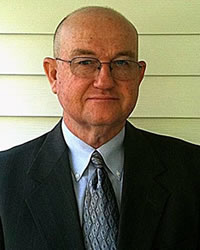
Gary Shepard is teacher and pastor of Sovereign Grace Baptist Church in Jacksonville, North Carolina.

Comments

0 / 2000 characters
Comments are moderated before appearing.

Be the first to comment!

Joshua

Joshua

Shall we play a game? Ask me about articles, sermons, or theology from our library. I can also help you navigate the site.