Bootstrap
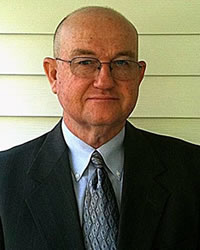
Gary Shepard

Partakers of the Heavenly Calling

Hebrews 3:1
Gary Shepard October, 28 2012 Audio
0 Comments
Gary Shepard
Gary Shepard October, 28 2012

Sermon Transcript

Auto-generated transcript • May contain errors

100%
Turn back in your Bibles to where
we read in Hebrews chapter 3. And I want you to look again
at that first verse. The apostle says, "...wherefore,
holy brethren, partakers of the heavenly calling, consider the
apostle, and high priest of our profession, Christ Jesus." Now,
oftentimes in this world, I have religious people, especially
if they find out that I'm a preacher, they immediately begin to call
me brother. Brother this, brother that. And I'm not always comfortable
with that. Because a word like brother,
and especially as we find it here in this verse, brethren,
that signifies a relationship, a family. relationship. And our Lord did not in any way
enter into that kind of general, generic, brother this or brother
that. As a matter of fact, He said
to the most religious of His day, the Pharisees, you are of
your father, the devil. They were not in the same family,
because they did not have the same father, and therefore they
could not have been his brethren, and neither can they be mine."
You see, in Scripture, there are many names, many descriptive
names given for the people of God, the true people of God. They're called, as he does here,
brethren. They're called saints. They're
called the children of God. They're called the elect of God. And when you come to this verse,
the Spirit of God He refers to them and He says three things
about all true believers, all who trust the true Christ. Number one, He says that they
are all holy. Not some are more holy than the
others. They're all holy in Christ. They're all holy brethren. And then number two, they are,
as he says here, they're all brethren. They're not some who
are big, and some who are less, and some who are super citizens
in the kingdom. They're just all brethren. And maybe one of the greatest
distinguishing names or titles or things that are said about
them is in this verse, he describes them as partakers of the heavenly
calling. That's what I want to talk about.
Partakers of the heavenly calling. Because this calling is obviously
not a calling of earth, but as is said, it is a calling from
heaven. It is the call of God. And when you look back over in
the book of Romans, in Romans chapter 8, we find this very
same kind of description in Romans 8, when he says in verse 30,
in describing the people of God, he says, "...moreover whom?"
He's not talking about a what in the beginning here, he's talking
about people, individual, these brethren, he says, moreover whom
he did predestinate, them he also called. They are partakers
of this heavenly calling, and whom He called, them He also
justified, and whom He justified, them He also glorified. They are partakers of this heavenly
calling. They're in this fellowship as
brethren, and all these are associated with this calling. As a matter of fact, if you look
back in verse 28 of Romans 8, It says, "...and we know that
all things work together for good to them that love God, to
them who are the called according to His purpose." They're called. And Paul, when he begins this
epistle to the Romans, before he ever gets out of his greeting
in that first chapter, he says this of them, writing to these
believers in Rome, he says, "...among whom are ye also the called of
Jesus Christ." The called of Jesus Christ. And you have to
see when you read such as verse 30 and verse 28 and all these
places, that God is an absolute sovereign in this calling. In other words, He calls whom
He will because they are the called according to what? Somebody said everything God
does, He does on purpose. He does everything according
to His own purpose. Let me read you something He
says concerning Himself back in Isaiah 14. The Lord of hosts hath sworn,
saying, Surely as I have thought, so shall it come to pass. And
as I have purposed, so shall it stand." He follows that with
an illustration. that I will break the Assyrian
in my land, and upon my mountains tread him underfoot. Then shall
his yoke depart from off them, and his burden depart from off
their shoulders." This is the purpose. that is purposed upon
the whole earth, and this is the hand that is stretched out
upon all the nations, for the Lord of hosts hath purposed,
and who shall disannul it?" and his hand is stretched out, and
who shall turn it back?" They are called according to His purpose. Not their will, not some preacher's
will, but according to His purpose. Paul says in Ephesians 1 that
he works all things according to his own purpose and will. This calling that the apostle
is talking about has as a part of it a number of various things,
the first meaning being that they are named. To be called
of God is to be named of God. And that 30th verse of Romans
8, that word called there, can mean just exactly that. They
are named of God. It's not a random thing. It's not a general thing. It's
a very particular thing. They're the called of God. And then also, without a doubt,
absolutely, to be called in this sense of calling means to be
effectually called. It means to be called to Christ
by the irresistible grace of God. Now, man by nature does
not like that term. But if the Lord is pleased to
save us, show us what we are in ourselves, and what is necessary
to save us, that term, irresistible grace, will be a wonderful thing. They resist Him, but they never
resist Him successfully. And then also, it means a vocation. It has to do with a service,
and that certainly does apply also to every believer, so that
all of these usages and all of these meanings of this Word and
this calling, they all apply to those the Lord saves. And so if we're not partakers
of this heavenly calling, we're certainly not in this family
relationship with God, we're certainly not brethren with the
people of God, and so we have no reason or right to make such
an assumption. These are partakers of the heavenly
calling. And they are those who are, as
he says, the called of Jesus Christ, who were sinners, being
redeemed on the cross by the blood of Christ, and therefore
called to Christ. Their answer to this call did
not put them in Christ, It did not decide whether or not His
work was effectual on their behalf or not. What He did, the Holy
Spirit, on the basis of that, comes in power to them with this
heavenly calling. They are called, mightily called,
to Christ. And the truth is, this book shows
again and again how that all of the elect shall be called. And these that he calls, they
are called, it says, from death to life. He's not just saying,
God calls, and if somebody will answer, everything will be well
with them. But God calls effectually and
applies this salvation in Christ to them by His Spirit. They are
brought from death to life. They are brought from unbelief
to faith. Now, I realize, although I'm
not altogether a subscriber of this in general. But I realize that it could be
said in a very general sense that all who hear the gospel
are called, but those who are saved, those to whom God the
Spirit makes it effectual, they are the called of Christ Jesus. And they are called in this heavenly
calling by the Spirit of God, called internally and effectually
and irresistibly by God the Spirit. Did you ever notice how that
the very people who make the very most outwardly of the Holy
Spirit, talk most about the Spirit, they render the Holy Spirit the
least able of the persons of the Godhead to do anything. You can feel Him. You can be
excited by Him. You can be enabled to do this
and enabled to do that. But they say you can ultimately
resist Him and the work He would do. Well, is there any chance
that the work that God the Father has already accomplished and
the work that God the Son has already accomplished, that the
Spirit of God, the third person in the Godhead, that He will
be any less effectual? Not going to happen. It's not
going to happen. Because these that are called,
are like those who were at Thessalonica when Paul writes in that first
epistle and says that their election, that their redemption, and that
their calling was made manifest by the fact that the Word of
God That Word that He Himself preached to them, the Word of
God, came to them, not in Word only, but in the power of the
Holy Spirit. You see, salvation comes to these
chosen and redeemed sinners in the experience of grace. We have in God the Father, in
His election and love and choice of us, we have grace to us. And in the work of God the Son,
in all He accomplished in His life and cross death, we have
the work of God and the work of grace for us. But in this
calling, We have the experience and work of grace in us. You see, God must not only love
us and choose us, He must not only redeem us from our sin,
pay our sin debt, He must also, in order to save us, call us
and bring us out of that state that we're in naturally, give
us life and light and faith whereby we are brought to the Lord Jesus
Christ. Christ said, You can't see the
kingdom of God. You can't enter the kingdom of
God unless you be born from above. Unless you be born of the Spirit
of God. And David expressed it like this. This is so plain and the order
is clear. He said, blessed is the man. I don't know how many times this
week somebody has told me that I was blessed or that they were
blessed. It's just an old worn out cliché
that in every few years or something comes along in religion. You're
either this, that or the other when someone... How you doing?
I'm blessed. Well, this is what David said.
He said, blessed is the man that God chooses and causes to approach
unto Him. He causes us to approach unto
Him. And the apostle in another place,
speaking of this heavenly and holy calling, when he writes
to Timothy, he includes himself with all the Lord's believing
people. This is what he says. He says,
God has saved us and called us with an holy calling. God has saved us. He says, and
then He calls us. I remember hearing Brother Tim
James say one time, I heard him on that very verse, he said,
it's like God has done something for us, and then He picks up
the phone and calls us and lets us know exactly what He's done
for us. He does that. But we're in such
a state. He says, He has saved us and
called us with an holy calling. And any calling that has anything
to do with our works, it can't be a heavenly calling. He says,
not according to our works, but here it is again, but according
to His own purpose and grace. which was given us in Christ
Jesus before the world began. You see, the reason He calls
us in time is because in His purpose and in His grace before
the world was, He gave us this and blessed us with all these
spiritual blessings in Christ Jesus. He says, but now it's
made manifest by the appearing of our Savior Jesus Christ, who
hath abolished death, Christ abolished death for His people,
and hath brought life and immortality to light, Life and immortality
was always in Him who is life and through His work and death,
but He's brought it to light through the gospel. Paul experienced this. And when he writes to those Galatians,
he begins in certifying that his gospel is not of man, but
of God. And he says, but when it pleased
God who separated me from my mother's womb and called me by
His grace, there never was a reason in me for Him to call me. There
was every reason in me for Him to leave me to myself and in
my sin, but He called me by His grace. That means if the Lord
has called us with His heavenly calling, we don't have any reason
to boast or brag. We don't have any reason to exalt
ourselves above other sinners. If He's called us, if He's revealed
the truth to us, if He saved us, it's all of His grace, and
therefore all of His glory. all throughout the New Testament.
He describes it in various ways. He says it's the high calling
of God. Comes from on high, brings sinners
up on high. He describes it as the calling
of God. That God would be mindful of
us. That God will look upon worms
in the dust like we are. that God would have any inclination
to be merciful or gracious to us like little specks of sand
on a big desert. It's a calling of God. He calls
it your calling. In other words, it's not just
a general call, but it is a particular individual, effectual calling
of the individual sheep to the shepherd. And as in our text,
it's this heavenly calling, heavenly calling. All that heaven stands
for, all that heaven is, it is a call of God to Christ and therefore
to heaven. But we always need to make sure
that We realize that this is not merely a theological term. We don't just say, we believe
this, A, B, C, D, E, we believe five points, we believe this,
we believe in effectual calling. It's not merely an effectual
call, but it is described in the Bible in unmistakable terms. He says He's called us. from
darkness." Now you think about that, darkness to light. Turn over to 1 Peter and listen
to how the Apostle Peter describes the Lord's people. Now he's writing
this epistle, as all these epistles are, to those who believe. Not just in his day, but every
day, he gives this description in 1 Peter 2 and verse 9. He says, "...but ye are a chosen
generation." That word generation signifies all the elect of God. And then he says, "...a royal
priesthood and holy nation." Everything is very nationally
oriented right now. We're talking about our nation
going to pot, our nation this, our nation that. When in truth,
God's people are first a part of this holy nation. And the other nation is going
down the tube sooner or later, just like every nation before
us has. I pray that God will have mercy
upon us. But you can bank on this nation
standing right here, this holy nation. This nation whose God
is the Lord. He says, a peculiar or a distinctive
people that you should show forth the praises of Him who hath called
you out of darkness into His marvelous light. Had to be God. It had to be God because only
He is light and because all we are, every fallen son and daughter
of Adam, all we are is darkness. He has to bring us like He brought
those Hebrews out of the darkness of Egypt into the light. And as in creation, just as this
symbolizes it for us, God speaks that command to a sinner in his
darkness and in his death, just like He did in creation. In other
words, we have a picture of this new creation in the old creation. He says, let there be light.
There was light. You and I were in darkness. If
we're believers this morning, If we have some knowledge of
God, if we are enabled to see the true God as He is in this
book, it's just because in power, the power that is really greater
than the natural creation power, He spoke to our souls, came into
our darkness and said, let there be light. And I can tell you
this, The greatest darkness is the darkness of that sinner,
lost and deceived in religion like most were, like Saul of
Tarsus was, like all the Jews he saved were. That's the greatest
darkness. And so he brings us in this,
He causes us as was prophesied concerning the coming of Christ. He said, and the people that
sat in darkness, they've seen a great light. And He brings
us from our ignorance. You know who knows just how ignorant
they are? Those who are brought to the
light. You are blindfolded. and taken into the most filthy,
vile place, building. And you're sitting there in that
place, the only way that you would ever know what your real
condition was, maybe with great danger all around you, if somebody
came and threw open the door and took the blindfold off of
you, you'd only know that you had been in darkness when you
were unable to see. That's what Saul of Tarsus is
doing as the Apostle Paul when he says, I was before a blasphemer. When did you find that out, Paul?
After that heavenly call. after God came to his ignorance,
and he found himself among those described in Scripture as all
God's elect, or as being taught of God. He brings them from their
ignorance and from their blindness and from the prejudice. and the
self-righteousness of their fallen hearts and minds." You see this
darkness. This darkness is as far as is
shown here in the Scripture. This light comes to sinners who
are totally in the dark as to who God is. They're deceived. They think He's only love. And
they think His love is like their love. They're in darkness as
to who He really is. And they're in darkness as to
what we are. Walking around here like little
peacocks in this world. Strutting our stuff, telling
God and anybody who will listen to us just how good we are, just
all the things we've done. My friends, that's darkness.
You find a sinner who's going around telling you how good they
are, telling you what they'd never do, telling you how God
has blessed them because of what they are or have done, you'll
find a sinner in darkness. They're in darkness as to who
Christ is. They talk about somebody named
Jesus. But he proves out to be, in the
final analysis and in the light of Holy Scripture, he proves
out to be what Paul called another Jesus. But not only are they
in dark as far as to who He is, but most especially, they're
in the dark as to what He's done. I hear people talking all the
time about one they call Jesus, and they tell all about what
He's made available and possible, what He would like to do for
others, and all these things. And when they talk in those terms,
it becomes obvious to any soul who's been brought to the light
that they're still in darkness. They don't really know why He
came. They don't really know why He's hanging there on that
cross. They don't really know what He accomplished. They feel
like it was things gone wrong, or an accident, or man and the
devil triumphing in some way. When all the time it was purposed
of God, He came to lay down His life for His sheep in order to
save them, redeem them from all their sin, pay their sin debt,
and suffer for the unjust to bring them to God. But they're
in the darkness. Have no understanding as to what
sin really is. Have no understanding of the
Scriptures. Oh, men can quote the Scriptures. You could just not even begin
to imagine the volumes after the volumes of books and commentaries
and writings and treatises written by men who, in light of the truth,
are nothing but darkness concerning Christ. They have no understanding
of the gospel. Not really good news to them.
It's just somebody proclaiming another work for them to do.
They have no understanding of God's purpose. They don't know
anything about the will of God. They know a lot, they say, about
the free will of man. They know nothing of His providential
workings in the world. They know nothing about what
God is doing or the fact that He's really doing everything.
And Paul describes us in Ephesians 4. He says, "...having the understanding
darkened, being alienated from the life of God through the ignorance
that is in them because of the blindness of their heart." It's
a heart problem. Men don't know the truth, first
of all, because they don't want to know the truth. They will
say that they can do anything they want toward God, not realizing
that that's the problem. God has to do something to our
wanter, if you will. But all through the epistle of
1 John, and all because of the grace and the power of God, all
because of this heavenly calling by the Spirit of God, John keeps
saying, But we know. There have gone out many antichrists. There's deception on every hand. But of the people of God that
he writes to, he says, we know. We're not in that darkness. Oh,
we don't have a perfect understanding. I don't. I can't just open the
Bible and look at a verse of Scripture and just write you
a commentary on that verse right off the spur of the moment. I
don't have an answer to everything. I was so glad when the Lord showed
me that I don't have to be able to answer every man's question. But John says, you have an unction
from the Holy One. You have an unction. That's not
a word we hear too much of anymore. You have an unction from the
Holy One, and you know all things." He didn't mean that they knew
everything that was to know, that they understood everything
that there was to understand, that they could explain everything
that needed to be explained. But he says, as far as those
things that are vital to life and salvation and eternal glory
and the matter of our sin, you know all things. Turn over to
2 Corinthians. Because in 2 Corinthians, in
that fourth chapter, listen to what the Apostle writes to these
Corinthians. Now, they had a lot of problems.
All throughout the books of 1 and 2 Corinthians, Paul is having
to scold them about things, rebuke them about things, talk about
moral failure, talk about one thing and another, tell them
to get along. They had some problems. They
were even kind of messed up over gifts. But they weren't in the
dark. 2 Corinthians 4 and look at verse
3. He says, but if our gospel be
hid, I can tell you this, there are a whole lot of people who
claim they know the gospel. They don't even know where to
begin with the gospel. You say, well preacher, do you
know where to begin with the gospel? I absolutely do. The gospel begins with God. He
says, "...if our gospel be hid, it is hid to them that are lost. In whom the God of this world
hath blinded the minds of them which believe not, lest the light
of the glorious gospel of Christ, who is the image of God, should
shine unto them." Well, that's a bad state to be in, isn't it?
I'd say it's a hopeless state. Hopeless as far as they are concerned,
hopeless as far as the preacher is concerned. So what are you
going to do, Paul? He said, for we preach not ourselves,
but Christ Jesus the Lord, and ourselves your servants for Jesus'
sake. in this knowledge, with this
in our mind and heart, in this realization and understanding.
For God, who commanded the light to shine out of darkness, hath
shined in our hearts. The only reason that we know
it is because He came to our darkness, He called us with His
calling, and brought us to Christ who's the light. To give the
light of the knowledge of the glory of God in the face of Jesus
Christ. And He said, we're just clay
pots. But bless God, we've got a treasure. What is that treasure,
Paul? The gospel. The gospel. And when you look on down here
in this same chapter, moving on, or rather, coming on to where
he talks about how that Christ, being that light of God, is the
message that is preached. And through that message, all
throughout the next verses, He talks about God giving a revelation. Without a revelation from God,
men stay in darkness, they live in darkness, they die in darkness. Turn back over to 1 Corinthians
chapter 2. 1 Corinthians chapter 2. Now all
of this is simply that heavenly calling. called by the Spirit
of God, brought by the Spirit of God, brought from death to
life, from darkness to light. And he says here in 1 Corinthians
chapter 2, beginning in verse 9, he says, "...as it is written,
I hath not seen nor ear heard, neither have entered into the
heart of man the things which God hath prepared for them that
love Him." Now, why are these described as those who love Him?
Well, the Apostle says we love Him because He first loved us. His love for us is the cause
of any love we have for Him. He says, but God hath revealed
them unto us. That's Revelation. We don't find
out the truth. We don't come to know God. We
don't have this understanding by education or by any other
natural means. The only way is by revelation.
"...He hath revealed them unto us by His Spirit, for the Spirit
searcheth all things, yea, the deep things of God. For what
man knoweth the things of a man, save the Spirit of God which
is in him?" I don't know what's in your heart and mind. You might
be sitting there this morning looking at me with a smile on
your face and you say, I believe that's the ugliest man I've ever
seen. I don't know what's in your heart. And neither do we
know the heart of God unless the Spirit of God reveal it to
us. Now we have received not the
spirit of the world, but the Spirit which is of God, that
we might know the things that are freely given to us of God."
All these people who've got a fresh revelation from God. The Lord
woke them up that night, told them what to say, told them this,
told them that, and the other. Told them what you're to do,
told them what you're not to do. told them that you would
give them a thousand dollars a month, told them that you would
send in this and send in that. They got this extra-biblical
revelation. But I'll tell you what is the
litmus test as to whether or not this is of the Spirit of
God, whether or not this is actually from God, whether it's a real
revelation. He says that we might know the
things that are freely given to us of God. What is that but grace? Freely
given to us of God. You see, that's the only way
that the gospel could be good news to sinners. Sinners who
are in darkness and blindness and Death, the only thing that could
ever be good news to them, is the revelation that God has given
to us all these things freely. And the Spirit of God, Christ
said, He'll take the things of mine and show them to you. Have you seen anything from God?
Let me read you a verse. This struck me. Because it's
in a place to show in a picture the difference between having
a few facts, and through those facts, this truth being able
to see Christ. Our Lord, it said, had needs
to go through Samaria. And when it says he had need
to, it means that in order to fulfill his purpose and mission,
this was part of it. So he went through Samaria and
he saw a woman at a well. She saw him. He asked for a drink. She thought that was very strange. But in verse 25, After he says that God is a Spirit
and they that worship Him must worship Him in spirit and truth,
she knew some things, but she didn't know the truth. The woman
said unto him, I know that Messiah comes which is called Christ,
and when He is come, He will tell us all things. Well, that
was true, wasn't it? That was true. But she was standing
right there and looking at the Messiah. She just drew him a
drink of water. She didn't really know him. She
didn't know really who he was. But look at this next verse.
Jesus saith unto her, I that speak unto thee am he. The light switch goes on. The
day star rises. She sees. She sees because now
He's enabled her to believe. And she leaves her water pot.
She goes back into the city and says to the men, who are the
only ones who will speak to her, come see a man, which told me
all things that ever I did. Is not this the Christ? This
is Him. How did she know that? Because
He revealed Himself to her. The one that's talking to you,
I'm the Christ. I'm the Messiah. Well, how does
God call His people? How does God, the Holy Spirit,
who is spoken of by Christ as the Spirit of Truth, how does
He call the Lord's sheep unto Christ? Turn over to 2 Thessalonians. 2 Thessalonians. And that second
chapter where Paul so clearly, so precisely sets these people
in the church at Thessalonica as believers, as God's elect. He says in verse 13, "...but
we are bound to give thanks always to God for you, brethren, beloved
of the Lord. Because God hath from the beginning
chosen you to salvation through sanctification of the Spirit
and belief of the truth." There's no election, there's no love
of God apart From that people, through a work of the Spirit,
being brought to believe the truth. But look at that next
verse. Whereunto He called you, they
were partakers of this heavenly call. He called them, Paul says,
by our gospel. And by that he means the gospel
of Christ, the gospel by which all of the Lord's people are
called unto Him." Our gospel. Not their gospel. Our gospel
with regard to the people of God, the people of His grace,
set in contrast to the gospel of this world that Paul called
another God. Our gospel. You know, I'm glad
that my gospel is the same as Paul's gospel, to the obtaining
of the glory of our Lord Jesus Christ. He calls us by His Gospel. He calls us by the Word of Truth. He calls us unto Himself as He
reveals Himself to us through the Gospel. In Hebrews, where
our text is, the Apostle begins with this. He says, God, who
used various prophets who spoke in various manners, all through
times past the Old Testament, He has in these last days spoken
unto us by His Son." In other words, it's just like Christ
says in John. He said, no man hath seen God
at any time. But the Son hath declared Him."
And that means literally something like this, has told Him out. In other words, all we'll know
about God, and especially all we'll ever know and receive of
God's grace, is in the Lord Jesus Christ. He's spoken to us, called
us in His Son. Well, those who are called, Holy
brethren, these partakers of this heavenly calling, how do
they regard Christ? Well, He's their great Apostle.
Paul and Peter and James and John, they're all Apostles. That
word means one sent forth. But He's the Apostle. He's the
one sent from God. He's the one who speaks for God. He's the one who represents God
to man. We don't look anywhere else.
We don't need any other mediator. All that we're to know of God,
and especially all the blessings of God, they're in Christ. And He's also, not only the Apostle,
but He's our High Priest. We don't need an earthly priest.
Let them have their Halloween 365 days a year if they want
to and dress up in their funny suits and funny hats and funny
necklaces and funny shoes and all that kind of stuff and parade
like the parade of clowns year round, call themselves priests,
wear their funny collars. We have a great high priest.
He has an unending priesthood because he's the eternal priest.
He offered that one sacrifice for our sins forever. We don't
need any new sacrifices. You see, a priest is the one
who represents men to God. We have a priest. We have the
priest. We have the one priest God appointed
whose sacrifice God has already accepted. We have a priest who
lives forever, seated at the right hand of the majesty on
high, and he ever lives to intercede for us. He's made that throne
of glory and justice and holiness and righteousness a throne of
grace to us in Himself. He called us. And when He calls
His people with His heavenly calling, He doesn't call them
to the front of a church. He doesn't call them to a priest
on earth. He doesn't call them to a baptismal
font or pool or whatever it is. He doesn't call them to a location. He calls them to His Son. Christ
said, everyone that's taught of the Father, everyone that
actually learns of Him, they come to Me. They're partakers. And that word actually has with
it, as it does in so many places, the idea of fraternity. They have this in common with
their brethren. They're partakers of this heavenly,
gospel, spirit-wrought calling by which they're brought from
this darkness to light in Christ. from this death to life in Christ,
never to leave it again. They're in the dark still about
a lot of things, but not about Christ. May the Lord be pleased,
if He hasn't, to call you unto Himself. Father, we pray this
day and give you thanks for that great mercy and grace wherein
in Christ you saved us and called us. You brought to our death
life and immortality through the gospel, through this good
news of Jesus Christ and what you in grace have given us in
Him. Things freely given. Enable us
to see. Enable us with that life which
is demonstrated in faith that lays hold of the promises that
are yea and amen in Christ. We'll give you thanks and praise
and glory forever and ever. We pray all things, ask them,
stand before you in our Lord Jesus Christ. Amen.
Gary Shepard
About Gary Shepard
Gary Shepard is teacher and pastor of Sovereign Grace Baptist Church in Jacksonville, North Carolina.

Comments

0 / 2000 characters
Comments are moderated before appearing.

Be the first to comment!

Joshua

Joshua

Shall we play a game? Ask me about articles, sermons, or theology from our library. I can also help you navigate the site.