Bootstrap
Gary Shepard

The Indescribable Gift

2 Corinthians 9:15
Gary Shepard December, 25 2011 Audio
0 Comments
Gary Shepard
Gary Shepard December, 25 2011

Sermon Transcript

Auto-generated transcript • May contain errors

100%
2 Corinthians and the 9th chapter. The apostle Paul has been instructing
these Corinthian believers in the matter of generosity, in
the matter of giving toward the needs of their brethren, in the
matter of giving toward the work of God. And in this instruction,
he reminds them of the very principles of grace. He says, "...freely
ye have received, freely give." And he talks here about this
grace and joy of giving, and then as he does, as he does in
every place where we find instructions with regard to the life of believers,
in order to motivate them in a proper motivation, He reminds
them of God's great gift to them. Look down at the last verse,
verse 15 of this 2nd chapter of, or this 9th chapter of 2
Corinthians. He says, "...thanks be unto God
for His unspeakable gift." And he's talking here about God's
gift to his elect people. His indescribable, inexpressible,
free gift. James makes this statement. He says, every good gift and
every perfect gift is from above, and cometh down from the Father
of lights, with whom is no variableness, neither shadow of turning." He
is the unchanging God. And as I said, this unspeakable
gift This immeasurable and inexpressible gift is none other than the Lord
Jesus Christ. He is this gift. And that's what we find, at least
in part, in what He says to us in John 3, in that 16th verse. Because he says, for God so loved
the world that He gave His only begotten Son. In other words, Christ is God's
gift and He is the gift of His free grace. And one thing this
makes obvious in the very outset of even looking at it is, this
rules out all of our thoughts of human merit as being any part
of our salvation. If it is in this One who is Himself
the gift of God, then there cannot be any human merit added to it. And not only that, but if He
is the gift of God, this unspeakable gift, we are to remember that
He is just that. He is a gift and not an offer. God gave His Son, not offered
His Son, and He is God's salvation, and God's righteousness, and
God has given in Him not only all things, but all spiritual
blessings. He has, before the world began,
blessed or given to His people a people in Christ. Before that
world ever was created, He gave to them in Christ every spiritual
and eternal blessing. And if you stop and think about
who He is, being God manifest in the flesh. If you stop and
think about who He is, we'd have to confess that there is no way
that we could ever earn Him or deserve Him. He is God, the very
Lord of heaven, and no sinner can ever deserve God. He does not make Himself to be
an offer, but He is this gift, and we are plainly taught that
in the Scriptures. Listen to Romans 6. He says,
"...for the wages of sin is death." In other words, that is what
a sinner deserves and earns and merits. And apart from Christ,
exactly what he'll get. And then he follows that in contrast
and he says, but the gift of God. But the gift of God is eternal
life through Jesus Christ our Lord. He is the gift of God,
and in Him, He gives the gift of eternal life. John follows
that himself in 1 John 5. He says, and this is the record. This is the final say. This is the public record of
Almighty God. This is the word and promise
and covenant of God. This is the record that God hath
given us, or given to us, eternal life, and this life is in His
Son. He is this unspeakable gift. He is the unspeakable gift of
God in whom He gives eternal life. And you know, if you know
anything about the Scriptures and what it says about what we
are and what we deserve, It is amazing that we would ever be
given such a gift from a God of inflexible justice and perfect
holiness. This isn't like giving to like. This is the inflexibly just and
holy and righteous God giving to a bunch of sinners a gift
which is nothing less than His Son and eternal life. Listen to what Paul writes in
the epistles such as Galatians 1. Speaking of Christ, he says,
"...who gave Himself for our sins, that He might deliver us
from this present evil world according to the will of God
and our Father." Christ being that second person of the Godhead,
as much so as the Father and the Spirit freely and willingly,
voluntarily gives Himself in order to accomplish a certain
purpose. He gave Himself for our sins
in order to deliver us from this present evil world according
to the will of God. Listen to him again in Galatians. He says, "...I am crucified with
Christ, nevertheless I live, yet not I, but Christ lives in
me, and the life which I now live in the flesh, I live by
the faith of the Son of God, who loved me, and gave himself
for me." And when he says that he gave himself for me, he means
he gave himself in my place. Gave himself to suffer in my
place. And then he writes to Titus.
And he says, "...who gave himself for us, that he might redeem
us from all iniquity, and purify unto himself a peculiar people,
zealous of good works." In other words, all of our purification
in its entirety, All are being redeemed from all iniquity. All of it is accomplished through
Jesus Christ who gave Himself for us. And we have nothing of
ourselves that appeals to God. We have nothing in ourselves
or that could be done by ourselves that pleases God. We have nothing
that draws God to reward us in any way. It is all in this gift
of the Lord Jesus. Paul says, for you know the grace
of our Lord Jesus Christ that though He was rich, He wasn't
in need of anything or of anybody. Nothing could ever be added to
His glorious and eternal perfection. But doing what he willed to do,
he says, he was rich, yet for your sakes he became poor, that
you through his poverty, through his poverty, might be rich. You see, if we have any understanding
of the gospel, if we have any understanding of what is actually
being said here in the Scriptures, and most especially in the New
Testament. We would have to know, if we
know something about His work, we would have to know it has
to be a gift because it is His death. Listen to Paul when he
writes in Romans 3. He says, "...being justified,
or having been justified freely by His grace, through the redemption
that is in Christ Jesus. When you read that phrase there
wherein Paul says, freely by His grace, that is the same word
wherein another place it was said of Christ that they hated
Him without a cause. So what Paul is saying is that
those who are justified by God, that is, those who are declared
righteous by God, they are declared righteous by God in His sight
freely without a cause in themselves. But it is rather through the
redeeming work of the Lord Jesus Christ. Then he says this in
Romans 8, he continues everywhere like this, "...he that spared
not his own son, but delivered him up for us all, how shall
he not with him also, in him also, because of him also freely
give us all things?" Everything. But he is not the gift of God
in some abstract mystical sense. Turn back over to Romans chapter
5, and listen as the apostle gives this very clear instruction
as to who and what the Lord Jesus Christ is as this unspeakable
gift. Now listen. Romans chapter 5. Because he's talking here about
two men. I always like to remind you of
this. God has only dealt with two men. They are both representative
men. What takes place in the one happens
to His people, and what takes place with the other happens
to His people. They're called federal heads. And that's what this passage
is all about. It's about the federal headship
of all who are in Adam, and also of all those who are in the Lord
Jesus Christ. Listen to what he says. Because
he is saying, comparing the offense of one and the gift of the other,
he's saying that in a sense, there's a similarity. Look here
in Romans 5 and verse 15. That's what this first statement
means. But not as the offense, so also is the free gift. The principle upon which each
is given or upon which each occurs is the same. He says, both come
by a representative man, the offense did and the gift does,
and they being the first and the second Adam. Actually, that's
not exactly right. You see, the Bible speaks of
the first Adam. You know who the first Adam is?
He was that one who represented us in the garden. He's that one
of whom it is said, in Adam all die. But the other Adam that
is spoken of is not actually called the second Adam, he's
called the last Adam. I sure am glad he's the last
Adam. There are not going to be any more Adams. There are
not going to be any more representatives. All of our race has been represented
in its entirety by that first Adam, and all of that people
chosen of God out of that race as the objects of His mercy and
grace, they've all been represented by the last Adam. Paul says, in Adam all die, but
in Christ they're all made alive. All who are in that first Adam,
that's all of us, all die. He said, but all who are in Christ,
they're made alive. You see, all people are in the
first Adam by nature, but not all people are in the last Adam,
Christ, which is by grace, which is by a sovereign act of God's
choice and will, and there will be a difference. There will be
a difference. Look down at verse 15 again. For if through the offense of
one, And actually, I believe in the Greek there, there's a
kind of a definite article there, through the offense of the One,
the representative One, Adam. He says, for if through the offense
of One many be dead, much more the grace of God, and the gift
by grace which is by the one Man, Jesus Christ hath abounded
unto many." There's a difference. What do
those in Adam get? What happens to them in Adam? as a result of his fall in the
garden. What happens to his people that
he represented is so far different from those in Christ that he
represented. And the excellency in the gift
of Christ, the excellency of what we receive in Christ is
more in its gain than that which was lost in Adam." Those who
are in Christ, they gain much more in Him than was ever lost
in the first Adam. Paul says it has abounded. And Paul is speaking here of
the power and the efficacy of God's grace in Christ much more
than he's talking about any number. That's always what it gets down
to. Somebody's always concerned if it's not all, they'll have
nothing to do with it. But if it would be all, truly
all, then all would be saved, and we know God has said, that's
not happened. But the truth is, the many that
God always talks about, that Christ gave His life a ransom
for many, they'll all be saved. Because He's not an offer, He
was a gift. Can you imagine glorifying a
bridge maker? We've got a bridge being built
across the New River right now. Can you imagine a bridge maker
being exalted and being praised and being glorified because he
made a wide bridge, but it didn't go all the way across the river?
Oh, he built a fine bridge. He built a bridge that was so
wide that every person in all of Onslow County, every person
could get in a car or stand in a line, and they could stand
there and they'd be able to stand and all get on that bridge. Just
one problem. It didn't go all the way across.
You see, the design of God in salvation, is not only to glorify
Himself in what Christ accomplishes in that salvation, but it is
to save everyone that Christ stood for, represented, died
for. And you can just mark this down.
The glory of God does not depend on Him saving every person of
Adam's race. The glory of God depends solely
on Him saving everyone that He purposed to save, that He determined
to save, that He sent Christ to die for to save. And I tell
you, every one of them will be saved. Look at verse 16. And
not as it was by one that sinned, so is the gift for judgment,
for the judgment was by one to condemnation." Condemnation came
in that first Adam. A just judgment. demanded condemnation
on every one in Adam, the first, because of sin. In Adam, what? All die. By one man, sin entered
into the world, Paul says, and every one of his race, they actually
sinned before God in him. And somebody says, I'll not buy
into that. I want nothing to do with a God
who will condemn a whole race of people on the basis of an
act by one man. Well, just perish in your sins. Because it's only by that same
principle, God doing that same thing, that He would save those
He does save by virtue of what the second man does. You say,
I'll have none of that. Well, you'll have none of God's
salvation, because all He could ever do to you and to me and
ourselves is to damn us. If He doesn't look upon us in
Christ, if He didn't choose us in Christ, if He didn't entrust
us into His care to be our Savior, to be our Redeemer, then we'll
just perish. We'll just reap the wages of
our sins. But there is a difference in
Adam and in Christ, the gift, not only in their persons, but
also in their acts and the extent of them. That one sin of Adam
condemned us, but the free gift and grace of Christ absolves
us, not only of that one sin, but of all of the sins and offenses. In His death, it pardons not
only our original sin, but all personal and all actual acts
of sins. And that's why He's the unspeakable
gift. He was talking about this gift.
Look down at verse 17. For if by one man's offense,
death reigned by one, what happened? What happened when Adam sinned
in that garden? God had said to him, in the day
that you eat thereof of that tree in the midst of the garden,
you'll surely die. Adam ate. He's still walking
around. Well, God must have missed that
one. No. When he ate, That tree, that
fruit, in direct rebellion against the clear command of God, he
died to God. He died to everything spiritual. He died to the truth. He died
to favor. And the evidence of that was
that he and his wife immediately went and hid themselves from
God. They immediately went and tried
of their own selves to sew up aprons or tunics of fig leaves
to cover their nakedness. My friend, I'm going to tell
you this, whenever a sinner, and that's what we all are, whenever
a sinner seeks of their own self, either by what they quit doing
or by what they do, or by what they plan to do, or by what they
say, or anything that can be attributed in any part to them,
when they seek to stand before God and justify themselves on
that basis, that's the clearest evidence they're dead. Because
God calls all such works dead works. A dead work is simply
everything that a sinner does in order to establish a ground
upon which they can be justified before God, try to establish
a righteousness before God that he will accept and to gain or
to improve his favor by doing it. Paul spoke of his own people,
the Jews, especially that circle he came out of, the Pharisees. And he said, they have a zeal
toward God. I'm telling you, they're dedicated
religious people. They're so dedicated, they weigh
out their tithe right down to the last spice. They do all these
things. They have a zeal toward God. Just like all this world has
a zeal toward God. Greatly manifest, I'm sure, this
day. But he said, it's not according
to knowledge. It's according to tradition.
It's according to feeling. It's according to man's teaching.
He said they teach the commandments of man for doctrines. He said,
it's not according to knowledge. Because they, being ignorant
of God's righteousness, are going about. They're busy. They're busy. Such seasons as
this is when you can hear about all the busyness of religion.
We're going to do this. We're going to do that. We're
going to have this. We're going to have whatever.
Just they're so busy. He said, they going about. to establish their own righteousness. Which God says of man's righteousness,
on your best day, it's nothing in God's sight but filthy rags. All our righteousnesses, ours,
are as filthy rags. We cannot do right so as to please
God. to the saving of our souls."
But he continues in verse 17, he says much more, "...they which
receive abundance of grace and of the gift of righteousness."
Did you see that? That's what Jesus Christ is to
His people. He is in His life and in His
death the gift of righteousness. In other words, the righteousness
that God freely gives to His people in Christ is the only
one He'll accept. Paul says in 2 Corinthians 5,
that God hath made him, this one who knew no sin, to be made
sin for us. Why? That we might be made the
righteousness of God in him. He's the only righteousness there
is. His work as that one who came
and died as this representative man for his people is called
the work of righteousness. Daniel said of the Messiah, he
said, when He has come, He'll bring in everlasting righteousness. You see, the only righteousness
there is, is that righteousness which Christ established. and by His dying for our sins
showed that God was right and just to forgive everyone He died
for because of His sacrifice and shedding of His blood in
the payment for their sin. You see, God would not be right.
He would not do right. He would not be righteous if
He accepted a bunch of sinners who not only have sinned, but
have sinned even more greatly in trying to save themselves,
He would not be right to accept them, or forgive them, or receive
them into heaven. But I'm telling you this, these
who receive the gift of righteousness, the gift of this crucified Christ,
the sacrifice which God gave and appointed and will receive. They, every one, will be received
of God, they have been blessed by God, and they'll be taken
to heaven by God justly in the Lord Jesus Christ. They don't
have any sin, because it says, He put it away. You say, I know
we're saved by grace, but that's what all the goats say, but,
but, but. It's the gift of righteousness.
Suppose you had given someone a gift this morning that you
loved and you had sacrificed maybe the whole year to give
them a gift. And you thrilled at the thought
of giving it to them. And by the way, that's where
all joy is at really anyway, in that department. And they
reached in their pocket when you gave them that gift, and
they said, well, here's the money for it. It ceases to be a gift
right then. It's only a gift if it's actually
received. And if all God did was offer
something, You see, it wouldn't really be a gift because we're
in such an awful state that a dead man, that's the way he describes
us spiritually, you can hold out all your best gifts to a
dead man, he won't receive them. He won't receive them. He can't. He doesn't even know about them.
He doesn't have any power or ability to extend his hand and
take hold of him. You see, if it's a true gift,
it has to take in the reality of the situation of the one to
whom the gift's given. If you're going to give a dead
man a gift, what does he need first? He needs life. He needs life. If you're going
to give a dead man a pair of boots, a man who's a double amputee,
what does he need? He needs legs. You say, God gives
it if a person will believe. He can't believe. And that's
why Paul says, we're saved by the grace of God. For by grace
are you saved through faith. You'd think that verse ended
right there, wouldn't you? No. He says, and that not of
yourselves, it is the gift of God. Faith. Well, yeah, that's
right, but you've got to repent. Absolutely. You have to turn
from your way to God. It's repentance toward God and
faith in the Lord Jesus Christ. You've got to repent. But there's
one problem, you can't. Of yourself. Paul said to that
young man, he said, you go and preach. Because the servant of
God must be meek and he's to deal with people kindly, he's
to tell them the truth. And by the way, All this fake
kindness, all this fake love that goes under the banner of
religion is just that. It's fake. It's like a doctor
who says to his terminally ill patient, puts his arm around
and says, I love you, you'll be okay. Don't worry about it.
Rather than actually treat them, tell them the truth, and tell
them there's a remedy and a cure for it. He said, he's not to
strive, but in meekness, he's to instruct those that oppose
themselves. If per adventure of God will
grant them repentance. Repentance is the gift of God.
This is a perfect salvation. This is not God giving you a
toy and saying, what you need is the batteries. You can come
up with the batteries, this toy will work. Well, no. He knows our need. He knows that
what we have to have is the gift of righteousness. That it must
be imputed to us the very righteousness of God in Christ. That means
He must take what Christ is and has done and charge that to our
account. as He has charged our sins to
His account." Verse 18, he says, first he says in verse 17, "...the
gift of righteousness shall reign in life by one Jesus Christ. Therefore, as by the offense
of one judgment came upon all men condemnation, even so by
the righteousness of one." The free gift came upon all men unto
justification of life. Now you look at this next verse.
This is double barrel, full magnum force power right here. If you
ever are given of God some understanding of this, and enabled to have
confidence in it, and rejoice in it, He'll give you peace to
your soul. For as by one man's disobedience
the many were made sinners, so by the obedience of one shall
the many be made righteous." What was Christ's obedience?
He was obedient as a child, He was obedient as a man, He was
obedient under the law. All those things just simply
showed Him to be the sinless sacrifice. But if He had been
obedient in all things as a child, as a young man, as a grown man,
and just simply ascended back up into heaven, nobody would
be saved. But Paul says this, he said,
he became obedient unto death, even the death of the cross. And by this one man's obedience,
the many that he represents, all of which will be manifest
in time as the people of God, when he brings them to believe
on the Lord Jesus Christ, to hear the truth of Christ and
trust Him alone, the many are made righteous." In God's sight. I look at all of you and I got
a feeling that sometimes you just don't appear all that righteous.
But righteousness, and I say that with my finger pointing
back at myself, righteousness is a standing before God. It's
being declared righteous by God and before God based on the doing
and the dying of His Son, the substitute of His people. The
cross is not a symbol. It's an accomplished work of
the Lord Jesus Christ. So what do we do? You say, if
we don't do anything to save ourselves? If Christ is the righteousness
of God and we're made righteous in Him, it's imputed to us? If
He's the Savior and He does all the saving, if He's the Redeemer
and He's redeemed us to God by His own blood, what do we do? Well, we do what Paul did here.
He said, thanks be to God. Thanks be to God. Not the church. Not myself, not the preacher,
but thanks be to God for His indescribable, undeserved, immeasurable,
unchanging, saving gift. We glorify Him. When He sends
His Spirit to call out and make effectual in their hearts what
Christ has done for them, that's what they'll do. And they'll
confess something. This same man, this same Paul,
he was a big wheel in the Jewish Here he was a Pharisee of Pharisees. Here he was, he's the priest
student of that great teacher Gamaliel. Here he is the most
zealous man. He's going on his road to Damascus. He's going to get some people
who believe on Christ and preach Christ. He thinks he's doing
God a favor and he's going to have them stoned and cast into
prison and all that stuff. And when the Lord gets a hold
of him, and I'm telling you this, if he loves you with that everlasting
love, he loves you and he'll have you. He'll fetch you. He'll bring you. You can run,
but you can't hide from the everlasting God. You can fill your ears with
sounds, you can fill your life with activities, but you cannot
escape the Divine Presence. And He'll speak mightily to your
heart, and you'll know it's Him. And when He shows you what He's
done for you in the light of who you are, it'll be flabbergasting. Why did I run? Why did I hide
from such amazing love and mercy? Here I was trying to save myself. Here I was trying to hide from
the only one that could save me. Hide from the lover of my
soul. Oh, I just know, Adam, when he
heard that voice and then he went and hid even more there
in the garden. When God came to him, and took
him and Eve out of that mass of trees and stood them before
him, stripped them of that fig leaf self-made apron, and took
and made them coats of skins and clothed them. He showed them,
you will not be saved, you cannot be accepted in my presence by
what you've done. He took an innocent victim and
sacrificed. Because without the shedding
of blood, there's no remission of sin. And He covered them with
these coats of skins. He did it all. And in that, He
showed them and us that it's only through this righteousness
of Christ that He imputes as a consequence of His life and
death for our sins, that saves us. And He brings us to that,
and we see the worthlessness of not only what we try to do,
but of all that this world has to offer, that God has given
to us eternal life. We just say, thanks be to God
for His unspeakable gift. And we give Him all the glory,
all the glory. Our Father, this day we give
you thanks and we give you praise and glory for your great mercy
to a people in Christ. And we pray that we might be
found among that people. We desire no Savior but Christ. No life but that life that you've
given Him. And we thank you. We thank you
for that unspeakable, indescribable gift. We pray in His name, Amen.
Gary Shepard
About Gary Shepard
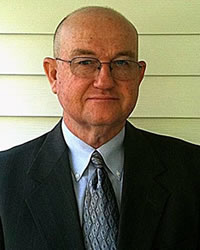
Gary Shepard is teacher and pastor of Sovereign Grace Baptist Church in Jacksonville, North Carolina.

Comments

0 / 2000 characters
Comments are moderated before appearing.

Be the first to comment!

Joshua

Joshua

Shall we play a game? Ask me about articles, sermons, or theology from our library. I can also help you navigate the site.