Bootstrap
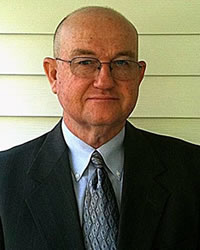
Gary Shepard

The Way To Hell

Proverbs 14:12
Gary Shepard December, 4 2011 Audio
0 Comments
Gary Shepard
Gary Shepard December, 4 2011

Sermon Transcript

Auto-generated transcript • May contain errors

100%
Turn please with me in your Bibles to the book of Proverbs. Proverbs
chapter 14. Proverbs 14. Recently, I overheard two men
talking. One was about to leave the other,
and so one asked the other, where
are you going? Just a plain question, where
are you going? And the other very quickly responded
to that question and said, to hell if I don't
change my ways. To hell if I don't change my
ways. And he said that in jest, I'm
sure. But I thought, as I reflected
on what he'd said, this is what most people really think. That salvation depends on something
that they do. And it depends in their minds
on their ways. And sadly, I thought, it just
shows that with what this man said and how he viewed it so lightly, that he was obviously spiritually
dead, without understanding. Two times here in the book of
Proverbs, the Lord God gives statements
that ought to come to every one of us as a sobering warning. Look down here in verse 12 of
Proverbs 14, where he says, there is a way
that seems right unto a man, But the end thereof are the ways
of death." And if you look over in Proverbs
16 and that 25th verse, he says it again, repeats it, Exactly
again, there is a way that seems right unto a man, but the end thereof are the ways
of death. And not only are these two statements
found here in the book of Proverbs, but the same thing is said many
times and in various ways all through this book. And we have this warning because
every person born in this world is born religious. You can go in the very darkest
part of Africa, where no religious figure has
ever traveled, and you will find there a religious people, and
idolatry of one kind or another, and imagined worship of one kind
or other, because everyone by nature is born religious. But that spiritual condition
in which we come into this world is such as we are born blind
and spiritually dead as sinners and all our natural thoughts
about God, all of our natural thoughts about salvation and
about ourselves are false. They are absolutely false. But that does not keep us from
sincerely believing them, and defending them, and promoting
them, and trusting them, and even dying with them. A multitude of people will die
a confident death, believing that which is absolutely false,
and go out into eternity to meet God. And if you notice here, the Spirit
of God directs the writer here to make us know that this way
seems right to us. It seems right to us. It seems logical to us, and natural
to us, and appealing to us. And because we're all the same
as sinners, it is always generally accepted by all of us. Seems right. Just seems right. But the truth is, it is not right
to God, who alone knows what is right, and who is himself
alone right. I wish we could all be brought
to an understanding that we do not know right by any earthly
measurement. We know right by virtue of what
God does and what God says. God, as the judge of all the
earth, Abraham said, will do right. And that's why He's given to
us the Scriptures. That's why we have His Word. And when we preach what God says,
what He really says, people say, you think you're the only ones
that are right, don't you? You people, you grace people,
you think you're the only ones that are right. No, we think
and believe that God Himself is the only one that is right. And that He has said to us, not
only what He says in these verses, but He said to us in another
place, He said, my ways are not your ways, and my thoughts are
not your thoughts. And there's a man by the name
of Naaman, he gives in Scripture, who's an excellent example of
this. He was a leper. And he sought
a cleansing and a healing for his leprosy. And when he came
down to the prophet of God, who prescribed for him at the command
of God that he go down into a muddy river and dip himself seven times,
he got mad. He said, I thought, I thought
surely, The man would tell me something to do. I thought surely
he'd wave his hand over my flesh or say some other words, maybe
of incantation. I thought he'd do it like this.
One of the servants said, you know, if he told you to do some
great thing, you'd have done it. No, he's living in this, I thought. But finally he's convinced and
he goes down and does just exactly what he thought was foolishness
and wrong. He goes down to that river, dips
himself in it, and when he comes up that last time, it says his
flesh, that leprous flesh, is like a baby's skin. But that wasn't what he thought
would cure him. That wasn't the way he thought.
should be done. And likewise, in another place in
Proverbs chapter 12, listen to what it says here. It says, "...the
way of a fool..." Nobody wants to be thought of as a fool. But he says, "...the way of a
fool is right in his own eyes." He's always right. Can't tell
him anything. Can't teach him anything. Knows
everything that needs to be known. But he follows it with this,
he says, but he that hearkens to counsel is wise. In other words, if we ever find
out what is right, If we ever find out the truth, it will have
to be taught to us by somebody outside of ourselves. God will have to teach us. As
a matter of fact, that's what He says of all that He says,
all of His people. He says, "...and they shall all
be taught of God." Have we been taught of God? Well,
there are three things that I want us to notice in this, and the
first is this. He says here that there is a
way, a way, one singular way that seems right to each and
every one of us, but it always ends in eternal death. This way always ends in eternal
death. And we do not get far in the
first book of the Bible before we see this way that he first
talks about in contrast to the way of God. We find it demonstrated
in the first two people that were born in this world. They were two brothers by the
name of Cain and Abel. And all the way over to the book
of Jude, when we read that little brief epistle, we find in that
book these words, this warning. He says, "...Woe unto them, for
they have gone in the way of Cain." In other words, we've
got in these two first children, these two men born into this
world of the same parents, we have a contrasting picture here
of this one way and another way. What is the way of Cain? Turn back over to Genesis chapter
4. The way of Cain we find here
in Genesis chapter 4. Listen beginning with verse 1. It says, And Adam knew his wife,
and she conceived, and bare Cain, and said, I have gotten a man
from the Lord. She was familiar with the fact
that God had revealed that there would be a man that would come
from God to be their Savior, even at this point. So what she's
actually saying here is, I've gotten that man, I've gotten
the man. And she bare again his brother
Abel, and Abel was a keeper of the sheep, but Cain was a tiller
of the ground. Abel was a herdsman, a keeper
of sheep. And Cain was a farmer, but God
here is not condemning farming. He's giving us this picture to
show us, it says, "...and in the process of time it came to
pass that Cain brought of the fruit of the ground an offering
unto the Lord." This man came to worship God. But it says, "...and Abel, he
also brought of the firstlings of his flock, and of the fat
thereof, and the Lord had respect unto Abel and to his offering,
but unto Cain and to his offering he had not respect, and Cain
was very wroth or angry, and his countenance fell." I don't know exactly what Cain
brought, maybe a bushel of apples, maybe a handful of carrots, maybe
one thing or the other thing that he had labored and tilled
on his land to raise up, but God rejected his offer. And here is Abel, and he simply
takes of that firstling of the flock, slays that animal, and
pours out its blood as a sacrifice. God accepts his sacrifice, but
he's angry at Cain. And the Lord said unto Cain, why are you mad? Why are you mad?" He knew why
he was angry. But he asked this man so that
he might see why are you angry and why is your countenance falling. Now look at this next statement.
He says, "...if thou doest well, shalt thou not be accepted?" If you do well, will you not
be accepted? Does that mean if you live right,
if you do right, if you act right, if you speak right, if you do,
as men say, your very best, you'll be accepted? No, the truth is that this picture,
as well as our text, is showing the exact opposite. Because doing well here is the
same that we find elsewhere in Scripture being described in
this way, "...he that doeth righteously." What was the difference? Well,
to do righteously, is to do exactly the opposite of what Cain did,
which was to depend upon the works of his own hands and the
labors of his own self to stand as a ground of acceptance before
God and worship God, in contrast to Abel, who offered up the sacrifice
God appointed. God requires. And so here is Abel, he simply
goes before God to worship God in that way that was prescribed
by God, and appointed by God, and approved by God, and God
accepted his sacrifice. He did righteously. Why? Because he offered up to
God not only what God required and what God had provided and
what God would approve, but he offered up to God that sacrifice
that pictured the crucified Christ. And he continues here, he says,
"...if thou doest well, shalt thou not be accepted?" And if
thou doest not well, sin lieth at the door, and unto thee shall
be his desire, and thou shalt rule over him. And Cain talked
with Abel his brother, and it came to pass, when they were
in the field, that Cain rose up against his brother, and he
slew him." And that means that the first
murder that took place on this earth, and so amazingly, the
first murder that took place between two brothers in the flesh
on this earth was because of works and grace. Do you know
that? It wasn't over this thing and
that thing, a land or an inheritance. It was over this matter of how
a sinner can approach unto God, worship God, and be accepted
by God. And the way of Cain is simply
that way whereby he offered that which was the work of his own
hands, and it was a plain disregard for the principle of sacrifice
that Adam had taught him. You say, well, where did Adam
find out about it? God taught him. When he first
sinned, Adam and Eve there in that garden, when they sinned
against God, God showed to them immediately the only way of forgiveness,
the only way of righteousness, the only way of acceptance before
God, when He took those skins of innocent animals, which pictured
imputed righteousness, and put on them. How could they be covered in
their nakedness before God? How could their sins be put away
and hidden and then be clothed or covered? It was through the
death of these animals that God slew and provided for them these
coats or coverings which pictured the very righteousness of Christ. So Adam passes this down on to
his sons, these two first sons especially. And what does Cain
do? He turns, and rather than do
what God had pictured and prescribed, he offers up something else.
He offers up something that he came up with. And here is this
one way of approaching God, and yet Cain turns over here, and
he goes in a way of self-righteousness, and a way of self-love, and a
way of will-worship. It's a sinner saying, I'll worship
God however I want to. No, you won't. Neither you, nor me, nor anyone
else. What Cain offered to God was
a denial of God's holy character. What he offered to God was a
denial and a mockery of God's justice, and it was a denial
of God's righteousness. It made little of sin. And today, what natural men,
especially the natural religious man and woman, offers to God
as the basis of their acceptance before Him, it is the very same
thing. Why? Because he says, all our righteousnesses,
all our righteousnesses are as filthy rags. They're not coats of covering. They're not like those cloaks
of righteousness that we have pictured for us all throughout
the Scriptures. which represent the righteousness
of Christ, they're not any of these things, they're nothing
in God's sight except filthy rags. Because he says, by the
deeds of the law, by any principle of our doing, there shall no
flesh be justified in his sight. You say, well, what we do has
got to account for something? It does. Sin. Everything we do,
everything we say, everything we think, every motive that rises
up in us naturally, of ourselves, apart from the Spirit of God,
is nothing but sin. So that if we trust in any way,
in any of these things, we will by no means be accepted by God. And you know John the Apostle,
all the way over in 1 John, he makes reference to these two
men. And he says, "...for this is
the message which you have heard from the beginning, that we should
love one another. We must not be like Cain, who
was from the evil one, and murdered his brother. And why did he murder
him? Why did he murder him? He says,
because his own deeds were evil. God didn't look at Cain and say,
well, he doesn't know any better, he's just a dummy, or he's just
this, or he's just misguided. No. God said his deeds were evil. And that means that every work
I don't care how it appears outwardly. I don't care what kind of a spirit
or zeal or whatever it is. Everything that is done, even
what would be considered in the eyes of most as good, if it be any part of our standing
before God, He said it's evil. He rose up and killed his brother
because his own works were evil, and his brother's righteous." Now, I just guarantee you, if
you walked along and you watched Cain and you watched Abel, you'd
say, well, I don't really see any difference. But God looked on Cain's doings
when he sought to worship God, and he called that evil. But
he called what Abel did, he called that sacrifice that Abel offered,
which was the slain lamb with its blood shed on that altar,
he called that righteous. He called that righteousness. But there's another thing I want
you to notice in this. And that is that this way that
always ends in death, this way is manifested in many ways. Look back at our text verse there
in Proverbs chapter 14. Proverbs chapter 14, and listen
to the way he expresses this here. He says, "...there is a way that
seems right unto a man, but the end thereof are the ways of death." I saw an advertisement for a
TV program. I'm not sure exactly what the
title was, but they called it something like, Death by a Thousand
Ways or something like that. That's kind of what this is about.
Death by a million different ways, all of which are the same. They're this one way, the way
that always ends in death. Sometimes it is the way of the
irreligious person who has himself for his God, And it is most often, though,
shown by the many ways of the false religionists in which men
choose a God of their own making and their own liking. You got a Catholic way, and a Baptist way,
and a Methodist way, and a Jewish way, and a Muslim way, and this
way, and that way, and all. But in themselves, they're all
the same way. In this way that leads in death,
there are many ways. Some people are going to go to
hell drunk in a drunken stupor. Some people are going to go to
hell from a church piece. Some people are going to go to
hell as ravening outward thieves and immoral and everything. Some
folks are going to go to hell as just nice, moral, clean people. But all these ways, they're still
the same way. And all of these men are choosing
their way instead of God's way, and their ways oftentimes that
they choose are the ways that are set forth by those who do
not preach the gospel, and they will not preach it because of
their own gain. Listen to what Peter says. But
there were false prophets among the people, even as there shall
be false teachers among you, who privately shall bring in
damnable heresies, even denying the Lord that bought them, and
bring upon themselves swift destruction. And many shall follow their pernicious
ways." by reason of whom the way of
truth shall be evil spoken of." They all got these ways. And somebody will follow the
ways this fellow sets forth, and some will follow the ways
this one sets forth, and some of them will follow the ways
of a man on the radio who says that Christ is coming on a certain
day, and all these things. But all these pernicious ways,
some for monetary gain, some for fame and glory. He said many
will follow. But the one thing they'll all
do together is they'll speak evil against the way of truth,
the way of grace, the way of blood, the way of Christ alone. And these are the ways of false
professors and apostates. Peter again saying, "...for if,
after they have escaped the pollutions of the world through the knowledge
of the Lord and Savior Jesus Christ, they are again entangled
therein and overcome, the latter end is worse with them than the
beginning. For it had been better for them
not to have known the way of righteousness." than after they have known it,
to turn from the holy commandment delivered unto them. In other words, you can just
sum up all the works of religion, and all the ways of religion,
which amount to one work, or another work, or this way, or
that way, all the varieties, like a Heinz 57 variety, all
the Gospels of worksmongers, all who bring their person, and
their doings, and their abstinences, and their works to God as any
part of their salvation. Do you ever wonder why so many
people can be deceived by so much? About every time we have service,
I pass a religious organization and I see all the cars. I see signs like this morning's
sign that said that tonight there'll be the hanging of the greens. Now what that's got to do with
God and the gospel, I don't know. Hanging of the greens. I asked
my wife, I said, do you think there'll be collard greens or
turnip greens or mustard greens? We're going to have the hanging
of the greens. We ought to have that. I won't
say that. Why do people fall for such ridiculous,
stupid absurdity rather than the truth? Why does a man offer
such things, lead in such things? Because he knows that's what
people want by nature. He knows that the way seems right
to them. His goal is to give them what
they want. And then, therefore, they'll
turn and give Him what He wants. You know, it's not always money.
Most of the time, it's that favor and that pat on the back. You're
about the best pastor and preacher we ever had. But it all ends
in death. I call this message, The Way
to Hell. And I get that from what the
Spirit of God directs Solomon to write in Proverbs 7, where
he talks there about and warns his son about this harlot. How
seductive she is. And it's nothing but a picture
of that one we hear of in Revelation, which is the harlot of religion. She looks beautiful from the
outside. She entices him. She calls him
off the street into her house. She tells him about how it's
this way. And she spreads perfumes and
things like that and lures him into her house and into her web
of deceit. And then the Spirit of God says
this, but her house is the way to hell. There'll be many ways, but her
house is the way to hell. And likewise, all man's imagined
doings and goodness and deeds and religion and activities are
all to be rewarded with death, the end thereof, because all
these things are sin, and the wages of sin is death." It's
going to end in death, eternal death. Turn over to Matthew 7. If there ever was a sobering
passage, this is it. Matthew chapter 7. And listen
to what Christ says. Verse 13, "'Enter ye in at the
straight gate, for wide is the gate, and broad is the way.'"
Broad is the way that leads to destruction. and many there be
which go in there out." Broad is the way. You could almost reduce it to
this, men saying, preacher, you ought to be more broad-minded. Oh, you're so narrow. I'm only as narrow as Christ. only as narrow as this book. He says, because straight is
the gate and narrow is the way which leads unto life, and few
there be that find it. Beware of false prophets which
shall come to you in sheep's clothing, but inwardly they are
ravening wolves. And then look what he says in
verse 21, "...not every one that saith to me, Lord, Lord, shall
enter into the kingdom of heaven, but he that doeth the will of
my Father which is in heaven." Christ said, this is the will
of Him that sent me. that of all whom He'd given me,
I'd lose nothing but raise Him up at the last day. And this
is the will of Him who sent me, that everyone that seeth Christ, believes on Christ, I'll
raise Him up in the last day." They said, tell us what to do. Tell us how to work the works
of God. He said, this is the work of God, that you believe
on Him who He hath sent. But listen, many will say to
me in that day, in that great day of awesome, awful judgment,
They'll say in that day, Lord, Lord, have we not prophesied
in thy name? We preached. We had that big
church down on Main Street. We had a thousand in Sunday school.
We gave out gifts at Christmas time to the old people, and we
just did all these things. I must have preached ten thousand
sermons. Have we not prophesied in thy
name, and in thy name cast out devils, and in thy name done
many wonderful works?" And then Christ says, will I
profess unto them, I never knew you. Depart from me. ye that work
iniquity." He's calling everything they did that they were so proud
of, gloried in, and even so blind as in that hour to offer up to
God as the basis of Him accepting them, He says it's iniquity,
which simply means it's not equal to what I require. Ye that work iniquity. Now here's the third thing. And
that is, set against this way is another way. And it is the way that leads
to life. That's what it's called. the
way that leads to life. And this way is not natural to
us since we're spiritually bound by nature and our minds are,
Paul says, enmity against God. We're religious. We want to go
to church. We want to have a Bible, we want
to do all these things, but the truth itself, the gospel itself,
he says, our hearts are enmity against it. The carnal mind is
enmity against God, against His truth, against His light. So that if we're to be saved,
we have to be shown this way by God and put in this way by
His blessed Spirit. And the Spirit of God must show
to us the eternal danger of the way that we're in and direct
us into God's way. Because we can't see it. We can't
know the truth of Christ and we cannot believe of ourselves. He leaves us to ourselves. We'll be found in one of those
ways which are simply nothing but that way that ends in death. Turn over to John. chapter 4,
14 rather, John chapter 14, and listen to
the Lord Jesus Christ. You know, He said concerning
the Spirit of God, He said, how be it when He, the Spirit of
truth is come, He will guide, He will guide You into all truth. I'm going to tell you the truth
as long as the Lord will give me grace and help. I'm going
to tell you the truth. But I can't guide you into that
truth. I can't reveal that truth and
that glory of God's grace in Christ to you. Only He can. But look here in John chapter
14 and verse 4. He says to these disciples, and
whither I go you know, or where I go you know, and the way you
know. And Thomas said unto Him, Lord, we
don't know where You're going, and we don't know where You're
going, how can we know the way? And Jesus saith unto him, I am
the way. I am the way, the truth, and
the life. Now you listen to this next statement. No man comes unto the Father
but by me. Now, he's not just talking about
himself in some kind of mystical sense. Oh, I believe in Jesus.
No. You see, the name Jesus is attached
to and inseparably joined to sacrifice. Sacrifice by which
we have salvation. Thou shalt call His name Jesus,
for He shall save, save His people from their sins. Now here's man on this other
way, though he might not even admit it, he's trying to save
himself. And here are those in this way,
they're being saved. There's a big difference in it.
Trying to save yourself is not only impossible, it's the most
awful thing. Just beating your brains out
all the time, just self-inflicted pain and torment and sacrifice,
all of which avails for nothing and never brings peace to your
conscience. But when you're being saved, I always remember something I
read many years ago, where it talked about how a lifeguard
has to deal with a drowning man. And it said that a lifeguard
swims out to a drowning man who's thrashing his arms and doing
all these things, grabbing and groping and such things as this. And the lifeguard is taught in
his training to not go but so close to Him. And to wait until He gives up
His fight. And when He gives up His fight,
He then is grabbed by the lifeguard and is saved. The lifeguard saves
Him. And that's what we have to be.
We have to be saved. Christ and Him crucified is the
one way to God, the way of acceptance with God, described in this book
as the way to the Father's house, the way of peace, the way of
righteousness, the way of salvation. But I'll tell you what I believe
it means chiefly. He's the one way that God, holy
and inflexibly just, the only way He can be just and at the
same time save a sinner. If we had any idea of the vast
difference between God and us, and what He requires, and what
His justice demands as the punishment of sin, we'd say, there's no
way. There's one way. That's what the Gospel is like.
It's like a big sign with that arrow on it. It says, one way. And it's pointing to Christ.
Pointing to His cross. One way. That's what Abel's sacrifice
represented. Abel brought a lamb. Christ is
a lamb of God that takes away sin. Sin has to be removed. That sin debt has to be paid.
Justice has to be satisfied. God has to be honored. A sinner
has to be declared righteous by God. and that only by Him
imputing to that sinner the very righteousness of Christ. For
He hath made Him to be sin for us, that we might be made the
righteousness of God in Him." It's only Christ. Only His blood. Only His righteousness. It all comes down to this, as
far as we're concerned. Is Christ our way? You see, when God saves His people,
He brings them to that conclusion. It's the conclusion of faith. This is the only way, and this
is the way for me. The way a sinner can be made
righteous before God. They charged the Apostle Paul,
those Jews did, of preaching some strange doctrine, some new
way and stuff like this. He said, wait a minute. He said, this is what I confess
to you. that after the way which they
call heresy." All these Pharisees and such, they call the way I
preach heresy. After the way which they call
heresy, so worship I the God of my fathers, believing all
things which are written in the Law and in the Prophets." You know, I'm so thankful that
what men call heresy is not heresy. Naturally, what men call heresy
is really the truth And what they think is the truth
is really heresy. As for God, His way is perfect. The Word of the Lord is tried. He is a buckler to all those
that trust in Him. In the first Psalm, in that sixth verse, he says,
For the Lord knoweth the way of the righteous. That means the Lord loves, approves
of the way of the righteous. But the way of the ungodly, shall
perish." God loves that way in His Son,
honors that way, blesses based on that way. And He hates every
other way. Again, the psalmist says, For the word of the Lord is tried,
tested, proved. And he says, the righteous also shall hold on his way. If I'm righteous, I'm holding
on to his way. And every other way, No matter
how different it might appear. No matter how pleasant it might
appear. No matter how appealing it might appear. Every other
way is the way to hell. The way to hell. Father, we give you thanks and
praise for the Lord Jesus Christ. for that gift of righteousness
that is in Him, for that blessedness of all spiritual
blessings being in Him, for forgiveness, for an eternal
inheritance, for everything you give out of the bounty of your
grace and for the glory of your name, to poor sinners in Christ. We thank you for him. We pray
you'd help us. Have mercy upon us. Bless us
in the coming week. Watch over us, those of our number
that are away, sick. All our cares we cast upon you
in the sure knowledge that you care for us. We thank you and
praise you in the name of the Lord Jesus. Amen.
Gary Shepard
About Gary Shepard
Gary Shepard is teacher and pastor of Sovereign Grace Baptist Church in Jacksonville, North Carolina.

Comments

0 / 2000 characters
Comments are moderated before appearing.

Be the first to comment!

Joshua

Joshua

Shall we play a game? Ask me about articles, sermons, or theology from our library. I can also help you navigate the site.