Bootstrap
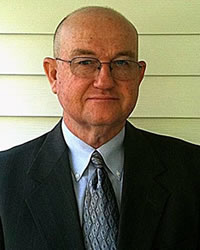
Gary Shepard

Learning Contentment

Philippians 4:11
Gary Shepard December, 11 2011 Audio
0 Comments
Gary Shepard
Gary Shepard December, 11 2011

Sermon Transcript

Auto-generated transcript • May contain errors

100%
Turn back in your Bibles to where
we read in Philippians chapter 4. We have to remember that when
Paul wrote this epistle, this letter, that he was in prison. And he was not in prison for
doing wrong or for breaking the law. He was in prison for preaching
the glorious gospel of Christ. And while he was there in prison,
which was very much different from the way it is today, While he was in that prison wherein
the prisoners had many needs and lacked many things, he received
a gift from this church. And part of this letter is his
thanking them for that gift, something to help meet his needs. But yet he says to them in this
eleventh verse, not that I speak in respect of wont, for I have learned in whatsoever
state I am, actually it continues, to be content. I have learned in whatsoever
state I am to be content." And this is quite an amazing
thing that even here in this prison, and even with things
that people would consider needs, He speaks of being content. And his contentment is twofold. It has to do with both what he
has and the situation he is in. The word content here means sufficiency. But there is a great difference
in the matter of this sufficiency as it has to do with believers
in Christ and those in the world. That was like the situation with
Jacob and Esau. Turn over to Genesis chapter
33 for a minute. Because this is when Jacob and
Esau, many years after their separation, and even Jacob's
trickery, They now meet themselves together once again, and if you
look at verse 9, after Jacob has kind of offered Esau a peace
offering, verse 9 says, "...and Esau said, I have enough, my
brother, keep that thou hast unto thyself." And Jacob said, Nay, I pray thee,
if I have found grace in thy sight, then receive my present
at my hand. For therefore I have seen thy
face, as though I had seen the face of God, and thou wast pleased
with me." Take, I pray thee, my blessing that is brought to
thee, because God hath dealt graciously with me, and because
I have enough." And he urged him, and he took it. But amazingly, in these two verses,
in verse 9 and verse 11, that are translated the same concerning
both men who say they have enough, they are actually two different
words. Because Esau is saying something
like this, I have plenty. I have sufficiency. But the word that Jacob uses,
that word means something more like this, I have the whole. I have it all. And when he speaks here in our
text, Paul speaks in a way of contrast to so many, because
the word I hear is emphatic, as if in contrast to so many,
maybe even some who gave to him. And as he speaks of this sufficiency
or this contentment, he speaks here as having learned it. Learned it. I have learned this contentment. In other words, he does not say
that this is anything natural at all. He does not say that he learned
it under the law. He does not say that he learned
it while he was sitting at the feet of that great teacher Gamaliel. but he had learned it being taught
of God." That's a phrase that God uses to speak of His people. Both in the Old Testament and
in the New Testament, He characterizes them in this way. He said, "...and
they shall all be taught of God." And one of the things that they
will be taught, according to the apostle here, is that they
will be taught of God, they will learn in some measure, to some
degree, this contentment that he's talking about. And they
will be taught, they will learn by being taught by the Spirit
of God. He's the one that's their teacher. He's the Spirit of truth. And they will be taught by that
one means that He uses. They'll be taught by His Word. This has something to do with
God giving faith in His Word, and they'll be taught by the
Spirit of God, and by that Word of God, they'll be taught also
by the providence of God. What do God's people learn What does he teach them that
brings them to learn what Paul is talking about in this text?
What does he do to teach them contentment, so that they learn
contentment? Well, I thought about it as Joe
was praying. I thought about it, he must have
learned something of it himself because he almost gave you the
outline of what I want to say this morning. Because when God
teaches His people in that way in which they are brought to
learn contentment, there are about four or five things that
He teaches them that they learn. You see, you haven't been taught
unless you actually learn something. And one of the things that He
teaches them, and because He is God, God the Spirit, He also
brings them to learn it. They learn, first of all, that
all things are of God. You and I have to be brought
by the Spirit of God, not only to acknowledge that in our head,
but to acknowledge it in the reality of our lives and our
experience in this world, we have to learn that all things
are of God. Turn over to Ephesians, that
first chapter. Because in Ephesians chapter
1, in the midst of all that God has said that He had done to
save His people, save these Ephesians who were lost and undone in themselves,
When he goes back and talks about everything that God has done
to save them, he reminds them of something that is big and
wide and deep and all-encompassing. Look down at verse 11. He says, concerning Christ, in
whom? Also, we have obtained an inheritance
being predestinated according to the purpose of Him, to the
purpose of God. We are predestinated according
to the purpose of God who works all things after the counsel
of His own will. Now, we have to be brought by
God. to acknowledge that as true,
to bow to it as true, and the Spirit of God has to show us
the blessing and the benefit of really believing. He works
all things after the counsel of His own will. As a matter of fact, Nebuchadnezzar
in Daniel chapter 4 is brought to acknowledge this very thing.
He says this, "...and all the inhabitants of the earth are
reputed as nothing, and he doeth according to his will." God does
according to His will in the army of heaven and among the
inhabitants of the earth. Not man's free will, not any
of these things that men try to attribute it to, but He does
according to His will in heaven and in earth. Then we find what
Job says in Job chapter 23. He says, speaking of God, but
He is of one mind, and who can turn Him? who can turn the mind,
the will, the purpose of God who does everything that is right,
he says, and what his soul desires, even that he does. We have to learn that. We have
to come before the Word of God and look in opposition to everything
that the world teaches and acknowledge that whatever it is in our life,
in our state, in our town, in our country, in our world, everything
is of God. Then the psalmist David, he takes
this information, and the Spirit of God blesses him in the face
of all the unbelieving world around him, who tried to attribute
it to this and to that and the other, and mock him and every
other believer at the same time. But listen to what he says. In
Psalm 115, he says, but our God, And that's where the difference
is. That's where the consolation is. The consolation to God's
people lies in this, that this God who is sovereign over all
things, who rules among men and angels, who does whatever He
will, whatever He pleases, He is our God. He says, but our
God, is in the heavens, he hath done whatsoever he hath pleased." You know, men and women imagine
that they can do and are doing just whatsoever they please. And there is a sense in which
that is absolutely true in the sinful sense. But in the overall
purpose of God, in the scheme of all things He purposed and
predestinated in this world, and especially toward His people,
they are always doing His will. He says, when they gather together,
to crucify the Lord Jesus Christ, when they rose against God, when
all these diverse groups who hated each other, when they rose
together and joined in a league to show hatred toward God and
His Son and to slay Him. He said they came together and
they did what God had determined beforehand to be done. All things are of God. When Eli found out that his two
sons had been killed, they had died under the hand of God's
wrath for their wickedness, he bowed in that hour and he confessed
this. He said, it is the Lord. Let him do what seemeth him good. It's the Lord. Whenever Shimei went out and
cursed David, he went out and he cursed David who had done
him no harm, who had done no wrong in that sense as his very
king. He went out and cursed that man,
and David's captain asked permission to go and take his head off.
He said, He said, the Lord hath bidden
him to curse me. Can that be? Can the Lord it
be His will that a man like the Apostle Paul is taken and for
telling men and women their soul needed truth? That it's the Lord? That He can have a man like Shimei,
a wicked man, to rise up and curse David and live? A psalmist says in another place,
he says, I was dumb. You know what that means? Something
had happened that in the midst of it, when he would be expected
to speak to all the world in reply to what had taken place,
he said, I was dumb, or I kept my mouth shut. Why? Don't you think you ought to
complain a little bit? murmur a little bit, find fault
with somebody around you a little bit. No, he says, I was dumb,
I opened not my mouth, because thou didst it. Lord, you did it. I may not understand
it. I certainly might have my flesh
to rise up against it. I certainly may be misunderstood
by everybody around me concerning it, but I know behind everything
it is the sovereign God of heaven who is the first cause. He is
the one who hath done it, because He works all things after the
counsel of His own will." Job, he had He had more troubles
than you could shake a stick at, as we say. He had something
like leprosy or some vile, awful skin disease, and he had his
family dying all around him. He had his wife just giving him
the worst advice possible. He said, Came I out of my mother's
womb, and naked shall I return thither. The Lord gave, the Lord
hath taken away, blessed be the name of the Lord." What about
Jonah? He's sitting down there in the
hot sun. Oh, he's pretty much full of
pity for himself, I think, in his circumstance. But it just
so happens there's some kind of a gourd tree grows up and
provides him a nice little shelter from the sun. He could say, well, the Lord
did that. Thank the Lord for this gourd tree. Thank the Lord
for this shade. But the Bible says that the Lord
sent a vehement east wind, and it blew upon that gourd tree,
and the heat of it and the stress of it caused it to wither and
die. Well, he's having a bad day.
No, it says the Lord did that. The Lord did that. And the Lord
will teach all His people they will everyone learn that all
things are of God." And when Job's wife complained and said
to him, you miserable wretch, everything that's happening to
you, why don't you just curse God and die? He said unto her, he said, you
speak as one of the foolish women speak. What? Shall we receive good at the
hand of God, and shall we not receive evil? In all this did
not Job sin with his lips." It's the Lord. You see, His ways are not our
ways, and His thoughts are not our thoughts. And sometimes that
which we would attribute to the devil, or we'd attribute it to
some wicked person on the earth, or we'd attribute it to one second
cause or the other, and it might rightly be so to a degree as
far as the actual doing of it, behind it is the Lord, that High King of heaven, that
we just sang about. It is the Lord. I can just imagine what the next
political year will bring of all the debate and argument and
bickering and bitterness and dispute and all these kinds of
things, but you mark it down. The ones who are elected, the
ones who are brought to power, it's God who raises up whom He
will and He brings down whom He will. It is the Lord and it
will be the Lord. I'm glad it is. God, in His infinite
wisdom and in His almighty power, is the first cause of all things. He works all things after a counsel
that is only within the Godhead. He doesn't ask anybody. He doesn't
get advice from anybody. He works all things after the
counsel of His own will. And we have to be constantly
retaught this and remember this again and again. We're going
to learn this. He acts also always in everlasting
love toward His people. He's the Lord. None can stay
His hand. He's the Lord, and to His people,
He's their God. That's the first thing. We're
going to learn that. And here's the second thing. We're going
to learn, if we're His people, we're going to learn that all
these things are for our good. I know lots of folks. I've seen
them all my days. As a matter of fact, sometimes
I've been them. And our feeling is that God is
somehow beating up on us. Our feeling is that somehow God
is trying to take something good away from us. But turn over to
Romans chapter 8 and look one more time at that 28th verse. Because he's talking here about
the overall purpose of God. He is working all things as He
works them in this world. He's the one who works. Look
at what it says in Romans 8 and verse 28. What are those first three words?
And we know. How do we know that? Because
God has by His Spirit taught us that. He has assured this
in our heart to be a true thing. And we know that all things work
together for good to them that love God, to them who are the
called according to His purpose. Not by the wisdom of this world, We can't look at something with
the natural eye and say, well, this is good, that's bad. Oh, no. Because our sense of value, our
sense of worth, naturally speaking, is governed only by this flesh. And the flesh is like that horse
leech, whatever that was that we read about in the scripture,
I believe, that says, more, more, more. Now, he doesn't say in this verse
that everything is going to appear to us as good. The best illustration I can give
you is, and you ladies know this, have you ever looked at the backside
of a piece of that counted cross stitch? That's the messiest looking sight. Threads hanging here and everywhere,
disorganized, but turn it around. It's a beautiful work of art.
And that's the way this purpose of God is in this world. And
even as it is concerning His people, from our perspective,
which is so limited, it appears as some things here are scattered,
there are scattered, everything out of place. But if we could
see it from God's perspective, we'd see it as a wise, infinitely
good, and loving purpose to His people. I know people say this, they
say, well, you know, the Bible says everything works for good.
No, it does not. It says to believers, it says
to those who are described in the first chapter to whom the
book of Romans was written to, and these who are described here,
it says, and we know that all Did you ever sit down
to, I remember when we were small children, I can't even remember,
it was a long time ago, I can tell you that. But sometime at
Christmas or sometime for something, we got a big puzzle box that
had a puzzle of the world. And we all start putting this
thing together on the dining table, and here's a piece, man,
no way that fits in. They must have, at the factory,
that got into the box by mistake. So we're putting it together,
you know. Here's another piece. Boy, this
is messed up. We're putting these over here,
and we keep putting that puzzle together, and it keeps coming
together, you know. I was always good at putting the edge around
because it had that flat side on it. You get it all together. And
right there is a place where that odd, weird piece of the
puzzle goes right in. All things. And he's not saying here that
they just work together. They're worked together by God
for His people. They work together for good to
His people. Now, you know that those who
die without Christ, they will not have worked for good to them.
He's talking about the elect of God here. They work together
for good to them that love God, to these called. That word often
means named, the called according to His purpose. His purpose and grace which was
given them in Christ, Paul says, before the world began. You see, only God is good, and
only God knows what is good, And only God knows what is good
for His people. You don't know what's good for
you. I used to hear people say, if you know what's good for you,
you'll stop there. But you don't know what's good
for you. You think you do. But you know, those of you who
believe on Christ, if you had been left to do and to hold on
to that which you thought was good to you, you'll perish. Remember Naaman? I mentioned
him recently. Naaman had leprosy. He got down
to the prophet's house. And the prophet told him to just
go and dip in that River Jordan seven times. That muddy, dirty
river. He got mad. He said, I thought, I thought that God would tell the prophet
to hold his hand over that leprous place or something like that
and I'd be healed like that. You see, you and I don't know
what's good. It means that He will have to,
like Naaman, strip us naked and put us in that cold, muddy water
that humbles us, that shows us that it is His way or no way. Paul says, "...for all things
are for your sakes, that the abundant grace might, through
the thanksgiving of many, redound to the glory of God, for which
cause we faint not, but though our outward man perishes, yet
the inward man is renewed day by day. And our affliction, which
is but for a moment, worketh in us a far more exceeding and
eternal weight of glory." All things are of God, and all things
are for the good of His people, and then thirdly, we'll have
to learn that all things are for God's glory ultimately, chiefly. Do you know that salvation before
it is in any way beneficial for you, has to first be beneficial to God. Most of you remember old brother
Scott Richardson, and I'll never forget one thing
he said. He said, before God can do anything
for you, He has to first do something for Himself. He has to do that which will
bring glory to His name. And everything will redound to
the glory of God, but especially everything that pertains to His
people. He redeems them. Paul writes, and I won't even
ask you to look. Well, you can look since we're
this close. Look over in Romans chapter 11 at that 36th verse. Paul says, "...for of Him," or from Him, "...and through Him,"
And what's that next statement? And to Him are all things to
whom be glory forever. Now I'm sure of this, everything
in the salvation of His people is going to be to the praise
of the glory of His grace. He says that about three times
in Ephesians 1. But not just that, everything
in this world that takes place is going to work to the glory
of God. As a matter of fact, His justice
is going to be glorified in the people He saves. He will save
them justly in Christ and also in those that are damned. They
will be justly condemned for their sins in themselves. But in all things, He's going
to get the glory. And when He shall come to be
glorified in His saints, Paul says, and to be admired in all
them that believe, He's going to be admired by all those especially
who believe Him. He says, because our testimony
among you was believed. He'll be admired in all them
that believe. He didn't just say, buy all them
that believe. You see, the unbelieving world
at that hour will have to admire God in those that He saved. Because they were just as wretched
sinners in themselves as those who are being cast into hell.
He's going to be admired. He's going to get glory. He's
going to be... and I wish we could learn this
about glory. Glory is simply not the adding
to something or to someone, it's the revelation of what they really
are. Christ is glorified by the Father. Does that mean He's made better?
No. He's co-equal in the Godhead. But He's made manifest more and
more to a greater degree as to what He is. He's going to get glory. And
I tell you this, He's not going to share it with you and me. He's not going to share it. And then here's the fourth thing.
They're going to learn this. We're going to learn this. We're
going to learn that all things are in Christ. All things are in Christ. Not only by Him. It says the
worlds were made by Him, and there was not anything that was
made that was not made by Him. And all things are ruled over
by Him, and all things are sustained by Him, upheld by Him. Turn over to Colossians. Colossians
chapter 3. And look at that 11th verse. Now he's talking about what we
are in Christ. What we have in Christ. What all these people who are
saved by God's grace are in Christ, whether they're Jew or Gentile
or male or female or young or old or real rich or real poor
or real smart or real dumb like me. He says, in Christ, where there
is neither Greek nor Jew, circumcision nor uncircumcision, barbarian,
Scythian, bond nor free, but Christ is all. Now let me tell you this, to
the degree that you add anything to Christ, to that degree, you
have diminished from Christ, if He's all. I have a lot of people out here
say something like this. Well, we know we're saved by
grace, and we're saved in Christ. Somebody said one time, that's
how you tell a goat, and tell that they're not one
of God's sheep. They always got that but, but,
but. No? If he's off, and if it says that we are complete
in him, you cannot add anything to completion, You cannot make
better perfection. We're going to learn that Christ
is all. And I'm talking about the Lord's
people. Because all He has to do, we
get kind of rolling along religiously and get to feeling real good
about ourselves and take our eyes off the Lord Jesus and we're
like Peter, we go sinking. We go stumbling. And He'll let
us. Until we remember. Until we confess
that He's all. I hear people make statements
like this, well a real Christian wouldn't do this. A real Christian
wouldn't do that. Real Christians throughout this
book from Genesis forward have done everything. From David's adultery, to Noah's
drunkenness, to whatever it is, they've done everything. And
I'll tell you this, they'll do it again, but for the restraining
grace of God. He's all. That's what this means. He's the whole. He's the whole. If you have Christ, you have
everything. You have everything that is good,
everything that is valuable, everything you need, everything
that is eternal. Everything God has to give in
grace. Because He's all. If you notice, Paul's words there
in our text in that 11th verse, he said, For I have learned in
whatsoever state I am to be content. Well, you say, I'm in a state
of misery or I'm in a state of poverty. Those states are not
the ones that count. We have need of being and are,
if we're in Christ, we're in a state of eternal and unchanging
justification. Those justified by God. That means declared righteous. Those justified by God are justified
on the basis of Christ and His sacrifice. And God says, He's the same yesterday,
and today, and forever. You see, justification is not
a feeling, it's a state. A state of being declared not
only not guilty, but being declared by God in
Christ righteous. Imagine a prisoner. The high judge, the high court
has declared him not guilty. But there's been a big snow,
and all the roads are blocked, and the telephone lines are down,
and all the communication has been temporarily cut off. And
he's laying there in that cell, he's still behind the bars, he's
feeling miserable, and he appears to be a prisoner. But in the
court, where it counts, he's been declared not guilty.
Now, he doesn't feel like he's not guilty, but in the eyes of
the court he is. And in the eyes of the court
of heaven, based on the blood and the righteousness of Christ,
all his people are declared not guilty. And that's what this
Good News is about. They're going to be finding out.
that in the matter of all their standing and state before God,
all their acceptance before God, it's in Christ. He's all. When you find out, when He teaches
us that Christ is all, we'll stop mixing stuff with
it. You see, the Sabbath, as we find
it spoken of under the law, was simply that day upon which God
rested from His works. And that's why the New Testament
believer's Sabbath is the Lord Jesus Christ. We rest in Him. Because He's all. We're in an eternal state of
justification. And God views us as righteous
and has accepted us in Christ. And He's done that not without
consideration of our sin, which He has put away by the shedding
of the blood of Christ, and He has satisfied every claim of
His offended justice, all in and by the Lord Jesus Christ. If we have Him, We have all the fullness of the
Godhead bodily. What does that mean? That means
we've got all the God that there is, all of God as He is. And all God has to give in grace
and all of that eternal inheritance, that's what I like about God's
eternal inheritance. He says it's incorruptible, undefiled,
reserved in heaven for His people. Oh, somebody says, what a day
that'll be when He divides all that out. No. There's not going
to be any dividing it out. Because all who have Christ,
they have it all. All spiritual blessings. all and the only righteousness,
all of salvation, all eternal life, all lasting things. And God may send a trial. He
may send a test, the tribulation. It's the trying of our faith.
To see how much, to show us, He knows how much faith we've
got. But we don't. So sometimes when we get to depending
on all these arms of the flesh, He might just kind of kick one
of those props out from under us and we'll go down. And we'll
be reminded that the only firm foundation, the only peace, the
only strength, the only joy, the only blessing that is to
be had is in the Lord Jesus Christ. He is all of salvation. And we find Him in these times
faithful. Faithful is the God who promised. He promised never to leave us
or forsake us. He promised to protect and provide
for us. He promised to give us the kingdom. And He promised to one day receive
us into His presence. And all God's Jacobs, just like
Jacob of old, They can look at all the world's Esau's who have
sufficiency, and they can rejoice because they've got it all. Esau. And we learn contentment as we
learn His Word. And we learn contentment when
He enables us to believe it. And when we experience His grace,
especially in the midst of His providence, when we're unable to trust Christ. You remember that description
of the church in the Song of Solomon? She comes out of the
wilderness, fair as the moon. Have you noticed the last couple
of nights of the moon? Wow! That's amazing! Bright! But you know that moon doesn't
have any light of its own. It's a reflected light. It's
the sun's light. And here is that church, it says,
coming out of the wilderness. Who brought her out? The Lord
Jesus, her Beloved. Here she is coming out of the
wilderness. She's walking tall. No, it says
she's leaning on her beloved. We're always leaning on the Lord
Jesus, because He's all. And He's made some promises, but He's told us this, they're
not contingent on us. I hate this, if you will, God
will, religion. He says, for all the promises
of God, promises of salvation, promises of providing, promises
of... Well, Paul says here, My God
shall supply all your needs according to His riches in glory. You think
you can get by on that? His promises of protecting us,
His promises of treating us As our elder brother, he'll treat
us. All the promises of God in him are yes and amen unto the glory
of God by us. By us. Take your hymn book and just
look at the words of a hymn. 699 in our book. I don't know
anything about the writer of this hymn or anything. But I like some of the words. It says, "'Tis so sweet, to trust
in Jesus, just to take Him at His word, just to rest upon His promise,
just to know, thus saith the Lord." Oh, how sweet to trust in Jesus,
just to trust His cleansing blood. just in simple faith to plunge
me neath the healing, cleansing flood. Yes, it is sweet to trust
in Jesus, just from sin and self to cease, just from Jesus simply
taking life and rest and joy and peace. I'm so glad I learned
to trust Precious Jesus, Savior, Friend, and I know that Thou
art with me, will be with me to the end. Jesus, Jesus, how
I trust Him, how I proved Him o'er and o'er. Jesus, Jesus,
precious Jesus, Oh, for grace to trust Him more, to learn contentment
under the tutelage of that divine teacher. Father, this day we give you
praise and thanks for the one that loved us, and
gave himself for us. For our knowledge to some degree, for having been taught to some
degree that all things are of you, that all things work for
our good, that all things are for your
glory, and most especially that all
things are in the Lord Jesus Christ, because He's all. And all who believe on Him are complete in Him. We thank you for Him, for all blessings, for
all grace, and we pray for more grace. Help us in our weakness, we pray,
and ask it that we might receive it in the Lord Jesus Christ. Amen.
Gary Shepard
About Gary Shepard
Gary Shepard is teacher and pastor of Sovereign Grace Baptist Church in Jacksonville, North Carolina.

Comments

0 / 2000 characters
Comments are moderated before appearing.

Be the first to comment!

Joshua

Joshua

Shall we play a game? Ask me about articles, sermons, or theology from our library. I can also help you navigate the site.