Bootstrap
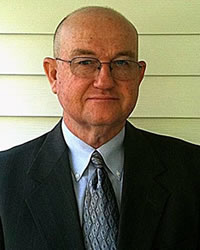
Gary Shepard

We Know

Romans 8:28
Gary Shepard December, 5 2010 Audio
0 Comments
Gary Shepard
Gary Shepard December, 5 2010

Sermon Transcript

Auto-generated transcript • May contain errors

100%
Turn in your Bibles, if you would,
to the book of Romans, Romans chapter 8. It seems like that I've been trying
to prepare to preach all week. It's hard to get thoughts for
one time until you have made bare your heart in another time. or to think about what I might
say this morning until I had said what I needed to say on
Wednesday, and then what I needed to say in the funeral service
yesterday. But if I do have anything to
say this morning from the Lord, it would be from one verse of
Scripture that has been on my mind all of this week. And the title of my message this
morning is simply, We Know. We Know. And if you would look
down in verse 28, in Romans 8, you'll find my text. The Apostle
Paul is led by the Spirit of God to write in the midst of
all that he says here in this wonderful book of Romans. And we know that all things work
together for good to them that love God, to them who are the
called according to His purpose. There might not be a more often
quoted and at the same time, misquoted verse in all the Bible. Oftentimes, it comes up in conversations
when men and women are discussing their troubles and their problems
and all the circumstances of this world and life. And someone will say, well, you
know, the Bible says, all things work for good. No, that's not what the Bible
says. And this verse, as glorious as
it is, does not stand alone. I read many years ago where an
old preacher said, Stand a verse up from the Bible and then throw
every other verse in the Bible at it. And if it stands, you
might have some understanding of it. Peter says virtually the
same thing. He says, knowing this first,
that no scripture is of any private interpretation. Every verse in
this book is to be interpreted and understood in the light of
every other part of Holy Scripture. And if you notice, the word that
begins this statement, actually according to what we are taught
in English grammar, is supposedly improper. Because this sentence
and statement begins with a conjunction. He begins with, "...and." But
I'm glad he did that, because I'm made to know in that, that
the word, "...and," means that he joins this statement to everything
else that has gone before, especially all of the chapters and verses
in this letter previous. such chapters as Romans 3, where
he talks about all that we are in our natural selves and sins. None that understands, none righteous,
none that seek after God, no, not one. He joins everything
to this, and especially his mention of our infirmities in the previous
verses. But he says, and we know, and
that we is also to be viewed in the light of Scripture. And
as I try to tell you again and again, this book is written to
the people of God. So when he says, and we, he's
not speaking universally as far as every person in the world. He's talking about believers. He's talking about God's elect
people that he chose in Christ He's talking about those that
Christ, as their High Priest, bore in His bosom, redeemed by
His blood. He's talking about those who
are called by the Spirit of God, born of God, and brought to Christ
in faith. He's talking about the church. which is the body of Christ. He's talking about all the children
of God. He says, "...and we." If you
don't believe that, just look back over with me in Romans chapter
1, in that first chapter where we find Paul's greeting in this
letter. He says in verse 7, to all that
be in Rome beloved of God." You say, well, he's talking to everybody
then. No. This is the God who says
He hates all workers of iniquity. This is the God, the God of the
Bible, who says that He hated Esau. that he hates all who sow
discord among the brethren." You can have your God of universal
love if you want to, but it won't be the God of the Bible. He says,
"...to all that be in Rome beloved of God, called saints." They weren't made saints by church
or a pope or a religious organization. They're called saints by God
Himself, separated. That's what that word means,
separated unto God by God, set apart unto His grace and mercy
in Christ. and set apart or sanctified,
he says in John 7, by his gospel, by his word. They are brought
to believe the truth. He says, Grace to you and peace
from God our Father and the Lord Jesus Christ. First, I thank
my God through Jesus Christ for you all that your faith must
be believers, hadn't they? Believers in the biblical sense
that your faith is spoken of throughout the whole world. And so we ought always to ask
ourselves the question, do we fit the character? Or do we fit
the description of those to whom the promises of the Word of God
are made? These words and all the promises
of God that are yea and amen in Christ, they are for the consolation
and encouragement of the people of God. That's what he said to
Isaiah, or through Isaiah, I should say. He said, comfort ye, comfort
ye my people. And I don't have any comfort,
and neither does any other true gospel preacher have any comfort
or any consolation except for the people of God, those he brings
to believe the truth of the gospel. And then, if you notice just
a bit farther, he says this, and we know, Now, you can delight
in a religion of ignorance if you want to, but the people of
God are a people according to the Scriptures who are brought
to know some things. He brings them to the knowledge
of the truth. Sometimes I hear men squabbling
over a definition or a meaning and then setting such things
as saving faith on the one hand, and saving knowledge on the other
hand, one making fun of the other, that's utterly ridiculous. Where
you find true faith, you find true knowledge, and where you
find true knowledge, you find true faith. The faith that God
gives as a gift is a faith that has as its objective the Lord
Jesus Christ who is revealed in the gospel which is called
the Word of the Truth. We know because God said it. We know because we have been
taught of God, as Christ said, we know by a divine revelation. Hold your place right here and
turn over to 1 Corinthians chapter 2. Now, there are a lot of folks
who have no room for and no need for the necessity of a divine
revelation. But I'm telling you this, this
book and every truth of God is a blank book to you, and you
are shut up to ignorance of this book unless God Almighty reveal
it to you. He has to reveal Christ. Paul said, when it pleased God,
He revealed His Son in me. It's more than simply a head
knowledge of something, though that's essential. It requires
a revelation of the Spirit of God. Look down here in 1 Corinthians
2 at verse 6. Paul says of the gospel that
he preached concerning Christ and Him crucified, he said, "...howbeit
we speak wisdom among them that are perfect or mature, yet not
the wisdom of this world, nor of the princes of this world
that come to naught, but we speak." The wisdom of God. We speak the wisdom of God in
a mystery. Do you know what a mystery is
in the Bible? A mystery simply means that which
heretofore was not revealed or made manifest as it is now in
Jesus Christ. He says, "...we speak the wisdom
of God in a mystery, even the hidden wisdom, which God ordained
before the world unto our glory." This isn't an afterthought with
God. This is the will of God. This
is the glory of God. He says, "...which none of the
princes of this world knew, for had they known it, They would
not have crucified the Lord of glory, but as it is written,"
now listen to this, "'I hath not seen nor ear heard, neither
have entered into the heart of man the things which God hath
prepared for them that love Him, but God hath revealed them unto
us by His Spirit." How did you find out? Well, here's one over
here, reads the Bible, carries the Bible, and then somebody
says, well, he's got this opinion on the Scripture, and that one's
got that opinion on the Scripture. God's people, as far as the essentials
of the gospel, they're of one opinion. And that one opinion
is that salvation is 100% entirely all of grace and not of works,
and that it is in Jesus Christ and Him crucified, plus nothing. Plus nothing. He says here, "...but
God hath revealed them unto us by His Spirit. For the Spirit
searcheth all things, yea, the deep things of God. For what
man knoweth the things of a man, say the Spirit of man which is
in him." I don't know what's really in you. You don't know
what's really in me. The only way that I could ever
know what's really in you, what you're really thinking, what
you really believe, what you really feel, is if you, in honesty,
tell me, reveal it to me. And that's a hard thing for us
to do, because we don't really want people to know, do we? And
likewise, he says, not only that, he says, even so, or in a like
manner, the things of God knoweth no man but the Spirit of God. Now we have in the Word everything
that God is pleased to reveal in His written Word was revealed
to us by the Spirit of God as He directed these men chosen
of God to write them down. but the meaning of them, the
truth of them. Oh, we can know true things about
it. We can know who Jonah was, and
we can know about, there was an ark, and we can know about
this historical thing and this event, but the truth and the
message and the essence of this book, which is a revelation of
God, He has to open our eyes and enable us to see it and believe
it. Even so, the Spirit of God has
to reveal these things. He says, now we have received,
not the Spirit of the world, but the Spirit which is of God,
that..." What? How can we know if the Spirit
of God has really revealed to us and brought us to delight
in and rest in the things of God? Listen to what he says. That we might know. That we might guess at. That
we might just feel like we know. that we might know, and that
means know in the sense of knowing that it's the truth with the
assurance of faith, that we may know and be assured of the things
that are freely given to us of God. Not things we're to do,
not things that we are to practice in order to be saved. But he
says, the things that are freely given to us of God. Given to us without any cause
in ourselves. Not this religious notion that
characterizes our day wherein men and women are told, if you'll
do this, God will do this. No, he says, the things that
are freely given to us of God. And if it's free, you can't merit
it. You can't deserve it. You can't earn it. You can't
buy it. You can't work for it. You can't
do anything except God enable you to see it, receive it, believe
it, has a gift. Way back in the book of Deuteronomy,
he tells us through Moses, he says, the secret things belong
unto the Lord our God. There are some things that the
infinite God has not been pleased to reveal to us, and I don't
think ever will reveal to us, because a finite mind cannot
comprehend the infinite mind. those things which are revealed,
he says. I'm so thankful God has revealed
some things. If you think I'm ignorant now,
you ought to have seen me 30 years ago. God teaches His people
some things. He brings them to see some things
in His Word, believe them, rest in them, trust in them, be so
assured of them that there is neither man nor devil could convince
them otherwise. They rest their soul in them. They find peace in them. They
know joy unspeakable in them. The things of the Lord Jesus
Christ. He says, but the things that
are revealed unto us and to our children forever, that we may
do all the things, all the words of this law. What does this book
teach us? He said, tell us what the work
of God is and we'll do it. He said, believe on the Lord
Jesus Christ. believe on the one that God has
sent. And some discount knowledge,
but faith requires it, and it is joined with this faith which
brings that assurance so that we are brought to know and believe."
Listen to what he says through the Apostle John. He says, these
things have I written unto you that believe on the name of the
Son of God, that ye may know that ye have eternal life, and
that ye may believe on the name of the Son of God. That sounds
pretty plain to me. He says, I've written them that
you might believe them. that you might believe them,
that you might not only know them in the sense of knowing
about them, but that you might know them, be assured of them,
find hope and joy. John 6, he says, and we believe
and are sure that you are that Christ, the Son of God. I don't know everything about
Christ. I certainly am glad I don't. If I knew everything about Him,
if I knew everything about the God of the Bible, I'd be His
equal. I'm not. But I know this, I believe
and am sure that that man Jesus of Nazareth, that man who 2,000
years ago hung on that cross outside of Jerusalem, that one
who is the message of the book, He's the Christ. He's the only
Savior there is. There's no debate, there's no
dispute. I won't argue it with you. He's the One. He's the Lord Jesus. Alright,
look again in our verse. He says, "...and we know that
all things..." Now, you people who like those broad, universal
statements, there it is right there, all things. "...and we
know that all things..." You say, does that mean everything? That means everything. You see
back in verse 26, he said, likewise the Spirit also helps our infirmities. We don't even know how and what
we ought to pray for. But he says, the Spirit of God
Himself makes intercession for us with groanings which cannot
be uttered. He searched the hearts and knows
what is the mind of the Spirit because He makes intercession
for the saints according to the will of God. What if I pray something
I ought not to? And really not any what-if to
it. I'm sure I do it every day. I have a tendency to pray for
me and for mine. I have a tendency to pray for
my children in probably a way that I ought to be praying just
as much so for your children. Maybe I don't do that. My infirmities,
every one of them, all things, all things. That's a lot. That means all events, whether
or not they're political or personal. All things, whether they be good
or evil, whether they be international or local, all things in your
work, all things in your family, all things done to us, all things
done by us. All things. There's nobody but
the children of God can rest in that. You can spend your life
saying, well, what about this? Or what about when I did that?
What about when I sinned? Do you mean to tell me that somehow
even in my sin and my failures and my fall, somehow and all
this, I'm saying exactly that? It is beyond our wisdom, it is
beyond our explanation, but thank God when He reveals this truth
to His people, it's not beyond their believing. Well, you say,
I've got this problem in my family, or I've got this problem in my
life, or you mean to tell me that's all things. And if there was one little iota,
if there was one little old space over here somewhere that it was
outside the control of an absolutely sovereign God. For one little
area in my life, one little place where it was outside of these
all things, I'll guarantee you that's where I'd be standing.
All things. All things. You look down at
verse 30, he says, "...moreover whom He did predestinate, them
He also called, and whom He called, them He also justified, and whom
He justified, them He also glorified. What shall we then say to these
things, if God be for us, who can be against us?" You know
the one that's the most against me? I wish it was just the devil. But in all honesty, it seems
like the one that is the most against me is me. I have found the enemy and it's
me. But even me can't work against
me if God's for me. I'm so glad of that. Because
I'm usually trying as hard as I can in my ignorance, and in
my sinfulness, and in my stupidity, and in my ease to which I fall
to the deception of the devil, I am so often found trying to
work against me. I'll show you one example. I
cannot even, knowing that I'm a diabetic, Knowing that I need
to lose weight, knowing that I need to not eat a little Debbie
snack, I can't even not do that. And that's one of the least important
things, but he says all things. And you know, there are two things
in particular that reveal this to be the real truth. Number
one, the fall that took place in that garden. You say, that
worked all against all of the whole race of Adam. No, it didn't. It didn't work against God's
people. Because in that fall which took
place on the basis of a principle called representation, so that
when He fell, we all fell in Him on the basis of that same
principle of representation, all who are in Christ, He said,
are made alive. But there's one even more so
than that. And to prove and to show the truth of that statement,
that even the wrath of man will praise the Lord. It's when they
took by wicked hands the Lord Jesus Christ, and they marched
Him out there on that hill that was called Calvary, Golgotha,
and they nailed Him to that cross and hung Him on that spance between
heaven and earth, the mockery of the world, all things. In the time when it seemed like
that everything was out of the control of God, everything was
working against God, against His glory, when it seemed like
everything was especially working against His people that He loved
and chose and had purpose to save, when it seemed like everything
was going to miss, everything was working. Everything was going
on just as he purposed and planned. Paul, when there was a big dispute
over preachers, there's a lot of preacher worship that's always
going on, I'm afraid. One said, I'm of Apollos, and
one said, I'm of Paul, and one said, I'm of Peter, and one said,
I'm of Jesus Christ. I'm not any of these fellows
you know. Paul said, don't even think in such foolish terms. Therefore let no man glory in
men, for all things are yours, all things are ours, all things. For all things are for your sakes
that the abundant grace might, through the thanksgiving of many,
redound to the glory of God. Everything's for His people.
Outside of first of all being for His glory, everything in
this earth is created for His people. Everything that takes
place on this earth for His people. Every time there's a great turmoil
on the earth and men are scattered from one nation to the other,
they go being sent where they can hear the gospel. Don't let
the devil isolate a little event If you're a child of God in your
life or your family or wherever you work or something like that,
don't let him isolate that little event and try to make you believe
somehow that everything's gone wrong. No, they've all gone right.
Because if you look at the next verse, he says, and we know that
all things work. Actually, that's all things are
being worked. By whom? by that God who does
according to His will in the armies of heaven and among the
inhabitants of the earth. And there's not anybody who can
stay His hand or say unto Him, what doest thou? I'll tell you
this, if you read the news very seriously these days, you can
get freaked out. You can get wound up. If you listen to the people who
talk about global warming, if you listen to the people who
talk about the situation of politics in this country and around the
world, if you listen to them talk about how all the currencies
are going away, what does that matter if everybody is in the
same boat? If you lose 50% of the value of your dollar, don't
feel bad, whatever dollar I've got, I'll have lost 50% of my
dollar too. All these things. No, he works. He's the one who works all things. Works all things. Somehow there's
a view of God in this world that somehow God created the world
and He turned it over half to the devil and half to man. No. He's never relinquished the title
deed of this earth. The devil is pictured as being
on a chain held by the hand of the Lord Jesus Christ. He's God's
devil. He can only do, as it was shown
to us in the book of Job, whatever God allows him to do. You can
put up a sign over everything that's going on in this world,
and it won't say, man at work, it'll say, God at work. They'll
say, well, I don't want a God like this. Well, I'm not talking
to you then. People of God join the psalmist
David, and this is our delight, our God. Some say, well, my God
wouldn't do this. Well, my God is that personal
God that is the product of your imagination, or your tradition,
or something like that, or some false religionist. David said,
our God is in the heavens, and He has done whatsoever He has
pleased. got word that his sons had been
killed in the battle, wicked devils that they were. He said,
it's the Lord. Let him do what seems him good. It's the Lord. He works. Paul
says to the Philippian believers, he said, for it is God who works
in you both to will and to do of His good pleasure. It's not
fate. It's not luck. It's not chance. It's not mother nature. It's not foolish evolution. It's God. That's what you hate
to face, isn't it? It's not man's free will. There's
only one free will in this universe. The next word said he works all
things together. I remember the first experience
I had with a puzzle as a young child. Some Christmas or something,
somebody gave us a box that had a puzzle. I think it was of the
world or something like that. When we emptied that box on the
kitchen table, it was, oh me, that was a mess. And you could
hold up one of those pieces by itself and you'd say, where in
the world did it go? And that's the way we view life
sometimes. You look at any one of those
pieces separately, one event, one circumstance, one persecution,
one disappointment, one failure, you look at it, he said they
work together. God works them all together.
If you ever look at a piece of cross stitch, You ladies do,
some of you do cross-stitch. Look at the back, what that looks
like. There's no rhyme or reason to
it whatsoever. But when you turn it around and
look on the other side, this is what God's doing. He's working
it all together. And many a believer can look
back in what we call 20-20 hindsight. Thank you, Lord, that that happened.
Thank you, Lord, that you didn't let me do a further bad job on
it than I did. Thank you, Lord, that this took
place. Thank you, Lord, that you didn't
let me have my will in this. Thank you, Lord, you didn't answer
the prayer I prayed back then, yea, for that. You see, you can
only rest when you lay your head in the lap of divine wisdom,
not my will. but thine be done." He said they
work together for good. See that word, for good? Not
temporal good. That's what you and I, all by
nature, all people by nature, we're looking for temporal good.
Ease of body. That's why the health and wealth
gospel of this day prospers and flourishes. Men tell people what
they want to hear and believe. They heap to themselves teachers
having itching ears. Tell us what we want to hear,
how good we are, and how if we do this, that, and the other,
we'll have the blessing of God. We'll have health, and we'll
have wealth, and we'll have prosperity. They say, well, God wants every
one of you to be happy. Well, He's got a funny way of
showing it if He does. He wants all His people to be
saved. He's going to get what He wants,
and not one of them will perish. You see, things that are spiritual,
spiritual good and eternal good, is what the Apostle is talking
about. That is, the triune God is working
all things together for the good of His people. The good of them. You remember Joseph? Well, Joseph
was having a hard time. when his brothers hated him because
his father loved him. And so they took him out there
and they stripped his coat off that he'd been given. They put
him down in a pit, just going to leave him there to die. They
told his daddy that he'd been killed by a wild beast. And then
finally, when the opportunity came, they picked him up out
of that pit, sold him to a bunch of slave traders coming through. And so he goes down into the
land of Egypt When he's there in the land of Egypt, doing far
better not ever done in that circumstance, all of a sudden,
his master's wife lies against him, accuses him of rape. He's
cast into the prison. When he's in the prison, somebody
who's there, who gets out, promises to help him, and he doesn't do
it. It's all downhill, sounds like to me. But when he stood
before his brothers, when God had raised him up, to a high
position in Egypt. Made him charge of all the bread,
all the food in the land of Egypt, all the storehouses. He had the
key to them. The only one. His brothers were
there. They found out who he was. They were afraid. He looked at them, he said, you
meant all this for evil. No doubt about it, you meant
it for evil. But God meant it for good. He meant it for good
to preserve life. Joseph is a type of Christ, but
he's also a type of every believer. Whatever is meant against no
weapon, this is the heritage of the Lord's people, no weapon
that is formed against you that will prosper. Oh, they'll be
formed against you, executed against you, hurled at you, the
fiery darts of the wicked. He said, but they won't prosper.
They wound me, both me and everybody around me will witness God's
preserving grace. They wound me, He'll heal me,
get the glory for me. For good. They work together
for good. What does it say? To them that
love God. Now the true believer will be
the first, always the first to say, oh, I don't love Him like
I ought to. I don't love Him like I ought
to. And there's oftentimes times that make me wonder if I even
love Him at all. But when it comes right down
to it, I do love Him. Actually, what this says in the
original is basically this. We know that to them that love
God, all things work together for good. Paul said, if any man
love not the Lord Jesus Christ, Let him be anathema, maranatha. Let him die the death. Let him go to hell. Because you can't love God and
not love His Son, who is God Himself. You see, the things
that are prepared, as we read there in 1 Corinthians 2, the
things that are prepared, he describes them as being prepared
for them that love God. They were prepared for them when
God saw that they would love Him, but they were prepared that
they might be brought to love God. You see, it says, we love
Him because He first loved us. Paul to the Ephesians, grace
be with all them that love our Lord Jesus Christ in sincerity. James said, "'Blessed is the
man that endures temptation, for when he's tried, he shall
receive the crown of life which the Lord hath promised to them
that love him.' Hearken, my beloved brethren, hath not God chosen
the poor of this world, rich in faith, and heirs of the kingdom
which He hath promised to them that love Him?" Why do they love
Him? Because He first loved us. You
see, the love of God for His people, demonstrated in Christ
coming into this world and dying in their place. That great act
of love is the cause of love in His people. He says, to them
that love God. Oh, I love God. You just get
out here on the street and ask anybody you meet, you love God?
Yes sir, I love God. Next person, do you love God?
Well, of course I love God. I've always loved God. But the
God he's talking about here is the God of the Bible. When you
tell men and women about the God of the Bible, they're not
so sure of it then. When you talk about a God who
has their breath in His hand, their soul in His hand, the God
who will have mercy on whom He will and hardens whom He will,
the God who will be gracious to whom He will, the God who
will save whom He will, damn whom He will, my God wouldn't
do that. Well, then your God is not the
God of the Bible. When you talk about a just God, You see, people
believe in this universal redemption and universal love and universal
salvation. They believe God loves everybody,
Christ died for everybody, and therefore the Spirit of God is
trying to save everybody. You don't find that in this book.
These preachers stand up, they're going to preach from a text,
and that's exactly what they do. The more they preach, the
farther they get from it. If Christ died, paid the sin
debt, on that cost for every person in this world. And God
sends one of them to hell. He's not that just God. If you
go down tomorrow and pay a bill that you have at the bank, and
then the next day they send the police to arrest you saying that
you haven't paid that bill, and therefore you're going to be
taken to jail, how do you feel about that? You say, well, I've
never seen such injustice in all my life. Me either. But nobody will ever be able
to charge God of injustice. Because Christ said, I lay down
my life for the sheep. He said, I give my life for the
church. He said, husbands, love your
wives as Christ loved the church and gave himself for it. Gave himself a ransom for many. They're all going to be saved.
You say, well, I just believe a I believe in a different God."
Absolutely true, you said it right. He says, to them that
love God, and that means God as He says He is. Not a false
God, not the one of your imagination or your religious tradition,
but the God of the Bible. You know how people can be so
duped into a false God? Because they don't know anything
about this book. They don't know anything about
what this book actually says. I'll tell you this, if you read
this book and find out about the God of the Bible, you might
not like Him. But if God brings you to love
Him, it's a work of grace. It's a work of grace. He says,
to them that love God, to them, keeps distinguishing them, to
them that are the called. Now that word called, means first
of all appointed, named, not simply invited. Appointed, named. So when you look there in verse
30, and you find out that these he's talking about, they wind
up glorified, He says, moreover, whom He did predestinate, them
He also called, appointed, determined, and whom He called, them He also
justified, and whom He justified, them He also glorified. Sounds
like a package deal to me. If you notice, it's all something
He does. He does. You look over in Romans
chapter 9, look down at verse 11. He uses these two children,
twins, Jacob and Esau. He uses them as examples of God's
sovereign grace. People say, well, it says, I
know it says he hated Esau, but that actually means that he just
loved him less. What is loving somebody less
other than hatred? There's no neutral ground there.
And what you ought to be thinking about, wondering about, is this,
if you know anything about Jacob, who was a scoundrel just like
me, how could God love him? He loved him in Christ. Verse
11, "...for the children, being not yet born, neither having
done any good or evil, that the purpose of God, according to
election, might stand not of works, but of him that calleth."
Verse 23, "...and that he might make known the riches of his
glory on the vessels of mercy which he had aforeprepared unto
glory, even us whom he hath called, not of the Jews only, but also
of the Gentiles." But in the Bible, this calling means not
only this appointing and naming, but also of this effectual bringing. He effectually brings and calls,
summons, draws, brings, whatever the language is, fetches every
one of His people. They're the call. God is faithful
by whom you were called unto the fellowship of His Son, Jesus
Christ our Lord." Called, named and appointed, called effectually
by the Spirit of God, called and brought to believe the gospel. Paul, in distinguishing God's
elect from all those who had rejected Christ and gone their
way, he sent strong delusion on them that they believe a lie
rather than the truth. But he turns then in his letter
writing to those Thessalonians and he says, "...but we're bound
to give thanks to God for you, brethren, beloved of the Lord."
because God hath from the beginning chosen you to salvation through
sanctification of the Spirit and belief of the truth, whereunto
He called you by our gospel." Every one of the called, they
are effectually called and brought to Christ by the Spirit of God,
using the gospel. Called you by our gospel to the
obtaining of the glory of our Lord Jesus Christ. The called
according. I'll never forget that time many,
many years ago. when the Lord first revealed
the truth to me and I began to preach it. And that deacon came
to me and he said, I'll tell you this, he said, what you're
preaching is not according to Hall. I think he was the authority
on how to play bridge, wasn't he? No, but it's according to
God, according to his word. having predestinated us unto
the adoption of children by Jesus Christ to Himself according to
the good pleasure of His will, the called according to His purpose. And I always will remember hearing
Brother Henry Mahan tell about the time when Brother Barnard
first came there to Ashland and began to preach. And he asked
if there was anybody who could quote this verse. And I think
Brother Henry at that time, a young preacher, didn't know anything
about the gospel. Thought he did, I'm sure, like
me. He started to quote it, and we know that all things work
together for good. And then he says, is that all?
Quote a little bit more. Got to that word, purpose. He
said, when he said that, old Barnard cried out and said, Purpose! Everything God does, He does
on purpose. He works it according to His
purpose. If you ever find out who you
are and who He is, you'll be glad. That's the way it is. And Isaiah says, "...the Lord
of hosts has sworn, saying, Surely as I have thought, so shall it
come to pass. This is the purpose that is purposed
upon the whole earth, and this is the hand that is stretched
out upon all the nations. For the Lord of hosts hath purposed,
and who shall disannul it? And his hand is stretched out,
and who shall turn it back?" His salvation for His people
is according to the eternal purpose which He purposed in Christ Jesus
our Lord. He is the God of His people. And when Paul describes Him to
Timothy in 2 Timothy 1.9, he says, "...who has saved us and
called us with an holy calling, not according to our works, but
according to His own purpose and grace which was given us
in Christ Jesus before the world began." You'd think that God
would leave the thing to which all His glory really hangs. into the hands and the fickle
wills and decisions of foolish rebels, sons and daughters of
Adam? No. His glory does not depend
on how many He saves. His glory depends on Him saving
those He purposed to save. He's going to do all His purpose.
He's going to save His people who are called sinners. Are you
a sinner? Is this your God? You believe
this is true? Christ died for you, and that's
the whole of it? You one of His sheep? I don't
know. But I know it says His sheep
hear His voice, and they follow Him, and He gives unto them that
eternal everlasting life, and they'll never perish. That's some verse. The old writers,
used to use a term, they spoke of the leisure of the eternal. They said God can neither be
rushed, nor hindered, nor thwarted, nor stopped. That's my Savior. That's my hope. God will bring
all His people down low, like He did old Jonah. to acknowledge
what Jonah acknowledged there in the belly of that fish at
the bottom of the sea. He said, salvation is of the
Lord. You ask people, are you saved?
Well, I, I've made a decision. I was baptized. I had this experience
in an old revival meeting as a child. I've had this feeling. No. There was an old foolish
man who made a wise statement one time. When they interrogated
him about his hope, he'd just come back with this same statement,
I'm just a sinner, nothing at all, but Jesus Christ is my all
in all. God's people can say, and they
can rest, they can find consolation and say, we know, we know. Father,
this day we give you thanks, we give you praise, because you're
the only one worthy. All that you are as our God,
our blessed heavenly Father, our covenant God, our sovereign
initiator in salvation. We bless you as the glorious
Son, the man Christ Jesus, the Word made flesh, the one mediator
between men and God, our Savior, Redeemer, King. And we bless you as Spirit, Holy
Spirit, revealer of Christ, giver of life and faith. repentance, every gift, as well
as every grace, we thank you. Take your word and magnify yourself
in our hearts and minds. Enable each and every one, as
it pleases you, to find hope and rest and peace in all that
you are and in all that you've done. Again, Father, as we go
out of this place, we pray for our brother Rupert. You might
be pleased to relieve his affliction, his pain, and enable him to continue
to stand and preach the glory of your grace. All your servants,
all your people on this earth, help each one of us. We're always
a needy people, but thankfully we all know these things. And that's our consolation. We
pray in Christ's name. Amen.
Gary Shepard
About Gary Shepard
Gary Shepard is teacher and pastor of Sovereign Grace Baptist Church in Jacksonville, North Carolina.

Comments

0 / 2000 characters
Comments are moderated before appearing.

Be the first to comment!

Joshua

Joshua

Shall we play a game? Ask me about articles, sermons, or theology from our library. I can also help you navigate the site.