Bootstrap
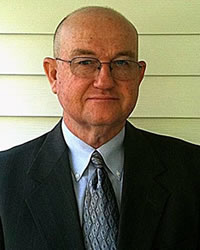
Gary Shepard

Why I Know I Preach The Gospel

1 Corinthians 15:1-4
Gary Shepard August, 8 2010 Audio
0 Comments
Gary Shepard
Gary Shepard August, 8 2010

Sermon Transcript

Auto-generated transcript • May contain errors

100%
1 Corinthians chapter 15, I'll
begin reading in verse 1. Paul says, "...Moreover, brethren,
I declare unto you the gospel which I preached unto you, which
also you have received, and wherein ye stand." by which also ye are
saved, if ye keep in memory what I preached unto you, unless ye
have believed in vain. For I delivered unto you, first
of all, that which I also received, how that Christ died for our
sins according to the Scriptures, and that he was buried, and that
he rose again the third day according to the Scriptures." Now, it is
the claim of every group and every preacher that gathers in
our day under that broad umbrella called Christianity. It is their
claim that they all preach the gospel, that they are seeking
diligently to spread the gospel. But my question is, do they really? And do those who hear them hear
the gospel? And if they do, why is their
gospel so different from the gospel that I preach. How can anybody really know? Well, today, I want to try to
tell you why I know that I preach the gospel, and why I know that
as the Apostle Paul says here in that verse, that it is the
gospel. There's just one gospel. And the only way that I can show
that to you, the only way that I can demonstrate that to you,
is to show you from the Scriptures. And that is exactly what Paul
is saying in our text here this morning. He says, what I preach
to you, the gospel that I've declared unto you, it is simply
in every part according to the Scriptures. And the only way
that you or anybody else can ever know Whether or not it is
the gospel, it is for you to take your Bible in your hand
and do as those noble Bereans did, even with the preaching
of the Apostle Paul. They searched the Scriptures. to see if the things that Paul
said were true. That's the only way you can ever
know the gospel. The gospel, that word gospel,
means good news. It means glad tidings. It is not about personal advice. And neither is it in any way
a man's opinion. You see, the gospel is simply
what God says that it is, and He describes it as a report. Isaiah says, "...who hath believed
our report," or our doctrine, our teaching. He describes it
as something that is published, declared, and proclaimed. It's called the testimony of
the Lord. And he also describes it in a
number of places as news. And not just news in general,
but particular news that will be good news to the people of
God. Listen to what Paul writes in
Romans 10. He says, "...how shall they preach
except they be sent? As it is written, how beautiful
are the feet of them that preach the gospel of peace and bring
glad tidings of good things." It is a report. a report especially
to a particular people of good news, of glad tidings, and of
good things. Good things for sinners. And this being the case, what
I want to set forth is, from the Scriptures, how it is that
I or anybody else knows whether or not we preach the gospel. And I'll say this in the very
beginning. And that is, the gospel that
I preach is the gospel of God. When the apostle Paul writes
and gives a description of the gospel to Timothy, he describes
it in this way. He says, it is the glorious gospel
of the blessed God. It is the glorious gospel of
God. And when he writes in Romans
1, introducing himself, he says, Paul, a servant of Jesus Christ,
called to be an apostle, separated unto the gospel of God. In other words, this gospel has
to do with God Himself. It has to do with our relationship
to God. It has to do, as the Scripture
says, with things pertaining to God. And not only that, it
is according to what God says, and it has to do with God as
He says that He is. not as we by nature think that
He is, not as men in general want to portray Him and change
Him, but the gospel is the gospel of God as He says that He is. And in Scripture, He says most
of all that He is holy, that He is the righteous God, that
in all things He is and does, He is a just God, and at the
same time, a God of love and mercy and grace. And the truth
of the matter is, this God who punishes sin, this God with whom
we have to do, if He's not the way that He says that He is,
we don't need a gospel. There is no need for a gospel. But the gospel, the true gospel,
begins with God and not man. It begins with God as he says
that he is. And then secondly, it is the
gospel of the grace of God. We preach the gospel, as Paul
says, of the grace of God. Now, what is grace? Well, grace
is simply that free and undeserved and unmerited and even by nature
unwanted gift of God. It is not about our works. And when Paul was about to face
maybe certain death for preaching it, just for going to a certain
place and preaching it, he says, but none of these things move
me. and neither count I my life dear
unto myself, so that I might finish my course with joy, and
the ministry which I have received of the Lord Jesus, to testify
the gospel of the grace of God." So that it says in Ephesians
2, "...for by grace are ye saved through faith, and that not of
yourselves. It is the gift of God, not of
works, lest any man should boast." In other words, any gospel, in
which there is a mixture, even in the slightest degree or amount,
any gospel, there is a mixture of works and grace of that which
man does and then what God does, that is not the gospel. As a matter of fact, if there
was anything for you or me that was required for us to do in
order for us to be saved, in order for us to go to heaven,
it would cease at that moment to be glad tidings to us, because
we're sinners. We're helpless and we're hopeless
in and of ourselves. And we preach that salvation
is all of grace, that it is not in any part of works, that there
are none justified or sanctified or in any way at any time made
better by the works of the law, that it is that which Christ
has done that saves us. And then I know this, I know
I preach the gospel because I preach the gospel of Jesus Christ. How in the world can people sit
under the sound of a ministry? And over the course of maybe
how few minutes it is when they're supposed to come and worship
the living God, and in that time, they barely hear the name of
Christ mentioned. We preach Jesus Christ. In Mark chapter 1, Mark describes
it as the gospel of Jesus Christ, the Son of God. Paul goes on
in Romans 1, talking about the gospel of God, he says, "...which
he had promised afore by his prophets in the holy scriptures
concerning his Son Jesus Christ our Lord, which was made of the
seed of David according to the flesh." You see, he says, it
is the gospel of God concerning His Son, Jesus Christ. And yet in our day, here are
all these people running around with the name of Jesus on their
lips. They neither know who He really
is, and they certainly do not know what He came and did. It is concerning God's Son. Paul says, "...for God is my
witness, whom I serve with my spirit in the gospel of his Son."
The gospel is about Jesus Christ. You see, contrary to natural
thinking, the gospel is not about living, it is about life. And Christ is that life. It's not about giving, but it
is about the gift of God, which is Jesus Christ. It's not about
our doing, but it's about what Christ has done. And it's not
about an offer. It's about an offering that the
Lord Jesus Christ offered up to God on the behalf of His people. And it's not about what we're
commanded to do, but it's about the one we're commanded to believe
in and believe on. Paul says, we preach Christ. How could we ever call it a gospel? without spending our time talking
about such essential things as to who Jesus Christ is, and by
virtue of who He is, exactly what He did as He came in human
flesh. I know I preach the gospel because
I preach a gospel that is not from man. was the one who described what
he says is the gospel. And one of the things that he
declared to the Galatians, who were about to be severely influenced
by what men taught rather than what God taught, He said, but
I certify you, brethren, that the gospel which was preached
of me is not after man. For I neither received it of
man, neither was I taught it, but by the revelation of Jesus
Christ." In other words, the true gospel, it does not come
from men. It does not come from a denomination. It does not glorify man. It does not depend on man. It's not naturally received by
man. if it's the gospel. You show
me a gospel that is born out of the traditions of men, a gospel
that rises up out of the theological works of men, a gospel that in
some way is appealing to men, and I'll have to say, that's
not the gospel. That's not the gospel. The gospel
does not come from man. And not only that, but the gospel,
the true gospel, is described in this way. It's described as
the everlasting gospel. In other words, the gospel, though
it is news, it is not news. Or was it the old preacher said,
if it's new, it isn't true, and if it's true, it isn't new? It is the everlasting gospel. It is the only gospel that there
has ever been or ever will be, and it has its beginnings in
old eternity. How could we preach the gospel?
How can we glorify God? How can we tell the truth about
Jesus Christ? How can we magnify the grace
of God in salvation if we turn away from those things that assure
our salvation and assure that God gets all the glory in salvation
when He says that He does all these things before the foundation
of the world. What? Before the world ever was. As we say, before there ever
was a sinner living on this earth, there was a Savior. There was
a surety. There was one set forth in the
beginning. There was a covenant. And we
speak in the gospel of those blessings that he tells us that
he made in Christ for his people in that everlasting covenant
Paul says, "...for I am not ashamed of the gospel of Christ, for
it is the power of God unto salvation to everyone that believeth, to
the Jew first, and also to the Greek." When you listen in those
early pages of the book of Acts, or in the gospel accounts, and
you find as they went forth to preach the gospel, and here is
a Gentile here and a Gentile there that the Lord is sending
the gospel to, and they believe, and all of a sudden here are
these Jews, they're all up in arms, they're all confused, it
can't be. And yet that's what God says
in the gospel. that before the world ever was,
before Adam ever fell in the garden and our race fell in him,
God in an everlasting covenant, David said, that was ordered
in all things. And sure, He wrought a salvation,
full and complete, that always depended only in the covenant
head, the Lord Jesus Christ. And in that covenant, That blood
that would ratify the covenant would be shed on that cross outside
of Jerusalem, and every blessing was made sure to that people
He chose. That's the gospel. It begins
in eternity. And that assures that God will
get all the glory, and that assures that all His people will be saved
because of His immutable decree and unchanging covenant, because
it always rested in the Lord Jesus Christ. And I'll tell you
something, if you ever find out If you ever find out really what
you are, if God ever rolls back the curtain and shows you the
wickedness and the depravity and the unworthiness and the
sinfulness of your own heart and your own inability, you will
find it good news that He did it all. I know I preach the gospel
because the gospel that I preach is the gospel wherein the righteousness
of God is revealed. Now, what does that mean? Well,
when Paul writes in Romans 1, talking about the gospel, he
says, "...for therein is the righteousness of God revealed
from faith to faith." Therein what? There in the gospel. And if we miss this, we've missed
the gospel. He says, "...for therein is the
righteousness of God revealed, manifested." So that means that
any gospel that has some for whom Christ died, ultimately
and finally perishing, or any gospel that has some taken to
heaven without their sin problem being dealt with, any such gospel
has no righteousness of God in it. You see, by today's gospel,
God is shown to be just exactly the opposite. He's unrighteous. He's going to send, they say,
some to hell for whom Christ died. If God did that, If he
did that, he would be absolutely unjust. And just the contrary,
the gospel that we preach, God is shown to be, as He says that
He is, a just God and a Savior, that He is just and righteous
in the way that He saves His people, And we cannot set forth
a God like today's religions who is unjust in everything He
does. If He takes some to heaven without
dealing with their sins, or He sends some to hell that Christ
has actually died for and paid the debt of their sin, that is
an absolutely horrible God. That's an unjust God. That's
not the God of the Bible. And we preach also the gospel
that is described in this way. It is the gospel of the kingdom. In Matthew 24 he says, "...and
this gospel of the kingdom shall be preached in all the world
for a witness unto all nations, and then shall the end come."
That is, we preach Christ, and Christ is the king, and not just
the king, but the very king of kings, and he has a spiritual
kingdom over which he rules and he reigns and sets up in the
hearts of his people. He said, my kingdom is not of
this world, but the kingdom of God. is righteousness. It's not meat and drink. It's not a city that's made out
of literal gold or paved with planks of gold. It's not this
and that, all the things that men talk about, going to heaven,
playing golf, going to heaven and being with grandma and things
like that. No, it's a spiritual kingdom. He said it's righteousness and
therefore peace and joy in the Holy Spirit. You probably wouldn't
even like heaven. If God doesn't do a work in your
heart to desire something more than what this flesh wants and
appeals, you will not even desire heaven. He says, except you be
born again, you cannot see the kingdom of God, you cannot enter
the kingdom of God. And the least joy, the least
blessing of that eternal bliss in heaven is so far superior
and greater and longer lasting than the greatest delight of
this earth. It's the gospel of a kingdom,
of a king. And it's the gospel that Paul
preached. I know that. Why? Because I have
to repeat, since God used him by His Spirit to give us this
inspired record, and I use the very things that Paul says, and
Paul himself describes it in this way. He says in Romans 2,
in the day when God shall judge the secrets of men by Jesus Christ
according to my gospel." Why could he say, my gospel? Was
his unique from John or his unique from Peter? No. But it's the
gospel of all God's elect. Didn't you not hear what we read
in that reading? He said, every one of them is
going to know, every one of them is going to hear, these glad
tidings are going to be published, the gospel is going to preach,
and all of His sheep are going to hear His voice, and follow
Christ, my gospel. But what is the gospel itself? I mean, to boil it down to its
finest essence. What is the gospel itself? Well, look here back in our text
in 1 Corinthians 15, beginning in verse 3. Paul says, "...for
I delivered unto you first of all that which I also received."
In other words, he says, my gospel at this time is the same as it
was when I first preached it to you. I'm writing to you sometimes
later. I don't have anything new, but
it's the same gospel. It rests on the same foundation. For I delivered unto you first
of all that which I also received, how that Christ died for our
sins according to the Scriptures, and that He was buried, and that
He rose again the third day according to the Scriptures." Now, what
is the gospel? Well, the gospel is literally
historical facts about something that was done by the man Christ
Jesus. It is some facts, some historical
facts about His life, but more particularly about His death,
about that offense of the cross, that preaching of the cross,
It's about Him and what He did. Now, one thing I know, I do not
preach a gospel of how to be saved. No. I can't tell you how
to be saved. I have to tell you about the
Savior and how He saves. Someone told me yesterday that
they visited a church And they were talking in the church about
how that they were going into these bars and these strip clubs
witnessing. What a sad joke. You see, this is the historical
facts about something Christ did in the salvation of His people. Let me read you what Paul writes
to those believers at Ephesus. He says of Christ, in whom ye
also trusted, after that you heard the word of truth, the
gospel of your salvation. When did you trust? When did
they actually trust the Lord Jesus? When did they believe
on him? After Paul told them how to be
saved? No. After he preached to them
the gospel of their salvation. That's a big difference. Paul
says, writing to Titus, I believe it is, he says, who hath saved
us and called us. You see, in the great sense of
salvation, When Jesus Christ hung on that cross outside of
Jerusalem and died the death of the cross, He saved His people. He didn't make it possible. He
didn't make it available. He didn't make them savable.
He saved them. It's the gospel of our salvation. I'll tell you one of the most
pitiful things in this life is for one sinner to tell another
sinner how to be saved. That's like those Pharisees.
Christ said, you cross land and sea to make one proselyte, and
when you do, you make them twofold more the child of hell than you
are. You're miserable, you're lost,
and you set these others on a course, and they'll be even more miserable
and more lost than you. Paul says, but now this life,
this salvation, is now made manifest by the appearing of our Savior
Jesus Christ, who hath abolished death and who hath brought life
and immortality to light through the gospel. There is no life
and there is no light. There is no immortality. except
in the true gospel. You see, the gospel, as I said,
has to do with some facts that were witnessed to by men, that
were borne witness to by the Spirit of God concerning Christ
and what He accomplished in His death and burial and resurrection. It has to do with a finished
work and what He accomplished for His people. Now, I want you
to think about this. Neither my preaching of them,
of these facts, or your believing or rejecting them, changes the
facts. That's right. If I don't preach
the gospel, if I preach something else, it won't change the gospel.
If I preach the gospel and you don't believe the gospel, you
reject it, it won't change the gospel. That's the way it is. It won't make these facts less
accomplished, less an accomplished things, but rather my preaching
of them and your rejecting or receiving of them will reveal
whether we really know and believe them or not. Here is an island,
maybe after World War I, maybe after World War II. I actually
read once something about this, and here is a soldier Maybe he's
a Japanese soldier, maybe he's an American soldier, but he's
been stranded there on that island for years after the war has already
ended, and finally somebody finds him and sits him down and tells
him that the war is over, that it's finished, that maybe his
country lost, or maybe his country won. Now, if he believes it,
or if he doesn't believe it, it won't change the facts, will
it? What was that TV program that
they used to say, the facts, just the facts? That's what the
gospel is about. The facts concerning Jesus Christ. And this gospel that we preach
is that gospel which one cannot explain to you in every detail,
cannot bring you to believe it, cannot make you see it, or give
you life spiritually or faith to believe it. It has to be revealed
by the Spirit of God. Paul says writing to the Galatians,
"...but when it pleased God, who separated me from my mother's
womb, and called me by His grace to reveal His Son in me." He
has to reveal it. I can't make you believe it,
I can't make you understand it, I can't give you life or faith
or any of these things. Turn back over to the first chapter
of this epistle, 1 Corinthians chapter 1. And look down in verse
23, 1 Corinthians 1, 23, he says, "...but we preach Christ crucified
unto the Jews a stumbling block, and unto the Greeks foolishness.
To some who believe like the Jews so much in their own works,
And to others who, like the Gentiles, the Greeks, believed in such
philosophers and philosophies and such, he said, they just
stumble on it. But unto them which are called,
both of the Jews and of the Greeks, Christ, the power of God and
the wisdom of God. What's the power of God? They
say, well, we believe that God can do anything. No, that's not
it. The power of God is in Christ
in what he does. Look over in 1 Corinthians 2. Paul says in verse 1, "...and
I, brethren, when I came to you, came not with excellency of speech
or of wisdom, declaring unto you the testimony of God." Now,
we read such things as God moved the apostle to write, and we
must think he's a golden-tongued orator, that he used such persuasive
logic and such reasoning since he sat at the feet of the greatest
teacher of his day, Gamaliel. No. He says, "...for I determined
not to know anything among you save Jesus Christ and Him crucified."
He's like a man, sits down at a piano. Somebody comes along,
shows him where Middle Sea is. That's the only note he knows.
And he sits there and he just plangs that Middle Sea over and
over again. Well, isn't that boring? No, if you're a sinner, this
preaching of Christ crucified. It's your only hope. It's your
only rest, it's your only comfort, that He has come and done for
you what you couldn't do for yourself, what you didn't even
know you needed to have done for you, that He's come and in
His own life, in His own death, He saved you from your sins.
I don't get tired of drinking water, do you? I certainly don't
get tired of eating, do you? And I was with you in weakness,
and in fear, and in much trembling. And my speech and my preaching
was not with enticing words of man's wisdom, but in demonstration
of the spirit and of power that your faith should not stand in
the wisdom of men, but in the power of God." He said, I don't
want you enamored with my personality or my charisma, or I don't want
you to be moved or swayed by eloquent words or great logic
or apologetics or something like that. Your faith ought to be
in me or my ability to preach the gospel to you, but in the
one the gospel declares. It's in Christ, the power of
God. And then look down at verse 12.
He says, "...now we have received, not the Spirit of the world,
but the Spirit which is of God, that we might know the things
that are freely given to us of God." That's what the Gospel
is about. What God freely gives to His people through the doing
and the dying of His Son. Freely. That's why I say the
gospel cannot be in any way the gospel of law or works. It's
the things freely given. It's about a victory. It's about
a cross death. It's not just about Jesus, but
about Christ crucified. And it certainly cannot be a
matter of simply God loves you and Christ died for you, and
the Holy Spirit is trying to save you. That makes the triune
Godhead a failure in every part. This is a revelation of his victory,
of his accomplishments. And notice back in our text what
it says. He said, "...I delivered unto
you first of all that which I also received." How? How? That's a very important word
in this text. It's not just a declaration that
he died, but how? How, according to the Scriptures,
those Old Testament Scriptures, which were the only ones there
were at that hour, how, that the Old Testament Scriptures
showed that he would die, how, in all those types and shadows
and plain sacrifices, it showed that Christ would die, first
of all, as a sacrifice to God. An old preacher friend of mine
said, before God can ever do anything for you, he had to first
do something for himself. When Abraham was taking Isaac
up on that Mount Moriah to offer him as a sacrifice, and Isaac
knowing the only way that God was worshipped, he began to inquire
of his father. He said, I see we've got the
fire and you've got the knife, we've got all the wood, everything
necessary, but where's the sacrifice? Abraham said to his son, something
that you and I have great need of knowing. He said, God will
provide Himself a sacrifice. And that's just what God is doing
on that cross. providing Himself a sacrifice
to satisfy Him, to honor Him, to magnify Him in all His character
and attributes, to elevate His justice gloriously. He's providing
Himself a sacrifice. He is showing how that all those
sacrifices pointed out the fact that this Savior would come and
die as a substitute, that this death would be a death for sin. And that's exactly all that an
ambassador can say. Paul said, we're ambassadors
for Christ. Now, suppose that I'm appointed
by our country an ambassador to Iran. And I go to Iran and
I say, well, our country says it's all right if you want to
go ahead and blow up this base or that base, if you want to
go ahead and nuke Israel, whatever you want to do, it's all right.
That wouldn't be true, would it? No, an ambassador has to
represent just exactly what he's told by his king or his leaders
in his own nation. That's all we can say. What was
that? He says that God was in Christ
reconciling the world unto himself. God was in Christ reconciling
all his people unto himself. He didn't need to be reconciled
to them. They needed to be reconciled to him because they were enemies
in their own minds. What is the gospel? How? That
Christ Now, isn't it amazing here that rather than having
the whole name, Jesus Christ the Lord, or the Lord Jesus Christ,
he says, how that Christ. You see, Christ is not really
a name as much as it is a title. It means, the anointed of God."
This is basically the same word in the New Testament, Christos,
as the Old Testament word was for Messiah. How that the Christ
and those who are anointed in the Old Testament were the prophet
and the priest and the king, and we had some that were prophets,
some that were priests, some that were kings, some that were
prophets and kings, but never was there ever one. that God
said anoint Him prophet, priest, and king. No. That's the Christ. The Lord Jesus Christ. And whenever
Simon Peter was being asked of Christ as to whom Him said that
He was, he said, well, these ones say that you're Elijah,
and these say you're John the Baptist, come back from the dead.
And he said, but what do you say that I am? Simon Peter said, You're the
Christ. You're the Christ, the Son of
the living God. That's who you are. You're the
Messiah. You're the prophesied one. You're
the Savior." And he said, "...you've been blessed, Simon Peter, because
flesh and blood has not revealed that to you, but my Father which
is in heaven." You know that this Jesus is the Christ. that He came in the fulfillment
of all those Old Testament Scriptures, did just exactly what they were
led by the Spirit to say that He would do, accomplish that
salvation that it speaks of in the Bible, save all His people
from their sin. If you believe that, if you rest
in that, in what He's done, you've been greatly blessed, greatly
blessed. When that whole multitude was
walking away in John chapter 6, and the Lord finally, He looked
at those handful that remained and said, will you also go away?
They said, Lord, to whom shall we go? You've got the words of
eternal life. And they said, and we believe
and are sure that you are that Christ, the Son of the living God." But
you're that Christ. You're the only Savior. You're
the one God appointed. You're the one God anointed.
You're the prophet to reveal God to us. You're the priest
to represent us to God. You're our King to rule over
us, and we bow to you. That He's David's Son, and He's
David's Lord. That He's the woman seed that
God told Adam and Eve about. He's able to sacrifice. He's
the scapegoat. All through it, it's Christ.
Then he says this, he says how that Christ died. We don't want
to hear much about death, do we? We don't want to face that
reality. But you see, the gospel is not
about Christ living as an example, but about Christ dying as a substitute. Dying at the hands of divine
justice. Dying for sins, because it says
that the wages of sin is death. If he deals with our sin problem,
there's got to be a death. The soul that sinneth shall surely
die. And Christ, when He was crucified,
Paul says, He was obedient unto death, even the death of the
cross. When I die, it won't mean much.
Sadly, when you die, it won't mean much either. Because your
death and my death will be just the death of a sinner. But the
death of Christ was the death of a representative man that
God had appointed to stand in the place of His people. And
just like David, when he went out to meet Goliath, whatever
happened to David was what happened to Israel. Goliath said, send
me out a man, and if he defeats me, we'll be your servants. If
I defeat him, you'll be our servants. And when our Lord came into this
world, He came as that representative man, our David. to face that
great Goliath, Satan and sin and hell and the grave. And when he wrought that victory,
it was our victory. Our victory. We don't like death
because it reminds us of our sin, it reminds us of God's justice,
it reminds us of what He said, it reminds us of the wrath of
God against sin. Paul said to every believer,
he said, but we shall be saved from wrath through Him. Did you know that the people
of God have already been saved from wrath through Him? Already. Why? Because that's what he's
facing on the cross, the wrath of God against our sin, burying
them in his own body on the tree. An old writer said that Matthew
said Jesus, when he had cried again with a loud voice, yielded
up the ghost. Yielded up the ghost means, in
modern terms, he sent away his soul, that life principle which
animates the body of flesh. It did not go or leave as though
he could no longer retain it, but by an act of his sovereign
will, he demised his soul and spirit, sending him away from
the body God had prepared him. Before he did this, he was alive,
and after he did this, his fleshly body was dead. lay in a total
control of everything. He yielded up the ghosts. Mark
says it like this, "...and Jesus cried with a louded voice, and
gave up the ghosts." And Mark uses a single word that's different
from that of Matthew, from which we get exit and breath or spirit. That is, he blew out his breath. and quit breathing. You won't
do that. You'll be struggling to hold
your breath. No, he blew out his breath, life. He laid down his life. Luke says,
and when Jesus had cried with a loud voice, he said, Father,
into thy hands I commend my spirit. And having said thus, he gave
up the ghost. Luke uses the same word that
Mark does. And John says, when Jesus therefore
had received the vinegar, he said, it is finished, and bowed
his head and gave up the ghost. And gave here is a common Greek
word translated in the English Bible as delivered, committed,
or betrayed. It's perhaps ironic that the
same word that is often used for what Judas did And the double
use makes it all the clearer as to what it means. Judas wanted
his 30 pieces of silver, and just pointing Jesus out to the
mob would not do. In order to get the money, he
had actually to turn Jesus over to the authorities and to get
him safely committed and delivered into their hands before he qualified
for that evil reward. And when Jesus gave up the ghost. The word likewise means that
he safely committed and delivered his soul into the Father's hand
for safekeeping. Scripture says, it is God that
justified, it is Christ that died, yea, rather, that is risen
again. He was made under the law. What
does that mean? It means he was made or put under
that situation to bear the responsibilities of the law in the matter of our
sin, which was simply to die. Made a curse for us. And then
it says this, how that Christ died for. Think about this now. Because this makes his death
particular and definite. Because for. means that Christ
died in the place of some people, that He dies a substitutionary
death, that He dies instead of some people. You know what a
substitute is. I know you do, as sports-minded
as this generation is. I mean, you know, we'll stumble
if it's a few minutes in a church service, but we can watch overtime
in basketball or football, whatever it is, ad nauseum. Yes, we love it. But when that
coach sends one player in for another player. You know what
that is, don't you? That's what God did for His people.
Christ died for His people. In their room instead. Instead
of them. In their place. And then He says,
for our sin. He identifies a particular people. And all you have to do is turn
back to 1 Corinthians 1, in this same chapter, and go to the very
beginning of this letter, and listen to what he says in verse
2. He says, "...unto the church of God which is at Corinth."
to them that are sanctified or set apart in Christ Jesus, called
saints," not called to be, that's added by the translation, called
saints, "...with all that in every place call upon the name
of Jesus Christ our Lord, both theirs and ours." How that Christ
died for our sins for this particular people. I preached the same gospel
that the angel did to Joseph. Joseph, when he found out that
Mary was about to have a baby, he was a proper man. He wished
her no harm. He wished her no embarrassment.
But he was just going to put her away, not marry her. And
the angel came to him and said, wait, you can't do that. Why? He said, Thou shalt call His
name Jesus, for He shall save His people from their sins. Who is He going to save? Who
did He save? His people. That people given to Him by the
Father before the world began? That people that He will set
apart by His Word and Gospel? That people that are described
as his children, sometimes as his bride. The people, he says,
Father, that you've given me out of the world. The church
that he purchased with his own blood. The sheep that he says
he laid down his life for. That's the gospel I preach. Those
that God loved with an everlasting love. those that He predestined
to be conformed to His Son, those given to Him in that everlasting
covenant, those that were pictured in that nation of Israel, those
that He pictured in the priest's garment. When that priest went
in to offer that sacrifice of blood in the tabernacle there
in the Holy of Holies, who did he offer that blood for? Well,
that priest had a specific garment and accessories that he wore.
On his shoulders were plates of gold in which were scribed
the names of the tribes of Israel. And there was this breastplate,
and there were 12 precious stones set in gold on this breastplate,
which represented this particular distinct and definite people
he went in on their behalf. and offer that sacrifice. That's
what Christ did. He said, I give my life for the
sheep. And then it says, for our sins. And I'm kind of glad there that
he didn't say just for sin. It says for sin certain places,
but here it says for our sins. All of them. All the sins of
all of God's elect for all time, God imputed them, that is, He
laid them on Christ the Substitute, on God's Lamb, and He took them
all away. He made an end of them by burying
them in His own body on the tree, by paying that ultimate price,
that ransom, and redeeming them by His blood, every one of them. You mean all my sins? You mean
all the big ones or just all the little? All of them. Christ
died for our sins. Like a big mass of them. Like
the big weight of them. The Bible says in Isaiah that
God made them to meet on His head. That means He made Him
responsible for them. And He fulfilled that responsibility
and wrought that great victory when He died on the cross. And
that's why It says that our justification is unto life. And that simply
means that God is just to count us as righteous. And He would
be unjust if He didn't. And of course, all through this
it says, according to the Scriptures. You can just start in Genesis. And when you see God taking our
first father and mother, when they had fallen, separated themselves
from Him. And not only Adam and himself,
but Adam, all his race. And the Lord takes and makes
them coats of skins, wraps them, covers their nakedness. That's
a picture of Christ crucified. And you go all the way down through
this book. all the way to the book of Malachi,
and He's on every page. Who He is, how He died, what
His death accomplished. The Messiah would come, this
unique person, and He would, in our place, come to this earth
and die the death of the cross, and accomplish our salvation,
bring in that everlasting righteousness. God would impute our sins to
Him, and He would impute the very righteousness of God in
Christ to us. My friend, that's good news.
That's the only good news. That's the only gospel that God
glorifies God. As one man said, that's the only
gospel that will give a real sinner like you and I hope. And
that's always been the gospel. It's according to the Scriptures. Paul or P.B., the writer of Hebrews,
said, when he had by himself purged our sins, past tense,
washed, cleansed our sins, He sat down as the resurrected Lord
of Glory at the right hand of the Majesty on high. And that's
the Gospel. How that Christ died, how that
He was buried, a real burial. They watched over it to make
sure that He was really dead and really buried. And according
to the Scriptures, which Christ Himself made reference to, what
did He do? He rose again the third day.
Do we have any picture of that in the Old Testament? Christ
said, just like Jonah was in the belly of the whale, then
He rose again, which shows that God accepted His work, that He
had put away our sin, that all of justice had been satisfied.
And He, as this representative man, not only died in our place,
but He rose in our place, and we rose in Him, and we are, as
Paul said, seated in Him in the heavenlies. And so I'm like Paul.
He said, Woe is unto me if I preach not the gospel. And I'll say
this, Woe is unto you if you believe not the gospel. When
Paul wrote to the church at Galatia, and there were so many people
that had begun to listen to what these men were saying, mixing
in law and works and such as that to the gospel of God's free
grace in Christ, he said, I marvel that you are so soon removed
from Him that calls you into the grace of Christ unto another
gospel. Any gospel that is anything other
than the grace of God in Christ and Him crucified is another
gospel, and not the gospel at all. God helped us to know, to
preach, and to believe the gospel. Our Father, we ask this day that
You would take Your Word, the truth as it is in Christ Jesus,
and cause it by Your Spirit to accomplish the purpose whereunto
You sent it. Use it to call Your people, to
make known to them, to bring to light that life and immortality
that You have given to them in Christ. Work by Your Spirit to
give us an interest in Him, faith in Christ, repentance from every
other way in work, and hope in Him alone. We pray that You'd
honor Yourself, save Your people, all for the glory of Your name.
For we pray in Christ. Amen.
Gary Shepard
About Gary Shepard
Gary Shepard is teacher and pastor of Sovereign Grace Baptist Church in Jacksonville, North Carolina.

Comments

0 / 2000 characters
Comments are moderated before appearing.

Be the first to comment!

Joshua

Joshua

Shall we play a game? Ask me about articles, sermons, or theology from our library. I can also help you navigate the site.