Bootstrap
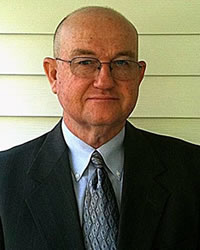
Gary Shepard

The Love Of Christ For His People

John 13:1
Gary Shepard April, 18 2010 Audio
0 Comments
Gary Shepard
Gary Shepard April, 18 2010

Sermon Transcript

Auto-generated transcript • May contain errors

100%
All right. John chapter 13. I want to look back again at
the first verse. Now, before the feast of the
Passover, When Jesus knew that His hour was come, that He should
depart out of this world unto the Father, having loved His
own which were in the world, He loved them unto the end. When most people in our day speak
of the love of Christ, they fall far short of how the
Bible represents that love. As a matter of fact, they not
only fall far short of it, they actually misrepresent it. In our text, the Lord Jesus Christ
now faces the greatest hour of his humiliation. He is about to face the suffering
and the death of the cross that is immediately ahead of him. And this verse says, but when
Jesus knew that His hour was come. You see, He is the omniscient
God. He knew full well what was about
to take place. And He knew that this was the
hour appointed from old eternity. There could nothing happen to
Him before this hour, and this was that hour and time, it says
that he should depart out of the world. That word depart there
means to go from one place to another. And it is something
like what was said concerning the conversation that took place
between Christ and Moses and Elijah on the Mount of Transfiguration,
where it talks about the discussion being at that time about his
decease or his exodus which he would accomplish at Jerusalem. He knew that the hour when he
would depart out of the world and return back to the Father
was at hand. And if that had been you or me,
especially me, I'm sure, we would have been very much concerned
about our own situation, our own danger, if you will, or our
own attention. But the attention of the Lord
Jesus Christ as the Savior and Redeemer of His people was not
centered in Himself, but was rather centered on an undeserving
and unlovable people, a bunch of sinners which he came to redeem. And here is that occasion where
we find a reference to the faithfulness of the love of Christ. It says, and having loved his
own, which were in the world, he loved them unto the end." Now, what distinguishes the love
of Christ that we find spoken of in this book for His people
from this generic kind of love that we hear talked about in
religion today. There are a number of things
that I want us to notice here again. And that is, first of
all, the distinction that is made again and again in this
book concerning those who Jesus Christ actually loved. And the thought always comes
to my mind, and ought to come to the mind of anybody who stops
and thinks for a minute. If, as most teach, he loves all
people alike, and most of them, according to his own word, will
definitely perish, then what good was it for them to be loved
by Him. But you see, the Bible does not
leave us with that kind of a view of the love of God. The Bible
sets forth the love of God that is in Christ Jesus as a particular
and distinguishing and definite love that He has for His people. If you notice here in that verse,
it says, and having loved his own. In other words, it is expressed
in such a way, by these words, it says that those he loves,
it uses this term, having loved. In other words, when he loved
them, it was not simply when he first came into this world,
but he has loved them with what the Scriptures call an everlasting
love. Listen to what the prophet Jeremiah
records in Jeremiah 31 and verse 3. He says, The Lord hath appeared
of old unto me saying, and what he says to one of his people,
he says to them all, Yea, I have loved thee with an everlasting
love. In other words, because I have
always loved you, therefore, with lovingkindness have I drawn
thee. And you see, few people seem
to ever stop to realize that no sinner can ever do anything
to cause God to love them. And not only that, but the Scriptures
teach most clearly that the Lord Jesus Christ being, as it says,
the same yesterday and today and forever, He loves His people
as He only can as the Immutable One. He cannot change. He cannot change for the better. He will not change for the worse. And so everyone that He loves
right now or shall love in old eternity, past and future, He
has always loved them the same. In every sense and way, the same. And He chose them because He
loved them. In other words, the choice that
we read about in Scripture is the choice that is born out of
that love. And it's distinguished if you
look here in verse 18. He says, I speak not of you all. In other words, we know that
Judas Iscariot, who betrayed him, was one who was present. He said, I speak not of you all,
I know whom I have chosen, but that the Scripture may be fulfilled,
he that eateth bread with me hath lifted up his heel against
me. The love of God which is in Christ
everlasting love is a love which was demonstrated in this choice
of his people before the world began. Let me read you these
words spoken by the Apostle Paul in 2 Thessalonians chapter 2
and verse 13. He says, but we are bound to
give thanks always to God for you, brethren beloved of the
Lord. Now, when I started thinking
about trying to say a few things about this thought this morning,
the thing that seemed to overwhelm me was how impossible it is For
a human being, even one who is loved of God, how impossible
it is to speak the extent and the depth and the glory of God
Almighty in Jesus Christ loving a sinner. He said, but brethren, I give
thanks to God for you, you who are these beloved of the Lord,
because God hath from the beginning chosen you to salvation through
sanctification of the Spirit and belief of the truth. If he loves all, then what does
the love of God have to do with their salvation? No, he says,
brethren, not only did God love you with an everlasting love,
but in that love He also chose you to salvation. And not only that, not only that,
but he speaks here of His love being toward those who are His
because He not only loved them and chose them, but because of
the purchase of that redemption. Now, would it be even humanly
logical to imagine that on the one hand, God loves somebody,
and yet on the other hand, that they fail to actually redeem
that person? Let me read to you what Paul
says when he speaks to those elders at Ephesus. He says, Take
heed therefore unto yourselves and to all the flock over the
which the Holy Ghost hath made you overseers to feed the church
of God. Now, what is he admonishing them
to do? He is telling them, as those
that God has appointed as overseers to a particular part of His flock,
that they are to feed the church of God, he says, which He purchased
with His own blood. Now, you know and I know that
in the eyes of most of what passes for Christianity in our day,
in the eyes of most preachers in our day, what passes for the
love of God, they imagine can be summed up in one verse, John
3, 16. What does that say? It says,
For God so loved the world, that he gave his only begotten Son,
that whosoever believeth in him should not perish, but have everlasting
life. And here's what they say. Well,
we believe, if it says that God loved the world, we believe that
it means that He loved every person in the world irrespectively. Now, if that be the case, that
would make salvation based on the love of God in Christ to
be generally a failure. But turn over, if you would,
first of all, in Revelation chapter 14. Revelation chapter 14, and if
you look in Revelation chapter 14 and verse 4, those that are
in heaven seen by the Apostle John making up the whole company
of God's people. Listen to how he describes them. He says in verse 4, these are
they which were not defiled with women, for they are virgins. These are they which follow the
Lamb, whithersoever he goeth. These were redeemed from among
men." Now, the love of Christ is redeeming
love. And rather than saying that He
in that love redeemed every single person, it says that these that
are described here as pure and holy and espoused to one, the
Lord Jesus Christ, that the Lamb redeemed them from among men. Not every person, but from among. So what does it mean when it
says that He so loved the world and gave His only begotten Son? If you turn back over to Revelation
chapter 5, listen to what it says in Romans 5 and verse 9,
and this is a kind of commentary on just exactly what He means
when He says that He loved the world. This same company, the same host
of the Lord's people, seen in heaven by the Apostle John. It says, "...and they sung a
new song, saying, Thou art worthy to take the book, and to open
the seals thereof, for Thou wast slain, and hast redeemed us to
God by Thy blood." Now, who's he talking about here? He's talking
about the redeemed company of the saints. And they are praising
the Lamb, they are praising the One who sits on the throne, they
are praising the Lord Jesus Christ who they describe in this way
as the One who was slain and has redeemed us to God by Thy
blood out of every kindred and tongue and people and nation. Out of. And the reason why we
find this word world used oftentimes in the New Testament, especially
by the Apostle Paul, who was himself by birth a Jew. is because that wall of partition
that appeared to separate Jew and Gentile throughout all the
Old Testament, throughout all of history, to the coming of
Christ, And God, in that time, never having sent Himself to
any people but the Jews, never called a prophet out of anyone
but the Jews, He now makes manifest in the gospel that His people,
the people that He loves, the people that He chose, The people
that Christ came into this world to redeem, they are a people
not just of Gentile, and not just of Jew, not just of one
nation, and not of another nation, not of just one color, not of
just one class, but he said, a people out of every kindred,
tribe, and tongue. He came in the demonstration
of His love to save that people that He loved, which is a people
that He chose by His grace in Christ before the world began. And they're not only described
as His own people, His own church by redemption, but they're described
as those, it says, that were bought with a price or those
who are His own possession. He refers to them as My sheep. My sheep hear My voice and they
follow Me. He refers to them as His own
brethren. He refers to them as His own
friends, and His own servants, and His own children. He says, to husbands. He said, husbands, love your
wives. even as Christ loved the church
and gave himself for it." Now, he no more teaches universal
love concerning those who are saved any more than he teaches
universal love for husbands, as they are to demonstrate it
to anybody's wives. He said, having loved his own. And he's talking about those
who he brings to be born of his Spirit. He's talking about these
out of Adam's fallen race that in love he chose and redeemed,
and by virtue of that in love he will also call and bring effectually
every one of them to believe on Him, and trust Him, and love
Him, and have an interest in His gospel, and an interest in
His purpose, and grace, and mercy, and distinguishes them from such
as the Pharisees. He said to them, you believe
not, because you're not. of my sheep. And oftentimes I'll get to questioning
myself. I'm about the world's worst sometimes,
I think, about questioning myself with regard to what it is I'm
trying to preach. But when it all is said and done,
there are two things that I'm sure And the one thing is that
the only thing I can say about Christ, about the love of Christ,
the death of Christ, whatever it is about Christ, the only
thing that I can say is what he said about himself. And the other is this, that I
can't give one sinner life. That I can't make you fall in
love with the one that you hate by nature. That I can't enable
you to see. I can't give you an eye to see
or a heart to receive or faith to believe the Lord Jesus Christ
as is described in Scripture. I can't make you see the King
in His beauty. But He can. He can. And He will to all His own. And He is, in His faithfulness
to them, going to demonstrate His love to them so as to bring
them to fall in love with Him. All right? Here's my second thought. Who did He love? He loved His
own. What about the reason He loves them? Now, here's person A over here
and person B over here. They're set forth in Scripture
a lot of times. Person A over here being Tain,
the firstborn of Adam and Eve. Person B being Abel. Person A
being Ishmael over here. Born to Abraham, Isaac over here
born to Abraham. Person over here is Esau. Person over here, B, is Jacob. And yet it is shown and demonstrated
again and again, it is said of Esau, he said, Esau have I hated,
but Jacob have I loved. So what's the reason of his love? I think it's obvious, or it ought
to be obvious to us if we're not so blinded by our own self-righteousness,
which we are by nature. He loved those he loved, not
because of any good or quality in them. I can tell you this, if you ever
find a reason in yourself for God to love you, You've got a problem. It is not because of anything
they have done, or anything they are doing, or anything that they
will do. It cannot be because of their
love for Him. It cannot even be because of
their need. Everyone is in need. You see, the reason or the cause
of God's love for any son or daughter of Adam is because of
something in himself. Not me. Not you. His love is described in this
book and demonstrated to be a sovereign love, and He loves them because
of His grace, and He loves them simply because He loves them. You know, Betty and I get real
close to being about 45 years married. And I can remember a moment,
at least in my experience, I can remember a moment when I loved
her distinctively, individually, personally. But you know there were a whole
lot of other girls, and I'm sure many, many more with good qualities
and traits and beauty too, though I'm a little bit prejudiced to
believe none quite so much so as her. But there were others.
But I can't really explain why I love her. But that being the case, even
in a far, far, far greater sense, I can find no reason whatsoever
in myself that Christ would have loved me. You see, when the Lord God, in this everlasting love, when he can be challenged by
devil or man as to why he loved anybody. And after that challenge is made,
no evidence or reason can be offered up by any of devil or
man as to why he should. He retreats back into himself,
into his sovereignty acting as God. And he said, I love her,
I love him, I love him, just because I would. Just because I'd be gracious. to whom I be grateful, just because
I'll show mercy to whom I'll show mercy. And I do that because
I'm God. And nobody can stop me. And he demonstrated that in what
he did with that nation of Israel. And he gave that as an evidence. Moses said, The Lord did not
set His love upon you, nor choose you, because you were more in
number than any people, for you were the fewest of all people,
but because the Lord loved you, and because He would keep the
oath which He had sworn unto your fathers, Hath the Lord brought
you out with a mighty hand and redeemed you out of the house
of bondmen from the hand of Pharaoh king of Egypt? You see, there's nothing in the
grace of God, in the true love of God to puff us up. It's just it. It's the most deflating thing. of all human ego and all imagined
worth and all imagined self-righteousness. He said, I just loved you because
I would. And not because of anything that
he saw that we would do, not even because of our believing.
His love is an unconditional love, and His election is an
unconditional choice, and His love is free, and it's not fickle,
and it does not weary, because it finds all the cause in Himself,
and He is unchanging and pure in every way. But here's the thing I want you
to know, Moses. And that is the way in which
his love is demonstrated. It's always amazing to me. I
have friends, I have family, I have acquaintances that can
with such sincerity express that they have experienced the love
of God. And yet they know nothing about
how Christ actually demonstrated His love to His people. Now,
something's wrong there. I know that He demonstrates His
love in what He teaches His people. I know He demonstrates His love
by His example before them. and by His encouragement to them,
but the great proof, what the Scriptures give as the great
proof and demonstration and manifestation of His love for His own is His
death for them." He said scarcely. For a righteous
man would one die. Scarcely for a really good person. We could find one, scarcely for
such a one as that would somebody lay down their life. But because the people that Christ
loved, the people that were the objects of His everlasting affection,
because they are wretched and vile and lost and hopeless sinners,
the only way He could in the demonstration of His love save
them is to take on Himself human flesh and come to die in their
place. He said, greater love hath no
man than this, than to lay down his life for his friends. Does that ever enter into your
mind? Do you ever spend any time just contemplating how amazing
and how awesome that this would be? that before you were ever born
into this world, before you had ever come forth
from your mother's womb, before anybody had laid a name and title
to you, before the earth was ever created, the eternal God the Eternal Son,
the Word that was God, the Word that was in the beginning with
God, the Word by whom all things were made, that He loved Jesus with such a love that He would lay aside His heavenly
glory. and take upon Himself a human
body, and come into this world, and stand before the justice
of God in your place, that He would suffer in Himself
all that you were due because of your sins. That He would endure
this affliction of sinners. That He would find Himself crying
out from the cross, separated from God, My God, My God, why
hast Thou forsaken Me? That He would ever love you so
much as to do that. as to not only
keep His eye on you and watch on you individually, particularly,
and separately all your days until that hour, to make this
glorious good news known to you. That He'd suffer through all
of watching you, trying to merit righteousness, trying to live
in this world to do something to please Him, all the time in
your vileness and your corruptness, turning your back on Him. You see, the great proof of Christ's
love, He says, is this, I lay down
my life for the There's nothing general about
this. You don't want your business
affairs carried on in that kind of generality, do you? Well,
you know, the president says we're going
to give health care to everybody, we're going to send a check to
everybody. I just don't feel real comfortable in that. You
know why? Because I know somebody's got
to pay. I love to hear the shepherd say,
I lay down my life for the sheep. And because I lay down my life
for the sheep, I give unto them eternal life and they will never
perish and all the sheep will hear my voice and follow me." You don't like to pay a hundred
dollars for a dollar debt, do you? You don't like to buy something
and not get it? I went to a yard sale yesterday
morning for a few minutes and a man had an old can of screws. I'm always looking for old screws,
you know, Because I'm always having to fix something. He had
an old little small coffee can full of screws, you know. Just
used screws. His dad had thrown them in there
over the years. He had lots of them, really.
He said, how much do you want for that screw? A little can
of screws. He thought of it and he said, four dollars. And I thought, man, I'm dumb,
but I won't be paying four bucks for a can of used screws. Do you think the Lord Jesus Christ,
in the demonstration of his love, is going to lay down his life
for a people he doesn't get? Do you think he's going to pay
the purchase price of his blood to redeem his bride and him not
get to marry her? No. It says in Romans 5, but God commended or demonstrated
His love toward us in that while we were yet sinners, Christ died
for us. Now, you can talk about a feeling
of love all you want to. But there it is. John says it
this way. I don't know how it could be
plainer. Herein is love, not that we love God, but that He
loved us and sent His Son, the propitiation for our sins. What's a propitiation? Well,
a propitiation is a sacrifice that removes the reason for God's
wrath and therefore removes the wrath. And in the Old Testament
it's an offering described as covering sin and thereby hiding
its offense from God and making Him propitious or merciful to
sinners. And the blood of those sacrifices
were sprinkled on the mercy seat or the perpetuatory in the Holy
of Holies. But Christ's sacrifice has once
for all fulfilled what was typified by those sacrifices. He is the
priest, the offering, and the mercy seat. and saves all his people from
their sins. What was it that old hymn writer
wrote? He said, redeeming love has been my thing and shall be
till I die. I'm not going to talk about the
generic love of God. I'm not going to speak of this
one-size-fits-all God in our day. I'm not going to talk about
the many faiths. He is the One who demonstrated
His love. and of whom Paul says that we
are to walk in love as Christ also loved us and hath given
himself for us, an offering and a sacrifice to God for a sweet-smelling
savour. What did he do? He took upon
Himself our sins. The Lord God, in that demonstration
of love to His people, laid on Him, or imputed to Him, all the
sins of His people. And it says, at the same time,
He imputed to them the very righteousness of God. That's what I love. His righteous
love. His saving blood. His sacrificial death. Paul says, but God who is rich
in mercy for His great love wherewith He loved us. Did you know in almost every
case in the Bible where the love of God concerning His people
is spoken of is in the past tense, wherewith He loved us. I expressed that one time to
a preacher, and he said, but, you know, we need to also talk
about the universal love of God. I thought, show it to me. He
loved us, even when we were dead in sins, and he hath quickened
us together with Christ. By grace ye are saved. Paul, now our Lord Jesus Christ
Himself, and God, even our Father, which hath loved us, and hath
given us everlasting consolation and good hope through grace."
John said, we love Him because He first loved us. As a matter of fact, until the day that the Spirit of God comes
to one of His people. And by that new birth brings
them from spiritual death to life, from unbelief to faith,
from darkness to light, brings them to believe on the Lord Jesus
Christ until that day comes. This is a one-sided love affair. He's loved us with an everlasting
love. But we're never brought to love
Him until He comes to us and gives us life. Oh, we love God,
we say. We love that God we've invented
with our mind. Or rather, as it is in the most
cases, we love that God that some preachers invented for us.
He knows what kind of God it'll take to keep us coming to church.
He knows what kind of God it'll take to keep us given. He knows
what kind of God it'll make Him popular. And so, He's made that
God for us. But we don't love this God until we're brought to know that
He first loved us. Well, what is the extent of His
love? Just like with these disciples
that said, having loved his own, he loved them till the end. Till the end. To the end of what? Well, to the end of their life
and journey in this world. You see, if Christ loves me,
he's going to love me all the way to the end. Not only that, but He's going to love me through
everything. He loves His people. You know, a lot of people, I've
said this, a lot of people have got an idea of the love of God because
they don't know anything about the love of God. They've got
an experience like the man does when he picks The petals off
the flower, you know. She loves me. She loves me not. She loves me. That's their experience.
Because they're basing it on whether they feel it or not.
They're basing it on what they think they're doing at a particular
time or not. That can't be the way the love
of God is. He says that He's going to love
us to the end because His love is always based on something
He is and something He's done for us. He says nothing shall
be able to separate us from the love of God which is in Christ
Jesus. And I sure am glad that it didn't
say, from the love of God which we have for Christ Jesus. Because I'm afraid that my love
is often a fickle love. I'm afraid it's oftentimes based
on what I feel at the time. But He loves us to the end, to
the end of all our falls, all our failures, all our wanderings,
all our fits of unbelief, all our unfaithfulness, all our coldness,
to the end of all our great need. Actually, what that word means, That's translated here to the
end. It actually means continually. He loves his people continually.
He loves us in our heartaches. He loves us in our afflictions.
He loves us continually. And how could we ever question
it, though we do? How could we ever question it
if we remember that He loved us and gave Himself for us? The old writer said, His love
No end or measure knows. No change can turn its course. Eternally the same it flows from
one eternal source. Having loved his own, he loved
them to the end. May the Lord be pleased to make
known to us, make manifest to us, the love he has for his people
and the love he demonstrates in Jesus Christ and him crucified. He loved us, and He gave Himself for us, for
me. That's amazing. Amazing love. How can it be that Thou, my God,
shouldst die for me? Father, this day we give you
thanks and praise. We pray that you would enable
us, by your grace, to love you and to be able in some degree
to contemplate and to think upon and appreciate the love you have for us. May we be found among those unlovely
sinners that you've loved and given Christ that you might bring us unto
yourself. Help us, we pray. in your wisdom, these that have
lost loved ones and all our needs, Father, we bring
them before you and cast all our cares at your feet. We thank you. We pray in Christ's
name. Amen.
Gary Shepard
About Gary Shepard
Gary Shepard is teacher and pastor of Sovereign Grace Baptist Church in Jacksonville, North Carolina.

Comments

0 / 2000 characters
Comments are moderated before appearing.

Be the first to comment!

Joshua

Joshua

Shall we play a game? Ask me about articles, sermons, or theology from our library. I can also help you navigate the site.