Bootstrap
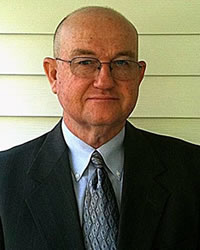
Gary Shepard

The Silence of the Lamb

Matthew 27:12-14
Gary Shepard April, 11 2010 Audio
0 Comments
Gary Shepard
Gary Shepard April, 11 2010

Sermon Transcript

Auto-generated transcript • May contain errors

100%
Turn back in your Bibles to our
reading there in Matthew 27. Matthew 27. And I want to go back and read about three verses that we've already read. And that begins in verse 12. And when he was accused of the
chief priests and elders, he answered nothing. Then said Pilate unto him, Hearest
thou not how many things they witness against thee?" And he answered him to never
a word, insomuch that the governor marveled
greatly. I've called this message this
morning, The Silence of the Lamb. I'm not talking about the movie. I've never seen the movie that
is entitled Silence of the Lambs. I've seen the previews on TV,
and I I would probably never watch it because there are enough
things in the real world to depress me without watching something
like that. No, this is the silence of the
Lamb. And these verses speak about
one who is himself the truth. He was without any question the
greatest preacher, the greatest teacher that has ever lived on
this earth. And he was never unable to answer
anybody's question no matter how simple and no matter
how complex or deep it might have been. Yet at this hour, he is silent. And two times just in this chapter
and just in these verses, the Spirit of God gives us this information
and emphasizes it. He answered not a word. To those priests, to those religious
leaders, to those scribes and Pharisees as they questioned
and examined him to the one who supposedly had power over his
life, Pilate. He didn't answer them one word. And I thought about it this week
how that At this time, His silence speaks volumes. He says a lot just in His silence. And it will speak volumes to
us if God is pleased to give us those ears to hear. and hearts to understand." I know this, it says something
about us. It says something about fallen
man of which we are a part as a whole. Because he knew that
they would not have listened to him. They would not have received
his words. They would not have obeyed any
reply or instruction he gave, and neither would we by nature. You see, in a great sense, all
of these around his interrogation and his crucifixion, all of these
are just as we are in Adam. When he sinned, we all sinned. And just as we are by nature,
and most especially just as we would have been had we actually
been there. They shut their ears and they
shut their minds to Him because of their own utter sinfulness,
because the natural mind is enmity against God. And not only that,
but he is silent here, and we need always to remember this,
he's silent here because this transaction, what is about to
take place here, it is not between God and men, it is between the
Father and the Son. The die is cast here, as we say. And so exclusive is the conversation
now. So confined is the transaction
now that is about to take place that the Bible says that while
it goes on on the cross, God shrouds it in total darkness. so as to exclude every other
party except the Father and the Son. This was the hour that was simply
between a just God and the surety of all His elect people. But not only does this silence
say these things, but not only does it speak of our sinfulness,
it speaks of His sinlessness. You see, men shut their ears
to Him as a proof of their sinfulness, And he shut his ears to their
taunts and to their false accusations and such as a proof of his sinlessness. He answered them not a word. As a matter of fact, he said
that that would be the case when he spoke through the psalmist,
when we hear the words of the Messiah when he says this in
Psalm 38, But I, as a deaf man, heard not, and I was as a dumb
man that openeth not his mouth. And if he had, just think about
this, if he had, and in doing so showed himself to be a sinner
just like they were, if he had, he could not have been the Savior. He could not have been the sacrifice. He could not have been the Messiah
fulfilling all these promises. He did not respond in anger. He did not react with malice. He did not murmur or retaliate. But He was in this most awful
occasion. Now, you and I can be accused
of something and it be true. We know it in our heart, but
we'll rise up in some kind of response or retaliation. But in all of this, he is at
all times without sin, and now he would show himself as holy
and harmless and undefiled and separate from sinners even the
more, he would show himself to be the one who knew no sin. He did not complain or criticize
or charge any of these men who were around him. And not only
that, he did not complain to them. He did not even complain
to God. And he did not suffer, therefore,
as an evildoer, but as that lamb without splot and without blemish. He lived and He stood in this
moment, just especially prior to that cross death, in the only
character a holy God can accept. And though His enemies, being
right there especially, though they could not see it, He was
even in His silence, that perfect One, that One well-pleasing to
God in every way. His silence, therefore, shows
that He is without sin. But not only that, but it also
speaks and assures Christ in His sacrificial character. Hold your place right here and
turn back to Isaiah 53. Isaiah chapter 53. Here in chapter 53, the prophet,
as he is taught by the Spirit of God, as the Spirit of Christ,
which the Apostle says, that was in them directed him to speak
and write. Look at what it says in verse
7. Isaiah 53, verse 7. He says, he was oppressed and
he was afflicted, yet he opened not his mouth, he is brought
as a lamb to the slaughter, and as a sheep before her shears
is dumb, so he openeth not his mouth." In other words, according
to the prophet, the Christ would at this hour of His coming show
himself as the Lamb of God and in doing so be like this lamb
or this sheep that is dumb or silent before her shearers and
her executioners. That word in verse 7 that is
translated as oppressed. We would kind of take that, I'm
sure, in a little bit lighter fashion in our day. But the word
here that is translated oppressed means to have a payment of a
debt sternly exacted, required, paid to the last sin to the last
degree to the total satisfaction of that debt in a just manner. And so he speaks of Christ in
this sacrificial character as that lamb from which is exacted
by the justice of God the exact price and payment. He comes and he does so before
God, and this debt of sin which was due his people is exacted
from him through his sacrifice. Listen to what it says in Deuteronomy
of that very principle. He says through Moses to the
people, and this is the manner of the release. Every creditor
that lendeth ought unto his neighbor shall release it. He shall not
exact it of his neighbor or of his brother, because it is the
Lord's release. of a foreigner, thou mayest exact
it again, but that which is thine with thy brother thine hand shall
release." What was that pointing to? The fact that all of Christ's
people, all of God's elect, they could not have this payment exacted
of them because they had no ability to, first of all, and because
they were in relationship to Him in this way of grace, and
so it is the Lord's release that accomplishes that. But how is
that? By the sacrifice of Himself. By the sacrifice of God's Son. And this is God's Lamb, not only
prophesied here in Isaiah, but actually at the hour there in
Matthew 27, this is God's Lamb about to lay down His life for
the sheep. This is Christ coming to His
cross in the fulfillment of this prophecy, and this speaks of
the good news of the gospel wherein the full payment of the debt
of our sins is exacted from the Lord Jesus Christ. It speaks of His death on the
cross. as that one sacrifice for sins
forever. Whenever John the Baptist, who
is described by this prophet and others as the very forerunner
of the Messiah, when he was to be the one to be immediately
before the coming of God's Christ and announce and proclaim his
coming, when he saw Christ the first time. This always sticks in my mind. He could have said, Behold the
Son of God. He could have said, Behold the
Creator of our world. He could have said, Behold the
Holy One. Behold the One who has ruled
and sustained all things all our days." He could have said
so many things about Him, but what He said was, Behold the
Lamb of God who takes away the sin of the
world. not just Jew, but Jew and Gentile,
the sins of His people from among every kindred, tribe, and tongue,
those who are the objects of God's grace and mercy chosen
in Him before the foundation of the world, whether they were
Jew or Gentile, as that divine election showed them to be chosen
of God, that they might be redeemed by the sacrifice of Christ. You see, the silent Lamb is God's
Lamb. The silent Lamb here is the one
He provided And the silent Lamb here is the
only one whose sacrifice He has ever or ever will accept. There are lots of people who
are so absolutely deluded and deceived and self-deceived simply
because they want to be Believing that they are in some way able
to present something to God that He will accept. That they are able to do something
to gain His favor. That they, in their going about
before God in this world, can in some way establish a righteousness
He will accept But the apostle said, if righteousness come by
the law, by the works of the law, then Christ died in vain. Even when you come down to the
last book of the Bible, even when we are shown what is called
the revelation, When we are given this panoramic view of God concerning
this world, both His people and His enemies, right in the middle
of everything He shows is Christ. But not just Christ in some mystical
way. Not just Christ as some kind
of historical figure. but Christ as this Lamb. Let me just read you a couple
of verses. One in Revelation 5, when John
is given this revelation, he says, And I beheld, and lo, in
the midst of the throne, and of the four beasts, and in the
midst of the elders, stood a Lamb, as it had been slain." In other
words, what that says is, he said, I saw a lamb as if it were
newly slain. Then again, in Revelation 13,
he says that all that dwell upon the earth shall worship him,
not Christ, But this beast, this powerful one, this glorious one
to the eyes of natural men, he said everybody on the earth will
fall down and worship him rather than the true God whose names are not written. in the book of life of the Lamb
slain from the foundation of the world. He came into this
world to suffer and to die in the room and stead of His people. And His silence also shows His
submissiveness in doing this. Look here in verse 7 again. It says, and when the prophet
writes, it's as if this is already a done thing. Why? Because it
could never be stopped. Because it had to be. Because
there was none who could alter God's purpose or stop Him in
the doing of it in any way. It says that when all of this
was taking place, that he was oppressed and he was afflicted,
yet he opened not his mouth. You know what I found out? I
found out that the hardest thing that I can do, and I mean this,
The hardest thing I can do is keep my mouth shut. If I think that I know something
that you don't know, I can't hardly keep my mouth shut. If
I think that I'm right and you're wrong, I can't hardly keep my
mouth shut. And if I am offended in any way,
or if injustice comes my way in any form whatsoever, I cannot
hardly, no matter what I read, I cannot in myself and of myself
keep my mouth shut. One reason is because somehow
in my stupid mind I imagine that not to respond to stuff is an
admission of guilt. Must not be, Hank. Must not be. You see, his silence showed him
to be submissive showed that His work and His sacrifice was
absolutely voluntary, that He was the willing Savior, that
He came into this world to do the Father's will. He could have said to those men,
and it would have been true, I'm not here to answer your questions,
I'm here to answer to the Father. Turn over to John chapter 6.
John chapter 6, and look down in verse 37. As a matter of fact,
when you listen to what Christ says, to what men ask and question
about all the various things that they ask, in just about
every case, His whole public ministry, He's not answering
their questions. Listen to what it says. Verse 37, John 6, he says, "'All
that the Father giveth me shall come to me, and him that comes
to me I will in no wise cast out. For I came down from heaven
not to do mine own will, but the will of him that sent me
And this is the Father's will which hath sent me, that of all
which He hath given me I should lose nothing, but should raise
it up again at the last day. And this is the will of Him that
sent me, that every one which seeth the Son, and believeth
on him, may have everlasting life, and I will raise him up
at the last day." You see, he's not ever really
answering their foolish questions. He is forever the one with his
face set as a flint toward Jerusalem, always doing the Father's will,
always accomplishing this work that the Father gave Him, always
seeking to do that for which He came in saving His people. And He is doing it willingly,
freely. He is like God says in Hosea
concerning His people, He said, I will love them freely. Like Paul says when he speaks
of our being justified, we are justified freely. That is, without any cause in
us, we are justified freely through that redemption that is in Christ
Jesus. Turn over to John chapter 10.
John chapter 10, and look down at verse 11. He says, I am the
good shepherd, the good shepherd giveth his life for the sheep. Now, you think about this. In
the natural realm, And everywhere else we read,
the sheep are to be the sacrifice, not the shepherd. But you see, the sheep are the
Lord's people. They are those that God is saving. And so in order to save these
sheep, the shepherd has to give his life for the sheep. Look on down in verse 17. He says, Therefore doth my Father
love me, because I lay down my life, that I might take it again. No man taketh it from me, but
I lay it down of myself. I have power to lay it down,
and I have power to take it again. We're a foolish lot. We imagine
that we have the power over our own life and death. We don't. We don't. You say, well, I hear of people
committing suicide all the time, die, take, we say this, take
our own life. But how many times, and we never
want to think about this, how many times do we think and remember
those who have tried to take their own life, but they have They have put guns to their head
and pulled the trigger, which surely must have killed them,
hadn't it? No. Somehow. We say amazingly, even miraculously,
they live. The bullet never hit any vital
part. Oh, they may have been left maimed
for life. But God has the power of life
and death for us. And most especially did the Savior
have this power to lay down His life. It says that He yielded
up the ghost. I have the power to lay it down,
and I lay down my life for the sheep. You see, it is in meekness
and in patience that he suffers in the place of his people. And
how can he be submissive when it appears to be such an injustice? He had done no sin, and they
had done nothing but sin, and yet he's dying. How can he be
so How can He be this Lamb silent before His shears is done? Because
the just God, in order to be a Savior to His people, has imputed
to Him, or is holding Him accountable for all their sins. He is silent. Because God did
this. I'll tell you this, with all
our disappointments, all our sorrows in this world, all our
heartaches and our tragedies, if we are ever enabled to know
the reality of this, God did it. That's where our peace will be. It is. And know that He can do nothing
wrong, and know that whatever He does is good and right, but
most especially that whatever He does, it is for the good of
His people and the glory of His name. If you look down here in Isaiah
53, it tells us in verse 4 that this one who is despised and
rejected of men, this man who is a man of sorrows and equated
with grief, this man that men hide their faces from, that is
despised and esteemed, not at all. He says in verse 4, Surely he
hath borne, or carried, or borne in himself our griefs, and carried
our sorrows, yet we did esteem him stricken, smitten of God,
and afflicted But He was wounded for our transgressions, He was
bruised for our iniquities, the chastisement of our peace was
upon Him, and with His stripes we are healed." Not we can be healed. Peter says, you were healed. You see, our salvation does not
depend on what we do. It all had to do with what He
did. And this silent Lamb, not only on the cross, but standing
before divine justice, willingly and freely and voluntarily and
submissively and silently, takes upon himself that justice
that we were due. And as he did, he was never in
more control before that, after that, or even
right now, than He was then. It says it pleased the Lord to
do this. Satisfied Him. The psalmist again,
speaking the words of the Messiah, he says in Psalm 39, I was dumb,
speechless, Said nothing. I was dumb. I opened not my mouth,
because thou didst it." God did it. He did it. And it pleased, or it satisfied
Him. And he was silent in this submissiveness
because of what he is successfully accomplishing. You ever have
an experience in your life when you know what's going on? You really know what's going
on. You really know what the situation is. You really know
what's being done. You really know already what
you've already done. And here's a bunch of people
over here and they're jabbering and fussing and complaining and
murmuring and fearful and all these kind of things. You just
kind of sit back and your lips closed. Why? Because you have an assurance. You don't have any worry. You
know what has been done. You know what's taken place. And you see our Lord, He stands
here at this hour with a quiet assurance. He has absolute trust
in the Father to raise Him up from the dead. He has absolute
assurance that the Father will accept His glorious sacrifice. He has absolute assurance that
the Father is going to glorify Him for what He does. My saying is always this, he
who laughs last, laughs loudest. You don't have to defend against
something if you know. I mean, if you know what things
really are. And because he knows that what
he is doing will justify, will declare righteous, will save
many. Many. Turn over to 1 Peter chapter
2. 1 Peter chapter 2. And you look down in 1 Peter
chapter 2. It describes the Apostle Peter
does by the Spirit. It describes the Lord Jesus Christ. And he says, Who did no sin,
neither was guile found in his mouth, who, when he was reviled,
reviled not again. When he suffered, he threatened
not, but committed himself to him that judgeth righteously. who his own self bear our sins
in his own body on the tree, that we, being dead to sins,
should live unto righteousness, by whose stripes ye were healed. For ye were as sheep going astray,
but are now returned unto the shepherd and bishop of your soul." When he was reviled, he reviled
not. When he suffered, he threatened
not. But he committed himself to him
that judgeth righteously. How was that? He suffered the
just for the unjust to bring us to God. You see, He is the surety. He is the One who in old eternity
assumed the full responsibility, became the guarantor of all His
people in the matter of their sin and death. And now the hour
has come when the surety Pays up. You see, Christ as a surety is
not like the guarantor of a deed or something, a loan in our day,
which is if this person does not pay, then if I'm the guarantor,
I'll step in and pay it. That's what I'm guaranteeing
that I'll do. No, that's not what a surety
is. The surety from the beginning
takes the full responsibility for the whole deal to pay it
all himself. That's why in Proverbs he says,
if you become a surety, you're going to pay for it. It's not
going to be a matter of if or Just a matter of when. You're
going to pay for it. You're going to suffer for it.
And He is the surety. This is why He came. He is the
substitute of people. And this is His hour. All we like sheep have gone astray. We've turned every one to his
own way, and the Lord hath laid on him the iniquity of us all. He opens not his mouth. He's
taken from prison and from judgment, and who shall declare his generation? For he was cut off out of the
land of the living for the transgression of my people. Was he stricken? Old Hawker says, the expression being taken
from prison and from judgment is uncommonly striking. and plainly confirms the doctrine
of his propitiatory offering for being cast into prison and
taken from judgment, fully proves that in all this Jesus stood
as the believer's head and not as a private character. Therefore,
when he was cast in, the dead of his people was the cause,
and his being taken out is a plain proof that the prison keeper
was paid and the prisoner could no longer be left in confinement. My friend, this is also our gospel. This is our hope. This is our
salvation. This is the only righteousness
this is. This is the only good news there
is. There was a man from Ethiopia. He was the eunuch, the treasurer
of Candace, the queen of Ethiopia. And in the book of Acts, it says
that he had traveled down to Jerusalem. He was now leaving
Jerusalem. He's out riding in his chariot
across a desert place, and he's reading from Isaiah. And the Lord sends a man by the
name of Philip. And Philip sees him riding in
that desert, reading that scroll. He said, you understand what
you're reading. He said, uh, how can I? He said, some man showed me. And so Philip joined himself
up, it says, to the Ethiopian, got up in his chariot, and as
they're riding along, it says, the place of the scripture which
he read was this. He was led as a sheep to the
slaughter. And like a lamb done before her
shears, he opened not his mouth. In his humiliation, his judgment
was taken away, and who shall declare his generation? For his
life is taken from the earth." He said, who is he talking about
here? And Acts says that from this
portion, from this scripture, Philip preached unto him Jesus. He preached unto him the silent
Lamb. And then I'll just say one more
thing in closing, and that is, he is in this also our example. Our example. An old writer said,
we're here exhorted to patience and meekness that following the
example of Christ we may be ready to endure reproaches and cruel
assaults, distress and torture. You see, before Peter makes reference
to this very thing we're talking about, He says in verse 21, For even
hereunto were you called, because Christ also suffered for us,
leaving us an example that we should follow in his steps. He was reviled, but he reviled
not. He was spoken against, but he
was silent. He also left us this as an example,
perfect example that we should follow in His steps. He opened not His mouth, but in His silence. Like I said, He speaks volumes. May the Spirit of God use His
silence and all these references to it to speak to our hearts, to speak peace to our hearts. that He bear our sins in His
own body as the Lamb of God and took those sins away by the sacrifice
of Himself. Father, this day we give You
praise. We give You thanks. We give You
all the glory. We pray that you would cause
us to enter in to the silence of Christ and
what he is accomplishing in that hour on our behalf. We who are so unworthy, so undeserving, and yet you're pleased to save
us in Christ and for Christ's sake. Help us, we pray. Lord, do that work that we cannot
accomplish. Reveal Yourself in us. Give us an eye of faith to look
to Christ, and that ear of faith to listen to Your Word. For we pray and ask all of it
in Christ. Amen. Okay.
Gary Shepard
About Gary Shepard
Gary Shepard is teacher and pastor of Sovereign Grace Baptist Church in Jacksonville, North Carolina.

Comments

0 / 2000 characters
Comments are moderated before appearing.

Be the first to comment!

Joshua

Joshua

Shall we play a game? Ask me about articles, sermons, or theology from our library. I can also help you navigate the site.