Bootstrap
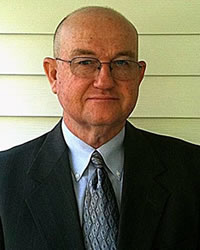
Gary Shepard

The Only Free Market

Isaiah 55:1-3
Gary Shepard November, 9 2008 Audio
0 Comments
Gary Shepard
Gary Shepard November, 9 2008

Sermon Transcript

Auto-generated transcript • May contain errors

100%
If you would open your Bibles to the Old Testament book of
Isaiah, there are some things that I
would that you would be enabled of
God to consider this morning. I thought about it in the recent
days, since the recent election supposedly
was all about the economy. I thought that There really is
very little difference in the local flea market and
the Wall Street market. Supposedly, we live and have
what has been called a free market economy. But that has brought us, I'm
afraid, in recent days to become a nation of skeptics, and rightly
so. And many have come to hold some
things as being just absolutely true. One is that there is nothing
really free. We say there's no free lunch. And then another is this, if
something is free, it can't be worth anything. And usually that's the case.
And then also, if something is given to us for free, there's
usually a catch. What's it going to cost me later?
Such as that. And that is also the way it is,
that free things usually do wind up costing us something later. And you think that we learn after
a while to turn a deaf ear to the hucksters and the conmen
and the high-pressure salesmen of our day? You think we could
see through the politicians who buy our votes with our own money,
promising to give us something in return? But most of all, you think that
intelligent people could see through false religion all of
which uses the same tactics and methods, promising what they cannot deliver. But the market to which I would
bring you this morning is not one of the markets of this world. It is not the market of godless
religion where men make merchandise of your souls. It is the free market of God's
grace. That's what I call this, this
morning, the only free market. You see, God only does business
one way. And the truth is, he holds the
only franchise on that which we are desperately in need of. And the voice that cries out
from this marketplace that we find here in our text, this is
not the voice of a huckster. Nor is it the voice of an unethical
salesman or a fast-talking politician, but this is the voice of the
God of glory. He is the God of truth, and He
is the God who changes not, the God of holiness and righteousness
and especially as he calls himself the God of all grace. Listen to him begin in verse
1. "'Ho, or alas, every one that
thirsteth, come ye to the waters, and he that hath no money, Come
ye buy and eat, ye come by wine and milk without money and without
price. Wherefore do you spend money
for that which is not bread, and your labor for that which
satisfies not? Hearken diligently unto me. And eat ye that which is good,
and let your soul delight itself in fatness. Incline your ear,
and come unto me. Here and your soul shall live,
and I will make an everlasting covenant with you, even the sure
mercies of David." Behold, I have given him for a witness to the
people, a leader and commander to the people. Behold, thou shalt
call a nation that thou knowest not, and nations that knew thee
not shall run unto thee because of the Lord thy God, and for
the Holy One of Israel, for He hath glorified thee." Seek ye the Lord while he may
be found. Call ye upon him while he is
near." I would to God this morning that
we might be enabled to hear the very sincerity of His voice. that we might be enabled to hear
His definite and effectual call, His command as we have it here,
His gracious invitation, all of which are as real this moment
as when He first said it. This market has not closed down. And he has not run out of goods. He is the infinite God, and he
possesses all things. I want you to look with me this
morning and see if we can be enabled of God to see some things
in these verses. And the first one is this, the
consumers that are here described. If you go back to that first
verse, it begins with, Ho, every one. And I believe that this
particularly means to those, whether they be Jew or Gentile,
male or female, young or old, whatever their race, whatever
their station in life, whether they are learned or unlearned,
whether they are rich or poor, every one. And that's what we
find the Lord commanding us when He tells us to preach the gospel
to every creature. no matter what he says concerning
his having a particular people, he gives the command to his preacher
to preach the gospel to every creature. And so he begins here,
O everyone, and when you read elsewhere in the Scriptures on
such occasions as when they are called to the marriage supper. Who is it that is called? He says the halt, the lame, the
blind, the poor, the maimed, whoever can be found in the highways
and the hedges. But then he goes on to describe
them in a particular character. He says, Ho, every one that thirsteth. In other words, these that he
calls particularly here are described as the thirsty. This is the requirement. And it is because Christ Himself
is the water of life, and He is not and never will be desired
by any but those who are thirsty." Men sometimes seem to glory in
the fact that He is always talking universally. But in truth, wherever
you find such words as whosoever or everyone, you will find that
there is something descriptive said about them in the text. He says, whoever is thirsty. And that's what we find all throughout
the Scriptures. Christ say, blessed are they
which do hunger and thirst after righteousness, for they shall
be filled. We hear the psalmist saying something
of the same thing in Psalm 42. He says, as the heart panteth
after the water brook, So panteth my soul after thee, O God. My soul thirsteth for God, for
the living God. When shall I come and appear
before God?" He's talking here about nothing less than a soul
thirst that is for God, that is for righteousness. And he
goes on to say in a later psalm, O God, Thou art my God, early
will I seek Thee, my soul thirsteth for Thee, my flesh longeth for
Thee, in a dry and thirsty land where no water is." And nothing describes this world
any better, any more clearly, with regard to the matter of
our souls. with regard to spiritual and
eternal things any more than that. This is a dry and thirsty
land wherein of itself there is no water." And then we hear
our Lord Himself using these same words and language. He says, in the last day, He
was describing a time in the last day, that great day of the
feast. It says, Jesus stood up and cried,
saying, If any man thirst, let him come unto me and drink. In other words, they had just
had a glorious religious festival. They had just been a part of
all the partakings of this festival, one of which was to take and
draw water from the pool of Siloam and go and pour it out in an
offering to God. They'd had all these things.
And he speaks to those who never could be satisfied by those things. And he says, yet after all of
this, if there is anybody who is still thirsty, Let him come
unto me and drink." He calls out to these who are thirsty. And in the Gospel, the Lord Jesus
Christ is described as a fountain, a fountain of water. Zachariah
said, in that day, There shall be a fountain opened to the house
of David and to the inhabitants of Jerusalem for sin and for
uncleanness." What is this thirst? It is a
thirst for forgiveness. It is a thirst for righteousness,
as he says. It is a thirst for our uncleanness
to be washed away. And Christ is pictured in the
Old Testament as that rock, that smitten rock that Moses struck. They were there in the wilderness
and they had no water. And so God, coming before Moses,
commanded Moses to go to a particular rock there in that desert place
and strike that rock. And when he did so, out of that
rock flowed all this water that made virtually a river. And when
we come to the New Testament, Paul the Apostle, making reference
to that very same occasion and rock, he said that rock was Christ. And when he was stricken, when
he was smitten and afflicted, when there on that cross the
hand of divine judgment fell against him and smote him out
of him. float all the rivers of grace
and mercy and glory. He is the well of salvation. As a matter of fact, in this
same book, Isaiah, it says, therefore with joy, speaking of God's elect
in every age, God's true Israel, he says, therefore with joy,
Shall ye draw water out of the wells of salvation?" I remember in John chapter 4,
when the Lord Jesus Christ, in His purpose and will, had need
to go through Samaria, you remember He met with that woman at the
well. She had come to that well to
draw water. And when she came to that well
to draw water, she had no mind, she had no thought, she had no
interest, she had no idea that she would leave there with water
far greater than she came for. But she did. And the Lord Jesus said to her,
if you knew, the gift of God, and who it is that saith to thee,
Give me to drink, thou wouldst have asked of him, and he would
have given thee living water." He said, if you knew who it is
That standing before you, if you knew what the real gift of
God is, it's not in a drink of this earthly water. He said,
I would have given you living water. And this is everywhere in this
book, in Revelation. He said, I am Alpha and Omega,
the beginning and the end. I will give unto him that is
a thirst of the fountain of the water of life freely." The fountain of the water of
life. We've been, most people that
I know of in one way or another, they've been looking for the
fountain of youth all their days. But then he says, come. The Spirit and the Bride say,
Come. And let him that heareth say,
Come. And let him that is athirst come. And whosoever will, let him take
the water of life free." He describes these who are his consumers as
those who are thirsty, and they are made thirsty only by the
Spirit of God. But then he goes on and continues
his description. He says, he that hath no money. This is a strange market. He describes those who are bidden
to come not only as those who are thirsty, but those who have
no money. He invites beggars to come. He commands those who are of
a broken and a contrite heart. Those who have no goodness of
themselves, no works that they can depend on, no righteousness,
those who would sing with that old hymn writer, nothing in my
hand I bring. Simply to thy cross I cling. I read something that old Matthew
Henry had to say concerning this. He said, those that are satisfied
with the world and its enjoyments for a portion and seek not for
a happiness in the favor of God, those that depend upon the merit
of their own works for a righteousness and see no need they have of
Christ and His righteousness, these do not thirst. They have no sense of their need. They are in no pain or uneasiness
about their souls, and therefore will not condescend so far as
to be beholden to Christ but those that are thirsty. They are bidden to come, and
all who do thirst God in grace has given them this thirst and
they might come to Him that they might have water. I've told you
this before, I know a number of times, but I was reading,
it might have been in a National Geographic or something like
that years ago, but I read about a tribe somewhere in the African
desert where there was just minimal water. hard to find everywhere,
and sometimes it would get almost impossible to find. And so what
they would do, they would catch a monkey and they would take
salt and rub salt on the inside of that monkey's mouth and on
his lips and such, and then they would turn him loose knowing
that he would be thirsty. And they would follow him. And
as they would follow him rapidly whichever way he went until he
found the water he knew existed. And they would likewise find
the water. And there is not a sinner on this earth, the Bible that
describes him as dead in trespasses and sin, the natural mind enmity
against God. There is not a sinner in this
world that ever is found thirsty or ever found seeking the living
water until God puts salt in his mouth. Until he has to have it. until
he's found among these that are the consumers in this one free
market of grace, and that is these that he makes thirsty and
who have been brought to find that they have no money. No money. And then I want you to notice
also, secondly, the goods that he deals in. If you notice in these verses,
you'd have to see that they are imported. That is, they are foreign
goods. He says, come ye to the waters. That has reference to a port,
or to a river, or to a seaside, or to a wharf wherein are brought
goods from somewhere else. The Scriptures say that Jesus
Christ came into this world. They say that He came down from
heaven. They say that He who was the
eternal Son, the Word that was in the beginning with God, the
Word that was God, the Word was made flesh and dwelt among us. So He came into this world in
order to die and to make sure the goods of His covenant grace. When you go back to the book
of Daniel, where so many things are spoken concerning God's Christ,
the Messiah, one of the things that is said there is that He
will bring in everlasting righteousness. You see, the gospel to which
every sinner is called and bidden to come, the gospel is not a
message from man. It is a message from God and
not a message for men to do something, but rather a message declaring
what God Himself has done in Jesus Christ. Therefore, it's
said of the gospel in Romans 1, for therein is the righteousness
of God revealed. That's the gospel. What does
he say? He says, come and buy wine and
milk. In other words, that which will
not only quench the soul thirst, but also nourish and revive the
spirit. Wine and milk, let's say. It's just like everything else
in this book. It has to do with Christ. As a matter of fact, in Genesis
49, when Jacob is speaking of Shiloh, he said, Shiloh, his eyes shall
be red with wine and his teeth white with milk. He's not speaking
some weird, far-out prophecy. speaking about the One who is
the Spirit of all prophecy, the Lord Jesus Christ. This is what the gospel of Christ
is, wine that maketh glad the heart of man. You know, the heart
of men are temporarily glad for one thing and another. But that
which truly makes glad the heart of men and women is this wine
of the gospel of Jesus Christ which represents the blood that
He shed on that cross. When we gather around the Lord's
table and we partake of that wine that He ordained as part
of that ordinance, and we partake of that bread which he likewise
ordained, he said, this do in remembrance of me." What do we remember about him?
Well, that he had blood, that he had a body. Well, we remember
that for sure. But we remember most of all,
since we are to take and drink of that and crush that body that
is a representative of His body, we are remembered that we are
partakers, that we are blessed in our being enabled to be the
recipients of what He accomplished in His life and His death. Milk, the all-sufficient food. I can remember reading years
ago when it was said of milk that it was the most perfect
food. Good for the baby, good for the
strong man. Now they're trying to do away
with even drinking it. But I know this. The Scripture
says blessed. What does that mean, blessed?
I'm so tired of hearing it really out here in the world. Just,
oh, how are you today? Well, I'm blessed. What does
that mean? Well, I'm healthy and my children
are in good shape, all married or going to college. That's not
what it is to be blessed. There's only one who can say
what a blessing is. If you and I have perfect health
till the day we die, if we die wealthy billionaires, if we accomplish
great feats, and die without Christ, those things will have
proved to us nothing more than being like the corn that fattens
the pig for slaughter." Here is the happy person. That
is what that word means, happy. The blessed God. That means the
happy God. He said, blessed, happy, is the
man to whom the Lord will not impute sin. Do you believe that? That's the
absolute truth. The only happy people in this
world or the next world will be those people to whom the Lord
will not impute sin. And so he is saying here, come
ye that are thirsty, come ye that hunger and thirst after
righteousness, come ye and buy wine and milk, all that comes
in Jesus Christ, that blood which is the very righteousness of
God. Look down in verse 3. He says, "...incline your ear
and come unto me, here, and your soul shall lift, and I will make
an everlasting covenant with you, even the sure mercies of
David." You tell me, how a sinner like
David, who was an adulterer, who was a murderer, on top of
everything else he was like you and me as a sinner? How could
he ever stand righteous in the sight of God? How could he ever
in 2 Samuel 23 and that 25th verse lay down on his deathbed
in a consolation, in a hope of salvation? How could he? He said,
because God has made with me an everlasting covenant or testament. And that covenant, that testament
that includes all of God's elect of all time, every one of whom
are sinners just like David in one fashion or another, it rests
in and it trusts in and it depends on the blood of the everlasting
covenant. Whose blood is that? That's the
blood of the Lord Jesus. That's His death. That which
puts away our sin and makes us righteous before God. Somebody
said the best wine is old. And the best milk is new. And
that's the way it is with the gospel of Christ. It's always
the eternal gospel, and it's always new every day. And then notice, thirdly, the
unusual terms He requires. He says, buy without money and
without price. Now, I don't know about you,
But in every market I've ever dealt with in this world, that
is very contradictory. If you don't buy, you don't fly. If you don't pay, you don't play. Isn't that what they always say?
I don't care if it's down at the local flea market. I don't
care if it's on Wall Street. I don't care if it's at the local
bank. Wherever it is, They know nothing about this. Buy without
money and without price. That's the imperative here. And
buy here is a word that is close akin to the one we find concerning
the sons of Jacob going down to Egypt to get corn. What did they do? Well, their
father sent them down to Egypt, not knowing, neither of them,
that they were being sent down to their very brother, Joseph,
who had been raised up as the head over all the corn and grain
and goods in all of Egypt during the famine. And so they went
down and they carried their money, just like every sinner who by
nature seeks God. Did they get their corn? They
got their corn. But on the way back, they happened
to look in their saddlebags and discovered that all their money
was there. Isn't that right? What did they
do? They bought without money and
without price. They received all that they needed,
that which was necessary to provide for and sustain their life. They received it, but they did
not of themselves pay what they thought they'd
pay. They got it on the basis of a relationship. That one who was bone of their
bone and flesh of their flesh, their own brother that they had
treated so wickedly and cast in a hole to start with and then
lied to their father about and then picked up out of that hole
and sold into the slavery of Egypt. That one who had been
carried to Potiphar's house and terribly lied against and cast
into prison. He's raised up. He can say to his brethren later,
you meant it for evil, but God meant it for good to save much
people alive. In Proverbs it says, buy the
truth and sell it not. also wisdom and instruction and
understanding." Where do you get those things? Christ. His gospel. Revelation, he says
to the church, I counsel thee to buy of me gold, tried in the
fire, that thou mayest be rich, and white raiment, that thou
mayest be clothed, and that the shame of thy nakedness do not
appear, and anoint thine eyes with eyesalve that thou mayest
see. You see, by nature, sometimes
desperate people will accept any terms. But as ordinary as
that is in the natural realm, it is just the opposite in the
spiritual realm. Nobody will ever come to the
terms of God Almighty until He brings them. till he makes us to know that
we have nothing, that our pockets are empty with regards of spiritual
things. Because God's terms are in everything
free. Everything that a sinner can
receive from God is a gift. A gift. Paul says, being justified freely, that means without a cause, freely
by His grace through the redemption that is in Christ Jesus. He writes
on in Romans 5, saying, Therefore, as by the offense of one judgment
came upon all men to condemnation, even so by the righteousness
of one, the free gift came upon all men unto justification of
life. He says, For the wages of sin
is death, but the gift of God is eternal life. Do you understand that? All we
can ever merit, because all we can ever do is sin, all we can
ever do is merit the wages of sin. He says, but the gift of
God is eternal life. You and I might not be able to
describe or explain all that is bound up in eternal life. But we have to know this, it
is the gift of God. That's this market, it's all
grace. He that spared not his own son,
but delivered him up for us all, how shall he not with him also
freely give us all things? Now, we have received not the
spirit of the world, but the spirit which is of God, that
we might know the things that are freely given to us of God. Why does God send his gospel? Why does He send out His Spirit
and give His Spirit to His people? Is it in order to show them what
they can do to gain the favor of God? Or how they are to walk
in order to please God? No, He says, He has given unto
us His Spirit that we might know the things that are freely given
unto us of God. He won't take your nickel's worth.
He won't even take your penny's worth. Because everything you
are, and everything you do, and everything you touch is polluted
with sin. And the Apostle says, thanks
be unto God for His unspeakable gift. And then somebody always
says this, well that's true, it's all a gift of God. But, you've got to believe. You've got to believe. That's absolutely right. But
there is no person in this world who ever believes apart from
the gift of God. For by grace are ye saved through
faith. And that, not of yourselves,
it is the gift of God. In other words, God has issued
his own currency, and he gives it to his people, and it is the
currency of faith. All that he gives in Christ is
taken, bought, eaten, received by faith. The faith that he gives. I remember reading years ago
about an old preacher who was standing at a distance looking
at a local market and fair. I think it was Rowland Hill.
I'm not sure about that. But he looked over there at all
those hucksters and all those salesmen and trying to peddle
their wares and such as that. And he said, ask for those people
over there, their difficulty, is to bring people up to their
price, whereas my difficulty is to bring
people down to my price. That's going on in this world
everywhere. There are preachers standing everywhere, up and down
this one road here, and all everywhere in this world, and they are bringing
people up to that price that flesh wants. You tell a person to do this
and they'll be saved. You tell them to give this and
God will bless them. You tell them to come and perform
a ceremony and their sins will be remitted. They'll do it. But you tell them that it is
the gift of God, that they have nothing to pay, that He will
receive nothing from them and only that which He has received
from His Son, that sacrifice, that blood poured out in the
redemption of His people. They're not interested in that. And let me assure you that you
have nothing that God wants. You have nothing that He would
have. You have nothing to give. And if you work for a million
lifetimes, you couldn't pay for these goods. He knows that we
are bankrupt and penniless in the currency in which He trades.
He trades in righteousness, in perfect things, in holiness. in eternal properties, in all
that is spiritual. And what does he say? Look down
at verse 7. Let the wicked forsake his way,
and the unrighteous man his thoughts. And let him return unto the Lord,
and he'll have mercy upon him, and to our God, for he will abundantly
pardon. Now, I've been hearing that verse
probably the better part of my life. And preachers use it, and
people use it to tell people to quit their drinking, their
lying, their stealing, all these things. And rightly, they ought
to quit. But he says, when you've done
your best, you're still altogether an unprofitable servant. Man
at his best state is altogether vanity. What's he talking about here?
He's talking about that way that seems right to a man, but the
end thereof is the way of death. the way of human goodness, the
way of church membership, the way of baptismal water, the way
of good works, the way that seems right to us. But he said that's the broad
way that leads to destruction. And the narrow way that leads
to life is none other than one person and his cross death. And that's the Lord Jesus Christ.
He said, let the wicked forsake his way and the unrighteous man
his thoughts. Why? Because he said, my thoughts
are not your thoughts. And my ways are not your ways. And as high as the heavens are,
are higher than the earth, so are my ways higher than your
ways and my thoughts than your thoughts. And you can go on to read. He
said, I've sent out my word, and it won't return unto me,
boy. I've said to some that I've made thirsty. Ho, everyone that
thirsteth. I've said to some bankrupt sinners
that I've made to be sure that they have nothing to give. He says, come and buy without
money and without price. Come and drink. Come and eat. And the guarantee that he gives, he says, and your soul will be
delighted. He's not given a 90-day guarantee. Most everything I've ever had
that were guaranteed for 90 days broke at 91 days. He says, and your soul shall
live. That's who we really are. It's
our soul. Man is not a body that just happens
to have a soul. Man's a soul that has a body. He says, and your soul shall
live. Your soul will be delighted.
He says, buy and eat and incline and come and hear. They're all
the same. That means trust in Christ. Believe on him. Receive his gift. Appropriate
spiritually what he has done in his life and death. Not only
saved from perishing eternally, but you will be saved and eternally
blessed. We partake of Christ. when we have found Him as everything,
as our only hope, as our only righteousness, as our only salvation. I told someone recently, I remember
hearing of a man, I can't remember what they called him, it seems
like it was Jack. It might have been Spurgeon who made reference
to him. And he said something, and I
heard a preacher quote this one time, and I thought it to be
a rather simplistic view of things. I'll be honest with you, I thought
it just a little bit too simplistic. But the farther I go, the more I believe old Jack was
right. Because they would ask Jack,
trying to get him to give some preparatory evidence. That's
why he ought to be, he could join the church or whatever.
And he'd say this, every time he'd say the same thing, he'd
say, I'm just a sinner, nothing at all, but Jesus Christ is my
all in all. They'd ask him another question
later, I'm just a sinner, nothing at all, but Jesus Christ is my
all in all. I know that God would have and
He does bring His people to see and understand much more than
that, many more details about that. But it really all boils down
to this. I'm just a sinner, nothing at all. But by God's grace, Jesus
Christ is my all in all. And then lastly, would you hear
the testimony of his patrons? A good way to see if you want
to buy something is to check out the consumer reports, to
check out the customer satisfaction. Just ask David who is mentioned
here. Just ask Peter or the Ethiopian
eunuch or Mary Magdalene or Abraham or Moses or Paul or Peter or
James or John. Just ask me. And all of God's elect in every
age that He has brought to His Son, the Lord Jesus. Everyone who's come and heard
and believed on Him. No complaints. No returns. I still have complaints with
me. Even as a saved sinner, I have
a lot of complaints with me. But I have no complaints with
Jesus Christ and Him crucified as being all my standing, all
my acceptance, all my righteousness before God. I have no complaints. I'm like
David. Although it be not so with my
house, yet he has made with me an everlasting covenant, ordered
in all things, and sure, and this is all my salvation." May God help us to hear His call. May He give us divine wisdom
to see this bargain of grace, may cause us to thirst for forgiveness,
for righteousness, for God in the Lord Jesus Christ. May cause
us, as he says in verse 6, to seek ye the Lord while he may
be found. Call ye upon him while he is
near. may help us to be like the man
or the woman at the antique auction. And the auctioneer holds up some
item, you know, don't look like much. To the eye it just doesn't appeal
to be very much. There's somebody there who has
some knowledge, who has some understanding, who has some sense
of the value and the worth of it. And though nobody else bids,
they say, I bid for that. What are you going to bid for? Everything. You ever watch the Antiques Roadshow
and they bring all this stuff on the sit there wherever they're at
and hear these people bring all this stuff. It looks like they
drug it out of their attic or garage, worthless stuff. And
then the man sits down and he tells them, this is worth $35,000.
This is worth $150,000. And they're elated. Why? Because somebody who knows told
them what the value really is. And all the Lord's people they
are brought to know, they don't even know. like the Father knows. He trusts His Son. Has God given
you a thirst? Has He given you ears to hear
this gracious call? Has He given you understanding
to see the worthlessness of self and works and to see the value
of Christ? You'll have to do business with
God on His terms. all grace, all in Jesus Christ. May He help us to do that. Dear Father, this day we give
You praise and thanksgiving for the boundless mercies and a glorious,
free, and sovereign grace which you give to your people in Jesus
Christ. Lord, we know that it is your
purpose to stain the pride of man. Bring us to be thirsty, to be
hungry for your own self, as you've
made manifest yourself in the Lord Jesus Christ. May we know that it is not of
works lest any man should boast. That if it is grace, then it
is free. Otherwise, it would not be grace. and that it is in Jesus Christ
and Him crucified. He is your righteousness, and
we pray that He might be the Lord, our righteousness. Get honor to yourself. Call out
and save your people. And by this same truth, comfort
their hearts, encourage them in the way, and cause it to be a blessed
joy and happiness to their soul. Watch over us as we go out into
the week. Lead us in a plain path, in the
paths of righteousness. Give us grace and strength to
live in this world in accordance to your word as your obedient
people. Give us a heart to strive to
glorify and exalt you alone. And help us to be a faithful
witness to the truth of that gospel that gives all glory to
you. We thank you and we pray in Jesus
Christ, Amen.
Gary Shepard
About Gary Shepard
Gary Shepard is teacher and pastor of Sovereign Grace Baptist Church in Jacksonville, North Carolina.

Comments

0 / 2000 characters
Comments are moderated before appearing.

Be the first to comment!

Joshua

Joshua

Shall we play a game? Ask me about articles, sermons, or theology from our library. I can also help you navigate the site.