Bootstrap
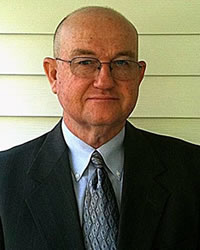
Gary Shepard

The Beginning of the Creation of God

Revelation 3:14
Gary Shepard April, 1 2007 Audio
0 Comments

Sermon Transcript

Auto-generated transcript • May contain errors

100%
Please turn with me this morning
in Revelation and the third chapter. Revelation chapter 3. In the second and third chapter, John is told to write down what he sees and
send it to the seven churches of Asia Minor. And in each of these messages
to the seven churches, They each begin with a description
of the Lord Jesus Christ. Look back over in chapter 2 and
verse 1. Unto the angel of the church
of Ephesus write, These things saith he, that holdeth the seven
stars in his right hand, who walketh in the midst of the seven
golden candlesticks." That's a description of Christ. All right? Look down in verse
8. And unto the angel of the church
in Smyrna write, These things saith the first and the last,
which was dead and is alive." And then also in verse 12, And
to the angel of the church in Pergamos write, These things
saith he which hath the sharp sword with two edges. And then again in verse 18, And
unto the angel of the church in Thyatira write, These things
saith the Son of God, who hath his eyes like unto a flame of
fire, and his feet are like fine brass. And then over in chapter
3 and the first verse, And unto the angel of the church in Sardis
write, These things saith he that hath the seven spirits of
God, and the seven stars, I know thy works, that thou hast the
name that thou livest, and art dead." And then here again in
Revelation 3 in verse 7 he says, in verse 7, to the angel of the
church in Philadelphia write, These things saith he that is
holy, he that is true, he that hath the key of David, he that
openeth, and no man shutteth, and shutteth, and no man openeth. And then again at the seventh
church, here in Revelation 3, in verse 14, the church of the
Laodiceans, he says in verse 14, And unto the angel of the
church of the Laodiceans write, These things saith the Amen,
the faithful and true witness the beginning of the creation
of God. And of all these expressions
and names and titles about the Lord Jesus Christ to all of these
churches, the one that I want us to look at this morning is
the last one. And that is found in that fourteenth
verse of Revelation 3, where he is said to be the beginning
of the creation of God. Here the Lord Jesus Christ is
described by the Spirit of God to John and to us as the beginning
of the creation of God. Now, the first thing that I would
say about this phrase is that it cannot mean that Jesus Christ
was first created by God. Christ is not created, but rather
is the Creator. He is the first cause of creation
and not the first creature. He is God manifest in the flesh. And the Apostle says of Him in
Colossians 1, rather than being a created being, it says, for
by Him were all things created. that are in heaven and that are
in earth, visible and invisible, whether they be thrones or dominions
or principalities or powers, all things were created by Him
and for Him, that being Christ Himself. And though it can certainly apply
to Christ as the creator of the first creation, as we've just
read, I don't think that that is the main meaning here, especially not in the place and
the order that we find it in here in this text of Scripture. You see, the Bible says plainly
in a number of places that Christ was in the beginning. But what it says here in this
text is that He is Himself the beginning. These things saith
the beginning of the creation of God. And rather than speaking
primarily here of the natural creation, I believe he is talking
here especially about the new creation. Because just as the
first atom had to do with the first creation that fell into
sin and death, The Lord Jesus Christ is called the last Adam
who has to do with a new creation which is characterized by resurrection
and eternal life. The first creation fell and comes
to an end in the first Adam. In the last Adam, the Lord Jesus
Christ is a new creation that begins and never, ever ends. And the Bible says that Christ
was all this before the world began. In Ephesians 1 and verse
3, it says that God blessed a people with all spiritual blessings,
and that he did so in Christ before the world began. That doesn't leave any room for
anyone else doing anything for their benefit, and that doesn't
leave anything else to be added by anybody to what they receive. He blessed them in Christ before
the world began with all spiritual blessings. But this was manifested, this
creation that he is talking about here, this was manifested when
Christ Jesus after having died, the death of the cross, rose
from the grave and ascended back into glory." You see, all in
the old creation in that first Adam are in bondage because of
sin. And yet all in the new creation
are set at liberty in that One who is the risen Christ Himself. And all in Christ, every true
believer in Christ, everyone who knows Him as He is revealed
in Scripture and believes on Him with the heart, is in the
new creation. And they are in this new creation
by virtue of this union with Christ. And it is clearly so
and manifested to be so when they are said to be dying with
Him and buried with Him and risen with Him. I want you to turn
back first of all this morning to Ephesians 1. And look with
me, beginning in verse 15, at what the Apostle Paul tells these
believers at Ephesus that he prays for with respect to them. All right? Look here in verse
15. Wherefore, I also, after I heard
of your faith in the Lord Jesus and love unto all the saints,
cease not to give thanks for you, making mention of you in
my prayers." What are you praying for, Paul? That the God of our
Lord Jesus Christ, the Father of glory, may give unto you the
spirit of wisdom and revelation in the knowledge of Him, the
knowledge of God, especially as He is in the God-Man, Jesus
Christ. The eyes of your understanding
being enlightened, that you may know what is the hope of His
calling and what the riches of the glory of his inheritance
in the saints, and what is the exceeding greatness of his power
to usward who believe according to the working of his mighty
power." Now listen to verse 20, "...which he wrought in Christ, In other words, what Paul is
desiring, that they have greater understanding of, and clearer
knowledge of, and a clearer experience of, is not something new, but
something that God did for them and with them in Christ, which
He wrought in Christ when He raised Him from the dead. and set him at his own right
hand in heavenly places, far above all principality, and power,
and might, and dominion, and every name that is named, not
only in this world, but also in that which is to come. Now listen, and hath put all
things under His feet, has everything under the authority of the sovereignty
of this risen God-man, Jesus Christ, and gave Him to be head,
the head, over all things to the church. Now, what is the relationship
to these people of God? who are described here as believers,
these believers at Ephesus being a part of His church. What is
the relationship of Christ, this risen One, to this church that
He is talking about, which is His body? He is the Head, and this church,
All these living ones in Christ, all of God's elect, given to
Christ before the world began and blessed with all these spiritual
blessings in Him at that time. This head in union with this
body, he says, which is His body, the fullness of Him that filleth
all and all. What a description. Christ is
the Head, and He is the fullness, He is that One which fills everyone
in the body. And yet, at the same time, everyone
in this body, this body is described as the fullness of Him who is
the Head. And what that means is, in this
inseparable union, this grace union into which all of God's
people were put and joined to the Lord Jesus Christ, they are
in this partakers of His glorious resurrection, which is a resurrection
unto life, which is a resurrection unto the new creation. Now when these who translated
the Bible, when they translated the King James Version and divided
it into chapters and verses and all, while in one way they did
us a favor, in another way they did us a disservice. because
we tend to separate and isolate what is a continually flowing
thing given in this letter by the Apostle Paul, so that this
second chapter is not a new subject, but it's a continuation of what's
being said. And what does it say? He says
in verse 23 of chapter 1, which is the body, he's the head, and
the church is his body, the fullness of him that filleth all and all. And you, he says to these believers
at Ephesus, and you hath he quickened who were dead in trespasses and
sins. Wherein in time past you walked
according to the course of this world, according to the prince
of the power of the air, the spirit that now worketh in the
children of disobedience, among whom also we all had our conversation
in times past in the lusts of our flesh, fulfilling the desires
of our flesh and of the mind, and were by nature the children
of wrath, even as others." He describes what they were in themselves
and what they were in fallen Adam and what they were by nature
as sinners. And he is showing how that in
this union with Christ and in this resurrection Christ, God
has brought them by His grace in Christ through this death
of the cross into a totally new and complete standing. He says,
but God. But God. And the glorious thing
in all of this is when we read it, we find out totally clearly
what we are and our inability and our sinfulness. And at the
same time, we find out what God in grace has done for His people. But God. who is rich in mercy,
for his great love wherewith he loved us, even when we were
dead in sins." That means without our help and despite of our condition,
without anything performed by us, any act of our will or our
works of any kind, But God, who is rich in mercy for his great
love wherewith he loved us, even when we were dead in sins, hath
quickened us together with Christ." What does that word quicken mean? It means to be made alive. It means to be raised to life. And what he's talking about here
in this text, though some of the things, without a doubt,
can apply to regeneration, the theme of this text and the message
of it, I believe, first of all, is our union and resurrection
with Christ when He rose. from the dead. Even when we were dead in sins,
hath quickened us together. Now, he doesn't say, by Christ
here, does he? He says, together with Christ. Hath quickened us together with
Christ. And then the Spirit of God directs
Paul to give this little further amplification of what he's talking
about. He says here, by grace you are
saved. That's what this means. That
means that salvation is every bit this work of God It is every
bit through the suffering and the dying and the resurrection
of the Lord Jesus Christ, all of which is clearly and plainly
the grace of God." Now listen to this, "...and hath
raised us up together." That is a marvelous word there. That
is a word of union. He hath raised us up together
and made us sit together in heavenly places in Christ Jesus." The believer is said to be with
Christ, together with Christ, and at the same time in Christ. in the ages to come, He might
show the exceeding riches of His grace in His kindness toward us through
Christ Jesus. For by grace are ye saved through
faith." Ah, somebody says, there's the work right there. Wait a
minute. Listen to what he says. For by
grace are ye saved through faith, and that not of yourselves. It too, like every other bit
of salvation, is the gift of God. Not of works. lest any man should boast." Now
look at that tenth verse. For we are His workmanship, created
in Christ Jesus. Do you see that? Created in Christ Jesus unto
good works, such works as faith, Such works as love created in Christ Jesus unto good works
which God hath before ordained, that we should walk in them." You know, I always hear people
sighing and expressing such things as, oh, I wish I could start
all over again. I wish I could get a new start,
or I wish I could move somewhere and just start fresh in a new." That's already happened to God's
people. And it is only through and by
the work of God in Christ and His death for sin on the cross
and His resurrection from the dead that we can be delivered
from all our old connections and all our associations with
fallen Adam and the old creation that remains under a curse. And that is exactly what Paul
tells us. in 2 Corinthians 5. Turn over
to 2 Corinthians 5. 2 Corinthians 5, in verse 14, listen to what the
Apostle says. For the love of Christ constraineth
us, because we thus judge that if one died for all, then we're
all dead. What that actually says, literally,
is we judge thus, that if one died for all, then all died. There's only one way to separate
us from that old creation. There's only one way to associate
us from that representative man that represented us in the garden,
the first Adam. There's only one way to separate
us from a history of sin in himself and a history of sin in ourselves, and that's death. the soul that
sinneth shall surely die." The wages of sin is death. Do you see that? But what Paul is saying is that
we see by faith, we know by the gospel of Jesus Christ that when
He died, all those for whom He died and who died with Him, they
all died. What happened on the cross of
Calvary? The Lord Jesus Christ, as the
substitute, as the representative of His people, He says Himself,
I lay down my life for the sheep. And He purchases the church with
His own blood And he gives his life for his brethren, and when
he dies, they all died with him. They all died to that association
with Adam, and that curse, and that sin, and everything. He says, and that he died for
all that they which live, while they live, Because He lives. In other words, they as much,
and it would almost seem more so, they as much identify with
His resurrection to life as they did to His death for sin. His death for sin was their death
to sin. And that he died for all, that
they which live should not henceforth live unto themselves, but unto
him which died for them, and rose again. Wherefore henceforth
know we no man after the flesh, yea, though we have known Christ
after the flesh, yet now henceforth know we him no more." What does
that mean? Paul said, even these who knew
Christ in the flesh, or all of us who know of Him in a fleshly
way as far as a man who was in this world historically existing. He said, we no longer are in
that relationship to Him in that way or any person else in the
world. Why? Verse 17, Therefore if any
man be in Christ." Actually, if you notice there,
the B is in italics, which means it was a word added by the translator. What he says is, therefore, any
man in Christ. Who is that? That's every one
of God's people. That's every one that the Father
gave Him. That's every one that He loved
with an everlasting love. That's every one that He came
into this world to save, to lay down His life for. Therefore,
if any man in Christ, if he's in Christ, he is a new creature. He is a new creation. He is in this new creation, the
consequences of which are these, all things are passed away. Behold, all things are become
new. You see that? All these old things. These old things that we found
ourselves in, in Adam, when it says that when he sinned, we
sinned in him, in Adam all die. All these things in our creation
wherein we are a part of a race that rebelled against God, came
under His justice and His judgment and His condemnation, all these
old things are passed away. In Jesus Christ we are brought
by the grace of God from the old creation to the new creation. And this was made manifest in
its clearest way when God raised Him and us from the dead. If any man be in Christ, he is
a new creation. Old things are passed away. Behold, all things or become
new. And that's why Christ is the
beginning of the creation of God. You see, this word beginning
is like ark or arch. And the word ark is where we
get words like architect. And words like archaic, which
means very, very old. And words like archangel, which
is the chief angel. And the word is used 56 times
in the New Testament. And the basic meaning of the
word is a beginning. And it's translated that way
about forty times in the King James Version. And it has to
do with such phrases as, in the beginning, and from the beginning,
and at the beginning. And that is evident that it has
to do with time. But here in this verse, it has to do with a person. Thus saith the beginning of the
creation of God. He is the beginning of the second
creation, which, if we understand in a spiritual light of the Scripture,
which is really the first creation. Because He who is called the
last Adam stood as the head of this body before the first Adam was ever
born in this world. And he is the beginning of the
creation of God, the church, the head of that body, the firstborn
from the dead. And the language of Scripture
again and again sets forth Christ in this way. Let me read you
some of them. Colossians 1, verse 15. Speaking
of Christ, who is the image of the invisible God, the firstborn
of all creations. That's what it says, the firstborn
of all creations. Then in verse 18 of that same
book and chapter, and he is the head of the body, the church,
who is the beginning, the firstborn from the dead, that in all things
he might have the preeminence. Now, the Lord Jesus Christ, in
that sense of level, I guess you would say, and authority
and all these things, the Lord Jesus Christ, He has the preeminence
over all. But that's not exactly what he's
talking about here. But that in all these things
with regard to his people, he's the first. He's the one
in whom they all are. And God has viewed him and that
people in him in such a way as this. If he's a success, in all
He does, then they're safe and they're saved. Romans 8, For whom He did foreknow,
He also did predestinate to be conformed to the image of His
Son, that He might be the firstborn among many brethren. Did the Lord Jesus Christ ever
have a need of being born again? No. But He's called the firstborn
among many brethren, in the sense that He is the firstborn of this
new creation. All right, listen to this in
Revelation 1. And from Jesus Christ, who is the faithful witness
and the first begotten of the dead, and the prince of the kings
of the earth, unto him that loved us and washed us from our sins
in his own blood. And I love what Paul says in
Galatians 2.20. I am, or I was, crucified with Christ. Nevertheless, I live. Yet not I, but Christ liveth
in me, and the life which I now live in the flesh I live by the
faith of the Son of God who loved me and gave Himself for me." Always associating it with Him
who loved us and gave Himself for us. The one in whom we died is the
same one in whom we now live. The One by whom we are separated
from that old creation and raised up into this new creation is
the One who loved us and gave Himself for us. And this means
that there is no history. I don't know if this is a good
way to say it or not, but this is what it amounts to. There
is no history for the believer in the first Adam. There is no more. And our history
and our present and our future all are in the last Adam, Christ,
the beginning of the creation of God. No history of sin, no
history or remembrance of the fall, not anything that was in
a part of the old creation. He says, I'll remember their
sin no more. How can a just God do that? By
laying them on His Son. By Him bringing those sins into
His own body, the responsibility for them being made sin for us,
that we might be made the righteousness of God in Him. And when you look in Scripture
and compare these creations, in Genesis 2 it says of that
creation, And the Lord God formed a man of the dust of the ground,
and breathed into his nostrils, and he became the breath of life,
and man became a living soul. But when the resurrected Lord,
when He reappeared to His disciples, It says, when He had said this,
He said something as the risen Lord. It says, He breathed on
them, and saith unto them, Receive ye the Holy Ghost. This is the one who had said
before His cross, Thou art Peter, and upon this
rock I will build my church, and the gates of hell shall not
prevail against it." Now, what does this mean to us
if we are believers in Christ? Turn back to Romans chapter 6. This is the message of Paul in
all his epistles as he is led by the Spirit of God. And He brings us, He desires
that every believer in Christ be brought to a fuller knowledge
and understanding of this, what God accomplished in His grace
when He put us in Christ and we died in Christ and were raised
again in Christ. How radical is it? It's Him bringing
us totally from one creation into a new creation. That's how
radical it is. All right, listen to this in
Romans 6 and verse 6. In other words, we're to live
in the light of this truth. All right? Knowing this. That's pretty plain. We're not
wondering about this. We're not doubting about this.
Knowing this. Because faith, It believes what
God says. Not what I feel. Not what Dr. So-and-so says. Not what mom
and dad says. Not what old preacher so-and-so
says. True God-given faith believes
what God says. And it is not presumption – listen
– it is not presumption to believe God. It's unbelief to doubt Him. Knowing this, that our old man,
well, I hope one of these days to learn enough to expand on
that a little more. But I am sure of this. He's not
talking about our old nature here. Because our own nature of sin
is so present and prevalent. Isn't that right? There's not one of us who are
still in this flesh who have attained to anything even near
sinlessness. And the only thing that happens
when God's people hear the law blasted against them again and
again is, number one, they are driven to despair. And if they're
not God's people, they'll be exalted to self-righteousness. All right? Knowing this, that
our old man – what's that? That's what we were in Adam.
That's what we were in that old creation. That's what we are
by birth. That's what we are by nature.
That's what we are in everything earthly. Knowing this, That our
old man was, the Greek tense there, is actually something
that has taken place. Our old man has been. Our old man was crucified with
him. That the body of sin might be
destroyed." Oh, that is such... Our old man was crucified with
Christ when He was crucified. We're in union with Him. In Him,
the Bible keeps saying again and again, that old body of sin,
He's not talking about the fleshly body, But that old body of sin,
all that we were, might be destroyed. That henceforth, we should not
serve sin. You see, the only way that you
can serve God, I promise you this, the only way that anyone
can ever truly serve God and worship God and praise God and
honor God is with the full knowledge that he has in Christ put away
all their sin. If he hasn't, what have you got
to sing about? If any part of it is left up
to you, what have you got to be happy about? For he that is dead, or for he
that dies, is freed from sin." That's marvelous. Did you die in Christ? Christ died and He is freed from
sin in the sense that all the sins of His people that God laid
on Him and made Him responsible for, He so satisfied God in the
matter of that sin that He is said to be freed from that sin
and that He shall appear the second time without sin unto
salvation. But if that be true, everyone
who died in Him They are free from sin. Oh, they still have
a sinful nature. They are still weak and fall. But God Almighty, as a just God
and a Savior, holds nothing against their account, because Christ
paid it all when He died, and they died in Him. Now, if we
be dead with Christ, We believe that we shall also live with
him, knowing that Christ being raised from the dead dieth no
more, death hath no more dominion over him. For in that he died,
he died unto sin once, but in that he liveth, he lives unto
God." Now listen to this, "...likewise
reckon ye also yourselves." to be dead indeed unto sin." What reckoning is that? That's
the reckoning of faith. Believe and account on the basis
of what God has said that He has done for you in Christ. Reckon. Count yourselves to be
dead indeed unto sin. alive unto God. You see, in that
first creation, it died to God. And when Christ raised in that
new creation, everyone in Him is made alive unto God through
Jesus Christ our Lord. Let not sin, therefore, reign
in your mortal body. that you should obey it in the
lust thereof, neither yield ye yourselves members as instruments
of unrighteousness unto sin, but yield yourselves unto God
as those that are alive from the dead, and your members as instruments
of righteousness unto God." In other words, you're to live
as a person made alive by God's grace and the Spirit's enablement. Live to His glory as those who
are alive. I'm not in that old creation
anymore. God give me grace not to act
like those who are. Verse 14, for sin shall not have
dominion over you. Why? For you are not under the
law. The law was a part of that first
creation. For you are not under the law,
but under grace. That's what faith reckons. And
what a glorious, gracious separation and resurrection and standing
in this new creation in Him who is the beginning, the beginning
of the creation of God. And this is not a prospect. Oh,
there's glorious prospects. But what he's talking about here,
the fullness of it, the experience of it, the reality of it, is
a present possession of all in Christ. Some like to call this
our position in Christ. But the truth is, it's the reality
of God's people in Christ. Paul says, "...there is therefore
now no condemnation to them which are in Christ Jesus." Now, my
friend, you're either in Christ or you're not. And there is therefore
now no, absolutely no condemnation. to them which are in Christ Jesus." Then Paul says this, "'For the
law of the Spirit of life in Christ hath made me free from
the law of sin and death.'" Then he goes on in Romans 8 again,
"'Who is he that condemneth?' It is Christ that died, yea,
rather, that is risen again, who is even at the right hand
of God, who also maketh intercession for us. You see, this is not simply the
restoration of the old creation, but an entirely new and far superior
creation. And we do not go back to the
old in any way or for anything. Not to the law, not to those
sacrifices, not to those ceremonies. And just as we read in Romans
6, that does not mean that this new creation is characterized
by lawlessness. Free, full, grace, salvation,
all of grace, apart from works, rather than lead men to sin or
give them the idea that they can sin. Those who experience
it are moved, are guided, are directed by the Spirit of God,
which is the Spirit of love, and they are motivated to obedience. They are motivated to faithfulness. They are motivated to purity
of life out of love for Christ, who loved them and gave Himself
for them. And when Paul talks about that
new creation in 2 Corinthians 5, the very next thing he says
in verse 18 is, "...and all things are of God." All of God. There's a sense in which that
first creation was of man. Look at it. You're still living
in it. But in this new creation, all
things are of God. It's all God's work. It's all
through God's grace. It's all for God's glory. It's
all in God's Son. It's all through His substitutionary,
God-satisfying, law-honoring, justice-satisfying death. And what a blessing it is to
refer to ourselves, if we be such, like Paul, as a man in
Christ. If any man is in Christ, he is
in a new creation. He is a new creation. Old things are passed away, and
behold, all things are new. Paul says, "...if ye then be
risen with Christ." Seek those things which are above,
where Christ sits on the right hand of God." That's what he says there in
Ephesians 2. He said, God took you from being what you are in
yourselves and that old creation, and he raised you up in Christ
Jesus. and seated you in him in the
heavenlies." That's what that actually says. The heavenlies. He being the head and we being
the body. Somebody said as long as the
head is safe in heaven, the body is safe on earth. But the Lord gives us a picture
of this before we even get out of the first book of the Bible.
And Peter makes reference to this. He says, ìThe long-suffering
God waited in the days of Noah while the ark was a preparing
wherein few, that is, eight souls, were saved by water. The like
figure whereunto even baptism doth also now save us, not the
putting away of the filth of the flesh, but the answer of
a good conscience toward God by the resurrection of Jesus
Christ." That's right. Now, what happened? What's he talking about? Noah?
The Ark? That Ark is a picture of Jesus Christ and Him crucified. You could just spend all day
and never get over the points, the types, the pictures, the
wood, tree cut down to make it. type of Christ cut down in death
to be this ark. It says that out of all of the
race, eight souls. Eight souls. We say, well, Christ
died for everybody. Is there what's pictured in that?
Do you think every person in the world would have fitted into
that ark? No. Eight souls occupied that
ark. God called eight souls, Noah
and his family, into that ark, and they were a type of that
picture of God's people that he purposed to say. Noah stood
as a preacher of righteousness, and he preached That God was
bringing judgment. There was one way of safety.
That's the way that God had appointed. And they laughed at Him and mocked
Him. But the flood came. And you know what? The judgment,
the rain, the flood fell on those eight souls just like it did
on everybody else. That's why the Apostle says that
these eight souls were saved by water. He's not talking about
water baptism there. He's talking about the fact that
they, just like every other creature in the world, they endured the
wrath and judgment of God when it fell on them in the ark. The ark bore it. And they were
in the ark just like Christ's people were in Christ when that
judgment fell on Him at the cross. And here was these eight souls, and two of all these animals,
and seven of all these other animals. So that in that ark was the creation, when the whole
creation was judged by this flood. And that ark settled on Mount
Ararat. In that ark was the new creation. That's a picture of Christ. All the wrath of God fell on
him and fell also on that people in him. He bore their sins in
his own body on the tree. I passed this week and I saw
a church sign that said, Christ paid a debt he didn't know. Now,
there's a sense in which that is true. He died for sins not his own. But what he was actually doing
was paying a debt that he did owe. And he had owed that debt
since he took that debt upon himself as the surety of his
people. He's the surety of the everlasting
covenant. He assumed, before the world
ever was, as that surety, which is one who is the guarantor of
payment. He took that debt upon himself
before the world began. That's right. He paid it on the
cross because he owed it. Because he had taken the responsibility
of his people to himself. And he stood before the law and
justice of God. I can tell you this. If you have
children, you know something about this. And if you ever have
children, you're going to find out something about this. You seem like you take on a lot
of debts you don't owe. But the world looks to you to
pay them, Doug. And our glorious Savior, oh, this is no afterthought
with God. He took on Himself before the
world began, that covenant people that God gave Him, and He, in
that covenant, pledged Himself to be fully responsible for all
their sins and all their salvation. He assumed that debt. The Lord
hath laid on Him the iniquity of His people. And when He came
to that cross, He came to pay the debt He owed. And when He paid it, Joe, neither
he, nor those he paid it for, owe it anymore. God marked it, paid in full. Peter again says, "'Blessed be
the God and Father of our Lord Jesus Christ, which according
to His abundant mercy hath begotten us again unto a lively hope by
the resurrection of Jesus Christ from the dead to an inheritance
incorruptible and undefiled, and that fadeth not away, reserved
in heaven for years." Done deal. And that's what faith believes. If that's not the case, how could
you ever know when you'd believed enough? It's not how much we believe.
God, given faith, always believes what God said. So Paul says this, but God forbid that I should
glory. save in the cross of our Lord
Jesus Christ, by whom the world is crucified unto me, and I unto
the world. For in Christ Jesus neither circumcision
availeth anything, nor uncircumcision, not anything outward, inward,
not anything done by me or not done by me. In Christ, none of
these things avail anything, only a new creation, but a new
creature. Faith in Christ does not put
us in the new creation. But it reveals that we're in
it if we're found believing what God says, believing on the Lord
Jesus Christ, trusting Him and His blood and His righteousness,
this Christ crucified that Paul talked about. It's the mark of
all of those who are in the new creation. If we believe, continue to believe
wholeheartedly on Him who is the beginning of the creation
of God. We are in that creation. All the Adam history gone. And perfect in Christ, made the
righteousness of God in Him, freed from all our sin in Him,
And one day, in our bodies, fully, totally, and completely glorified
and made like unto Christ. What a Gospel! What a Savior! May God help us to look to Him
and believe on Him and be able to say with the Apostle,
We believe and are sure that you're the Christ. Our Father, we thank you and
we praise you for your goodness and mercy and grace in Jesus
Christ our Lord. We thank you that the work is
of Him and not us. The righteousness is His righteousness
and not our filthy rags of righteousness. That, Lord, every aspect of our
salvation is in our Savior. And if we be in Him, we're a new creature and in this
new creation. And he's the beginning, the beginning
of the creation of God. We thank you for him. Blessed, we pray, in the coming
week and the meetings, Lord, that we've scheduled, may it
honor you and may you honor the meetings. Glorify Yourself, for
we thank You and praise You in Christ's name, Amen.
Gary Shepard
About Gary Shepard
Gary Shepard is teacher and pastor of Sovereign Grace Baptist Church in Jacksonville, North Carolina.

Comments

0 / 2000 characters
Comments are moderated before appearing.

Be the first to comment!

Joshua

Joshua

Shall we play a game? Ask me about articles, sermons, or theology from our library. I can also help you navigate the site.