Bootstrap
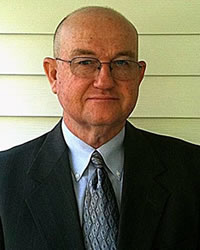
Gary Shepard

Our Rock

Deuteronomy 32
Gary Shepard March, 25 2007 Audio
0 Comments
Gary Shepard
Gary Shepard March, 25 2007

Sermon Transcript

Auto-generated transcript • May contain errors

100%
Okay, turn back to where we read in Deuteronomy 32. In this chapter,
as you read it, I don't think you can hardly help but notice that several times the Lord Jesus
Christ, who is, as we learn in the New Testament, the Spirit
of prophecy. He is referred to several times
here as a rock. If you look down in verses 1
through 4, We have, as we often do, the
command of God to gain our attention as He calls us to listen. Give ear, O ye heavens, and I
will speak. Hear, O earth, the words of my
mouth, my doctrine. Men are so fearful of doctrine
in our days. But that's the only way that
God is known, by His doctrine, His report, as Isaiah says, His
gospel. My doctrine shall drop as the
rain. My speech shall distill as the
dew, as the small rain upon the tender herb, and as the showers
upon the grass, because I will publish the name of the Lord."
That's what all true doctrine does, isn't it? It publishes
the name, the glory, the renown of God. Ascribe ye greatness
unto our God. He is the Rock." And then if you look down in
verse 15, he says, after having blessed
his people, he says, waxed fat and kicked, thou art waxen fat,
thou art grown thick, thou art covered with fatness. Then he
forsook God which made him, and lightly esteemed the rock of
his salvation." Now if we didn't know that he was talking about
Christ before this, we do in that. He is the rock of salvation. And then he says also in verse
18, he says, "...of the rock that beget thee. Thou art unmindful, and hast
forgotten God that formed thee." He is the Rock. And as the Rock, we are confronted
with the Lord Jesus Christ in His glorious, absolute sovereignty,
authority, and every claim as God our Savior. We're the clay. He's the rock. And we are to come before Him
as the rock who is God immovable in this place of authority and
rule and reign, God unchangeable in all His character and attributes,
God Almighty in all His power and sovereign in all His grace
and mercy. He's the rock. He doesn't change. He can't diminish. He's the rock. And as the rock, it seems to
me that He stands out as the difference. God is saying not only to us
that we're the clay and he's the rock, but he's saying all
these other gods are simply that which clay has made, and I'm
the rock. You changed everything, and you
sought to change everything about me, but I have remained the same. I am the rock. And He is most especially the
Lord Jesus Christ as such. He is the difference between
heaven and hell. He is the difference between
life and death. the difference between truth
and error, the difference between blessing and wrath. And He never changes. And this never changes about
Him. It always comes down to this
One who has eternally been the same yesterday, today, and forever,
always the one and only Savior, the Rock of our salvation. It comes down to this. He that
believeth on the Son hath everlasting life, and he that believeth not
the Son shall not see life, but the wrath of God abideth on him." And in case we didn't quite get
the full grasp of that and the plainness of that, he says by
Mark in Mark's Gospel, he that believeth and is baptized shall
be saved, but he that believeth not shall be damned. And so we come back again and
again when we are confronted with the true gospel, with this
Christ who is ever the same, the rock of our salvation, and
Paul says it like this. He says, but we preach Christ
crucified unto the Jews a stumbling block,
and unto the Greeks foolishness. But unto them which are called,
both Jews and Greeks, Christ the power of God and the wisdom
of God." It's always one way or the other. We either fall
and are broken on this rock or that rock falls on us and it
says we are crushed to dust and powder. And so the gospel goes out in
this same light, Paul again saying, for we are unto God, whatever
we are to men. And that's the only thing sometimes
that keeps me going as a preacher of the gospel. He says, for we
are unto God, a sweet savor of Christ. in them that are saved, or in
them that are being saved, and in them that are perishing. To the one we are the saver of
death unto death, and to the other the saver of life unto
life. And who is sufficient for these
things? But whether God saves many, or
whether He saves few, The preaching, the proclamation, the resounding
of His doctrine, which is the doctrine of Christ, the restating
of this one rock of salvation, it always goes up to God as a
sweet fragrance to the glory and praise of His name. But not only is our rock the
difference Our rock is different. Look down at that 31st verse. For their rock, now who's he
talking about there? Every false professor, every
idolater, every one of these who look to these gods who are
identified by a small g, everyone who looks to these rocks that
are identified by a small r, he says, for their rock is not
as our rock. And I thought about it, it just
inevitably always happens. And it is always that way in
funerals, and it is always that way at weddings, wherever men
and women gather in a kind of a social context, but that has
a slight religious context to it. Because invariably, everybody
at that time is going to begin to talk about their God and the Lord's people. You don't
have to listen long. They always tell you where they
go to church. They always tell you that they're
this, that, and the other. But the Lord's people. can rejoice
that this is the fact, that their rock is not like our rock. And the more I think about it,
the more I think that that is not only a fact and the truth,
but a reason to rejoice and delight in. The very truth of it blesses
our soul that we can rejoice and that we can thank Him and
praise Him that this is the case. For their rock is not like our
rock. The Lord's people. God's elect,
every true believer, their rock is the rock of salvation. That's
right. And not only that, he says, even
our enemies themselves being judges. In other words, they
are the very first ones by what they say about their God, and
by what they say about our God, to note that this is the way
it is. My God is not like that. We could sing that hymn I wrote
this morning, and there was enough of those words that you don't
say in our day. There are enough of those biblical
words that are bypassed in our day, those doctrines. like election
and predestination, there are enough of those words in that
one hymn for people to say, oh, that's not our God. My God wouldn't do like that.
My God wouldn't act like that. My God doesn't save like that.
My God's not like your God. And they're right. They're right. And it could be said, and this
is a spiritual picture here, it could be said, it must be
said that this very nation of Israel, by what God did to them
and did for them again and again, that they are a representative
and a type of God's spiritual Israel, His true church. That's what he's showing here. Our God, our rock, is not like
their rock. I want you to turn over and let
me show you one more time in Exodus chapter 17 something that
transpired in the life of this nation of Israel. And it is also a picture of God's
dealing with them in grace and mercy. You see, what so many
fail to see is that even though God gave them that law, and they
were by that law told if they did those things, surely on that
basis God would bless them, they never were blessed on that basis.
Do you see that? When we read those descriptions
there in Deuteronomy 32 of how those people did in the face
of all those earthly blessings that God bestowed upon them,
you see exactly how they turned and how they responded to His
goodness to them? They showed themselves unworthy
and undeserving and rebellious and defiant and all that. They
never could, on the basis of that law, on the basis of anything
they did, they never were blessed, not one time. So somebody says, well, why did
God give them that law? To show them and us. That salvation is not by law. Salvation is not by our doing. Salvation is not by our works. Salvation is in the rock of salvation. All right, listen here in Exodus
17. And all the congregation of the
children of Israel journeyed from the wilderness of sin after
their journeys according to the commandment of the Lord, and
pitched in Rephidim. And there was no water for the
people to drink. Wherefore the people did chide
with Moses, and said, Give us water, that we may drink. But
the truth is, Moses could never give them water, just like Moses'
law could never give us salvation. Give us water that we may drink.'
And Moses said unto them, Why chide ye with me? wherefore do
you tempt the Lord? And the people thirsted there
for water, and the people murmured against Moses, and said, Wherefore
is it that thou hast brought us up out of Egypt to kill us,
and our children, and our cattle with thirst? And Moses cried
unto the Lord, saying, What shall I do unto this people? They be
almost ready to stone me.' And the Lord said unto Moses, Go
on before the people, and take with thee the elders of Israel,
and thy rod wherewith thou smotest the river, take in thine hand,
and go. Behold, I will stand before thee there upon the rock in Oreb,
and thou shalt smite the rock, and there shall come water out
of it, that the people may drink.' And Moses did so in the sight
of the elders of Israel, and they called the name of the place
Massah and Meribah, because of the chiding of the children of
Israel, and because they tempted the Lord, saying, Is the Lord
among us or Where were they at? They were in the wilderness of
sin. You suppose that just it was an accidental or a historical
mistake or something like that, that a wilderness place would
be called the wilderness of sin? I don't think so. No, sir. Because that is just exactly
a perfect name for where you and I and every son and daughter
of Adam have lived since we were born into this world in ourselves,
a wilderness of sin. This world is a wilderness of
sin not because of what it is in itself, but because of the
sinners that live in it. And we, in ourselves personally
and individually, that's all we are, is a wilderness of sin,
a maze, if you will, a totally, what appears to be outwardly
abandoned wilderness of nothing but sin. And there was no water
in that place and therefore there was no life in that place. Now you just stop and think about
it. They say that people can live, I forget how long it is
without bread, it's a pretty long time. But you can't live
very long without water. And so when it comes down to
the nitty-gritty of things, if there's one thing in this world
that represents the essence of life, it's water. They couldn't find any water.
Dig as they would, they couldn't dig up any water. Look around
as they would, they could not discover You say, well, they were without
hope, weren't they, in themselves? Just like you and I are without
hope in ourselves. Here we are in this wilderness
of sin. Here we are in ourselves a wilderness
of sin. We have no water. We have no
life. And we are spiritually and morally
and in every other way a dried-up well. And not only that, everything
that man offers, especially religious man, every prescription, every
remedy, every drink that religion offers, And when I say religion,
I mean every religion without the true and living God. Everything
that's offered is not water, but poison. And not only that,
all our efforts to find water, all our efforts to gain water,
all our efforts to save ourselves, they're to no avail. Hold your
place here and turn over to Jeremiah. Jeremiah chapter 2, and look
down at verse 13. Now, this isn't just a philosopher
speaking. This isn't somebody's opinion.
This is what God says. Jeremiah 2 and verse 13, "'For
My people have committed two evils. They have forsaken Me, the fountain
of living waters." Do you hear that? They have forsaken
me, the fountain of what kind of water? Living water. Living water. That would be bad
enough. But look at the second part. and have hewed them out cisterns, broken cisterns that can hold
no water." You know what verse corresponds with that in the
New Testament? When Paul says, of his own people,
he says, they have not submitted to the righteousness of God in
Christ. But rather, they are going about
trying to establish their own righteousness. They are busy
trying to hew out their own rocks, their own cisterns that are nothing
more than broken cisterns. They hold no water. But when you look back here in
Exodus 17, when our Lord spoke to Moses concerning the one way
of deliverance here, If you notice, in every picture that you see
in all of the nation of Israel's life, over all the Old Testament,
wherever there is a need and a remedy provided, there is always
one. Look down here in Exodus 17 and
verse 6. God says to Moses, with regard
to this way and prescription of deliverance, He says, Behold,
I will stand before thee there upon the rock in Horeb. Now, I don't know a lot firsthand
about that land. But I know enough about it to
know that there is more than one rock. in that country. As a matter of fact, of all I've
ever seen in pictures and film and such as that, it seems to
me that's about all there is, rocks. But with God and with salvation,
it was then and it is now that there is the rock. He said, I
will stand upon the And Moses, you're to come and
take that rod. You're to take that rod, which
is a symbol of my authority and my judgment, the rod upon which
you smoke the waters with, the rod that you cast down in the
judgments before Pharaoh, you're to take that rod and smite Deroch. Just one. Why? Because that's a picture
of how salvation comes to us through this rock. He's the smitten
rock. He's the smitten Savior. There
is no water if the rock is not smitten. He didn't say, stand
and pray for the rock. He didn't say, do all these other
things that men foolishly do in the name of God and to the
Lord Jesus Christ. He didn't say, do any of those
things. He told Moses, who is a symbol of the law and justice
of God, he said, you smite the rock. And when the Lord Jesus Christ
hung on that cross, We can look and see all these
second causes like Pilate. We can see all these soldiers
that were there actually doing the hands-on work in the crucifying
of the Lord Jesus Christ. We can see Judas betraying Him
and all that. But in the final analysis, what
is really going on? is God's Moses, His law, His
justice, His wrath is extending the rod of God's power against
that Son, our substitute and our Savior. And the surety of
time has come to bear the sins of His people in His own body. And He was smiting the rock. That's what's going on in the
cross. That's why he's the rock of our salvation. As a matter
of fact, in Isaiah 53, that's exactly what it says about him. Look over in Isaiah 53. Isaiah chapter 53. And look down in verse 4, which is without
a doubt probably the most clear and the most distinctive word
in all the Old Testament about the crucifixion of Christ. Look
at verse 4. He says, "...surely he hath borne
our griefs, and carried our sorrows, yet we did esteem him stricken,
smitten of God, and afflicted." I'll never forget the time I
heard a preacher on television big phony saying, oh, if I had
been there, I would not have let him crucify the Lord. I thought,
you fool. You know nothing. You know nothing
about what he was doing there. He is stricken, smitten, and
afflicted of God. Look down also in verse 10. Yet it pleased the Lord to bruise
him." In other words, the purpose and the will and the glory and
the salvation of God's people, the pleasure of the Lord prospered
in his hands in all things, but especially in his sufferings. He hath put him to grief. When thou shalt make his soul
an offering for sin, he shall see his seed, he shall prolong
his days, and the pleasure of the Lord shall prosper in his
hand. He shall see of the travail of
his soul and shall be satisfied. By his knowledge shall my righteous
servant justify many, for he shall bear their iniquities. not by my knowledge of him, but
by his knowledge, his word, his sacrifice, shall my righteous
servant justify many. Therefore will I divide him a
portion with the great, and he shall divide the small with the
strong, because he hath poured out his soul unto death. He was
numbered with the transgressors, and He bare the sin of many,
and made intercession for the transgressors." As a matter of
fact, He's the Lamb slain from the foundation of the world.
Who slew Him then? God Almighty. Pilate wasn't there. You weren't
there. Those Roman soldiers weren't
there. But He's the Lamb slain from the foundation of the world.
And Christ being crucified, this rock being smitten, He is smitten
by God's justice and judgment and wrath, and therefore, He'll
never be smitten again. Now, you tell me what happens Moses went down there to that
rock in Horeb. And he took that rock and struck
the rock. He hit the rock. You know, I've got a feeling,
Bill, he hit it with all his might. Because that's what Christ had
to suffer. He had to suffer the full blow. of divine wrath in
the place of his people. Awake, O sword, and smite the
shepherd. He didn't say just stick him
a little bit. He said run it to the hill in
him. All the fury of divine wrath,
everything that was due His people in the matter of their sins against
the Christ Holy God, buried every bit into His bosom as He's hanging
there on the cross. So when Moses went down there,
I believe he put his whole swing into it, like he had a Louisville
slugger or something. I believe he put his whole body
into it. because of what it represented.
And you know what happened? Water flowed out of that rock. Has a promise of God ever failed? Never. But especially the promise
of salvation. He says all the promises are
yes and amen. They are yes and true and unchangeable
in Jesus Christ. And they drank. I don't read of any Hittites
drinking, or any Jebusites, or Hittites, or any other bites
that were a part of that heathen world. But the Lord's people,
who were a type of His elect, they drank. And it was to them
salvation. It was to them life. It was to
them refreshing, just like when we are unable to believe on the
Lord Jesus Christ. But, this wasn't the only time
that happened. Turn over to Numbers, the book
of Numbers, a little later on in Numbers chapter 20. Numbers 20, and look down with
me in verse 1, beginning in verse 1. Then came the children of Israel,
even the whole congregation, into the desert of Zin in the
first month, and the people abode in Kadesh. And Miriam died there
and was buried there, and there was no water for the congregation. And they gathered themselves
together against Moses and against Aaron. And the people chode with
Moses and spake, saying, Would God that we had died when our
brethren died before the Lord? What a foolish, stupid people
we always are. If God Almighty dealt with you
and me on what arises in our and often comes to our lips about
Him on any one given occasion, we would be damned to the lowest
hell. Why did He not on this very occasion,
when they made that statement, Give them just what they asked
for. Just like He did the sons of Korah. Open up the ground
and let them drop with their clothes on into the belly of
hell. Why didn't He? Because He's merciful. And why have you brought up the
congregation of the Lord into this wilderness that we and our
cattle should die there? And wherefore have you made us
to come up out of Egypt to bring us unto this evil place? It is no place of seed, or of
figs, or of vines, or of pomegranates, neither is there any water to
drink. You spoke of a land that flowed with milk and honey." We don't even see an old hand
pitcher pump anywhere. And Moses and Aaron went from
the presence of the assembly unto the door of the tabernacle
of the congregation, and they fell upon their faces, and the
glory of the Lord appeared unto them. And the Lord spake unto
Moses, saying, Take the rod, and gather thou the assembly
together, thou and Aaron thy brother, and speak unto..." What
was that now? Gather the rod, you and Aaron
and all the elders, before all the people, and speak ye unto the rock before
their eyes, and it shall give forth his water." And it shall
give forth his water? I tell you, the Word of God is
perfect, isn't it? And it shall give forth his water. and thou
shalt bring forth to them water out of the rock, so thou shalt
give the congregation and their beasts drink.' And Moses took
the rod from before the Lord as he commanded him, and Moses
and Aaron gathered the congregation together before the rock, and
he said unto them, Here now, you rebels, must we fetch water out of this
rock." Poor Moses. Heart of faith, feet of clay. He had never fetched any water
for them. Him and Aaron, they'd never fetched
any water for them. God gave the water. They're kind
of like preachers sometimes. They think that God can't save
anybody without them. God can't save anybody without
them preaching the message to them. Oh, what a foolish thing. And Moses lifted up his hand,
and with his rod he smote the rock twice. Didn't God just say to him, Moses,
speak to this rock? Now, let me show you this first. No difference that man makes
can change God's purpose, nor thwart His grace to His people.
I'm so thankful of that, that my errors, my stupidity, my tempers,
or whatever it might be, it can't keep the mercies of God in Christ
from His people. He smoked the rock with that
rod twice, and the water came out abundantly. came out abundantly. That's what God says with, He
says with that abundant salvation. And the congregation drank, and
their beasts also. But look at that next verse.
And the Lord spake unto Moses and Aaron. He said, Because you
believe Me not. To sanctify me in the eyes of
the children of Israel, therefore ye shall not bring this congregation
into the land which I have given thee." You failed to sanctify me. You failed to regard me as holy. and one to be obeyed in every
detail. You failed to do that in the
sight of this people. Now, there are a couple of things
here. Number one, that didn't mean Moses was lost. That didn't mean that this was
a little mishap in the purpose of God. But he said, you will not now
be allowed to take the people into the land of Canaan. He couldn't
have been anyway. He was a type of the law. And
only Joshua, who is a type of Christ himself, could do that. All right? But here's the big
thing. And that is, the rock was to
be smitten once. There are not a lot of things
I'm so sure of, but I'm pretty sure that God has laid a special
emphasis on that one thing that Christ the Rock, our Rock, His
people say, He was only smitten once. Therefore, to show the error
of imagining any insufficiency or incompletion in the doing
and dying of Jesus Christ, the rock of our salvation. God used Moses as an example. Killed Moses himself and buried
him himself so that no man knows where Moses died and was buried.
Why? Because men would do just exactly
to Moses what they've done to Moses' law. Make that to be God. Make that to be the salvation. No. It's always in the rock.
The rock Christ Jesus. Because once showed that God's purpose and Christ's sufficiency and the completion of His work
And the success of it is all in his suffering once on that
cross outside of Jerusalem over 2,000 years ago. And that's it. That's it. Let me just quickly read you
these verses. I was going to have you turn
to them, but let me read you to four or five verses here in
the book of Hebrews. If you want to find out anything
about what all these things in the Old Testament meant, you're
going to have to go at some time to the book of Hebrews. All right,
Hebrews 7, verse 27, says, "...who needeth not daily." In other
words, our priest, not like all those other ones, he needed not
daily as those priests to offer up sacrifice for his own sins
and then for the people's, for this he did once. when He offered
up Himself. Hebrews 9 and 12, Neither by
the blood of goats and calves, but by His own blood He entered
in once into the holy place, having obtained eternal redemption
for us. Hebrews 9.26, For then he must
often have suffered since the foundation of the world, but
now once in the end of the world hath he appeared to put away
sin by the sacrifice of himself. Hebrews 9.28, So Christ was once
offered to bear the sins of many, and unto them that look for him
shall he appear the second time without sin unto salvation. Hebrews 10.10, by the which will
we are sanctified through the offering of the body of Jesus
Christ once for all. Once. So complete. So sufficient. So God-satisfying. So God-honoring. So His elect
saving. once, once and no more, because
he's the rock of our salvation. And he was, as this rock was,
smitten for a rebellious, fallen people. Israel was a thirsty,
murmuring, undeserving, helpless lot. But then again, that's the
way all sinners are. That's the way I am, and that's
the way you are. Murmuring, have no righteousness,
able to make no payment, able to do nothing, and His grace
to them and His mercy to them in a picture physically is just
the way it is to His people spiritually. It is undeserving. We don't deserve it. We deserve to be spiritually
left out in this wilderness of sin just to die eternally, because
we have nothing to satisfy the eternal God in the matter of
our sin. What did those people do after
that rock was struck? It's so simple, it's just almost
scary. You know what they did when that
rock began to issue forth a flow, a fountain, a stream of water? This may surprise you, but they
drank it. They drank it. You know that's
what thirsty people always do. That's what dying people, they
do. They drink. Do you suppose they stood around
and they kind of dissected all the parts of what is involved
in a drink? Or are you just sipping over
here or are you drinking? That's kind of the way it is
about believing. And men can take and they can tear it apart
and they can make it all different kinds of things, but it is really
simply drinking Christ. Taking Him and Him alone as the
only sin-satisfying, God-glorifying, soul-refreshing, cleansing flow. His blood, His righteousness,
His life, His sacrifice, that's everything. What are you standing
on, brother? My rock. My rock. He's my foundation. He's my strength. And He's the
source of all my life. It all comes from Him. It comes
from Him because He was stricken and smitten of God in my place. His death, the rock struck, is
my life, the water that flows out of it. And we drink. We drink. And He's always our salvation. I couldn't explain this in every
detail as many have tried to do if I wanted to, but all I
know is this is the way it is. Wherever they went, in this wilderness, in this desert,
in this Canaan, which by the way is not a type of heaven,
but is a type of our life as believers in this who face what
we face and are victorious in all things and inherit every
blessing because of our Joshua, the Lord Jesus Christ. But this
is what Paul said, said of this people. And they did all drink
the same spiritual drink, for they drank of that spiritual
rock that followed them. And that rock was Christ. He's not talking about all these
people physically. He's talking about these people
who are such spiritually. They are not all of Israel. The rock of salvation is Christ. And it is a blessed thing. God had to show them this rock.
They were blind to it, you know, just like He has to show it to
us. And when we reach that point, we're just at our wits' end.
This is it. No hope for me. No salvation
for me. I don't have anything. I'm dying
of thirst on this day. There's your rock. Drink of it. Keep on drinking of it. To whom
coming? Just keep coming to it. You know,
it's a strange thing. I've been drinking water for
almost 60 years now. And just as soon as we say Amen,
you know what I'm going to do? I'm going to have another drink
of water. And I like soft drinks and, you
know, I like orange juice and all these things. I like all
these things. But the one thing that I always come back to, that
I need and that I love, is water. And the one thing my soul thirsts
for and the one thing that my soul is satisfied with is Christ
Jesus, the water of life, the rock of our salvation. Oh, I'm so glad our rock ain't
like their rock. Their rocks, they're little pebbles. Didn't look like much when David
stepped out there and crossed that stream and picked him up
a pebble or two. He didn't look like much. They put it in that sling in
one shot for that rock. Killed Goliath. I've often thought,
here's David, he's a type of Christ. Here's that rock and
that sling, he's a type of Christ. Christ by himself and with himself
slew all of God's enemies and all of the enemies of his people
and wrought the victory. Oh, they say, well, your God's
not anything like that. I'm so glad. Because our rock is the rock
of salvation. God help us to drink. If any
man thirsts, let him come and take of the water of life freely. Dear Father, we thank you this
day for such immeasurable mercies. We thank you that you blessed
us with such a great high priest. who offered the sacrifice of
himself, such a prophet that reveals all that you are and
all that you have for your people in grace, such a glorious king
who rules the hearts of his people to their very delight and his
glory. Lord, we thank you for our rock. We say with that bride in the Song of Solomon,
I am my Beloved's and He is mine. Thank you so much that our God
is not like the gods of this world, weak and frail and puny,
trying, thwarted by man's free will supposedly, all these things. We pray that you bless and give
understanding and faith in the sight of Christ crucified afresh
and anew to each heart as it pleases you. Thank you so much
for your grace to us. Thank you so much for every blessing. Be pleased, we pray in these
days, to save among our children and our families and our friends
and all these around us. Use everything in your providence
that we are brought into, whether we understand it or not, to carry
forth the witness of your gospel to our generation. Bless this
word to these that are here to hear it this morning. Bless it
as it goes out by tape or CD. Bless it as it goes out on the
website or wherever you might. Take your word. Honor yourself
and save your people. For we pray in Christ's name,
Amen.
Gary Shepard
About Gary Shepard
Gary Shepard is teacher and pastor of Sovereign Grace Baptist Church in Jacksonville, North Carolina.

Comments

0 / 2000 characters
Comments are moderated before appearing.

Be the first to comment!

Joshua

Joshua

Shall we play a game? Ask me about articles, sermons, or theology from our library. I can also help you navigate the site.