Bootstrap
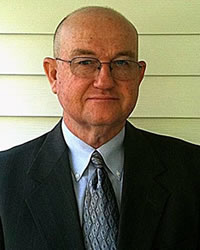
Gary Shepard

The Sought Out Seeking Christ

Isaiah 55:1-9
Gary Shepard March, 18 2007 Audio
0 Comments
Gary Shepard
Gary Shepard March, 18 2007

Sermon Transcript

Auto-generated transcript • May contain errors

100%
There are a number of things in the Scriptures that might be called a paradox. And maybe my title this morning
might be such. Because I've called it, The Sought
Out Seeking the Lord. the sought-out seeking the Lord. And I'd want you to turn with
me this morning to Isaiah 55. Isaiah 55, and we'll be looking
at verses 1 through 9. These words, as with all Bible commands, invitations,
instructions, are addressed to a people in
a particular spiritual condition. Ho, every one that thirsteth! Come ye to the waters, and he
that hath no money, come ye buy and eat, yea, come buy wine and
milk without money and without price. they are addressed to the spiritually
thirsty, to those who are unsatisfied of mind and conscience, to those
who are found in a poverty of spirit and soul. And I can tell you this, all
who truly find themselves to be and confess themselves to
be in such a condition as this. It is the work of God's grace. It's the Spirit of God that has done the work. And to
them, God calls upon them. And he calls upon them to think,
to reason spiritually and honestly. You see, they've never been able
to do that before. But when we're quickened by the
Spirit of God, we begin to look at things in the light of eternity. And we begin to view ourselves
as what God says that we are. He says in verse 2, Wherefore
do you spend money for that which is not bread, and your labor
for that which satisfieth not? Hearken diligently unto me, and
eat ye that which is good, and let your soul delight itself
in fatness." He said, listen to me. He said, you've listened to yourselves,
and you've listened to others, and you've listened to false
religionists, and what has it gained you? by way of peace of
mind, peace of conscience, rest for your soul, food for your
soul. He says, incline your ear and
come unto me here and your soul shall live and I will make an
everlasting covenant with you even the sure mercies of David. He will not fail to do that. And as he does this, as he says
this, and as he speaks to us in this way, he points us to
Christ. He points us to the one that
David was a type of. Look at what he says in verse
4. Behold, I have given him for
a witness to the people, a leader and commander to the people. Behold, thou shalt call a nation
that thou knowest not, and nations that knew thee not shall run
unto thee because of the Lord thy God, and for the Holy One
of Israel, for he hath glorified thee." This is not David, but this is
the one who is called David's son, and at the same time, David's
Lord. And he says that he has given
him, that is, God gave his Christ in eternity past as the gift
of His grace to His people, and He Himself is the faithful witness
of it. He's the witness. God hath in these last days spoken
unto us by His Son. We are to believe His Son. We believe the record that God
hath given concerning His Son. He is the witness of God. He
is the witness of God's grace and mercy to sinners. He is the
witness to that people that the Father gave Him, His elect from
among Jew and Gentile. He's the witness of their salvation
and God's justice and holiness because He gave Him to be the
propitiation for our sins. And He's the witness of the truth.
He's the witness of eternal life. He's the witness of that everlasting
covenant Because the surety of that covenant has come, the mediator
and the angel of that covenant has come, and he is also born
witness by all his miracles and all his works. He said, if you can't believe
me, believe the works that the Father enables me to do. And
he's the leader here. It says he's the teacher of his
people, and he shows his people the way that they should go,
and that is, he is himself the way. And the shepherd that leads the
sheep, and the king that leads his subjects, he leads them to
God. And he's said to be the commander
here. He's the one who's gone before
all his people, and he is the one who has saved them through
his own sufferings and death, and conquered all his enemies
and all their enemies, and as the commander won all the victories. So what does God say to us concerning
him? Look at that sixth verse. Seek ye the Lord while he may
be found. Call ye upon him while he is
near. Now, I don't think you could
find a plainer command of Scripture than this. And yet, at the same time, I
don't think you can find anything in Scripture that man has more
thoroughly confused than that. Some set men to seeking the Lord
in some kind of mystical way. We are looking for a vision,
looking for a sign, looking for a wonder, looking for a miracle. And others have set men to seeking
the Lord in an intellectual way. study until we find Him out.
We're going to read what men say about Him until we find out
who He is. And some have sent men and women
to seek in the Lord in an emotional way. We'll go through every emotional
experience, seek all different kinds of highs and emotional
experiences until we finally reach a certain plane or plateau
that we have found the Lord. But not one single person has ever, through any of these
ways, ever come to know God. And the amazing thing here is
that he defines what seeking the Lord is immediately in the
next verse. As a matter of fact, verse 6
ends with a colon which means that what follows after that
is what seeking the Lord is all about. What is it all about? Well, the
very first thing In my mind, what becomes obvious in seeking
the Lord is that it is first an abandoning of something. Now, you look here. Verse 7,
he says, Let the wicked forsake his way, and the unrighteous
man his thoughts. The first thing that is involved
in seeking the Lord is this forsaking. And if we misunderstand what
is meant here spiritually, we are in big trouble. You say, what do you mean, preacher?
I mean, if as so many have interpreted this, It means that there is
something to do in our life, some straightening out of something,
some clearing out or clearing up of something, some giving
up of something in our life externally, that then God will have mercy
on us and save us. That error is totally damning. That's not what he's talking
about here. Because if you and I, if we could
clean up our lives enough or change ourselves enough so as
to make ourselves acceptable in the sight of God and that
be the reason for Him to have mercy on us and pardon us, there'd
be no need for Christ. As a matter of fact, that's what
Paul says in one place. He says, if righteousness come
by the law or by any principle of our doing, then Christ is
dead and vain. If you could be your own Savior,
you don't need a Savior. And that's what he's saying here.
He says that the unrighteous man, or the wicked man, which
is simply this, the man of iniquity, that's all of us. He says that the unrighteous
man, or the wicked man, is to forsake what? Let the wicked forsake his way. and the unrighteous man his thoughts."
What does he mean by that? Well, he's talking about the
way of pardon or the way of peace. And he's saying to every one
of us, and most particularly he's saying to his people, who
are found seeking the Lord in this way. He's saying, you forsake
your way of pardon, and your way of peace with God, and your
way of establishing righteousness, and your way of saving yourself,
because all of your ways of righteousness are simply nothing more than
filthy rags. I thought about this this week. Every person in hell today can
sing in truth one song. I did it my way. And that is exactly what he's
saying here. He's saying to every one of us,
He's saying, let the wicked, those who are full of iniquity,
and the unrighteous, those every one of us the same, let every
one of us forsake our way and our thoughts. But we're never seeking the Lord.
That's right. We're not seeking the Lord otherwise.
And the reason is because our ways and our thoughts are not
God's way and God's thoughts. He makes that so plain in verse
8. For my thoughts are not your
thoughts, neither are your ways my ways, saith the Lord. And the truth is that every one
of us, every person, has some plan or some way or some thought
as to how, at death or at judgment, he will in some way or at some
time be pardoned and go free. Everybody has that. You see,
if you didn't have that, if it wasn't that way, then with all
the pangs of conscience, with all this knowledge that we don't
want to admit, that we know that there is a God and a God to face
and an eternity to endure and a judgment of faith, if we didn't
have some kind of little hope and plan and refuge, we wouldn't
be able to live. You'd go crazy. You'd never be
able to sleep a wink at night. You'd never be able to open your
mouth to laugh. People would not ever be able
to leave off hearing the gospel and seeking to know what God
says about this if they didn't have some hope, some little something
down in their hearts that they're trusting in. You know what it
is? their way. That's right. Your thoughts. And God says it as plainly as
it can be said. My thoughts are not your thoughts. You're not thinking this thing
like I think it. And your way, based on that very
thing, is not my way. And we are brought to a knowledge
of God when we begin to be brought to an understanding that this
is the way it is. What I thought about God was
wrong. What I thought about myself was
really wrong. What I thought about how God
saves sinners was wrong. I see now that my thoughts were
not His thoughts, and my way was not His way. But all natural men and women, even if they hold it so secretly
in their own minds and heart, they have such hopes and plans
as a means by which God will one day accept them, and they'll
be free from the punishment and judgment of their sin. They have
this one hope that they cling to, and they don't want to hear
about anything else. It's kind of like some people
say, you know, don't confuse me with the facts. I have my
own opinion which I highly esteem. That's the sum of all of us by
nature. And they're all different. One has this little hope, the
other has that little hope, most of which are the sum total of
all the little particles of religion that we've accumulated all of
our lives from our families, our traditions, and the religions
we're raised up in. We've got all these, this conglomerate
of little things put together. It's like our little prize, our
little refuge, our little hope, our little salvation. They're all different, but they're
all the same. That's right. You see, all these
ways and all these thoughts are really just one, self-righteousness. Paul said of his own people, that the reason why they were
in such a lost and hopeless condition, and the reason why he desired
and prayed for their salvation, was this. He said, because they're
going about. They're going about to establish
their own righteousness. They're going about. They're
busy. doing things, thinking things,
in order to establish a ground upon which God will accept them. It isn't that they don't think
that they've not sinned, but their way of dealing with that
sin is not God's way. And then reason such things as
this, that a good God, the Creator God, will certainly not destroy
His own creation. They reason things like this,
that a God of love could never cast a person in hell. That God will certainly, in fairness,
honor my doing the very best that I can. Some even say, well,
God will save me because of my faith. He said, forsake it. Forsake
it. Because this way is different
from God's way. And I think it came to my mind
that there's a verse of Scripture that thoroughly characterizes
our day. I thought, but I thought, not
just our day, every day since the fall. That's found in the book of Judges.
Where it says, in those days, in those days, well, those days
are like these days. In those days there was no king
in Israel, but every man did that which was right in his own
eyes. How many times do we have to
be warned by God about such things? He says so plainly in Proverbs
16 and verse 25, there is a way that seemeth right unto a man. You could just say there is a
way that seems like righteousness to a man. But what does God say? He says, but the end thereof
are the ways of death. He's telling us right there that
all the ways of man, there's simply but one way, and that's
the way that seems right. But it's the way of death. He says, forsake the way of death. In Proverbs 21, he says, every
way of man is right in his own eyes. But the Lord pondereth the heart. You see, sin has so blinded us. The devil has so deceived us
naturally. And pride, self-pride, has such
a grip on us that we can't turn this thing
loose. I'm telling you. Psalm 36, the transgression of
the wicked saith within my heart that there is no fear of God
before his eyes for he flattereth himself in his own eyes until
his iniquity be found to be hateful. He flatters himself in his own
eyes. Why? Because he doesn't fear
God. Proverbs 12, the way of a fool
is right in his own eyes. But you listen to this, but he
that hearkens to counsel is wise. That's what we have in our text.
We have the counsel of God. And he says, seek the Lord. And
the first aspect of that seeking is this forsaking. This forsaking. And it's a forsaking
of our way for God's way. Because God's way of justifying
the sinner is only through and by the death
and the obedience of His Son. That's it. Are you meaning to
tell me, preacher, there's just one way? That's exactly what
I'm trying to tell you. And it's not your way. And it's
not my way. Are you meaning to tell me that
my thoughts don't count? I'm meaning to tell you your
thoughts are sin, and His thoughts are the only ones that count.
You see, it's not by washing yourselves, but it's by being
washed in Christ's blood. And it's not by your doing, but
it's by the doing and dying of one outside of yourself, the
Lord Jesus Christ. He is the way, and every other
way is a way of death. And God's way is so much more
glorious because His way is not only a perfect way, it is a just
way, it is a righteous way, How much higher? Verse 9, For as the heavens are
higher than the earth, so are my ways higher than your ways,
and my thoughts than your thoughts. That's a big difference. I like
what one old writer said. He said, Now brethren, your way
must be forsaken. This is a hard saying because
self-righteousness is engraved in your nature. And every natural
man here is determined to be saved by his own righteousness. He said, I often observe that
when you drive a man out of one way, he goes to another. And when you drive him out of
his past lie, he flies to his future life. But brethren, if
you would be saved, you must forsake your own way, you must
forsake the tops of the houses, you must not be like the spider
who, as soon as it is driven from the web, it begins weaving
another web. You must put away self as a corrupt
thing. An unconverted man is like one
in a burning ship. He'll cling to the ship till
it's burned to the water's edge. But he says, Now if a lifeboat
comes, he must let go hold of his burning
ship and drop into the lifeboat, if he be saved. Seeking the Lord is first, and I believe foremost,
of forsaken. You remember when old Naaman
was there getting that instruction sent by God, sent by the prophet,
through the prophet of God, as to how his leprosy could be healed. And he gets the command of God. Go down in that river, Jordan.
Wash in that, what you think is a muddy, filthy river, seven
times and you'll be clean. You remember what his response
was? Oh, he said, but I thought. These are just, this is a filthy
river. We have the rivers of Abana and
Farpar, clear, crystal rivers, and I thought surely that the
prophet would wave his hand over the leprous spot and do something
like that and pronounce some kind of special words to do it. There is just one way for you
to be healed, Naaman. You have to forsake your way
for God's way. I sure am glad he did. And when
you go to Philippians 3, when you turn and read Paul's words
there in Philippians 3, he is not doing like so many in religion
think that is the way that God is going to bless them or accept
them. He's not saying, well, I was
a drunk and a bum and I was a cocaine addict and I was an adulterer
and I was all these things and I repent of them. He's not saying that because
he was none of those things. He's repenting of what he once
thought was the way. Being a Jew, being born of a
certain family, being educated by a certain individual, being
a respected person, a teacher, a keeper of the law, a Pharisee. He said that's nothing, garbage. My only hope now, my only righteousness
now, is to be found in Christ and in Him alone. Then what does he say in verse
6? He says, Seek ye the Lord while
he may be found. Call ye upon him while he is
near. What does it mean to call on
the Lord? I thoroughly believe that there is so much error involved
in that in our day. Call on the Lord. Just call out
of your heart. If you look in this book, You
will find that where it speaks of calling upon the Lord, it
speaks in the Old Testament of going, of those such as Abraham,
building an altar and offering a sacrifice on that altar according
to what God had appointed and looking to God through that sacrifice
or the one that that sacrifice represented. The call on the Lord. is to forsake
every other ground of acceptance, and it is to go before God in
that one sacrifice, that one offering, that one Savior, that
one righteousness which He has ordained, the Lord Jesus Christ. There are a lot of people who
open their mouths and supposedly call on the Lord. There are preachers
who can't preach a message without telling people to call on the
Lord in this sense, and they call That's not what it means. It means to worship Him, to bow
down before Him, to trust Him, to believe on Him, and to continue
to do so in Jesus Christ and Him alone. I didn't mean to get on that,
but look back at verse 7 again. Let the wicked forsake his way,
and the unrighteous man his thoughts. and let him return unto the Lord. I can tell you this. When a person is enabled by God's
Spirit to truly forsake his own thoughts and his own ways, there's
just one left anyway. And that's God's way. That's
the Lord. Return unto the Lord. Return to the Lord Jesus Christ,
to this witness, this leader, this commander. It was said of
Judah in Genesis 49, "...the scepter shall not depart from
Judah, nor a lawgiver from between his feet, until Shiloh come."
Who's that? That's the one who's peace, Christ. Then the next line says, "...and
unto him shall the gathering of the people be." You see, that's what the gospel
commands. Believe on the Lord Jesus Christ. Forsake your way. forsake all those faults, Christ,
and believe on the Lord Jesus Christ. Not come to a new religion,
or down the aisle, or the pool, or the font, or something like
that, or a new position, but to God. Because when you come
to Christ, you come to God. He is Emmanuel, God with You
say, well, I never left God. Oh, yes, you did. You left Him
when in your father Adam and in my father Adam, when he left
God in disobedience, we all sinned in Him and were cast out of God's
presence. And the only way back is the
way, the Lord Jesus Christ, which is by His cross death. We left Him when we were born
a sinner. We leave Him in every thought
and act and word. We leave Him in our whole course
of life as one way against God. And when we forsake our ways
and our thoughts, there's just one way to go. It's amazing how
easy that is, too, when there's nothing else left. When there's
one ray of hope, when there's one line of deliverance and rescue, we trust Him. And that's what the Bible says
that people who are saved by God's grace do. Turn over to
John chapter 6. John chapter 6. Look over at
John 6 and verse 35, first of all. And Jesus said unto them, I am
the bread of life, he that comes to me shall never hunger, and
he that believes on me shall never thirst. See, that's that condition again,
hungry and thirsty. All right? Look down in verse
37, what Christ says. "'All that the Father giveth
me shall come to me, and him that comes to me I will
in no wise cast out.'" We come to Christ when we leave
everything else. And then in verse 45, look at
what it says, And it is written in the prophets, And they shall
all be taught of God, and every man therefore that hath heard
and hath learned of the Father. It comes to me. Every man taught of God. Every
woman taught of God. Everyone who learns of the Father. leaves everything else and everybody
else comes to Christ. Comes to Christ and only Christ.
All right? Back to our text. He says here there's something
that we'll receive by this returning. Verse 7, Isaiah 55. Let him return
unto the Lord, and he'll have mercy upon him. And to our God,
for he will abundantly pardon. That's what that prodigal son
found out. He'll pardon. He'll have mercy
on him. He'll abundantly pardon. In that third verse it says,
your soul shall live. And I can tell you this, that's
the only thing that's going to matter in eternity. That's the only thing. All the
emphasis is laid on the fact that He will have mercy, that
His mercies are sure mercy, that it endures forever. And such
as Saul of Tarsus, who became Paul, they found mercy, and Mary
Magdalene, and the Philippian jailer, and the thief on the
cross, and the tax collectors, and such. He abundantly pardons. You didn't find these things
in your way. Oh, yeah, I fit. No, you don't. You don't find pardon in your
way. You don't find mercy in your way. You don't find any
of these things such as soul, life in anything that a man can
think. But when he forsakes all, he finds them all in Christ.
All in Christ. And he says that we're to do
this. Verse 6, while he may be found, and while he is near. When is that? All I know is he is near when
his gospel is near. But he is near when his Spirit
is near. And if we seek Him, it will be because He sought
us out. I want to show you that. Turn
over to Isaiah 62, first of all. Isaiah 62. Now let's begin verse 10. He says, Go through, go through
the gates, prepare ye the way of the people, cast up, cast
up the highway, gather out the stones, lift up a standard for
the Clear the way, like they were
to do before those cities of refuge. Clear all the rocks out
of the way. Raise up any low place that's there. Lift up a
standard, a marker. Behold, the Lord hath proclaimed
unto the end of the world, Say ye to the daughter of Zion, Behold,
thy salvation comes. Behold, his reward is with him,
and his work before him. And they shall call them the holy people, the redeemed
of the Lord. And thou shalt be called sought
out. Sought out. That's one of the
names for God's elect. That's one of the names for His
church. Thou shalt be called sought out. A city not forsaken. Alright, look over in Isaiah
65. Sought out, yes. But look here
in Isaiah 65-1. I am sought of them that ask
not for me. I am found of them that sought
me not. I said, behold me. behold me
unto a nation that was not called by my name." He said, I'm sought out by those
who didn't seek me. I'm found by those that didn't
seek me. How is it? Because he sought
them first. You see, the sought out always seek the Lord. They are
always found forsaken all and trust in Christ. They're always
found being brought to cast aside and repent of their filthy rags
of righteousnesses, to trust His imputed righteousness, to
plead His blood, to plead His sacrifice, to leave every other
hope and find their hope to be in Him alone. Let me read you a few verses
in closing. But if thou from thence shalt
seek the Lord thy God, thou shalt find him, if thou seek him with
all thy heart and with all thy soul. The young lions do lack and suffer
hunger, but they that seek the Lord shall not want any good
thing. Sow to yourselves in righteousness,
reap in mercy, break up your fallow ground. It is time to
seek the Lord, till He come and reign righteousness upon you. He says, I love them that love
Me, and those that seek Me early shall find Me. You shall seek
me and find me when you search for me with all your heart." Now, there are people who always
take the same Bible of truth, cut it in half, and take one
side of it or the other. The Bible says, no man can come
to me. The Bible says, Seek the Lord. Those who seek the Lord and all
of Christ's people, they do seek Him in this sense. It is because they were first
sought out by the Lord. I love this old hymn. I sought the Lord, and afterward
I knew. He moved my soul to seek Him
seeking me. It was not I that found, O Savior,
true. No, I was found of Thee." Seek the Lord. All who seek him find him, and
all who find him find out he first sought them. Leave your way, your thoughts,
and return to him. Our dear Father, we ask you this
day to bless your Word to the hearts of your people. Use your gospel truth to call
them unto your own self. And Lord, we'll rejoice with
you and them. We'll rejoice over that one sheep
that repents, that forsakes all their ways and thoughts and looks
to Christ alone. We pray that you might make manifest
your grace in our hearts this day through Jesus Christ our
Lord, in whose name we pray. Amen.
Gary Shepard
About Gary Shepard
Gary Shepard is teacher and pastor of Sovereign Grace Baptist Church in Jacksonville, North Carolina.

Comments

0 / 2000 characters
Comments are moderated before appearing.

Be the first to comment!

Joshua

Joshua

Shall we play a game? Ask me about articles, sermons, or theology from our library. I can also help you navigate the site.