Bootstrap
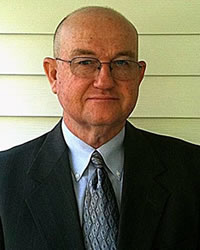
Gary Shepard

The Lamb That Takes Away Sin

John 1:29
Gary Shepard February, 4 2007 Audio
0 Comments
Gary Shepard
Gary Shepard February, 4 2007

Sermon Transcript

Auto-generated transcript • May contain errors

100%
I thank all of you who are helping me this morning very
much. I think that I will surely have to plead this promise of
our Savior, and that is that in our weakness, His strength
is made sure. I don't know if I would hardly
have been able to live this morning if I had not been able to gather
with you and see you this morning and to bring back from England the
greetings of Pastor Stephen Vignell and the brethren at the campus
church there. But I do thank the Lord for those
who spoke in my absence and who took care of things. And it just
reminds us how that the Lord's church is never a
one-man show. It just never is. But if the Lord would help me
this morning and give me voice, I'd like for you to turn back
to that first chapter of the Gospel of John, John chapter one. Now, it is obvious that among the Lord's prophets,
his apostles and his preachers, that they have all had varying
degrees of understanding and knowledge. Certainly the apostles
were given greater revelation of Christ than the prophets were. But this morning I want us to
look and most especially to listen to a very unique man by the name
of John the Baptist. You see, he was prophesied by
the prophets to come as the forerunner of God's Christ. And it was said
that he would be the voice of one crying in the wilderness. He is unique in the sense that
the Bible says that he was filled with the Spirit in his mother's
womb. And God spoke to him and told
him that the one upon whom he would see the Spirit descending
in the form of a dove, that this would be the Christ. This would be the Messiah. And if you simply look back at
verse 6, you will find all the credentials that are necessary
for you and for me to hear and to listen and to heed the words
of the man John the Baptist. It says there was a man sent
from God whose name was John. He neither had the education,
I suppose, or the spit and polish of a polished preacher. And he
certainly did not have all the credentials of the religious
world and authorities in his day. But he simply had this one
credential, and that was he was a man sent from God. And not only that, Christ gave
further testimony concerning him. When he said, Verily I say
unto you, among them that are born of women there hath not
risen a greater than John the Baptist. And even more so, a
little later it is said of him, and this in my mind is most important,
and I would pray that when I've said all that the Lord will enable
me to say, and done all that I have been able to do, that
it could be said of me this very thing. It says, John did no miracle, but all things that John spake
of this man were true. And John was a man of one message. I'll think of him sometime as
a man of one finger. And he was a man with one message
for both private and also public declaration. Look down at what
it says in verse 29. The next day John seeth Jesus
coming unto him and saith, Behold the Lamb of God, which taketh
away the sin of the world. And then if you look also in
verse 36, after another day, it says that he stood and two
of his disciples, and looking unto Jesus as he walked, he saith,
Behold the Lamb of God. And now the Holy Spirit, if you
notice, preserving John's command to this very hour in which we
live, declares it unto us as that which comes from the written
Word of God. And that's what I want us to
hear this morning. And that is, as he says, behold
the Lamb of God which takes away the sin of the world. Now, when John said that, there
had already been many, many lambs sacrificed. But the writer of Hebrews reminds
us of something that those who are taught of God are made to
understand, and that is this. He says, for it is not possible
that the blood of bulls and of goats or of lambs or whatever
the sacrifice, it is not possible that these should take away sin. So if they were never offered
or never sacrificed so as to actually be able to take away
the sins of the offerers, why then did God command them to
be offered? They were offered as a reminder
to be reminding the people again and again until the coming of
Christ. of the only way that God will
ever put away sin, and of the one that God was sending to actually
take away sin by the sacrifice of himself. And so when Christ
came into this world, and John, who is the forerunner of Jesus,
sees him as God promised and as was prophesied of him, this
is when he actually speaks these words, and this has a real fulfillment. He says, Behold the Lamb of God
that takes away the sin of the world. I suppose in one sense that statement
would be considered the most elementary of gospel statements
and truth. And yet I know and believe without
a shadow of doubt at the same time it is probably the most
profound of all gospel statements and truth. And I want us to notice
it this morning as it is given to us by the Spirit of God. And the first thing is that we
are commanded here by the Spirit of God to behold something. Or maybe I should say, rather,
to behold someone, because this means more than simply to look. It means to look as to think
about what we're seeing and to meditate on what we're to see. And it comes to us as an exclamation
and comes with a force of a divine imperative to us. It's not a
matter of do it if you will, it is a command of God that we
are to behold something, to stop whatever we're doing, and to
stop whatever we are thinking, and for the good of our own souls
to behold what God is showing and manifesting in this man. And this is the word of the living
God. And I cannot ever help but read
that what I do not feel that there is some sense of urgency
here, as if we are approaching an inevitable crossing where
the unstoppable swift train of God's judgment and wrath bear
down upon us, and here is this word of warning, stop and look
and listen. Men characterize God in His sovereignty
sometimes as being a merciless God, as being a hard God and
a strict sovereign, but here He is saying, behold the Lamb
of God. And this says something about
our own condition. It says something about our own
blindness. It's like God saying to us, behold
the sun. Why would you have to tell a
man to behold the sun? Well, he's a blind man. And here
he is saying, behold the Lamb of God. And before this, if you
look back here in the first part of this first chapter, it says
in verse 7 that this man, John, came for a witness, to bear witness
of the light. Now, if you had walked in the
door this morning and I said to you, look, there's the light. You say, well, why in the world
would you have to say to me, there is the light? Why would
you have to bear witness of the light? I can see. That's right. You can see physically. But here
is one who bears witness of the light to those who live in darkness
and to those who are spiritually blind. And only those who are
blind are required a witness to the light. And when man fell into sin with
a look, it is obvious, evidently, that man must be saved from sin
by a look, and this is the beholding of God-given faith of this Lamb
that John is talking about. And that's why we have the words
of such as Isaiah, who God speaks through and says, look unto me. Look unto me, and be ye saved,
all the ends of the earth, for I am God, and there is none else."
And here we have a whole world full of people and preachers
are saying, you can't know this, and you can't know that, and
you can't understand this, or see the other. When the scripture
is always speaking, the voice of God who's saying, look unto
me, You read in this same book in
John chapter 3, where it says, and as Moses lifted up the serpent
in the wilderness, even so must the Son of Man be lifted up,
that whosoever believes in him should not perish, but have eternal
life. And when you stop and think about
what that actually means, whenever Moses lifted up that serpent,
in the wilderness, that brazen serpent, which was a type of
Christ. It wasn't the looking at that
serpent that brought them life, but if they were made alive and
kept alive by God, they were unable to see that serpent. And
that's the way it is with faith. Faith is the evidence that God
has given us life by which we are enabled to see and behold
the Lord Jesus Christ. Our Lord says this in John 6,
And this is the will of him that sent me, that every one which
seeth the Son, and believeth on him, may have everlasting
life. And then the apostle in Hebrews
chapter 12 explains this whole life that we have in Christ. He says, looking unto Jesus,
the author and finisher of our faith, who for the joy that was
set before him endured the cross, despising the shame, and is set
down at the right hand of God. In other words, this is a call
for every one of us to stop looking to ourselves, and to stop looking
in ourselves, and to look away to one outside of ourselves,
the Lord Jesus Christ. And we're to look away from all
else but to Him alone. We're to look away from all our
old traditions, and all our old religions and all our own thoughts. These Jews thought that the Messiah
was coming to be an earthly king. And we are to look away from
all these things and all our experiences and behold the Lamb
of God. And that's what he says. He does
not say that we're just to look. But he says that we are to behold
the Lamb. And the first thing that strikes
me about that is the singularity of this Lamb. You see, it's a common idea in
our day, that basically everybody is wanting to go the same way,
and everyone is seeking to go to the same God, but there are
a various number of different ways and different faiths and
different paths by which to get to it. But that's not what John says
is. He says, behold the Lamb. That is, He is the one true Lamb. He is the one pictured by all
the others. And He is the only Savior and
the only Salvation and the only Righteousness that there is before
God. Now, if there's one thing I'm
sure of in our day, it is that it is politically
and religiously unacceptable to have this singularity of mind
and notion concerning how God saves sinners. But the Gospel says this, Behold
thee, Lamb. The Word of God says again and
again such things as this, There is one Mediator between God and
men, Thee, Man, Christ Jesus. There is none other name Do you
hear that? There is none other name given
among men, given under heaven, which means given from God, whereby
we must be saved, than this man, Jesus Christ. You see, when he says, Behold
the Lamb, John follows a pattern that is clear throughout the
Scriptures, and that is to set forth God's Christ first of all
and chiefly in his redemptive character. Now, there can be a lot of things
said about the Lord Jesus Christ. A lot could be said about the
example that he lived. A lot could be said about his
teachings. A lot could be said about all
the many facets of his person and his life. But when that one
who is described as the forerunner of the Messiah, when he came
forth and cited the Lord Jesus Christ himself The very first
thing he did was to identify him in this character, the Lamb. There must be something important about
that. And one thing I believe it shows
us is that we can know a lot about Christ. We can be able
to tell people a lot of things about Christ. But the only way
that we can know him as a savior from our sins is to know him
in this character, sacrificial character, as the Lamb of God. He sets him forth in his glory
as the mediator. And that is the very first picture
that we see of the Lord Jesus Christ in the garden. What is
the first picture and type of Christ that we see in the garden? What happened when Adam and Eve
sinned? It says that God made for them
coats of skin. And those coats of skins were
a type of the sacrifice and the imputed righteousness of the
Lord Jesus Christ. So in that very first picture
that we have of Christ, He's there pictured as the Lamb in
His sacrificial character. That He can be no Savior to men
and He can be no Satisfier of God except in His life and death. and by his shed blood. And so
you go from Adam's fall all the way down through the history
of Israel. And you have the tabernacle,
and Israel roaming in the wilderness, and wherever they were, in every
place, sacrifice after sacrifice after sacrifice, and there at
the center of all their worship was blood. was death. Why? Because this is the only
way. This is the God-provided way. This is the God-appointed one. And everywhere you look in the
panoramic view that we have in the Revelation, it's always sacrifice. It's always this redemptive character
that we see the Lord Jesus Christ. The lambs were offered at the
morning and evening sacrifice at something like 9 a.m. and at 3 p.m. And likewise Christ,
the Lamb, is the one sacrifice in the morning and in the evening
of this world. There's only been one and ever
will be one sacrifice who is, the Lamb said, slain from the
foundation of the world. It's not a matter of my opinion
or yours. It's not a matter of our being
able to offer up anything to God. We don't have anything. The writer of Hebrews says, Now
once in the end of the world hath he appeared. Who appeared? God's Lamb. to put away sin by the sacrifice
of himself. And when the Israelites were
in bondage and in captivity, the Pharaoh in Egypt, which are
a type of Satan, and the world, and sin, and facing the judgment
of God in death, what was given as the only means of deliverance? That Passover lamb. Here you are in bondage in Egypt. Here you are a slave to one stronger
than yourself. And here the word has gone out
over all the land that God is going to pass through the whole
nation and slay the firstborn in every household. What is the one way of deliverance? all those nine plagues that came
upon the land. They, everyone, showed the impossibility
of deliverance by any other means. But God said, take a lamb, a
lamb without spot or blemish, and shed its blood and apply
it to the doorpost. And when I see the blood, And when I see the blood, I will
pass over you. And that's why when Paul wrote
what he did in 1 Corinthians 5, it shows us exactly that is
our case spiritually if we be in Christ. Because he says, for
even Christ our Passover. is sacrificed for us. Why would we ever dare think
that God could accept less? Only a false view of God would
make us believe that God could ever receive anything less than
what He Himself provides. Peter says it like this. He says,
for as much as you know that you were not redeemed with corruptible
things as silver and gold from your vain conversation received
by tradition from your father. He says, you know that none of
these things that represented redemption ever redeemed. But with the precious blood of
Christ. as of a lamb without blemish
and without spot. And when the prophet Isaiah spoke
of the Savior of God's people, he identified him as a substitutionary
sacrifice and as a lamb. As a lamb. Surely he hath borne
our griefs and carried our sorrows. Yet we did esteem him stricken,
smitten of God, and afflicted. But he was wounded for our transgressions. He was bruised for our iniquities. The chastisement of our peace
was upon him, and with his stripes we are healed. Oh, we like sheep
have gone astray. We've turned everyone to his
own way, and the Lord hath laid on him the iniquity of us all. He was oppressed, and he was
afflicted, yet he opened not his mouth. He is brought as a
lamb to the slaughter. and as a sheep before her shearers
is dumb, so he opened not his mouth. Why? Because he's the Lamb. He's the
Lamb. Christ is the one sacrifice. And the Lamb was always to die,
and his blood to be shed, and offered for the sins of the people
of Israel in particular, and none other ever had any part
in these lambs. And so Christ, in the same nature
of those he died for, sin excluded, did lay down his life and give
his life for the sheep. There is no other sacrifice.
There is no other way. There is no other Savior. There
is no other hope. But if you notice also, here
he says this. He says, Behold the Lamb of God. This is the Lamb of God. You see, He is God. And as God's Lamb, He is of God's
own providing and God's own appointing, and as the one sacrifice for
sin, he is alone acceptable to God as such. What we fail to realize, and
what no man ever realizes except God reveal it to him and teach
us in our hearts, is that salvation, first of all, is not for man's
good. This whole notion, and I have
seen it from here all the way to the north of Scotland and
back. Everywhere it is the same. And that is that God desires
above everything the best, the greatest welfare and such for
man. No matter what it costs him,
no matter how it diminishes his glory, this is what he wants
most of all. Not so. The chief thing in salvation,
first of all, is the glory of God. And whatever does not glorify
God in all his character, I assure you, will not save you or me
or a single sinner." John says, Behold the Lamb of
God. This is God's Lamb. This Lamb
is for God. He is God-appointed and God-approved
and God-accepted. And the best picture of what
I'm trying to say to you this morning in this is that picture
that we have when Abraham was about to take Isaac up on Mount
Moriah and offer him as a sacrifice. and said, Then Isaac spake unto
Abraham his father, and said, My father. And he said, Here
am I, my son. And he said, Behold the fire
and the wood, but where is the lamb for a burnt offering? Isaac knew much more than men
and women do in our day. They knew that the only way,
they were going up, the Bible says, to worship God. And they knew that the only way
to worship God, to come before God, to be accepted by God, to
have sin put away, and to be blessed by God, was through these
means that pictured Christ. And so he said, Father, we've
got the wood here, I see it. And we've got the knife and the
fire. And he said, where's the lamb? He knew they couldn't worship
God without a lamb. He knew that they couldn't approach
God, call upon the name of the Lord without a sacrifice. And that one particular sacrifice
And this father's response is what I want you to notice. It
says, and Abraham said, my son, God will provide himself a lamb. God will provide. And the lamb will be for himself. God will provide himself a lamb
for a burnt offering, and so they went, both of them, together. You see, this lamb is of God,
this lamb is God, this lamb is from God, and this lamb is for
God. Why? You see, to save His people,
listen to save his people, God being the God that he is, and
to glorify him in all his holy character and attributes, and
to satisfy his holy justice, and to show his holy grace and
mercy, and to honor his holy law and to glorify Him as a just
God, as well as a Savior, He must provide Himself this
Lamb. You couldn't do it. I couldn't
do it. We couldn't get a Lamb. We couldn't
be the Lamb. Everything we are, is polluted
with sin. You see, only in his sacrificial
Lamb can he be a just God as well as the justifier of all
who look to the Lamb. Only God's Lamb being God himself
in the flesh can die, and as God gives such infinite value
to his sacrifice, as to save a multitude of sinners. John says, Behold the Lamb of
God. And then he says this, he says,
Behold the Lamb of God which takes away sin. Now, one of the easiest ways,
one of the easiest ways to distinguish the true Christ, the true sacrifice,
the true Lamb of God from all the false Christs, which he said
there would be many, from that another Jesus that Paul warned
about, from that another gospel, and that another spirit that
he warned about, the easiest way to distinguish Christ from
Antichrist is this. This Lamb takes away sin. What do you mean? Well, there's
no mentions here of possibilities. or opportunities, or chances
given, or any work, or any worthiness in men, or any decision of man,
or any act of man, or even any faith of man. The Lord Jesus Christ, hanging
on that cross, takes away sin. He did not come into this world
as the Lamb of God to make anybody savable or to offer everybody
a chance or a possibility or any such foolishness such as
characterizes what men are told in our day. But He hung on that
cross and took away somebody's sin. That's just the way it is. You see this business of, if
you will, God will. Or if you'll do something, or
if you'll walk down somebody's aisle, or if you'll raise your
hand, or if you'll prayer this little repetitious prayer, if
you'll do something here in this hour, it will then make what
Christ did for you effectual 2,000 years ago is absolute falsehood. Because the Lamb of God takes away sin. And you can mark
it down. If He didn't take away your sin,
you've got them and you're going to die with them and perish. And the other side of that, and
equally true as this, if He did take them away, Bless His name,
you'll never face Him. You needn't fear Him. You needn't
fear death. You needn't fear hell. You needn't
fear man. And in this also sense, you needn't
fear God. That's the one I want you to
see this morning. The Lamb of God that takes away
sin. And that is exactly what He was
announced in His name to be. Thou shalt call His name Jesus,
for He shall save His people from their sins. That's what distinguishes Him.
I'll say it again and again. His absolute success and victory. That He came and He did all the
will of the Father. And that's our salvation. He
accomplished that work that the Father gave him. And that was
to save that people given unto him from their sins. You see, we have it here in the
present tense. Takes away. Because on the one
hand, it is an expiatory sacrifice, which means the removal of guilt. And on the other hand, it is
a perpetuatory sacrifice, which has to do with the turning away
of God's wrath. And the effect of his sacrifice
is perpetual, never-ending, totally satisfied and accomplished. All because in his death, all
the sins of his people are justly taken away as a debt that is
paid in full and a sentence that is executed to the fullest detail. The Lamb takes away sin. We tend to think of sin in the
terms of sins. We've got your little sins, your
big sins, and your medium-sized sins and all that. But the picture
here in the gospel is that all of the sins, they aren't ungreat
and small. None small, because there's no
small God to sin against. But all the sins of all believers,
all God's people of all ages are lumped up into one great
mass and are said to have been made to meet on His head. You say, how can that be? I don't
know. All I know is that the one we
sinned against is the God over all things. And He justly, righteously
charged all the sins as one great mass of sin and made accountable
The surety, the Lord Jesus Christ made him responsible for that
sin, and he bore it in his own body on the tree. And if he bore it in his own
body on the tree, they're taken away. Can that
really be? I've already sinned enough in
this message to cast me into hell for eternity. Before you ever opened your eyes
this morning, you sinned by virtue simply of what you are by nature. Could it really be that all my sins that all your
sins had been taken away. And by that
I mean the debt has all been paid. I mean the penalty has
already been suffered. All that God demands and requires
as a holy God and as a just God, everything with regard to our
sin has been satisfied by God. That's why this is the gospel. So that's why this is the good
news. He says, will you look? Behold
the Lamb of God that takes away sin. The whole mass of the sins of
all is elect of all times from their original sin and Adam,
for their nature of sin, for all their sins, iniquities, and
transgressions, even for the great sin of unbelief. The blood
of Jesus Christ, God's Son, cleanseth us from all sin. He offered one
sacrifice for sins forever. For He hath made Him to be sin
for us who knew no sin, that we might be made the righteousness
of God in Him. And I'll tell you this, sin will always, while we are
in this world, always plague the conscience. Always. What we are and what we do and
what we think and our disobedience to God, our failures and our
faults, our sins, they'll always come back to plague our conscience. But what's the only thing that
will ease our conscience? This blessed truth. that the
Lamb of God takes away sin. And it is a looking by faith.
It is a remembering of Christ and Him crucified. It's a remembering
of what He accomplished in His death that will take away sin,
even from our conscience. And then let me note this in
closing. He said, Behold the Lamb of God
that takes away the sin of the world. Now, you know, if you're any
reasonable thinking person, if John means the sins of every
person in the world, then the just God of heaven could send
no one to hell. If Christ died for the sins of
every person in the world, which is what the most say, then God,
being just, would make himself unjust if he sent any one of
those persons to hell. And yet, Christ himself has already
told us that he has sent some to hell. and that the greater
part of humanity will perish in their sins. You see, there's nothing that
mocks the justice of God and that makes little of the
sacrifice and dying of Christ like this universal notion of
redemption. There's nothing that exalts man
and disgraces God anymore. You see, Christ said, I lay down
my life for the sheep. Paul said that he purchased the
church with his blood. So what did he mean here? Men take the Scriptures and they
rest them to their own destruction. Because they take them and they
make them say what they want, rather than what the whole of
God's Word says about them. It takes away the sin of the
world. Well, who were the most of these that he was speaking
to here on this occasion? They were Jews. And if there was one attitude
and mindset that the Jews had at that time, It was that they
were the only ones. And you might say that they had
a reason to, because God had never sent a prophet to any other
people. He'd never called any other people
by name except this people. But He says now that this is
the way it is. And it's always been that he
has a people not of the Jews only, but also of the Gentiles,
the world. Christ is the Savior of the world
in this sense. He has a remnant, according to
the election of grace, not only of the Jews, which he certainly
did, but also of the Gentiles. He's the Savior of the world
in the sense that He has redeemed a people out of, and from among
men, out of every kindred, tribe, and tongue. And the truth is, He's the Savior
of the world, the only world that will be when time is no
more. And that is the world of His
elect, the world of those who believe on Christ, the world
of those who are loved with an everlasting love by the Father,
redeemed by the blood of the Son, and called by the Spirit
of God. That's the only world there will
be. A world, it says, wherein dwells righteousness. But then again, if he takes away
the sin of the world, what is to exclude me? Because
you want a really sharp reality check. You know, when we live in our
own little worlds and environments and all that, You can get a feeling
kind of heavyweight, flex your muscle, you know, you got everything.
Well, just travel out of your environment. Go to another country. Be amongst another people. It won't take you long to find
out how unimportant you are, how helpless you are, how weak you are. Here are you and me. We're gathered
in a little old building, built a long time ago. Man never
intended it to be used for what it's used for this morning. What claim would we have on any
of God's grace? What ever could make you to differ
and me to differ? But then again, he takes away
the sin of the world. Some great, some small. Some rich, mostly poor. Some learned, mostly ignorant. But of his own sovereign will
and choosing and grace, from this world, He saves a multitude
of sinners by taking away their sins through
this Lamb. I do pray that God will help
us to behold Him and to never take our eyes off
of Him. And then never to look to any
other or anything. And most especially, never to
look back. To live our lives looking to
Him. Beholding the Lamb. And when the devil points out
our sin, as he surely will, and as we remember what we are in
ourselves, There's only one thing that'll
keep us. One thing that'll preserve us. One thing that'll give us
peace and true joy. Whether it's when we fall or
whether it's when we're sick, it's but a fresh look at the
land. Behold the Lamb of God which
takes away the sin of the world. God help us to look to Him. He's the only Savior. He's the
only salvation. And the glory is, He's not only
the Lamb, He's the Lion, the Lion of the tribe of Judah,
who opens all the seals of the book, accomplishes all the will
and purpose of God in the saving of His people, and shows our
God to be a just God, as well as a Savior. Our dear Father, this morning
we thank you for grace. We have no hope in ourselves.
We have no strength. Our only hope and salvation is
in this Lamb, the Lord Jesus Christ, who in his glorious person
as God-man, and in his one sacrifice for sins forever, has not only
put away our sins, but made us the very righteousness of God
in him. We thank you for such grace.
We pray for faith, not only for ourselves, but, Lord, for all
who hear this word. enable each one to look to the
Lamb. We pray and ask and thank you
for all things we receive in Him. Amen.
Gary Shepard
About Gary Shepard
Gary Shepard is teacher and pastor of Sovereign Grace Baptist Church in Jacksonville, North Carolina.

Comments

0 / 2000 characters
Comments are moderated before appearing.

Be the first to comment!

Joshua

Joshua

Shall we play a game? Ask me about articles, sermons, or theology from our library. I can also help you navigate the site.